

Why Should You Wear Workout Clothes for Better Performance?
Why Should You Wear Workout Clothes
Starting a fitness journey is more than just motivation and choosing the right exercises. One question often comes up, especially for beginners: Do workout clothes really matter? Many people assume any comfortable clothing is enough for exercise. However, what you wear can influence how you feel, move, and even the results you get from your workouts. Let’s explore why workout clothes are not just about looks—they can make a real difference to your comfort, performance, and safety.
What Are Workout Clothes?
Workout clothes, also called athletic wear or activewear, are designed for physical activities like running, gym workouts, yoga, and sports. These clothes are usually made from materials that manage sweat, stretch with your body, and keep you comfortable during movement. Common examples are moisture-wicking T-shirts, compression leggings, sports bras, and training shoes.
Unlike normal clothing, workout clothes focus on supporting your body during exercise. They are often tighter to prevent fabric from getting in the way. The materials are chosen to let your skin breathe and to dry faster than cotton or denim.
This helps you stay cool, dry, and focused.
Why Comfort Matters In Exercise
Comfort is often underestimated when choosing what to wear for a workout. However, it plays a key role in both how much you enjoy exercising and how long you can keep going.
Reduces Distractions
Loose or heavy clothes can distract you. For example, a shirt that keeps riding up or pants that need constant adjusting can break your focus. Workout clothes are designed to stay in place, so you can give your full attention to your routine.
Enhances Range Of Motion
Many exercises require stretching, bending, or quick movement. Clothes that are too tight or made from stiff fabric can limit how far you can move. Stretchy materials like spandex or elastane let your body move freely. This means you can squat lower, reach higher, and twist further without restriction.
Example: Yoga And Stretching
Imagine trying to do yoga in jeans. The fabric would pull and dig into your skin, making many poses uncomfortable or impossible. With yoga pants or leggings, you feel less restricted, so you can focus on your breathing and posture.
The Science Behind Moisture Management
When you exercise, your body sweats to cool down. Regular cotton T-shirts absorb sweat and hold onto it, making you feel heavy and wet. This is not just uncomfortable; it can also make you cold quickly when you stop moving.
Moisture-wicking fabrics pull sweat away from your skin and spread it across the surface of the fabric, where it can evaporate faster. This keeps you feeling dry and helps prevent chafing—the painful rubbing of skin caused by wet clothing.
Quick Comparison: Cotton Vs. Moisture-wicking Fabrics
| Feature | Cotton | Moisture-Wicking Fabric |
|---|---|---|
| Absorbs Sweat | Yes | No |
| Dries Fast | No | Yes |
| Feels Heavy When Wet | Yes | No |
| Reduces Chafing | No | Yes |
Boosting Performance With The Right Gear
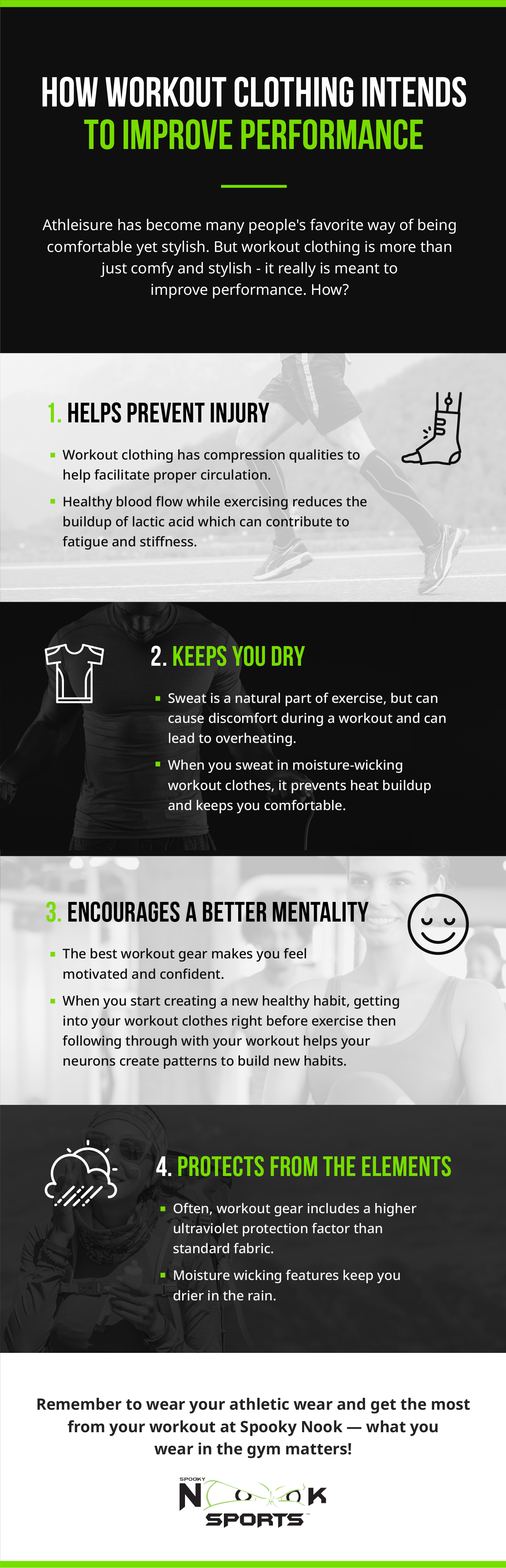
People often overlook how much their clothes can affect their workout results. Performance is not just about strength or speed—it’s also about how efficiently you move and how long you can keep going.
Helps Regulate Body Temperature
Workout clothes are designed to keep you at a comfortable temperature. Breathable materials let air in and heat out, which is important during high-intensity activities. Some clothes even have mesh panels or vents for extra airflow.
Reduces Muscle Fatigue
Compression wear like tights or sleeves gently squeeze your muscles. This helps with blood flow and can reduce the feeling of tiredness during exercise. Many athletes use compression gear to recover faster and perform better.
Example: Running Shorts Vs. Regular Shorts
Regular shorts might ride up or cause friction, leading to discomfort or even skin irritation. Running shorts are usually lighter, have built-in liners, and are cut to allow better movement. This means you can run longer distances with less hassle.
Injury Prevention And Safety
Wearing the right workout clothes can lower your risk of injury. This is especially important for people who do high-impact sports or activities with sudden movements.
Better Support
Sports bras give necessary support to women during activities like running or jumping. Without proper support, there’s a higher chance of pain or even long-term injury to breast tissue.
Supportive footwear is also critical. Shoes designed for your activity (like running shoes, cross-trainers, or basketball shoes) provide cushioning and stability. This helps absorb shock and keep your joints safe.
Reduces Risk Of Overheating Or Getting Cold
Proper workout gear helps you stay at a safe temperature. Clothes that are too warm can make you overheat, while not enough coverage can leave you cold after sweating. Some workout clothes are designed for different weather, like thermal leggings for cold days or lightweight tanks for hot weather.
Example: Reflective Gear For Night Running
If you exercise outside in low-light conditions, wearing clothes with reflective strips can make you more visible to drivers and cyclists. This simple addition can prevent accidents.
Hygiene And Skin Health
Sweat, bacteria, and friction can create the perfect environment for skin problems. Workout clothes can help protect your skin and keep you healthier.
Prevents Skin Rashes And Infections
Materials that pull sweat away from your skin make it harder for bacteria and fungi to grow. Regular clothes can stay damp and trap sweat, raising your risk of heat rashes and fungal infections.
Easier To Clean
Workout clothes are designed to withstand frequent washing. They dry faster and often have antimicrobial treatments to reduce odor. This means they stay fresher, longer, even with intense use.
Example: Shared Gym Equipment
When you use shared equipment, your skin touches surfaces that many people have used. Proper workout clothes, especially those that cover your arms and legs, create a barrier and protect your skin.
Credit: www.refinery29.com
Building Confidence And Motivation
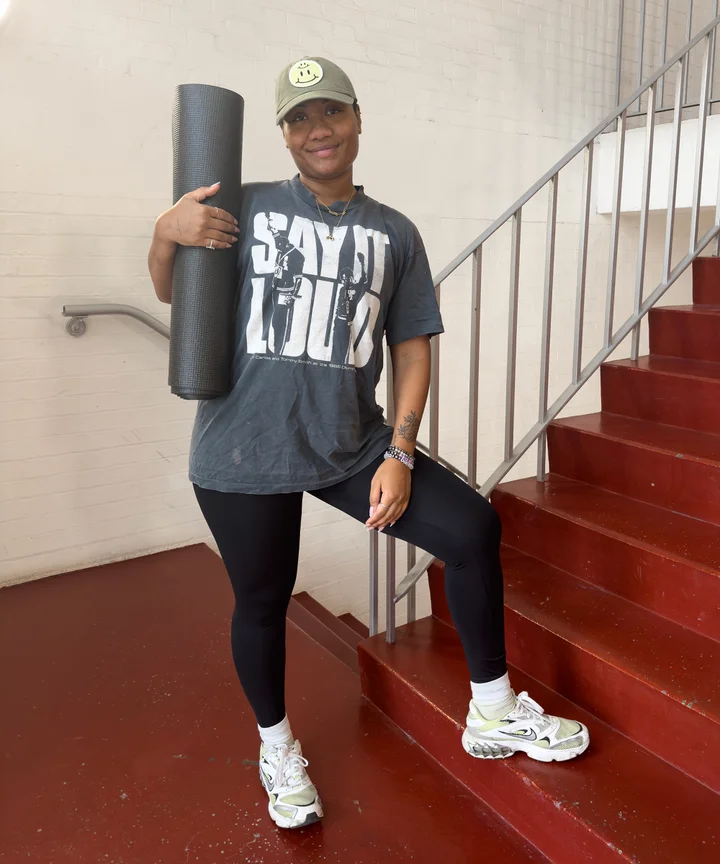
What you wear can affect how you feel about yourself and your workout. This is sometimes called “enclothed cognition,” a term psychologists use to describe how clothing can influence your mind.
Boosts Self-esteem
Wearing clothes designed for exercise can make you feel more prepared and serious about your routine. When you look in the mirror and see someone dressed for fitness, it’s easier to believe in your ability to exercise well.
Encourages Consistency
Having special clothes for working out can be a subtle reminder to stick to your routine. Many people find that simply putting on their workout gear helps shift their mindset from “relax” to “get moving. ”
Example: Gym Anxiety
For beginners, going to a gym can feel intimidating. Wearing workout clothes can help you feel like you belong, making it easier to focus on your goals instead of worrying about what others think.
Social And Psychological Benefits
The impact of workout clothes goes beyond the gym. They can shape how others see you and how you interact with the world.
Part Of A Community
Wearing similar clothes as other people at the gym or in a fitness class can help you feel connected. There’s a sense of being part of a group that shares your interests and goals.
Sets The Right Example
If you have children, wearing workout clothes shows them that exercise is a normal and important part of life. It can inspire others in your family or community to be more active.
Example: Outdoor Group Runs
When a group wears matching shirts or gear, it creates a team spirit. This can help everyone stay motivated and push through tough workouts together.
Credit: www.spookynooksports.com
Comparing Workout Clothes For Different Activities
Not all workout clothes are the same. The best choice depends on your activity. Here’s a look at how different types of gear match different workouts.
| Activity | Best Clothing Features | Why It Matters |
|---|---|---|
| Running | Moisture-wicking shirts, shorts with liners, running shoes | Reduces chafing and supports fast movement |
| Yoga | Stretchy leggings, fitted tops | Allows full range of motion |
| Weightlifting | Compression shirts, flat-soled shoes | Stabilizes muscles and improves grip |
| Cycling | Padded shorts, tight jerseys, gloves | Reduces friction and increases comfort on long rides |
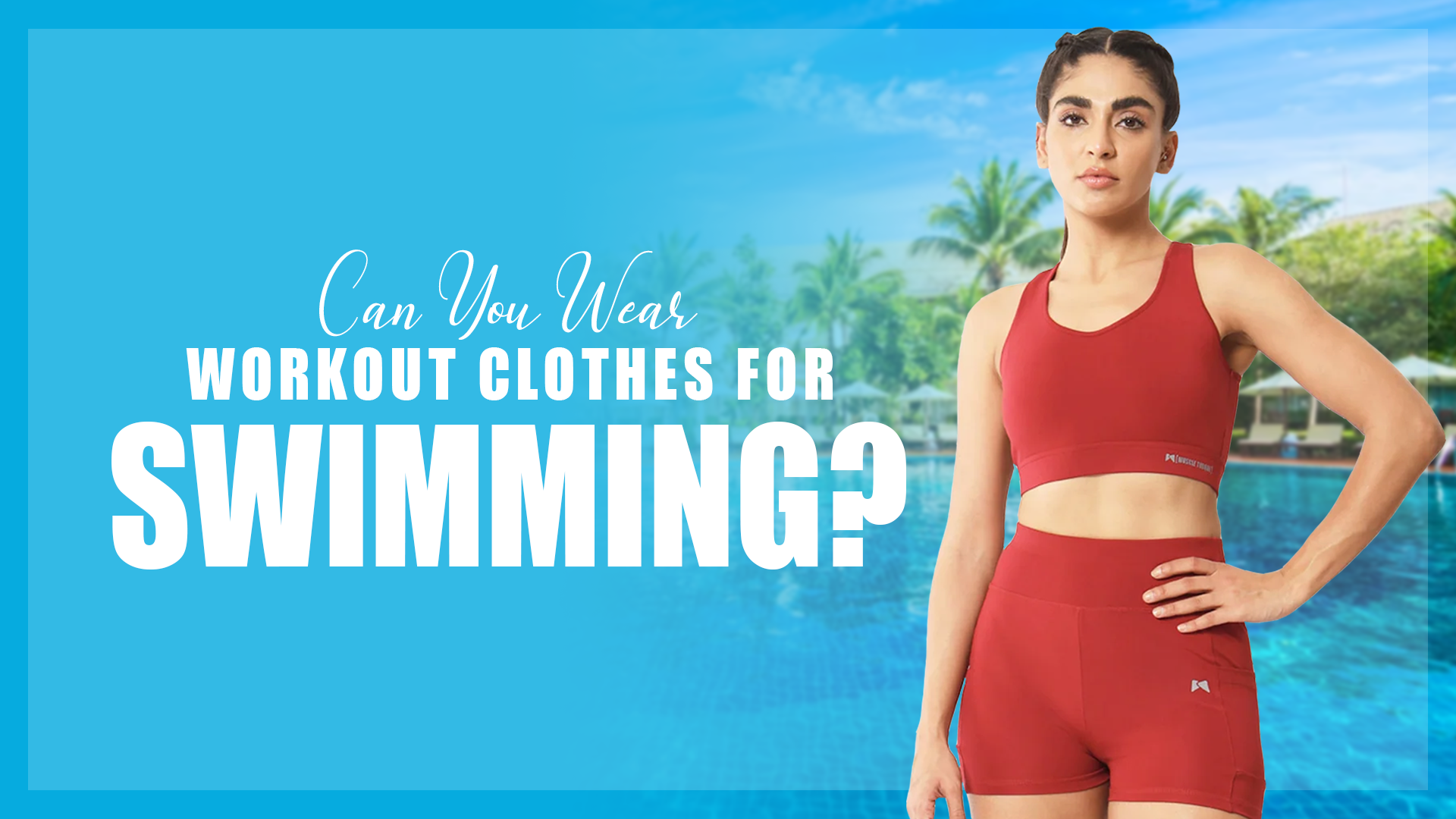
| Swimming | Swimsuits, swim caps, goggles | Reduces drag in water |
| Hiking | Breathable layers, sturdy shoes | Manages sweat and protects feet |
Common Mistakes People Make When Choosing Workout Clothes
Even with so many options available, it’s easy to make mistakes. Here are some common errors and how to avoid them.
1. Choosing Style Over Function
Many people buy workout clothes because they look good, not because they perform well. It’s important to check that the fabric and fit match your activity, not just the latest trends.
2. Not Considering Fit
Too-tight clothes can restrict your movement and make you uncomfortable. Clothes that are too loose can catch on equipment or fall down during exercise. Always try on clothes and move around to check for comfort.
3. Ignoring Weather And Environment
Wearing summer gear in cold weather can lead to illness. Layering with moisture-wicking clothes under warmer layers is best for outdoor activities in cool weather. For hot climates, choose light, breathable fabrics.
4. Neglecting Footwear
Wearing the wrong shoes is a leading cause of injuries. Running shoes are not good for weightlifting, and vice versa. Pick shoes that match your activity and replace them when they wear out.
5. Skipping Supportive Gear
Women sometimes skip sports bras, and men might ignore supportive underwear. Both can lead to discomfort and long-term injury.
How To Choose The Right Workout Clothes
Selecting the best workout clothes is simpler when you know what to look for. Here’s a step-by-step guide.
1. Think About Your Activity
Different workouts need different gear. For example, running demands lightweight, sweat-wicking clothing. Yoga requires stretchy, fitted clothes. Match your clothes to your activity for the best results.
2. Check The Material
Look for polyester, nylon, or blends with spandex for most activities. These materials manage moisture and move with your body. Avoid heavy cotton, especially for high-intensity workouts.
3. Test The Fit
Move around in the clothes before you buy. Squat, stretch, or jog in place. If anything feels tight, rides up, or slips down, try a different size or style.
4. Think About Climate
For outdoor workouts, consider weather. In colder environments, layer with a moisture-wicking base and a warm outer layer. In hot weather, look for mesh panels and lighter colors.
5. Don’t Forget Accessories
Socks, gloves, hats, and headbands can make workouts more comfortable. Good workout socks reduce blisters, and gloves protect your hands during weightlifting or cycling.
6. Consider Washing And Durability
Workout clothes get sweaty and need frequent washing. Choose clothes that keep their shape and color after many washes. Read care instructions and avoid items that need special cleaning.
Cost Vs. Value: Is Expensive Gear Worth It?
Workout clothes come in a wide range of prices. From discount brands to luxury labels, the options can be overwhelming. Here’s what you need to know.
Quality Over Brand
Expensive doesn’t always mean better. Some affordable brands offer high-quality, durable clothes. Focus on fabric technology, construction, and fit instead of just the logo.
When To Invest
It’s smart to invest in certain items, like a good pair of shoes or a supportive sports bra. These pieces affect comfort and safety more than others. For tops and shorts, mid-range options often work well.
Practical Example
Someone who runs daily will need quality running shoes and durable, sweat-wicking clothing. Someone who does yoga at home a few times a week can choose more basic gear.
Quick Comparison: Budget Vs. Premium Activewear
| Feature | Budget | Premium |
|---|---|---|
| Material Quality | Good | Excellent |
| Durability | Moderate | High |
| Advanced Features | Few | Many (compression, odor control) |
| Fit | Standard | Tailored |
| Price | Low | High |
Environmental Impact: Choosing Sustainable Workout Clothes
Sustainability is becoming a bigger concern for many people. The fashion industry, including workout wear, creates a lot of waste. Here’s how you can make better choices.
Look For Eco-friendly Brands
Some companies use recycled materials, like old plastic bottles, to make workout clothes. Others focus on using less water or energy in production. Checking labels or brand websites can help you pick more sustainable options.
Buy Only What You Need
Avoid buying too many items. Choose a few high-quality, versatile pieces that you can mix and match. This reduces waste and saves money.
Wash Carefully
Washing clothes less often and at lower temperatures can reduce the release of microplastics. Air-drying instead of using a dryer also extends the life of your clothes.
Example: Recycled Polyester
Many sports brands now offer leggings and shirts made from recycled polyester. These perform just as well as regular polyester but have a smaller environmental footprint.
The Role Of Workout Clothes In Different Cultures
Workout clothes are accepted and even encouraged in many parts of the world, but not everywhere. Cultural norms and modesty can influence what is considered appropriate.
Modesty Considerations
Some cultures prefer looser or more covering clothes. Many brands now offer modest workout wear, like long-sleeve tops and leggings with skirts, that still use performance fabrics.
Gender And Age
Older adults or people new to exercise may feel self-conscious in tight or revealing clothes. Choosing comfortable, modest options helps more people participate in fitness.
Example: Group Fitness Classes
In some countries, men and women exercise separately or in single-gender classes. Workout clothes are adapted to fit these practices, showing that fitness can be for everyone, no matter the style.
Credit: muscletorque.shop
Two Insights Beginners Often Miss
- Layering is Key: Many people only buy basic shirts and shorts. However, layering with a moisture-wicking base and a weather-appropriate top makes outdoor workouts safer and more comfortable. Don’t overlook lightweight jackets or thermal layers.
- Replace Worn-Out Gear Regularly: Workout clothes and shoes lose their performance over time. Shoes, in particular, should be replaced after a certain distance or if they lose cushioning. Keeping old gear can increase injury risk and reduce comfort.
Strong Reasons To Wear Workout Clothes
After looking at all the facts, here are the main reasons you should wear workout clothes:
- Comfort: Lets you move freely and focus on your workout.
- Performance: Helps you work out longer and harder.
- Safety: Reduces risk of injuries and protects your body.
- Hygiene: Keeps sweat and bacteria away from your skin.
- Confidence: Makes you feel ready and motivated.
- Community: Helps you connect with others and set a positive example.
- Adaptability: Different clothes for different activities and weather.
- Sustainability: Eco-friendly options reduce environmental impact.
Wearing proper workout clothes is not about fashion or trends. It’s about giving your body the support, protection, and environment it needs to perform its best.
If you want to learn more about the science behind athletic wear, you can visit this Wikipedia page on sportswear for more details.
Frequently Asked Questions
What Is The Difference Between Workout Clothes And Regular Clothes?
Workout clothes are made from special materials that manage sweat and allow movement. Regular clothes are not designed for physical activity and can cause discomfort, chafing, or overheating during exercise.
Can I Exercise In Cotton T-shirts?
You can, but cotton holds sweat and dries slowly. This can make you feel heavy, cold, and uncomfortable. Moisture-wicking workout clothes are better for keeping you dry and comfortable.
How Often Should I Replace My Workout Clothes?
Replace clothes when they lose their shape, stretch out, or stop wicking moisture. Shoes should be replaced when the tread wears down or the cushioning feels flat—this keeps you safe from injuries.
Do I Need Special Clothes For Every Type Of Workout?
Not always, but matching your clothes to your activity gives the best results. For example, running, swimming, and yoga all need different gear for comfort and safety.
Are Expensive Workout Clothes Necessary?
No, you don’t need the most expensive gear. Focus on fit, fabric quality, and support. Sometimes, mid-range or budget brands work just as well as high-end ones.
Wearing the right workout clothes is a small change that can bring big benefits. Whether you’re a beginner or a seasoned athlete, investing in proper gear helps you feel better, move better, and stay healthy during every workout.
