

Can Gym Clothes Cause Thrush? What You Need to Know
Can Gym Clothes Cause Thrush
Many people love working out for better health and energy. However, a question often comes up: Can gym clothes cause thrush? This topic is more important than it seems, especially for those who exercise regularly. If you’ve ever felt itching, burning, or noticed unusual discharge after a workout, you’re not alone. Understanding the link between gym wear and thrush can help you avoid discomfort and protect your health.
Thrush is uncomfortable and sometimes embarrassing, but it’s also common. Many people don’t realize that their gym clothes and hygiene habits may play a part. This article explains, in simple language, how gym clothes might lead to thrush, the science behind it, and what you can do to prevent it.
You’ll learn about the right fabrics, washing tips, and when to see a doctor. Whether you’re a beginner in fitness or a regular at the gym, the advice here is practical and easy to follow.
What Is Thrush?
Thrush is a fungal infection caused by a yeast called Candida. This yeast normally lives harmlessly on our bodies, including the mouth, skin, and genital area. Problems start when it grows too much. In women, vaginal thrush is most common. Men can get it too, usually as irritation or rash in the genital area.
The main symptoms of thrush are:
- Itching or burning around the vagina or penis
- White, thick discharge (like cottage cheese)
- Redness and swelling
- Pain during sex or urination
- Cracked skin in severe cases
Thrush is not a sexually transmitted infection, but it can sometimes be passed between partners. It is also not a sign of poor hygiene. Anyone can get thrush, but some people are more likely, especially those who sweat a lot or wear tight, non-breathable clothes.
How Does Thrush Develop?
To understand the connection between gym clothes and thrush, it helps to know how this infection grows. Candida loves warm, moist places. When the natural balance in your body changes, this yeast can multiply fast.
Common causes of thrush include:
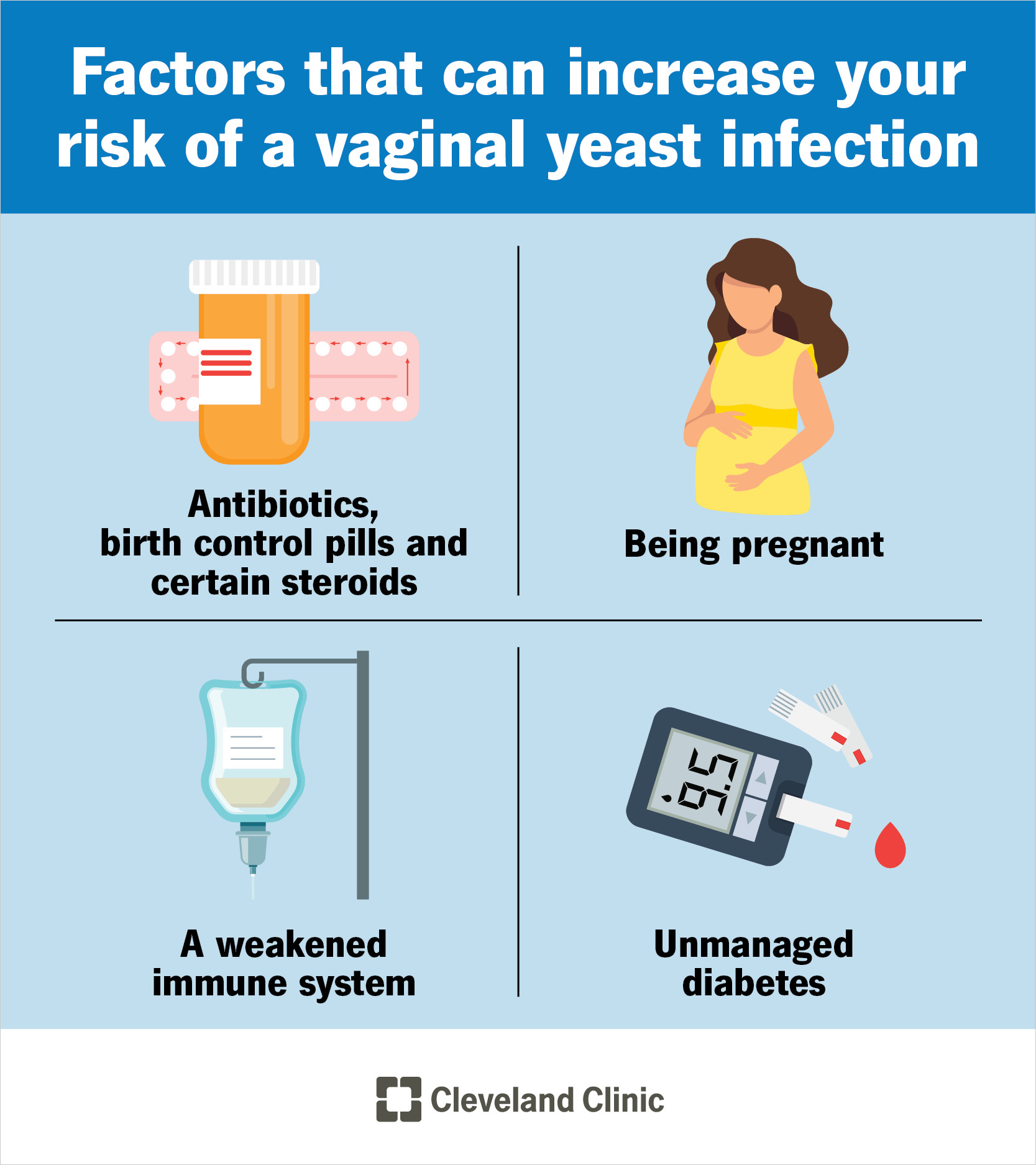
- Antibiotics (they kill friendly bacteria)
- Weakened immune system
- Hormonal changes (pregnancy, birth control, menopause)
- Diabetes (high blood sugar feeds yeast)
- Wearing tight or sweaty clothes
Sweat and heat, which are common during and after exercise, create the perfect environment for Candida. If your clothes stay damp or don’t allow air to flow, your risk goes up.
Gym Clothes And Their Role In Thrush
The clothes you wear during exercise matter more than you think. Here’s why.
Tight gym clothes like leggings, yoga pants, or compression shorts press against the skin. If they’re made of synthetic materials like polyester or nylon, they trap sweat and heat. This keeps your genital area warm and damp for a long time, which is exactly what Candida likes.
Cotton absorbs moisture but can stay wet, while some sports fabrics pull sweat away from the skin but don’t always let it escape. If you keep your workout gear on for hours after exercise, the risk increases even more.
Types Of Gym Clothes And Their Impact
Let’s compare common gym clothing materials and their effect on thrush risk:
| Fabric Type | Breathability | Moisture Control | Thrush Risk |
|---|---|---|---|
| Cotton | Good | Absorbs, but stays wet | Moderate |
| Polyester/Nylon | Poor | Wicks moisture, but traps heat | High |
| Bamboo | Very good | Absorbs and dries fast | Low |
| Merino Wool | Excellent | Wicks and breathes | Low |
Key insight: Even “moisture-wicking” clothes can be risky if they are tight and not washed often. Loose, breathable fabrics lower the risk.
Why Does Sweat Matter?
Sweat is your body’s way of cooling down. But when it collects in warm, closed areas—like under tight gym clothes—it does more than just make you uncomfortable. Sweat changes the pH of your skin, making it easier for Candida to grow.
The skin around the genitals and groin is especially sensitive. When sweat can’t evaporate, the area stays damp. Bacteria and yeast get the chance to multiply. This is why people who exercise a lot, especially in hot weather, are more likely to get thrush.
A small study found that women who wore tight, sweaty clothing for long periods had higher rates of vaginal yeast infections. While not everyone is affected, the risk is real—especially if you have other risk factors like diabetes or are using antibiotics.
Common Gym Habits That Increase Thrush Risk
Your clothing choices are only part of the story. Some workout habits make thrush more likely, often without you realizing.
1. Not Changing Clothes After Exercise
Staying in sweaty gym wear gives yeast more time to grow.
2. Wearing Underwear Made Of Synthetic Fabrics
Nylon or polyester underwear traps heat and sweat.
3. Reusing Unwashed Gym Clothes
Bacteria and fungi stick to dirty clothes and multiply.
4. Sitting Around After A Workout
Staying in your workout gear, even just for a coffee, extends the exposure.
5. Using Strong Soaps Or Feminine Hygiene Sprays
These products upset your natural skin balance, making it easier for Candida to grow.
6. Wearing Panty Liners Daily
Panty liners hold moisture and heat, especially during workouts.
7. Shaving Or Waxing Before The Gym
Small skin cuts from shaving or waxing can be entry points for infection.
It’s easy to miss these risks if you focus only on the workout itself. Hygiene and clothing choices after exercise are just as important.
Why Some People Get Thrush More Often
Not everyone who wears gym clothes gets thrush. Some people are more sensitive to the conditions that cause it. Here are some factors that increase your chances:
- Weak immune system (from illness, medications, or stress)
- Diabetes (high blood sugar feeds yeast)
- Hormonal changes (pregnancy, birth control, menopause)
- Frequent antibiotic use (kills good bacteria)
- Previous thrush infections
If you fall into one of these groups, you should be extra careful with your gym wear and hygiene.
How To Choose Gym Clothes To Prevent Thrush
Picking the right gym wear is one of the best ways to avoid thrush. Here’s what to consider:
Go For Breathable Fabrics
Choose clothes made from natural fibers like cotton, bamboo, or merino wool. These let air flow and wick sweat away from your skin, keeping the area dry.
Pick The Right Fit
Tight clothes look good, but they press moisture against your skin. Choose a looser fit for leggings, shorts, and underwear—especially in the groin area.
Avoid Synthetic Underwear
Polyester and nylon underwear trap heat and moisture. Instead, pick cotton underwear or ones made with bamboo blends for better breathability.
Change Quickly After Exercise
Bring a change of clothes to the gym. Change out of sweaty gear as soon as possible, and shower if you can.
Wash Gym Clothes Properly
Hot water kills yeast and bacteria. Wash all workout clothes after each use. Avoid fabric softeners, as they leave residues that can trap moisture.
Practical Tip
If you sweat a lot, bring an extra pair of underwear or shorts to the gym. Changing halfway through a long workout can make a big difference.
Proper Gym Clothes Hygiene
Washing your gym clothes the right way is just as important as picking the right fabric. Here’s how to keep your workout gear clean and safe:
- Wash after every use. Don’t reuse sweaty clothes.
- Use hot water. Most yeast and bacteria die at higher temperatures.
- Dry thoroughly. Air dry in sunlight if possible—UV rays kill germs.
- Avoid fabric softeners. They leave a layer on fabric, which can trap moisture.
- Clean your gym bag regularly. Fungi and bacteria can live in bags and on towels.
Gym Clothes Washing Comparison
Here’s a quick look at how different washing methods affect yeast and bacteria:
| Washing Method | Effectiveness | Recommended? |
|---|---|---|
| Cold Water | Removes sweat, not all germs | No |
| Hot Water | Kills most bacteria and yeast | Yes |
| With Fabric Softener | Leaves residue, may trap germs | No |
| Sun Drying | Extra germ-killing from UV | Yes |

Credit: azoproducts.com
How To Recognize Thrush Early
Catching thrush early means you can treat it quickly and avoid more discomfort. Early signs include:
- Mild itching or burning
- Slight redness or swelling
- Small changes in discharge (thicker, whiter)
- Light soreness after working out
If these symptoms appear, change into dry clothes, keep the area clean, and watch for changes. If symptoms don’t improve in a few days or get worse, see a doctor or pharmacist.
Treatment Options For Thrush
Thrush is usually easy to treat, but you need the right approach. Options include:
- Antifungal creams or tablets (available at pharmacies)
- Prescription medicine (for severe or repeated cases)
- Natural remedies like yogurt or probiotics (these help balance bacteria but may not cure infection alone)
If you’re pregnant, diabetic, or have a weak immune system, always check with a doctor before treating thrush yourself.
When To See A Doctor
Most cases of thrush clear up with pharmacy treatment, but you should see a doctor if:
- Symptoms last more than a week
- You have pain, bleeding, or fever
- Infections keep coming back
- You are pregnant or have a chronic illness
Doctors may run tests to check for other infections or causes.
Preventing Thrush: Simple Habits
Prevention is always better than cure. Here are daily habits to reduce your thrush risk:
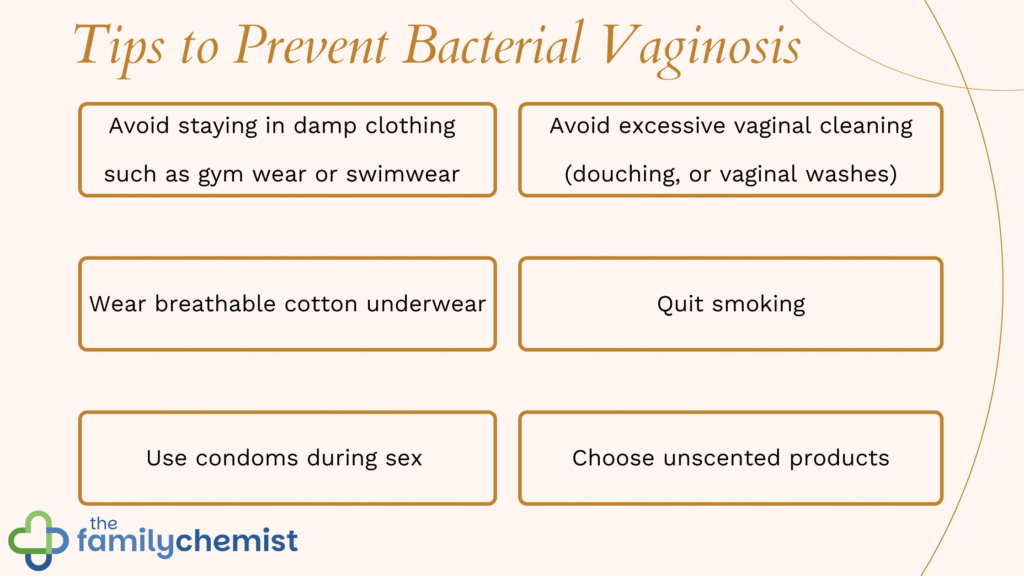
- Wear breathable gym clothes and underwear
- Change out of sweaty clothes quickly
- Wash gym wear in hot water
- Avoid daily panty liners and harsh soaps
- Stay hydrated and eat healthy foods
- Manage blood sugar if you have diabetes
- Limit antibiotics to when necessary
- Use probiotics to support healthy bacteria
These steps don’t just prevent thrush—they also improve your overall comfort and hygiene.
Common Myths About Gym Clothes And Thrush
It’s easy to get confused by the many myths out there. Let’s clear some up:
- Myth: Only women get thrush.
Fact: Men can get it too, especially in the groin area.
- Myth: Clean gym clothes can’t cause thrush.
Fact: If clothes trap sweat and heat, even if clean, they can still create a risky environment.
- Myth: Thrush means poor hygiene.
Fact: Anyone can get thrush, even if very clean. It’s more about moisture and heat than dirt.
- Myth: Cotton is always best.
Fact: Cotton is better than synthetic, but some modern fabrics (like bamboo or merino wool) are even more breathable and dry faster.
- Myth: You need to stop exercising to avoid thrush.
Fact: Exercise is healthy. You only need to adjust your clothing and hygiene habits.
Understanding these facts helps you make smarter choices about your workout gear and routines.
Non-obvious Insights For Gym-goers
Many people believe that simply changing clothes is enough, but there are a few less-known tips:
- Double-layer risk: Wearing underwear under tight leggings doubles the layers, trapping even more heat and moisture.
- Gym towels: If you use a towel at the gym, wash it after each use. Damp towels can carry yeast and bacteria.
- Shower timing: Waiting too long to shower after working out increases risk. Try to shower within 30 minutes.
These small changes can greatly reduce your chances of developing thrush.
Real Stories: How Gym Clothes Affected People
Hearing from others can help you see the impact of gym clothes on thrush.
Case 1:
Sarah, a regular gym-goer, noticed itching and discomfort after each spinning class. She always wore tight, synthetic leggings and stayed in them for hours. When she switched to loose, bamboo-fiber shorts and changed right after working out, her symptoms stopped.
Case 2:
A male runner developed a persistent rash in his groin. He used the same pair of running shorts multiple times before washing. After washing clothes in hot water and changing underwear immediately after exercise, the rash went away.
These stories show that small changes in clothing and hygiene make a big difference.
Comparing Gym Wear Choices
Let’s compare two typical gym outfits and see how they affect thrush risk:
| Outfit | Material | Fit | Thrush Risk |
|---|---|---|---|
| Compression leggings + synthetic underwear | Polyester/Nylon | Tight | High |
| Loose shorts + cotton underwear | Cotton/Bamboo | Loose | Low |
Choose the second option, especially if you’re prone to infections.
Credit: www.thefamilychemist.co.uk
What Science Says About Gym Clothes And Thrush
Research shows a clear link between tight, non-breathable clothing and increased risk of yeast infections. In one study, women who wore synthetic underwear and leggings daily had more than double the rate of vaginal thrush compared to those who wore loose cotton. Another review found that prolonged moisture exposure, such as from sweat-soaked clothes, is a leading risk factor for skin and genital yeast infections.
These findings prove that your clothing choices matter. For more details, you can visit the National Institutes of Health.
Can Men Get Thrush From Gym Clothes?
Yes, men are also at risk. Thrush in men often appears as a red, itchy rash on the penis or groin. Tight shorts, synthetic underwear, and staying in sweaty gear for too long create similar conditions for yeast overgrowth. Men should follow the same advice: wear breathable fabrics, change quickly, and wash gym wear after each use.
Credit: my.clevelandclinic.org
Children And Teens: Special Considerations
Young athletes, dancers, and teens who play sports can also get thrush, especially if they wear leotards, tights, or athletic uniforms for long periods. Parents should encourage kids to:
- Change out of sports uniforms quickly
- Wash workout clothes after each use
- Use loose, cotton underwear when possible
Teaching these habits early helps prevent infections and discomfort.
The Bottom Line
Gym clothes don’t directly “cause” thrush, but they can create the perfect conditions for it. The risk goes up when you wear tight, sweaty, or synthetic workout gear and don’t change quickly after exercise. By choosing loose, breathable fabrics and practicing good hygiene, you can still enjoy your workouts without worry.
Remember, thrush is common and treatable. If you notice symptoms, act early, and don’t be embarrassed to get help. With the right habits, you can keep thrush away and stay healthy and comfortable.
Frequently Asked Questions
Can I Still Wear Leggings To The Gym If I Get Thrush Often?
Yes, but choose leggings made from breathable, moisture-wicking fabrics, and avoid wearing them for long periods after exercise. Change into dry clothes quickly and always wash your gym gear after each use.
Should I Stop Exercising If I Have Thrush?
No, you do not need to stop exercising. Just wear loose, breathable clothes, keep the area dry, and treat the thrush as advised by a doctor or pharmacist. Good hygiene is more important than stopping your workouts.
Is It Safe To Use Panty Liners During Exercise?
Panty liners trap moisture and heat, raising the risk of thrush. If you need to use them, choose breathable, unscented liners and change them often. It’s better to rely on good underwear and change clothes quickly after your workout.
How Can Men Reduce The Risk Of Thrush From Gym Clothes?
Men should wear loose, cotton underwear, change out of sweaty gym shorts right after exercise, and wash all workout gear after each use. Keeping the groin area clean and dry is the best prevention.
Are There Any Fabrics That Are Best For Preventing Thrush?
Yes, bamboo, merino wool, and cotton are the top choices. These fabrics are breathable, wick moisture, and dry fast. Avoid synthetic fabrics like polyester or nylon, especially if they fit tightly.
For more information on yeast infections and prevention, visit the NHS website.
Staying active is important for your health, and with the right clothing and habits, you can prevent thrush and enjoy every workout.
