

What Gym Clothes to Buy: Essential Picks for Every Workout
What Gym Clothes To Buy
Choosing the right gym clothes is more important than many people think. If you are new to fitness, or just want to upgrade your workout wardrobe, you may feel confused about what to buy. The right gym clothes can make exercise easier, more comfortable, and even safer.
The wrong choices can hold you back, make you feel self-conscious, or cause discomfort and injury. With so many options, styles, and new technologies, it is easy to feel lost in the crowd of gym wear.
But shopping for gym clothes does not have to be complicated or expensive. With a little guidance, you can quickly choose pieces that fit your body, support your goals, and help you feel confident. This guide will break down everything you need to know before you buy, from materials to fit, and will highlight some key insights most beginners miss.
Whether you are into weightlifting, running, yoga, or group classes, you will find practical advice that covers the entire topic of gym clothes—so you can focus on your workout, not what you are wearing.
Why Gym Clothes Matter
Many people think any old T-shirt and shorts are fine for the gym. While you can technically exercise in anything, dedicated gym clothes are designed for performance and safety. Here’s why what you wear matters:
- Comfort: Good gym clothes move with your body, reduce chafing, and keep you cool.
- Performance: Supportive clothes can improve form and reduce fatigue.
- Safety: The right shoes and gear protect you from common injuries.
- Hygiene: Moisture-wicking fabrics manage sweat and reduce odor.
- Confidence: When you feel good in your outfit, you are more likely to work out regularly.
Wearing the right gear is a simple upgrade that pays off every time you train.
Essential Gym Clothes For Every Workout
Let’s break down the must-have pieces for a basic gym wardrobe. These essentials work for most exercise styles.
1. Workout Tops
Your top is the first thing most people notice. But more importantly, it can affect your comfort and freedom of movement.
What to Look For:
- Moisture-wicking fabric such as polyester, nylon, or blends keeps sweat away from your skin.
- Breathable material with mesh panels or vents helps control temperature.
- Fit: Not too tight or too loose. You should be able to move freely.
- Seam placement: Flat or minimal seams reduce chafing.
Practical Tip: Avoid cotton for intense workouts. It holds sweat, making you feel heavy and sticky.
Popular options: Basic T-shirts, tank tops, and long-sleeve performance shirts.
2. Sports Bras
For women, a good sports bra is as important as shoes. It provides support and prevents discomfort, especially during high-impact activities.
How to Choose:
- Support level: Light for yoga, medium for cycling, high for running or HIIT.
- Adjustable straps and band: Customizes fit.
- Breathable cups or mesh: Keeps skin dry.
Non-obvious Insight: Many people wear the wrong size sports bra. Try on several styles and do a “jump test” to check support.
3. Workout Bottoms
Your bottom half does a lot of work in the gym. The right pants or shorts can help you move better.
Types:
- Leggings/tights: Great for flexibility, yoga, or running. Look for a high waistband to prevent slipping.
- Shorts: Choose lightweight, sweat-wicking fabrics. Compression shorts prevent chafing.
- Joggers: Good for warm-ups, cool-downs, or weightlifting.
Fit Tip: Squat in the fitting room to check for transparency and comfort.
4. Underwear
Many overlook underwear, but it is the base of your comfort.
- Moisture-wicking and seamless options reduce sweat and irritation.
- Avoid cotton for heavy sweat sessions.
- Men: Briefs or boxer briefs made for sports work best.
- Women: Look for sports-specific underwear or seamless thongs/briefs.
Non-obvious Insight: The right underwear can prevent common issues like yeast infections or rashes.
5. Gym Socks
Good gym socks protect your feet from blisters and manage sweat.
Features to Look For:
- Cushioning in the heel and toe.
- Moisture control fabrics (synthetic blends or merino wool).
- Height: No-show, ankle, or crew—based on your shoes and preference.
Tip: Change socks after every workout to prevent athlete’s foot.
6. Workout Shoes
Shoes are the most important piece for injury prevention and performance.
Types:
- Running shoes: For treadmill, cardio, or outdoor running.
- Training shoes: For weightlifting, HIIT, or cross-training.
- Minimalist shoes: For barefoot-style training or lifting.
Check the fit: There should be a thumb’s width between your toe and the shoe end.
Common mistake: Using running shoes for heavy lifting can cause instability.
7. Outerwear
If you train outdoors or commute to the gym, a good jacket or hoodie is helpful.
- Windproof and waterproof for outdoor training.
- Lightweight and packable for easy storage.
- Reflective details for night runs.
Layering: Wear layers you can remove as you warm up.
8. Accessories
Accessories can improve your gym experience.
- Headbands or sweatbands: Keep sweat out of your eyes.
- Gloves: Protect hands during lifting.
- Gym bag: Carries your gear and keeps things organized.
- Water bottle: Staying hydrated is key.
Pro tip: Invest in a small towel for wiping sweat and cleaning equipment.
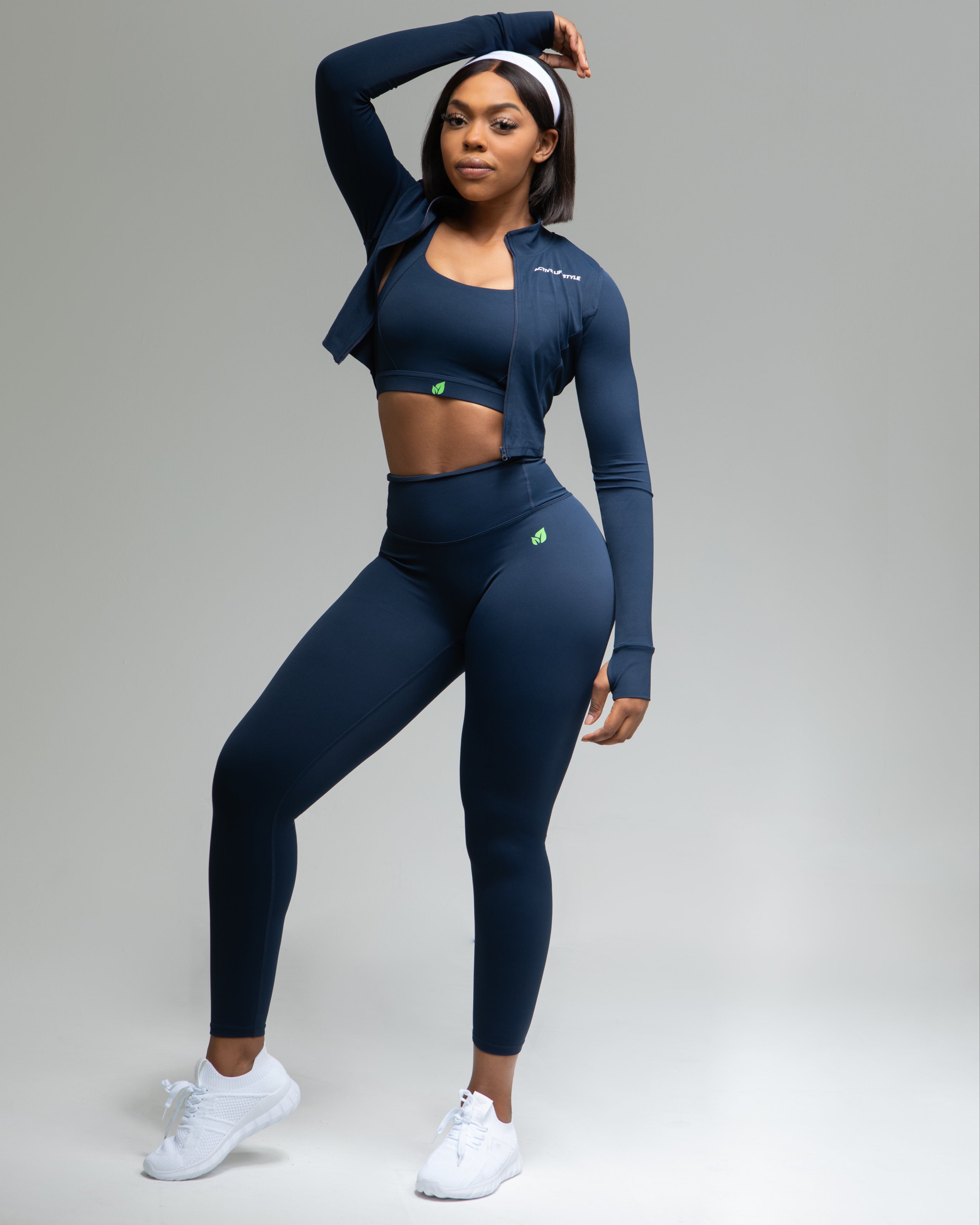
Credit: awayishome.com
How To Choose The Best Materials
The material of your gym clothes changes how you feel during and after your workout. Not all fabrics are equal.
| Material | Benefits | Drawbacks |
|---|---|---|
| Polyester | Dries quickly, durable, lightweight | Can retain odors |
| Nylon | Soft, stretchy, moisture-wicking | Less breathable than cotton |
| Spandex/Lycra | Great stretch and shape retention | Can feel tight if too much is used |
| Merino Wool | Natural, odor-resistant, temperature control | Usually more expensive |
| Cotton | Soft, natural, affordable | Holds sweat, dries slowly |
Key Insight: Most gym clothes are blends. A mix of polyester and spandex is common for performance wear.
Fit And Sizing: Getting It Right
A common mistake is buying gym clothes that are too loose or too tight. Both can make movement harder and cause discomfort.
- Tops: Should skim your body but not restrict movement.
- Bottoms: Should stay up during squats and jumps, not ride down or bunch up.
- Sports bras: Should not dig into your skin or move around during activity.
- Shoes: Fit should allow for some toe wiggle but prevent slipping at the heel.
Try clothes on and do simple movements (squats, lunges, arm raises) to test comfort and fit.
Remember: Sizing can vary between brands. Check sizing charts and reviews before buying online.
Special Gym Clothes For Different Workouts
Not all workouts need the same gear. Here’s what to consider for popular exercise types.
Weightlifting
- Flat-soled shoes or dedicated lifters for stability.
- Fitted tops to see your form.
- Compression gear can improve circulation.
- Wrist wraps or gloves for heavy lifts.
Running
- Running shoes with proper support.
- Moisture-wicking socks to prevent blisters.
- Shorts or tights that do not ride up.
- Lightweight tops with mesh panels.
Yoga And Pilates
- Stretchy leggings or shorts that do not move during poses.
- Fitted tank tops to avoid shirt falling over your head.
- Barefoot or grip socks for better traction.
Hiit Or Crossfit
- Cross-training shoes for lateral movement.
- Compression shorts to reduce chafing.
- Supportive sports bra for high-impact moves.
- Quick-dry shirts for sweat-heavy sessions.
Group Classes (dance, Zumba, Cycling)
- Flexible shoes for dance or cycling shoes for spin.
- Fun, bright colors if you like to stand out.
- Sweatbands for intense cardio.
- Secure pockets for keys or cards.
Pro Tip: If you do a mix of activities, choose versatile basics and add specialized gear as you advance.
Comparing Gym Clothes: Basic Vs. Premium
Is it worth spending more on premium gym wear? Here’s how basic and higher-priced options compare:
| Feature | Basic Gym Wear | Premium Gym Wear |
|---|---|---|
| Fabric | Polyester blends, less technical | Advanced blends, odor control, more stretch |
| Durability | May pill or fade faster | Lasts through more washes |
| Fit | Standard sizing, fewer options | Contoured, designed for movement |
| Extras | Few pockets, basic seams | Hidden pockets, flat seams, reflective details |
| Price | $10–$30 per item | $40–$100+ per item |
Key Insight: You do not need to buy all premium gear. Invest in quality shoes and bras, but basics work for most other items.
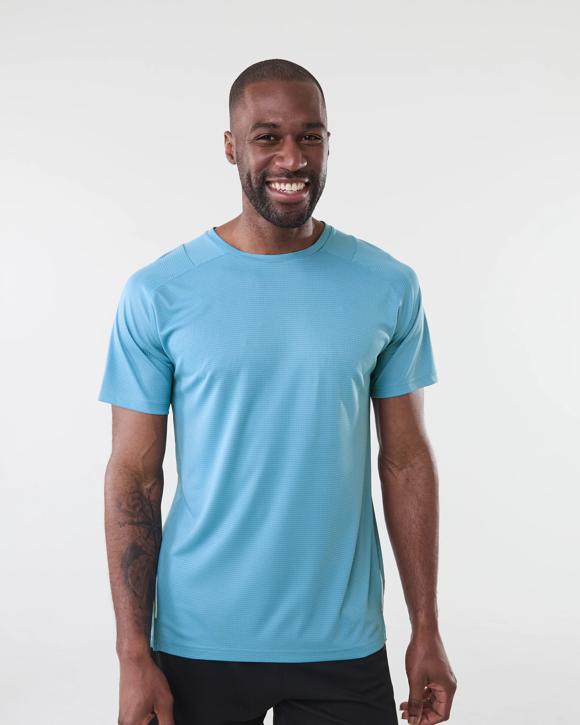
Credit: everestkitchennc.com
How Many Gym Clothes Do You Need?
How much should you buy? The answer depends on how often you work out and your laundry schedule.
General Guide:
- Tops: 3–5, so you always have a clean one.
- Bottoms: 2–4 pairs.
- Sports bras: 2–3 (rotate to let them dry).
- Socks: 4–6 pairs.
- Shoes: 1–2 pairs (rotate if you train daily).
If you sweat a lot or train daily, you may need more. Buy gradually and see what works for your routine.
Caring For Your Gym Clothes
Taking care of your gear helps it last longer and smell better.
- Wash soon after use to prevent odor.
- Turn clothes inside out to protect prints and colors.
- Use cold water and mild detergent.
- Avoid fabric softeners—they block moisture-wicking.
- Air dry when possible; heat can damage stretch.
Pro tip: Add a little vinegar to the wash to kill odor-causing bacteria.
Common Mistakes When Buying Gym Clothes
Even experienced gym-goers make mistakes. Avoid these common problems:
- Choosing style over function: That trendy top may look good but ride up or hold sweat.
- Ignoring your workout type: Running gear is not the same as lifting gear.
- Buying only one size: Sizing varies. Try before you buy, and read reviews.
- Skipping the return policy: Make sure you can return or exchange if it does not fit.
- Neglecting support: Shoes and bras should be your top investments.
- Overbuying: You do not need a new outfit for every workout.
- Forgetting about climate: Choose lighter clothes for hot gyms, layers for cold weather.
- Buying all cotton: Cotton is great for lounging, not sweating.
Trends In Gym Clothes
The gym wear market changes quickly. Here are some trends that are popular now and likely to stay relevant:
- Sustainable fabrics: Bamboo, recycled polyester, and organic cotton are common.
- Gender-neutral designs: Simple, minimalist looks that suit anyone.
- High-waisted bottoms: Offer support and coverage.
- Bold prints and colors: For motivation and fun.
- Smart fabrics: Some clothes now have UV protection, odor control, or even track your movement.
Non-obvious Insight: Trends are fun, but always check if the clothes match your exercise needs first.
Where To Buy Gym Clothes
You can buy gym clothes almost anywhere—department stores, sports shops, or online. Each has pros and cons.
- In-store: Try before you buy, but selection may be limited.
- Online: More variety, often better prices. Check return policies and size guides.
- Brand outlets: Sometimes offer last season’s gear at a discount.
- Secondhand: Thrift stores or online resale shops can be great for basics.
Tip: Sign up for newsletters to get sales alerts on your favorite brands.
Should You Buy Brand Name Or Generic?
Many people wonder if big brands are worth it. In reality, both have their place.
- Big brands: Often offer better materials, fit, and innovation.
- Generic or store brands: Usually cheaper and fine for basics.
Key Insight: Focus your budget on shoes, sports bras, and any item that affects your performance or comfort most.
When To Replace Your Gym Clothes
Even the best gym clothes wear out. Signs you need a replacement:
- Shoes: Every 300–500 miles of use, or if you notice less support.
- Bras: If the band stretches, straps lose elasticity, or you feel less support.
- Tops/Bottoms: When they get thin, lose shape, or do not smell clean after washing.
- Socks: If they have holes or lose their stretch.
Tip: Rotate your gear to make everything last longer.
Budgeting For Gym Clothes
You do not need to spend a lot to look and feel good at the gym. Here’s a budget guide:
| Item | Budget Range | Where to Spend More |
|---|---|---|
| Tops | $10–$30 | Moisture-wicking, good fit |
| Bottoms | $15–$40 | Squat-proof, comfortable waistband |
| Sports Bra | $20–$60 | Support, comfort |
| Socks | $5–$15 (per pair) | Moisture control, cushioning |
| Shoes | $50–$150 | Fit and support; never go cheap here |
Insight: Start with a few basics and add pieces as you find what works for you.
Gym Clothes For Different Climates
Where you live and train affects what you need.
Hot And Humid
- Sleeveless tops and shorts.
- Lightweight, breathable materials like mesh.
- Moisture-wicking socks.
- Sweatbands to manage sweat.
Cold Weather
- Layering: Base layer, mid-layer, and outer shell.
- Thermal leggings or joggers.
- Gloves and beanie for outdoor workouts.
- Reflective jackets if you train in the dark.
Rainy Or Windy
- Water-resistant jackets.
- Quick-dry shoes.
- Hat with brim to keep rain off your face.
Tip: Always check the weather before heading out.
Gym Clothes For Different Body Types
Everyone’s body is different. The best gym clothes make you feel confident and comfortable.
- Curvier shapes: High-waisted bottoms, supportive bras, and tops with a bit of stretch.
- Petite: Cropped leggings, fitted tanks, and tops with adjustable straps.
- Tall: Longer inseams, oversized tops, and full-length leggings.
Non-obvious Insight: Dark colors can be slimming, while bright colors highlight your favorite features.
Sustainable And Ethical Choices
If you care about the environment, look for:
- Recycled fabrics (polyester made from water bottles).
- Organic cotton (less pesticide use).
- Brands with fair labor practices.
- Durable items that last longer (less waste).
For more on sustainable fashion, the Fashion Revolution website is a good resource.
Frequently Asked Questions
What Fabrics Are Best For Sweat Control At The Gym?
Fabrics like polyester, nylon, and merino wool are best for sweat control. They wick moisture away from your skin, dry quickly, and help prevent odor. Avoid cotton for heavy sweat workouts because it holds moisture and dries slowly.
How Often Should I Replace My Gym Shoes?
Replace gym shoes every 300–500 miles of use or when you notice less support, worn soles, or discomfort. This is especially important for running or high-impact workouts. Rotating between two pairs can also extend their life.
Can I Use Regular Bras For Workouts?
Regular bras are not designed for the movement and sweat of exercise. Sports bras offer more support, reduce bounce, and wick moisture. Always choose a sports bra that matches your workout intensity for best comfort and protection.
Do I Need Different Clothes For Weightlifting And Cardio?
It helps to have different clothes for weightlifting and cardio. Weightlifting needs stable shoes and fitted tops, while cardio requires sweat-wicking, breathable fabrics and proper support. However, versatile basics can work for both if you are just starting.
What Is The Most Important Gym Clothing Item To Invest In?
The most important item is shoes. The right shoes protect your feet, improve performance, and prevent injuries. Women should also invest in a good sports bra. Other items can be basic, but shoes and bras should always be high quality.
Choosing gym clothes does not have to be a puzzle. With the right information, you can build a wardrobe that suits your body, your workouts, and your budget. Start with key basics, focus on performance and comfort, and add pieces as you go.
When you feel good in what you wear, you are more likely to keep moving and reach your fitness goals.

Credit: allurelakestorey.com
