

Why Do Gym Shorts Roll Up? Causes and Simple Fixes
Why Do Gym Shorts Roll Up
It’s a frustrating feeling: you start your workout, and after a few squats or runs, your gym shorts roll up your thighs. You tug them down, but it keeps happening. Whether you’re in the middle of a HIIT class, running on the treadmill, or stretching on the mat, rolled-up shorts distract you and can even affect your performance. But why does this happen? Is it the fabric, the fit, or something about how we move? Understanding the real reasons behind this common problem can help you choose better gym wear, avoid discomfort, and focus more on your exercise. In this article, you’ll discover the science, the hidden factors, and practical solutions to keep your shorts in place.
The Main Reasons Gym Shorts Roll Up
Before jumping to solutions, it’s important to know what causes your gym shorts to roll up. While it might seem like a simple issue, there are actually multiple factors involved—some obvious, others less so. Here are the main reasons:
1. Fabric Type And Texture
The material of your gym shorts is one of the biggest reasons for rolling. Some fabrics are smooth and slippery, while others are rough or have more grip. For example, polyester and nylon are popular for their moisture-wicking abilities, but they can also slide easily against the skin or over compression shorts, causing them to bunch up. On the other hand, cotton may absorb sweat, become heavy, and stick to your legs, which can also lead to rolling.
A less obvious detail is the elasticity of the fabric. Stretchy materials are great for flexibility, but if they don’t have enough structure, they tend to ride up more easily, especially during repetitive movements like running or cycling.
2. Shorts Fit And Cut
The fit of your gym shorts matters just as much as the fabric. If your shorts are too tight, especially around the thighs, they are more likely to roll up as you move. This is often the case with compression shorts or tight spandex-based designs. On the other hand, if your shorts are too loose, they might bunch or move around, causing rolling when the fabric catches against your skin.
The cut of the shorts also plays a role. Shorts with a narrow leg opening, or those that taper towards the bottom, are more likely to roll compared to styles with a wider leg opening.
3. Body Shape And Muscle Movement
Your body shape and how your muscles move during exercise are critical factors. People with larger thighs or more muscular legs are more likely to experience rolling. When your muscles contract and expand, they push against the fabric, especially if there isn’t enough room in the shorts. This causes the shorts to roll or ride up.
It’s not only about size—muscle tone, fat distribution, and even skin texture can affect how shorts behave during workouts. For example, if you have strong quadriceps, you might notice rolling more often during squats or lunges.
4. Activity Type And Range Of Motion
The kind of exercise you do affects how your shorts move. High-impact activities like running, cycling, or jumping create more friction and movement, making rolling more likely. Even exercises that involve bending, stretching, or quick lateral movements can cause shorts to shift.
If you do yoga or Pilates, you might notice rolling during deep stretches. In contrast, walking or light activities may not cause as much rolling.
5. Seams And Stitching
Seams play a less obvious but important role. Thick seams or poorly placed stitching can create pressure points or extra friction, making certain areas of the shorts more likely to roll up. Flatlock seams are often used in athletic wear to reduce chafing, but not all brands use this method.
Sometimes, the hem at the bottom of the shorts is too tight, which acts like a rubber band and causes the fabric to flip up with movement.
6. Lack Of Grippers Or Liners
Some shorts are designed with silicone grippers or built-in liners to help hold them in place. When these features are missing, especially in shorter or tighter styles, rolling becomes more common.
These small details often make a big difference, especially for athletes or those who exercise regularly.
7. Washing And Wear Over Time
As shorts age and go through repeated washes, their material can lose elasticity and shape. The waistband or leg openings may stretch out, making it easier for the shorts to move and roll. Sometimes, the inside of the fabric becomes smoother, increasing the sliding effect.
Some people don’t realize that even high-quality gym shorts will change over time. What fits perfectly when new may not behave the same after months of hard use.
How Fabric Choices Influence Rolling
Not all fabrics behave the same in the gym. Understanding the characteristics of each material helps you choose shorts that stay put.
Polyester Vs. Cotton Vs. Spandex
Here’s a comparison of the most popular gym short fabrics:
| Fabric | Pros | Cons | Rolling Likelihood |
|---|---|---|---|
| Polyester | Lightweight, dries fast, durable | Slippery, can be clingy | High |
| Cotton | Soft, breathable, non-slip | Holds sweat, heavy, loses shape | Medium |
| Spandex/Elastane | Very stretchy, fits snug, flexible | Can ride up, may lose stretch | High |
Key Insights:
- Polyester blends are common in performance shorts, but when mixed with too much spandex, the shorts may roll more easily.
- Cotton shorts are less likely to roll up when dry but can stick and bunch after sweating.
- Nylon is similar to polyester but can be even more slippery, especially when used for running shorts.
Fabric Weight And Thickness
Thicker fabrics provide more structure and are less likely to roll. However, they can also be hotter and less comfortable for intense workouts. Lightweight fabrics are cooler but may not hold their shape as well.
A practical tip: Look for a balance between weight and stretch. Shorts with a moderate thickness and a little bit of stretch usually perform best for most activities.
The Role Of Short Design
Design details can make a big difference in whether your shorts stay down or ride up.
Length Of Shorts
Shorts come in different lengths, usually measured by the “inseam” (the length from the crotch to the bottom hem). Here’s how inseam length affects rolling:
- Short inseam (2-4 inches): More likely to roll up, especially during running or jumping.
- Medium inseam (5-7 inches): Good balance, less likely to roll, but can still move during intense activity.
- Long inseam (8+ inches): Least likely to roll, but may restrict movement for some people.
Leg Opening And Hem
A wider leg opening gives your thighs more space and reduces the chances of rolling. Tight hems grip the thigh and can cause the shorts to flip up.
Some athletic shorts have side slits or curved hems to allow more freedom of movement. These details help reduce rolling by giving the fabric room to move with your body.
Waistband Design
The waistband also affects how shorts behave. A tight waistband keeps the shorts in place at the top, but if the leg opening is too tight, the fabric will still roll up. Drawstrings and elastic bands help adjust the fit, but they don’t always solve rolling at the thigh.
Liners And Compression Layers
Some gym shorts have built-in liners or come as 2-in-1 designs with an inner compression layer. These can help reduce rolling by providing a snug base layer. However, if the liner itself is too tight, it can also roll up.
Body Shape, Movement, And Rolling
Everyone’s body is different, and your unique shape affects how your shorts behave.
Thigh Size And Shape
People with muscular or larger thighs are more likely to experience shorts rolling up. The fabric has less space to move and is pushed upwards during exercise. Even people with slimmer thighs may have rolling issues if the shorts are cut too narrow.
Skin Texture And Sweat
Sweat makes fabric stick to the skin. If your skin is smooth, fabric may slide more easily. If your skin is drier or rougher, it may grip the shorts, causing bunching or rolling.
An interesting detail: People who use lotions or oils on their legs sometimes notice more rolling because fabric slides more easily on moisturized skin.
Range Of Motion
Movements that involve bending, squatting, or high steps (like lunges or cycling) stretch the fabric over your thighs and hips. The repeated motion pulls the shorts upward, and if the fabric doesn’t return to its original position, it bunches up.
If you notice your shorts rolling more during certain exercises, it’s likely due to the specific ways your body moves.
Activity Type And Its Impact
What you do in your gym shorts affects how much they roll up.
Running And Cardio
Running creates constant up-and-down motion and frequent leg flexing. This repetitive movement is a common trigger for shorts rolling up, especially if they’re made of lightweight, stretchy fabric.
Cycling
Cycling involves repeated thigh movement and close contact with the seat. Shorts that are too loose can bunch up, while shorts that are too tight may roll at the hem.
Weightlifting And Hiit
Squats, lunges, and jumping exercises put extra pressure on the thighs and hips. This causes the shorts to ride up, especially if you have strong leg muscles or choose a snug fit.
Yoga And Pilates
Stretching and bending movements can cause shorts to shift and bunch. Tighter shorts may stay in place better, but if they’re too short or have a tight hem, rolling is likely.
The Hidden Effects Of Seams And Stitching
Most people don’t think about seams when buying gym shorts, but they matter more than you think.
Types Of Seams
- Flatlock seams: Reduce chafing and are less likely to cause rolling.
- Overlock or serged seams: May create a ridge that presses into the skin, increasing rolling potential.
- Reinforced hems: Help shorts keep their shape, but if too tight, can cause rolling.
Placement Of Seams
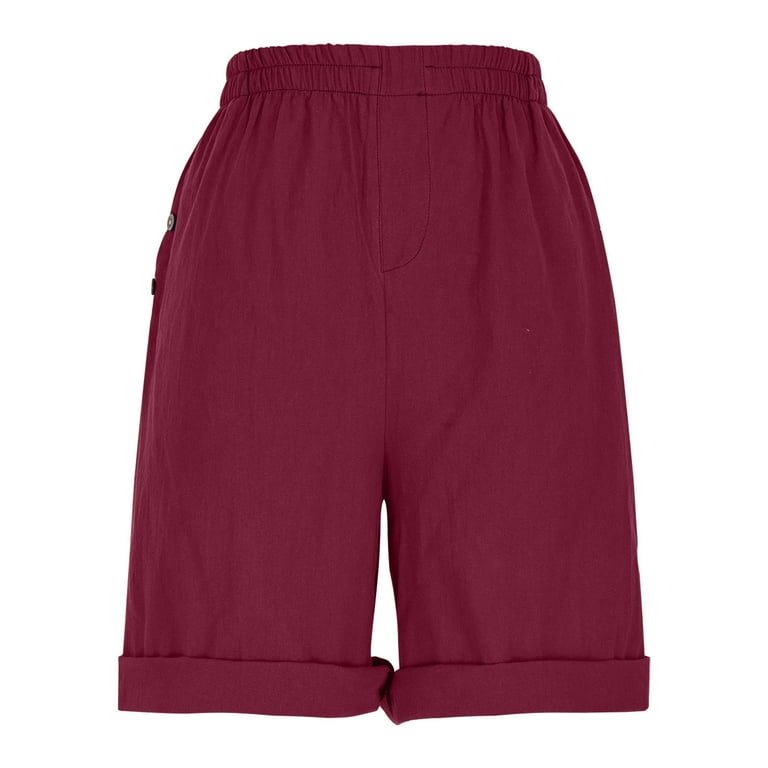
Seams that run down the side or across the thigh can act as “stoppers,” catching the fabric and causing it to bunch up. Shorts with minimal seams or strategic seam placement tend to roll less.
Credit: www.walmart.com
How Washing And Wear Change Shorts Over Time
No matter how perfect your gym shorts are when new, they change with use.
Loss Of Elasticity
Elastic fibers in waistbands and hems break down over time. This makes the shorts looser and more likely to shift or roll up.
Fabric Smoothing
Repeated washing can make the inside of the shorts smoother, especially with synthetic fabrics. This reduces grip and increases the chance of sliding and rolling.
Shrinking And Stretching
Cotton shorts may shrink after washing, making them tighter and more prone to rolling. Synthetic fabrics may stretch, losing their original fit and support.
A practical tip: Replace gym shorts that have lost their shape or elasticity to avoid rolling and discomfort.
Comparing Popular Gym Short Styles
Different styles of gym shorts behave differently when it comes to rolling. Here’s a quick overview:
| Short Type | Rolling Risk | Main Cause |
|---|---|---|
| Compression Shorts | High | Tight fit, stretchy fabric |
| Running Shorts | Medium | Short inseam, lightweight |
| Basketball Shorts | Low | Loose fit, long inseam |
| 2-in-1 Shorts | Medium | Liner fit, outer fabric movement |
| Board Shorts | Low | Wide leg, stiffer material |
Key Insights:
- Compression shorts are most likely to roll, especially if not sized correctly.
- Basketball and board shorts rarely roll up, thanks to their wide legs and longer length.
- 2-in-1 shorts depend on the fit of both the inner and outer layers.
What Can You Do To Prevent Shorts Rolling Up?
Luckily, there are solutions—some simple, others require a bit more planning.
1. Choose The Right Fabric
Look for medium-thickness fabrics with some structure. Avoid shorts that are too stretchy or too slippery. Cotton blends with a bit of spandex often perform better than 100% synthetic or 100% cotton.
2. Pay Attention To Fit
Try on different styles and sizes. Don’t go too tight around the thighs, but also avoid overly loose shorts that might bunch. Look for shorts with a comfortable, wide leg opening.
3. Consider Length
If you struggle with rolling, try a slightly longer inseam. Even an extra inch or two can make a big difference.
4. Look For Design Features
Features like silicone grippers, built-in liners, and wider hems help keep shorts in place. Some brands add double layers or reinforced bands at the bottom hem.
5. Replace Worn-out Shorts
Old shorts lose their shape and elasticity. If you notice more rolling than usual, it might be time to buy a new pair.
6. Adjust Before You Move
Before starting your workout, adjust your shorts so they sit comfortably on your thighs. Smooth out any bunching or twisting.
7. Avoid Lotions Before Exercise
Moisturizers, oils, or lotions can make your skin slippery, increasing the chance of rolling. If you use these products, let them absorb fully before putting on your gym shorts.
8. Layer With Care
If you wear compression shorts under loose gym shorts, make sure both are the right size. Too much layering can cause extra friction and rolling.
9. Wash With Care
Follow the care instructions to maintain elasticity and shape. Avoid hot water and harsh detergents that can break down fibers.
10. Try Specialized Brands
Some athletic brands focus on anti-roll designs. Look for brands with good reviews or those recommended by athletes. A useful external reference is OutdoorGearLab, which reviews gym shorts and highlights anti-rolling features.
Non-obvious Insights Most People Miss
- Movement Pattern Matters: If you do a lot of single-leg exercises (like lunges), you may notice one side rolling up more than the other. This is because muscle movement and pressure are not always symmetrical.
- Fabric Finish Is Important: Some shorts have a brushed or textured inside finish. This helps create gentle friction against the skin, reducing rolling. Smooth-finish fabrics are more likely to slide.
- Shorts with Compression Panels: Some new designs use compression panels only on the inner thigh area to reduce rolling, while the rest of the shorts remain loose.
- Leg Hair Affects Rolling: People with more leg hair might experience less rolling, as the hair creates slight resistance and stops the fabric from sliding easily.
- Climate Impacts Rolling: Humid conditions increase sweating, which can either make shorts stick and bunch (cotton) or slide and roll (synthetics). Adjust your fabric choice based on where you work out.
Common Mistakes When Choosing Gym Shorts
Many people make simple errors when buying gym shorts, leading to rolling and discomfort.
- Ignoring leg size: Choosing based only on waist size and ignoring thigh fit.
- Buying for looks, not function: Stylish shorts may not perform well during real workouts.
- Not checking hem tightness: A tight hem is a common cause of rolling.
- Overlooking fabric care: Washing shorts incorrectly reduces their lifespan and increases rolling.
Practical Tips For All Body Types
You don’t have to settle for rolling shorts. Here are practical tips for every body type:
- For athletic legs, look for shorts with a relaxed fit and a bit more length.
- For petite frames, try mid-length shorts with a gentle hem and soft fabric.
- For plus-size bodies, avoid shorts that are tight at the hem or have a stiff waistband.
- For tall people, longer inseams and wide leg openings work best.

Credit: www.amazon.com
A Quick Comparison Of Gym Short Brands
Here’s a comparison of how popular gym short brands address the rolling issue:
| Brand | Anti-Roll Features | Best For |
|---|---|---|
| Nike | Wide hems, soft liners | Running, HIIT |
| Adidas | Mesh panels, moderate stretch | General fitness |
| Under Armour | Silicone grippers, compression options | Weightlifting, cycling |
| Lululemon | Strategic seam placement, soft fabrics | Yoga, Pilates |
| Reebok | Loose fit, durable hems | Cross-training |
When To Replace Your Gym Shorts
Even the best shorts wear out. Here are signs it’s time for a new pair:
- The fabric is stretched out or lost its snap
- The waistband or hem feels loose
- The shorts are rolling more than before
- Visible wear, holes, or thinning fabric
New shorts not only feel better but also perform better, helping you focus on your workout.
Credit: www.lemon8-app.com
Frequently Asked Questions
Why Do My Gym Shorts Only Roll Up On One Leg?
This often happens because of asymmetrical muscle development or differences in movement patterns. If you favor one leg for certain exercises, that side may push the fabric up more. Also, small differences in thigh size or how the shorts are sewn can lead to rolling on just one side.
Can I Fix Rolling Shorts Without Buying New Ones?
Yes, in some cases. Adding a small strip of silicone tape (like those used for strapless bras) inside the hem can help. You can also try sewing a looser hem or adding fabric softeners to make the shorts less stiff. However, if the fabric is worn out, replacement is usually the best solution.
Are Compression Shorts More Likely To Roll Up?
Compression shorts do tend to roll more, especially if they are too small or have a very tight hem. The stretchy material, combined with muscle movement, makes rolling more likely. Choosing the right size and looking for anti-roll features can reduce this problem.
Does Wearing Underwear Under Gym Shorts Affect Rolling?
Yes, layering can increase friction and bunching, especially if the underwear is bulky or made from slippery fabric. Lightweight, seamless underwear or built-in liners help minimize rolling and discomfort.
What Is The Best Gym Short Length To Avoid Rolling?
A medium-length inseam (5-7 inches) usually offers the best balance. It’s long enough to stay in place but not so long that it restricts movement. The ideal length also depends on your body shape and activity type.
Staying comfortable in the gym is about more than just working hard—it’s about wearing the right gear that lets you move freely and confidently. By understanding why gym shorts roll up and making smarter choices, you can keep your focus on your workout, not your clothes.
