

Why Are Gym Clothes Tight? The Science Behind Snug Activewear
Why Are Gym Clothes Tight
Walking into a gym, you will notice that most people wear tight gym clothes. From fitted leggings to snug tops, this style is everywhere. But why are gym clothes tight? Is it just fashion, or is there a real reason behind it? Many people, especially those new to fitness, wonder if they have to follow this trend. Some even feel uncomfortable or worried about their body shape. Understanding why tight gym clothes are popular can help you make better choices and feel more confident during your workout.
This article will explain the practical, scientific, and social reasons behind tight gym clothes. We will look at their benefits, the materials used, the impact on performance, how they affect safety, and how to choose what is right for you.
You will find clear answers, helpful comparisons, and important tips that even experienced gym-goers sometimes miss.
The Science Behind Tight Gym Clothes
Let’s start with the basics. Gym clothes are designed to support your body during physical activity. The main scientific reason they are tight is compression. Compression wear gently squeezes your muscles. This is not just for looks; it serves important functions.
How Compression Helps
- Improved blood flow: Tight clothing can help blood move more efficiently through your veins and arteries. This means more oxygen reaches your muscles, which can help you exercise longer before feeling tired.
- Reduced muscle vibration: When you move, your muscles shake a little. Tight gym wear keeps muscles more stable, which might reduce soreness after your workout.
- Faster recovery: Some studies suggest that compression clothing can help muscles recover faster after exercise by reducing swelling and fatigue.
For example, runners often wear compression leggings to help their legs feel less tired after a long run. Weightlifters may use tight shirts to support their upper bodies.
Materials Matter
Most gym clothes use synthetic fibers like polyester, nylon, and spandex (also called elastane or Lycra). These materials are chosen because they stretch well, hold their shape, and wick away sweat. Cotton, on the other hand, absorbs sweat and gets heavy. That’s why you rarely see loose, cotton gym wear in modern fitness centers.
How Tight Is “tight”?
There is a difference between “tight” and “restrictive. ” Good gym clothes fit close to your body without stopping you from moving freely. If your clothing feels like it is cutting into your skin or making it hard to stretch, it is too tight.
The ideal fit is snug but comfortable.
Benefits Of Wearing Tight Gym Clothes
Choosing tight gym clothing is not only about style. There are many important benefits, both for your performance and your comfort.
1. Better Movement And Flexibility
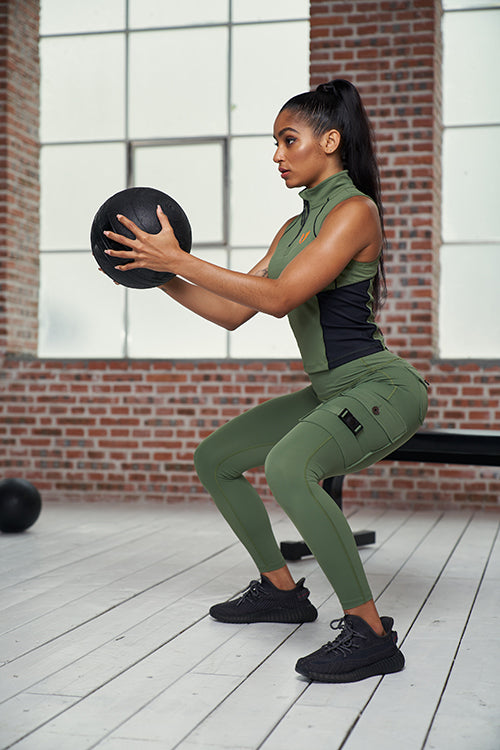
Tight gym clothes move with your body. Because they hug your shape, they do not bunch up, slide around, or get caught on equipment. This means you can squat, jump, stretch, or run without distractions. Yoga pants, for example, are tight for a reason—they allow you to bend and twist easily.
2. Sweat Control And Temperature Management
Modern gym wear is designed to wick moisture away from your skin. This keeps you dry and comfortable during intense workouts. When clothing is loose, sweat often stays on your skin or soaks into the fabric, causing discomfort.
Some tight gym clothes also help regulate your body temperature. They keep you warm during cold weather and cool when you sweat. This is especially helpful for outdoor runners or people who do high-intensity interval training.
3. Reduced Chafing
Chafing happens when your skin rubs against fabric or other skin. It is common in areas like underarms, thighs, and around the waist. Because tight gym clothes stay in place, they reduce the risk of chafing. For long-distance runners and cyclists, this is a huge advantage.
4. Injury Prevention
Tight gym wear can give gentle support to your joints and muscles. For example, compression sleeves for knees or elbows help stabilize the area, making injuries less likely. Some athletes use tight tops to support their shoulders or back during heavy lifts.
5. Increased Confidence
For many people, wearing fitted gym clothes boosts confidence. When you see your muscles working in the mirror, it can motivate you to keep going. Tight clothes also show your body’s shape, which some find empowering. Of course, this is a personal choice, and confidence can come from comfort as much as appearance.
6. Hygiene And Cleanliness
Tight gym wear often dries faster and resists bacteria better than loose cotton. This means less odor and fewer skin problems like rashes or acne. Many brands add antimicrobial treatments to their fabrics, which helps keep your clothes fresher for longer.
Credit: www.firmabs.com
The Role Of Fashion And Social Trends
Fashion plays a big part in why gym clothes are tight. Over time, fitness has become a lifestyle, not just an activity. People want to look good at the gym and outside. Brands design clothes that are both functional and stylish.
Influence Of Social Media
Fitness influencers and celebrities often show off their tight gym outfits online. This makes fitted activewear more popular, especially among younger people. The “athleisure” trend—wearing gym clothes as daily wear—has made tight leggings and tops a normal part of many wardrobes.
Body Positivity And Inclusion
Brands are now making tight gym clothes for all body types. There is a growing movement to celebrate all shapes and sizes, and fitted clothing can help with this. Some people worry about being judged in tight clothes, but others find it helps them feel proud of their progress.
The key is finding what makes you comfortable and confident.
Performance Impact: Data And Studies
It is not just a feeling—research shows that tight gym clothes can affect your workout. Here is a look at some data.
| Benefit | Compression Wear | Loose Clothing |
|---|---|---|
| Muscle Support | High | Low |
| Moisture Wicking | Excellent | Poor |
| Injury Risk | Reduced | Higher |
| Chafing | Rare | Common |
| Range of Motion | Unrestricted | Sometimes Limited |
A study published in the Journal of Sports Sciences found that athletes wearing compression wear experienced:
- Less muscle vibration during running and jumping
- Slightly faster recovery after exercise
- Lower levels of muscle soreness
While the effect is not huge, many athletes believe the difference is enough to improve their performance, especially for high-intensity or long-duration workouts.
Material Technology: What Makes Gym Clothes Tight
The tightness of gym clothes is not just about the cut. It comes from advanced materials. Here’s what you need to know about the main fabrics used in tight activewear.
Spandex (elastane/lycra)
Spandex is the key ingredient in most tight gym clothes. It can stretch up to five times its original size and then return to its shape. This makes it perfect for leggings, compression tops, and fitted shorts.
Polyester And Nylon
These materials are strong, light, and dry quickly. They do not stretch as much as spandex but give structure to the clothes. They also resist wrinkles and keep their color.
Blends
Most gym clothes use a blend of spandex with polyester or nylon. This creates a fabric that is:
- Stretchy
- Breathable
- Durable
- Moisture-wicking
Some brands add mesh panels or use special weaving techniques for extra ventilation in areas that sweat more.
Advanced Features
Modern gym wear sometimes includes:
- Antimicrobial treatment to fight odor-causing bacteria
- UV protection for outdoor activities
- Seamless designs to reduce irritation
All of these features are easier to include in tight-fitting clothing, as the fabric must stay close to your skin to work well.
Safety Considerations: When Tight Is Too Tight
Wearing tight gym clothes has many benefits, but there are risks if you go too far.
Signs Your Clothes Are Too Tight
- Red marks or deep lines on your skin after taking them off
- Numbness or tingling in your limbs
- Difficulty breathing or moving
- Skin irritation or rashes
If you notice any of these, your clothing is probably too small. This can cause problems like restricted blood flow, overheating, or even nerve issues in severe cases.
Choosing The Right Fit
Here’s how to make sure your gym clothes are the right tightness:
- Try moving: Squat, jump, and stretch in the changing room. Your clothes should move with you, not against you.
- Check for pinching: There should be no sharp discomfort or pinching at the seams.
- Look at the fabric: High-quality stretch fabrics snap back when you pull them gently.
- Mind your underwear: Sometimes, tight outerwear can make you more aware of seams or tags in your underwear. Choose smooth, seamless options for the best comfort.
Some people make the mistake of buying clothes that are too small, thinking they will “look better. ” In reality, this can lead to discomfort and even injury. Always choose the size that fits your body now, not the body you want in the future.
Psychological Effects: How Tight Gym Clothes Affect Your Mindset
What you wear to the gym can change how you feel about working out. This is called “enclothed cognition”—the idea that clothing influences your thoughts and behavior.
Motivation And Focus
Tight gym clothes can help you feel “ready” for exercise. They signal to your brain that it is time to be active. For some, seeing muscle definition in fitted clothes boosts motivation. For others, the support from compression wear helps them focus on their movements.
Body Image Concerns
Not everyone feels good in tight clothes. Some people worry about being judged or feel self-conscious about their shape. It is important to choose clothing that makes you feel confident, whether that means tight, loose, or somewhere in between. Remember, most people at the gym are focused on their own workout, not on what others are wearing.
The Importance Of Personal Comfort
Comfort is key. If tight gym clothes distract you or make you uncomfortable, try a looser fit or layer a tank top over fitted leggings. The best gym wear is what helps you perform your best—not what looks best on social media.
Comparing Tight Vs. Loose Gym Clothes
To understand the difference, let’s compare the two styles in detail.
| Feature | Tight Gym Clothes | Loose Gym Clothes |
|---|---|---|
| Support | Excellent muscle and joint support | Minimal support |
| Moisture Management | High (wicks sweat away) | Medium to low |
| Range of Motion | Unrestricted (if proper fit) | Can get in the way during some movements |
| Risk of Chafing | Low | High (fabric rubs against skin) |
| Appearance | Highlights body shape | May hide body lines |
| Temperature Control | Good in both hot and cold | Can trap heat, slow drying |
As you can see, tight gym clothes offer many performance benefits, while loose clothes can sometimes get in the way. However, some workouts (like martial arts or dance) may use looser clothing for better movement or tradition.
Tips For Choosing The Right Tight Gym Clothes
Finding the best gym wear for you takes a bit of trial and error. Here are practical tips to help you choose:
- Check the stretch: Look for at least 10-20% spandex in leggings or fitted tops for real flexibility.
- Read reviews: People often mention if clothing runs small or large.
- Look for flat seams: These reduce irritation during long workouts.
- Try before you buy: Move around in the changing room to test comfort.
- Consider your activity: Runners may prefer compression leggings, while weightlifters might want a snug top and looser shorts.
- Mind the waistband: A high, wide waistband can prevent leggings from slipping down.
- Choose darker colors: If you worry about sweat marks or see-through fabric, darker shades are safer.
- Think about layering: If you feel exposed, add a loose tank or T-shirt over your fitted clothes.
- Check for squat-proof fabric: Especially for leggings, make sure the fabric is not see-through when stretched.
- Don’t sacrifice comfort for looks: The best gym wear is the one you want to wear again and again.
Common Mistakes When Buying Tight Gym Clothes
Even experienced gym-goers can make mistakes. Here are some to avoid:
- Buying too small: Hoping to “slim into” your clothes rarely works and can hurt your performance.
- Ignoring care instructions: Some fabrics need gentle washing. High heat can ruin the stretch.
- Not checking opacity: Always check if leggings or tops become see-through when you bend or stretch.
- Focusing only on style: It’s tempting to buy what looks good on Instagram, but function is more important.
- Overlooking sports bras: For women, a properly fitted sports bra is essential. Don’t just buy based on looks; check support and comfort.
- Skipping a try-on: Sizing can vary by brand. Always try before you buy if possible.
- Forgetting about ventilation: Some tight clothes can trap heat. Look for mesh panels or moisture-wicking fabric if you sweat a lot.
Why Not All Gym Clothes Are Tight
While tight gym clothes are popular, they are not the only option. Some people prefer loose clothing for reasons like:
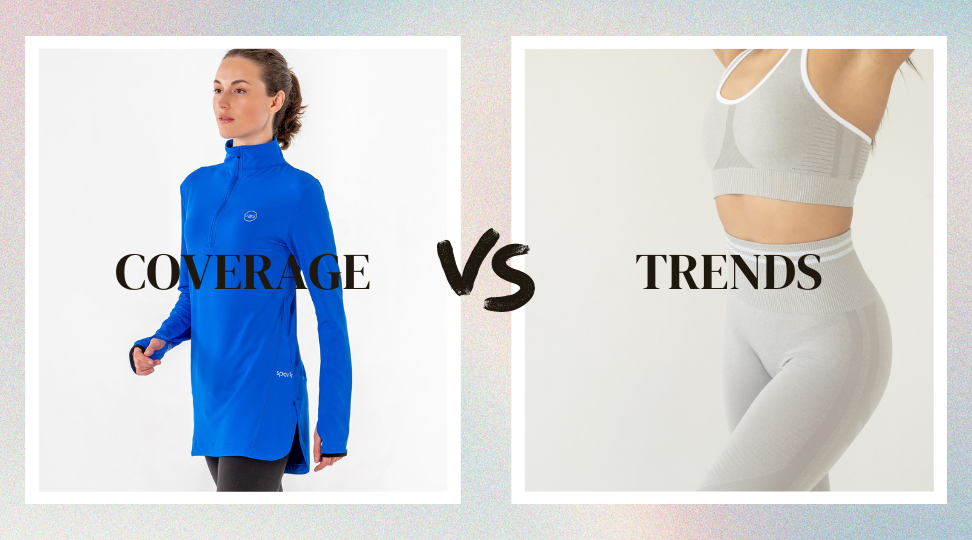
- Religious or cultural modesty
- Personal comfort
- Body confidence
- Certain sports traditions
For example, martial arts often use loose uniforms, and some dance or team sports prefer relaxed fits. It is important to respect your own needs and background when choosing gym wear.
Environmental Impact: The Downside Of Tight Gym Clothes
One area many people forget is the environmental cost. Most tight gym wear is made from synthetic materials like polyester and spandex. These are derived from oil and take a long time to break down in nature.
Key Points
- Microfiber pollution: Washing synthetic gym clothes releases tiny fibers into water systems.
- Difficult to recycle: Most blends are not easily recyclable.
- Growing eco-friendly options: Some brands now use recycled materials or biodegradable fabrics.
If you care about the environment, look for brands that prioritize sustainability, use recycled content, or have take-back programs.

Credit: www.nytimes.com
Gender And Body Shape: Tight Gym Clothes For Everyone?
The fitness industry is changing. In the past, tight gym wear was marketed mostly to women. Now, men’s tight gym clothes—like compression shirts, shorts, and tights—are common. Brands offer fitted options for all body shapes and sizes.
For Women
- Leggings, sports bras, and fitted tops are most popular.
- High-waisted leggings offer tummy support.
- Compression sports bras provide bounce control for high-impact activities.
For Men
- Compression shorts and tights support muscles during running or weightlifting.
- Fitted shirts highlight upper body shape and reduce chafing.
- Some men choose tight gym wear for support under looser shorts or pants.
For All Body Types
- The best brands offer a range of sizes and fits.
- Some use contouring seams to create a flattering shape.
- Others focus on comfort and function for every body.
No one “has to” wear tight gym clothes. The right choice is what helps you move, feel good, and reach your goals.
Price Vs. Quality: Are Expensive Tight Gym Clothes Worth It?
You might wonder if you need to spend a lot to get good tight gym wear. Here’s what to consider:
- Higher price often means better fabric: More spandex, better stitching, and advanced features.
- Cheap options may lose shape: Low-quality leggings can become baggy or see-through after a few washes.
- Invest in basics: If you work out often, a few high-quality pieces will last longer and feel better.
- Watch for sales: Many top brands offer discounts at certain times.
Sometimes, expensive gym wear is just about the brand name. Check fabric content, reviews, and try items on to decide what is worth your money.
Credit: www.veilgarments.com
Insights Beginners Usually Miss
Here are two important things many beginners do not realize:
- Not all “compression” is the same: Some brands use the word “compression” for any tight clothing. True compression wear is designed with medical or performance benefits in mind. If support and recovery are important, look for certified compression gear.
- How you wash tight gym clothes matters: Hot water and dryers can ruin the stretch. Always follow care instructions to keep your clothes fitting well and lasting longer.
And here is a third insight: Layering is your friend. If you feel uncomfortable in just tight clothes, layer with a looser shirt or jacket. You get all the benefits without feeling exposed.
The Future Of Tight Gym Clothes
Technology is making gym wear even smarter. New materials are being developed that:
- Adjust tightness based on movement
- Track sweat and hydration levels
- Use recycled or plant-based fibers
As fitness trends change, gym wear will keep evolving. But the main goal will always be the same: to help you move better, feel better, and stay healthy.
If you want to learn more about how compression wear works and its benefits, check out this detailed overview from Wikipedia.
Choosing the right gym wear is a personal journey. Tight clothes are popular because they work well and look good for many people, but they are not the only option. The most important thing is to find what helps you feel strong, comfortable, and motivated—whether that is tight, loose, or a mix of both.
Frequently Asked Questions
Why Are Tight Gym Clothes Better Than Loose Ones?
Tight gym clothes offer better muscle support, reduce chafing, and help control sweat. They stay in place during movement, which makes them more practical for most workouts.
Can Tight Gym Clothes Cause Health Problems?
If gym clothes are too tight, they can cause restricted blood flow, numbness, or skin irritation. Always choose a snug but comfortable fit and avoid clothing that leaves deep marks or feels painful.
Are Tight Gym Clothes Only For Athletes?
No, tight gym clothes are for anyone who wants better support, comfort, and performance during exercise. They are helpful for both beginners and experienced athletes.
Do Tight Gym Clothes Help With Weight Loss?
Tight gym clothes do not directly cause weight loss. However, they can help you feel more motivated and comfortable during workouts, which might encourage you to exercise more often.
How Do I Know If My Gym Clothes Are Too Tight?
If you feel pain, numbness, or have trouble moving freely, your clothes are probably too tight. Look for red marks on your skin after removing them. The right fit should be snug but not uncomfortable.
