

Gym Clothes Ideas for Men: Top Styles to Boost Your Workout
Looking good at the gym is not just about style—it’s about comfort, confidence, and performance. The right gym clothes for men can help you move better, stay cool, and even motivate you to push harder. But with so many options, it’s easy to get confused.
Should you choose cotton or synthetic? Tight or loose? How do you mix function with fashion? This guide is here to help you find gym clothes ideas that fit your needs, goals, and personal taste—whether you’re lifting weights, running, or just starting out.
Understanding What Makes Great Gym Clothes For Men
Before you start picking outfits, it’s important to know what really matters in gym clothes. The best gym wear should:
- Let your skin breathe so you stay cool
- Wick sweat away to keep you dry
- Stretch to let you move freely
- Fit well without being too tight or too loose
- Last long through many washes
Many men think any old t-shirt and shorts are enough. But modern fabrics and designs can make a huge difference. For example, synthetic blends like polyester or nylon often dry faster than cotton. Some brands add mesh panels for more airflow.
And a good fit prevents chafing—a big problem if you work out often.
One insight many beginners miss: wearing gym-specific clothes can improve your workout mindset. When you dress for the gym, you mentally prepare to focus and perform better. It’s not just about looking good—it’s about feeling ready.
Essential Tops For Every Workout
Choosing the right top is more than just picking a t-shirt. Different workouts and seasons need different styles.
1. Performance T-shirts
Moisture-wicking t-shirts are the most popular gym top. They pull sweat away from your skin, which helps you avoid that sticky feeling. Look for polyester, nylon, or blends with spandex for stretch.
Performance shirts come in slim, regular, and loose fits. Slim fits can show off your physique and are great for weightlifting, while regular fits are more comfortable for cardio or general workouts.
2. Sleeveless Tanks
Tank tops are ideal for hot gyms or outdoor summer workouts. They give your arms more freedom and keep you cooler. Choose tanks with wide armholes and soft seams to avoid irritation.
Men who train hard often prefer tanks because they allow more movement for exercises like pull-ups or overhead presses. Tanks also help you see your form in the mirror, which is useful for improving technique.
3. Long-sleeve Workout Shirts
Long-sleeve tops are useful for running outdoors or warming up. Look for lightweight, stretchy fabrics. Some long sleeves include thumb holes to keep the sleeves in place.
Long sleeves can also protect your skin from the sun if you exercise outside. Some brands add UV protection to their fabrics for extra safety.
4. Compression Shirts
Compression tops fit tightly and support your muscles. They can help reduce fatigue and improve blood flow. Many athletes wear them under regular shirts or alone.
Compression wear is not just for looks. It’s especially helpful during high-intensity workouts, as it keeps muscles warm and reduces muscle vibration, which may help with faster recovery.
5. Hoodies And Sweatshirts
Hoodies are perfect for warming up or cooling down. They keep your muscles warm and help prevent injuries. Choose ones that are lightweight and breathable.
You can also use hoodies for outdoor training during cooler months. Some come with zip pockets for storing your phone or keys.

Credit: www.youtube.com
The Best Bottoms For Gym Performance
Just like your tops, your bottoms need to match your workout style.
1. Training Shorts
Gym shorts are a staple for most men. Look for shorts with moisture-wicking fabric, a flexible waistband, and a length that suits your activity. For weightlifting, a mid-thigh length gives the best range of motion.
Some shorts have built-in liners for extra comfort and support. Pockets with zippers are useful for keeping valuables safe.
2. Running Shorts
Running shorts are lighter and often shorter than training shorts. They usually have mesh panels for better airflow and split sides for easier movement.
If you run often, pick shorts with reflective details for safety and a key pocket for convenience.
3. Compression Shorts
Compression shorts provide muscle support and help reduce chafing. Many men wear them under regular shorts, but you can also wear them alone.
Compression shorts are especially good for intense leg workouts, sprinting, or cycling. They help with blood flow and can reduce muscle soreness after training.
4. Joggers
Joggers are slim-fitting sweatpants with elastic cuffs. They’re great for warmups, cool-downs, or gym days when you want more coverage.
Modern joggers use lightweight, stretchy fabrics. Some have tapered legs, which means they don’t get in the way during exercises like squats or lunges.
5. Tights And Leggings
Men’s tights (sometimes called leggings) are not just for runners. They give full-leg support and are popular for yoga, stretching, and winter workouts.
Wear them on their own or under shorts. Many brands add pockets or reflective stripes for added function.
6. Classic Sweatpants
Sweatpants are comfortable and warm, ideal for low-intensity workouts or rest days. Choose pairs with adjustable drawstrings and soft fabric.
They’re not always the best for heavy sweating, but they’re perfect for chilly days or when you want to relax at home after the gym.
Choosing The Right Gym Footwear
Your shoes impact how you train and how your body feels. The right footwear supports your ankles, absorbs shock, and can even help prevent injuries.
1. Cross-training Shoes
Cross-trainers are the most versatile gym shoes. They offer good grip, support, and flexibility for different activities—lifting, running, or classes.
Look for a sturdy sole and a snug fit to avoid slipping during fast movements.
2. Running Shoes
If you do a lot of treadmill or outdoor running, use running-specific shoes. They have more cushioning and are designed to protect your joints.
Choose shoes based on your foot shape—some brands are better for flat feet, while others suit high arches. Replace your running shoes every few hundred kilometers to avoid worn-out support.
3. Lifting Shoes
Weightlifting shoes have a raised heel and rigid sole. This helps you squat deeper and keeps your posture safe during heavy lifts.
These shoes are not for running but are excellent for squats, deadlifts, and Olympic lifting. If you’re serious about strength training, investing in a pair is smart.
4. Minimalist Shoes
Barefoot or minimalist shoes have thin soles and very little cushioning. They encourage natural foot movement and can help strengthen your feet.
Use them for light training, stretching, or bodyweight exercises. They’re not ideal for heavy lifting or long runs.
Underwear And Socks: The Hidden Essentials
Many men forget that what’s under your gym clothes matters, too.
1. Athletic Underwear
Moisture-wicking underwear made for sports keeps you dry and comfortable. Avoid cotton, which absorbs sweat and can cause chafing.
Look for briefs or boxer briefs with flat seams and a snug fit. Some brands add mesh panels for more airflow.
2. Compression Underwear
Compression briefs support your muscles and reduce friction. They’re a good choice for long workouts or running.
These are also great for preventing irritation during high-repetition movements.
3. Sports Socks
Socks should be breathable and have extra padding in the heel and toe. Synthetic materials like polyester or merino wool dry faster than cotton.
Look for socks with arch support and seamless toes to avoid blisters. Some socks are made for specific sports and offer better grip inside your shoes.
Accessories To Complete Your Gym Look
Small extras can make a big difference in comfort and performance.
1. Headbands And Sweatbands
Headbands keep sweat out of your eyes, which is important for high-intensity workouts. Choose soft, stretchy bands that stay in place.
Wrist sweatbands are useful for wiping your forehead quickly during cardio or sports.
2. Gym Gloves
Training gloves protect your palms from blisters and give you a better grip. They’re especially helpful for weightlifting, pull-ups, or rowing.
Choose gloves with breathable mesh and padded palms. Make sure the wrist closure is adjustable for a secure fit.
3. Lifting Belts
Weightlifting belts support your lower back during heavy lifts. Use them for squats, deadlifts, or overhead presses with high weight.
Only wear a belt during the heaviest sets—using it all the time can weaken your core muscles.
4. Arm Sleeves
Compression sleeves help with blood flow and muscle support. They’re popular among basketball players and runners.
Some sleeves also offer UV protection for outdoor sports.
5. Gym Bags
A durable gym bag keeps your clothes, shoes, and gear organized. Look for bags with separate shoe compartments and waterproof pockets for wet clothes.
A well-designed bag saves time and stress before and after your workout.
Seasonal Gym Outfit Ideas
The weather can change your gym clothing needs. Here’s how to adjust for different seasons:
Warm Weather
- Wear lightweight, moisture-wicking tops and shorts
- Choose light colors to reflect sunlight if training outside
- Pick socks and underwear that dry quickly
Cold Weather
- Layer with a base layer (like a compression shirt), a warm top, and a hoodie or jacket
- Use joggers or tights under shorts for extra warmth
- Don’t forget gloves and a beanie if you train outdoors
Rainy Days
- Use a water-resistant jacket with zip pockets
- Wear quick-drying shoes and socks
- Bring a plastic bag to keep wet clothes separate in your gym bag
Mixing Function And Style: Outfit Ideas For Different Workouts
Gym clothes are no longer just about function—they’re about expressing your personality and feeling good. Here are some complete outfit ideas for various training styles:
Classic Weightlifting Look
- Slim-fit performance t-shirt
- Mid-thigh gym shorts with compression liner
- Weightlifting shoes
- Wrist wraps for extra support
This combination gives you support, freedom of movement, and a sharp look for heavy training days.
Cardio And Hiit Outfit
- Moisture-wicking tank top
- Lightweight running shorts
- Breathable running shoes
- Headband to manage sweat
The focus here is on staying cool and light, with clothes that dry quickly and don’t stick to your skin.
Yoga Or Stretching Ensemble
- Soft, stretchy t-shirt or tank
- Men’s leggings or tights
- Minimalist shoes or barefoot
- Compression sleeve for joint support if needed
Comfort is key for yoga—choose clothes that move with you and don’t restrict your body.
Outdoor Training Attire
- Long-sleeve performance shirt with UV protection
- Joggers or shorts with tights underneath
- Running shoes with good grip
- Lightweight cap and sports sunglasses
These choices protect you from the elements and keep you visible when training outside.
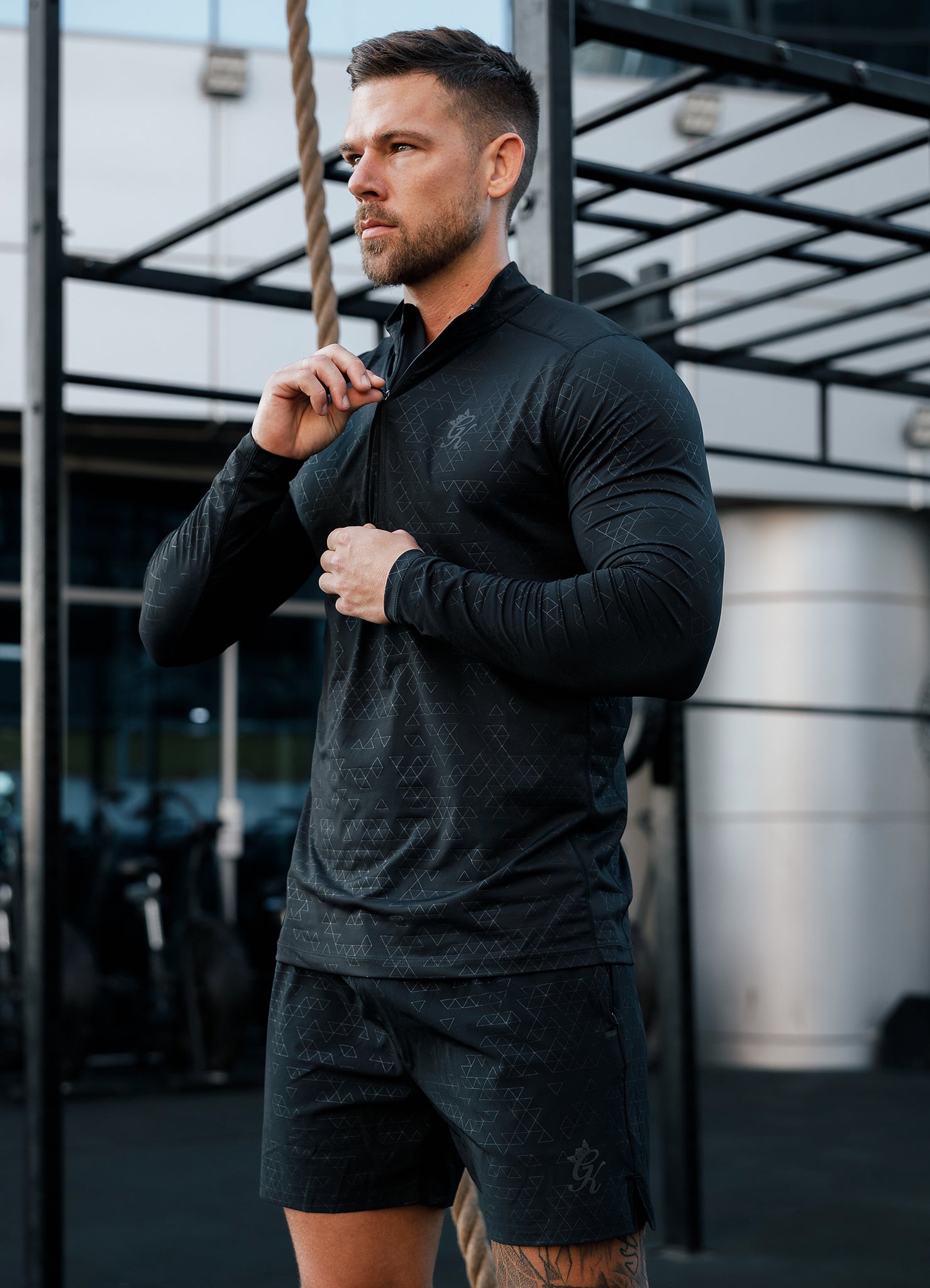
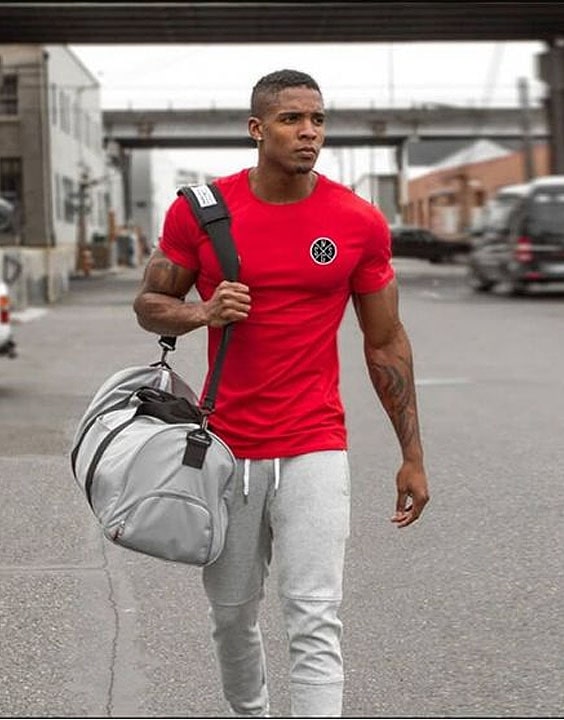
Rest Day Or Athleisure Look
- Soft hoodie or crewneck sweatshirt
- Classic sweatpants or joggers
- Casual sneakers
- Simple cap
Athleisure is now popular for everyday wear. These pieces look good and feel comfortable, even if you’re not working out.
Credit: anniesdeli.com
Comparing Gym Clothing Fabrics: Which Is Best?
Choosing the right fabric makes a big difference in comfort and performance. Here’s a direct comparison of common gym wear materials:
| Fabric | Key Features | Best Uses | Drawbacks |
|---|---|---|---|
| Polyester | Dries quickly, lightweight, durable | Most gym shirts and shorts | Can trap odors |
| Cotton | Soft, breathable, natural | Low-sweat activities, rest days | Absorbs sweat, dries slowly |
| Nylon | Smooth, stretchy, wicks moisture | Compression wear, performance gear | May pill over time |
| Spandex (Lycra) | Very stretchy, supportive | Leggings, compression shorts | Not durable alone, usually blended |
| Merino Wool | Controls odor, regulates temperature | Socks, base layers in cold | More expensive, delicate wash |
A non-obvious insight: Blends are often better than single materials. For example, polyester blended with a little spandex gives both stretch and durability. Pure cotton can feel nice, but it’s rarely the best for sweaty workouts.
Caring For Your Gym Clothes
Good gym clothes can be an investment, so take care of them to make them last longer. Here are some essential care tips:
- Wash soon after use—Sweaty clothes can breed bacteria and smell worse if left too long.
- Use cold water—Hot water can break down stretchy fibers and cause shrinking.
- Avoid fabric softener—It can coat performance fabrics and reduce their sweat-wicking ability.
- Air dry when possible—Tumble drying can wear out elastic and spandex.
- Turn clothes inside out—This protects colors and keeps logos from peeling.
Most beginners overlook the impact of laundry habits. Clothes that lose their stretch or start smelling bad are often victims of poor washing, not poor quality.
Comparing Gym Shorts: Features That Matter
Choosing gym shorts can be more complicated than it seems. Here’s a quick comparison of three popular types:
| Short Type | Main Benefit | Length | Pockets | Best For |
|---|---|---|---|---|
| Training Shorts | Versatile, comfortable | 7–9 inches | Usually 2–3, sometimes zippered | General gym use |
| Running Shorts | Lightweight, airy | 5–7 inches | Minimal, often 1 small pocket | Cardio, running |
| Compression Shorts | Supportive, prevents chafing | Varies, usually mid-thigh | Rare, some with side pocket | Under layers, intense training |
Mistakes To Avoid When Choosing Gym Clothes
Even experienced gym-goers can make clothing mistakes that affect comfort or performance. Here are some common issues:
- Choosing the wrong size: Too-tight clothes can restrict movement. Too-loose clothes might catch on equipment.
- Ignoring fabric: Not all “sports” clothes are equal. Always check if the fabric is breathable and wicks sweat.
- Wearing old cotton t-shirts: These soak up sweat and can cause chafing or odor.
- Neglecting footwear: The wrong shoes can lead to injury or poor performance.
- Forgetting about underwear: Regular boxers or briefs may ride up or trap sweat. Choose athletic underwear for best results.
- Not rotating gear: Wearing the same outfit too often can cause it to wear out faster and smell worse.
One extra tip: Don’t be afraid to try new brands or styles. Sometimes, a small change—like switching to compression socks—can solve problems you didn’t even know you had.
How To Build A Versatile Gym Wardrobe
You don’t need to buy everything at once. Start with the basics and add pieces as you discover what works best for you. A good starting gym wardrobe for men includes:
- 2–3 moisture-wicking t-shirts
- 2 pairs of gym shorts
- 1 pair of joggers or sweatpants
- 1–2 tank tops
- 1–2 long-sleeve tops
- 1 hoodie or sweatshirt
- 1 pair of running shoes or cross-trainers
- 2–3 pairs of athletic underwear
- 3–4 pairs of sports socks
As you train more, you can add specialty items like compression wear, lifting shoes, or accessories.
Leading Gym Clothing Brands For Men
Many brands offer excellent gym wear, but some are better known for quality and innovation. Popular options include:
- Nike: Known for high-performance fabrics and trendy designs
- Adidas: Offers a wide range of fits and styles
- Under Armour: Famous for sweat-wicking materials and compression gear
- Reebok: Good for cross-training and functional fitness
- Lululemon: Premium materials and stylish cuts
- Gymshark: Popular among younger gym-goers for modern fits
Don’t forget to check local or less-known brands—they may offer great value and unique styles.
For more details on fabric technology and how performance wear helps athletes, see this Wikipedia article about sportswear.
Credit: www.stadedembour.com
Frequently Asked Questions
What Are The Most Important Features In Gym Clothes For Men?
The most important features are moisture-wicking fabrics, a comfortable fit, and stretch for movement. Breathability and durability are also key. Choose clothes that suit your workout style and climate.
Can I Wear Cotton Clothes To The Gym?
Cotton is okay for low-sweat activities or rest days, but it’s not the best for intense workouts. It absorbs sweat and dries slowly, which can lead to discomfort and chafing. Use synthetic blends or technical fabrics for better results.
How Often Should I Replace My Gym Clothes?
Replace gym clothes when they lose their stretch, develop persistent odor, or show wear and tear. For most men, this means every few months for underwear and socks, and every year or so for tops and bottoms if you train regularly.
What’s The Difference Between Training Shoes And Running Shoes?
Training shoes are built for a mix of activities—lifting, jumping, side-to-side movement. They have a flat, stable sole. Running shoes are made for forward motion and have extra cushioning to protect your joints. Pick the type that matches your main activity.
Do I Really Need Special Gym Underwear And Socks?
Yes. Athletic underwear and socks keep you dry, prevent chafing, and support your muscles. Regular underwear can ride up or trap sweat, and cotton socks can cause blisters. Investing in gym-specific basics improves comfort and hygiene.
Looking and feeling good at the gym is about more than just appearance. The right clothes boost your confidence and performance, helping you enjoy every workout. By focusing on function, fit, and personal style, you’ll build a gym wardrobe that works as hard as you do.
