

What is Considered Business Casual: Dress Codes Explained
What Is Considered Business Casual
Choosing the right clothes for work can feel confusing. Many companies use the term business casual, but what does it really mean? It’s not as formal as a suit and tie, but it’s also not as relaxed as jeans and sneakers. Understanding business casual is important because it helps you fit in at your workplace, feel confident, and make a good impression.
The idea of business casual changes depending on where you work, the industry, and even the country. Some offices are stricter, while others are more relaxed. Still, business casual has some common rules. In this article, you’ll learn exactly what counts as business casual, how it’s different from other dress codes, and how to choose the right clothes for your job.
You’ll also see real examples, practical tips, and answers to common questions.
Defining Business Casual
Business casual is a mix between formal business attire and everyday casual clothes. It lets you look professional without being overdressed. You’re expected to look neat, tidy, and ready for work, but not stiff or uncomfortable.
Most people agree that business casual means:
- No suits or ties required
- No ripped jeans or gym clothes
- Clean, pressed, well-fitted clothing
- Simple, polished shoes
Business casual is not an exact set of rules. It’s more like a style guide. You can show your personality, but you still need to look professional. For example, you might wear a dress shirt without a tie, or a skirt with a simple blouse.
How Business Casual Differs From Other Dress Codes
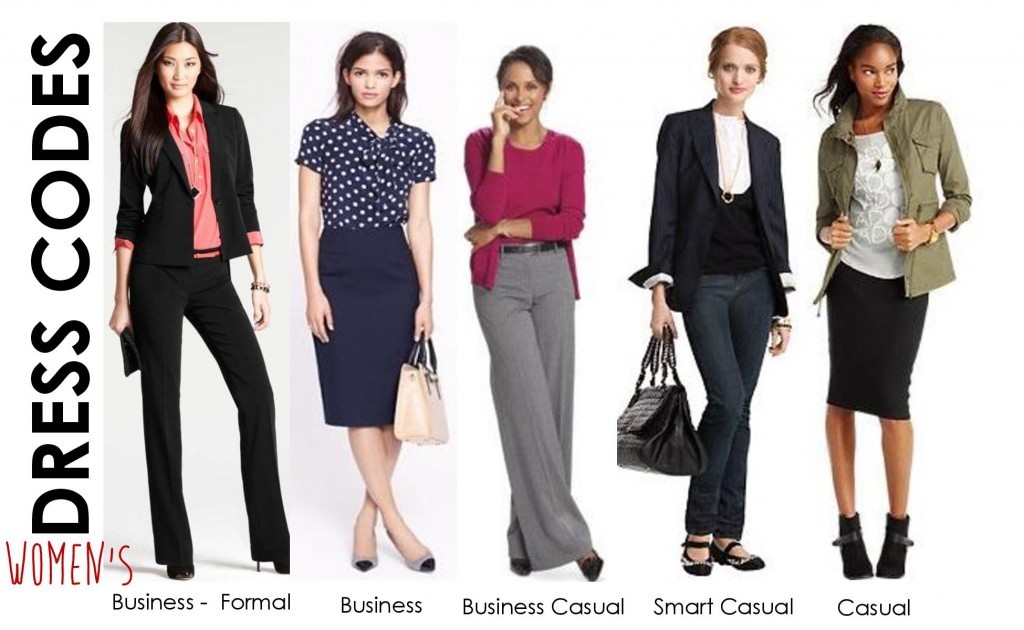
There are several workplace dress codes. Here’s how business casual compares to others:
| Dress Code | Typical Clothing | Formality Level |
|---|---|---|
| Formal Business | Suits, ties, dress shoes | Very High |
| Business Casual | Dress shirts, slacks, skirts, loafers | Medium |
| Smart Casual | Polished jeans, blazers, stylish tops | Medium-Low |
| Casual | T-shirts, jeans, sneakers | Low |
Business casual is more relaxed than formal business, but more polished than casual or smart casual. It strikes a balance between comfort and professionalism.
Core Elements Of Business Casual
To build a business casual wardrobe, focus on a few key pieces. These are the foundation of business casual style.
Tops
For men, button-down shirts and polo shirts are common. Avoid shirts with loud patterns or logos. For women, blouses, cardigans, and simple sweaters are popular. Sleeveless tops are sometimes allowed, but spaghetti straps or low-cut styles are not.
Bottoms
Men usually wear slacks, chinos, or dark-colored trousers. Jeans are sometimes allowed, but only if they’re dark, not ripped, and well-fitted. Women can wear dress pants, skirts, or tailored trousers. Skirts should be knee-length or longer.
Dresses
Women can wear business casual dresses. These should have modest necklines and lengths. Avoid flashy patterns, very tight fits, or party dresses.
Shoes
Shoes should be clean and professional. Men often wear loafers or dress shoes. Women can wear flats, low heels, or closed-toe shoes. Avoid sneakers, flip-flops, or sandals.
Outerwear
Blazers and cardigans are good choices. They add a polished look. Heavy jackets or casual hoodies are not business casual.
Accessories
Keep accessories simple. Watches, belts, and small jewelry are fine. Large, flashy jewelry or hats are not recommended.
Business Casual For Men
Choosing business casual clothes as a man is about looking neat and comfortable. Here’s a breakdown of common items:
Shirts
- Collared shirts: Both button-down and polo shirts are good choices.
- Sweaters: Simple, solid colors work best.
- Avoid T-shirts, tank tops, or shirts with slogans.
Pants
- Dress pants: Slacks or chinos are ideal.
- Dark jeans: Only if allowed by your workplace, and never distressed.
- Shorts are not business casual.
Shoes
- Loafers
- Oxfords
- Dress boots
- Avoid athletic shoes or sandals.
Extras
- Belts: Match your belt to your shoes.
- Socks: Go for plain, dark socks.
Here’s a comparison of common business casual pants for men:
| Type | Material | When to Wear |
|---|---|---|
| Slacks | Wool, cotton blend | Most offices |
| Chinos | Cotton | Creative or tech workplaces |
| Dark Jeans | Denim | Casual Fridays |
Non-obvious Insights
- Fit matters more than brand: Well-fitted pants and shirts look more professional than expensive but baggy clothes.
- Ironing counts: Wrinkled clothes can make even business casual look sloppy.
Business Casual For Women
Women have more choices, but business casual still has clear rules.
Tops
- Blouses: Solid colors or simple prints
- Button-down shirts
- Sweaters and cardigans
- Avoid crop tops or see-through fabrics.
Bottoms
- Dress pants: Straight or slim fit
- Skirts: Knee-length or longer, pencil or A-line
- Dark jeans: Only if allowed and paired with a dressy top
Dresses
- Sheath dresses
- Wrap dresses
- Avoid party dresses or mini skirts.
Shoes
- Flats
- Low heels
- Simple boots
- Avoid sneakers or open-toe sandals.
Accessories
- Small jewelry: Earrings, necklaces, bracelets
- Neutral bags
- Avoid large, colorful accessories.
Here’s a comparison of common business casual shoes for women:
| Shoe Type | Comfort | Professional Look |
|---|---|---|
| Flats | High | Medium-High |
| Low Heels | Medium | High |
| Boots | Medium-High | Medium |
Non-obvious Insights
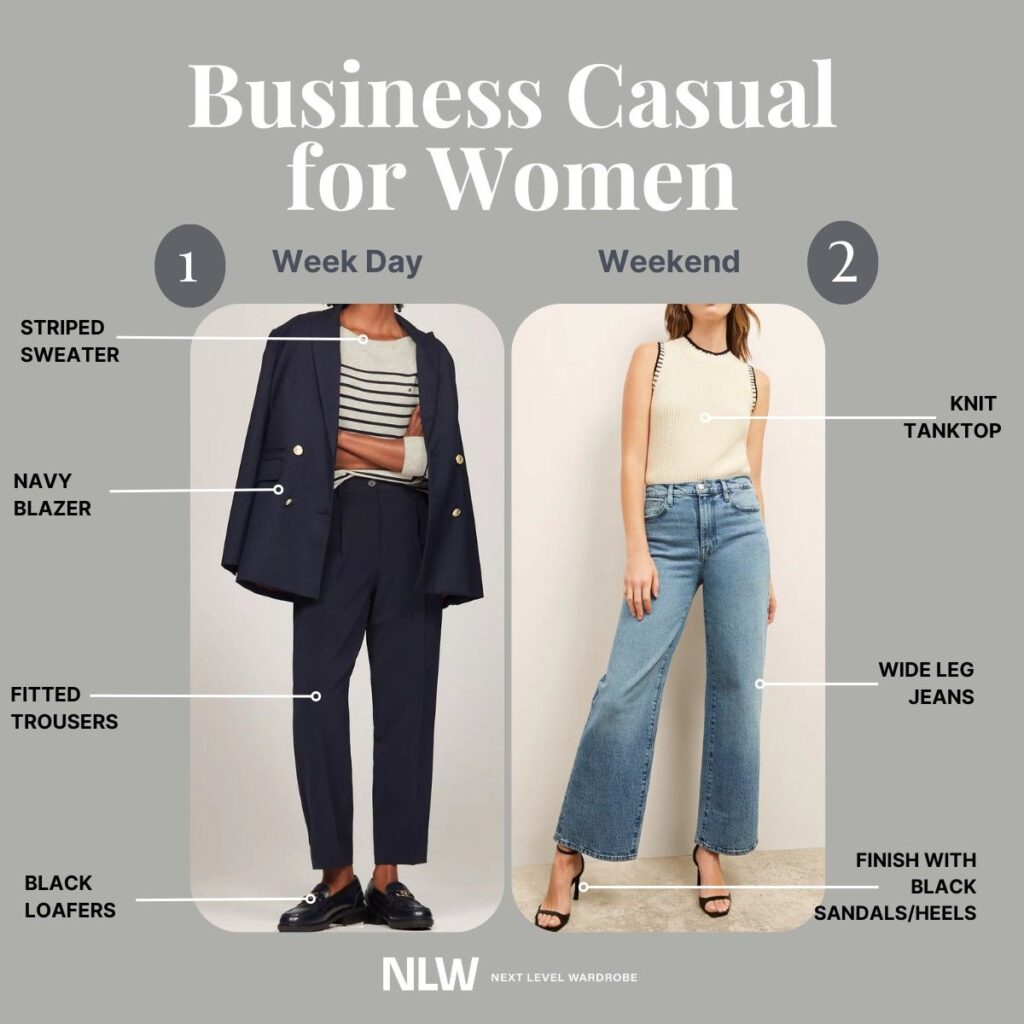
- Layering helps: Cardigans or blazers can turn a simple outfit into business casual.
- Pattern control: Too many patterns make an outfit look less professional.
Credit: gardner-webb.edu
Business Casual For Different Industries
The meaning of business casual changes by industry. What’s fine in a tech startup may not be okay in a law office.
Corporate Offices
Most corporate offices expect classic business casual. Men wear slacks and collared shirts. Women choose dress pants, skirts, or dresses.
Creative And Tech Companies
These workplaces are more relaxed. Dark jeans and stylish tops are often allowed. Sneakers might be okay, but always check the policy.
Education And Healthcare
Teachers and healthcare workers often wear business casual. Comfort is important. Closed-toe shoes, neat tops, and slacks are common.
Retail And Hospitality
Front desk staff often wear business casual. Clean, simple clothes with good fit are important. Employees should avoid bright colors and flashy accessories.
Regional And Cultural Differences
Business casual is not the same everywhere. Some countries and regions have different expectations.
United States
The US is flexible. Dark jeans are often allowed, especially in tech and creative industries. In traditional offices, stick to slacks and collared shirts.
Europe
European business casual is more formal. Jeans are rarely allowed. Men should wear dress pants and button-down shirts. Women often wear skirts or trousers with blouses.
Asia
In Asia, business casual is quite formal. Avoid jeans or sneakers. Stick to dress pants, skirts, and simple tops.
Middle East
Modesty is important. Women should cover arms and legs. Men usually wear long sleeves and trousers.
Common Mistakes In Business Casual
Many people make errors when dressing business casual. Avoid these to look your best.
- Wearing wrinkled clothes: Always iron or steam your clothes.
- Choosing overly casual items: T-shirts, hoodies, and shorts are not business casual.
- Over-accessorizing: Keep jewelry and bags simple.
- Ignoring fit: Clothes that are too tight or too loose don’t look professional.
- Neglecting shoes: Dirty or worn-out shoes ruin your look.
- Showing too much skin: Avoid short skirts, low-cut tops, or sleeveless shirts unless your office allows them.
Seasonal Business Casual
Dressing for business casual changes with the seasons. Here’s how to stay comfortable and professional.
Summer
- Choose light fabrics like cotton or linen.
- Women can wear capri pants or knee-length skirts.
- Men can wear short-sleeved shirts, but avoid polo shirts in strict offices.
- Avoid flip-flops or sandals.
Winter
- Layer with cardigans or blazers.
- Wear dark colors and heavier fabrics.
- Boots are acceptable if they’re clean and simple.
Spring And Fall
- Mix light and heavy fabrics.
- Add layers that you can remove if needed.
- Choose neutral colors.
Business Casual For Remote Work
Many people now work from home, but video calls still require business casual.
- Wear a collared shirt or blouse for meetings.
- Avoid pajamas or overly casual tops.
- Simple backgrounds and neat appearance matter.
Some companies have relaxed rules for remote work, but dressing business casual can help you feel more professional and focused.
How To Build A Business Casual Wardrobe
Building a business casual wardrobe doesn’t have to be expensive. Start with basics and add pieces over time.
- Buy neutral colors: Black, navy, gray, and beige match with everything.
- Invest in quality basics: One or two dress pants, a few shirts, and a pair of good shoes.
- Add layers: Cardigans and blazers help you create new outfits.
- Choose simple accessories: Belts, watches, and small jewelry.
- Check fit: Clothes should fit your body comfortably.
Here’s a sample starter wardrobe for business casual:
- 2 pairs of slacks or dress pants
- 3 collared shirts or blouses
- 1 cardigan or blazer
- 1 pair of loafers or flats
- 1 simple belt
Business Casual For Plus Size And Petite
Finding business casual clothes that fit well can be harder for plus size and petite people. The key is to look for tailored fits and avoid baggy or overly tight clothing.
- Plus size: Choose structured jackets, straight-leg pants, and avoid clingy fabrics.
- Petite: Look for cropped pants, fitted shirts, and avoid long skirts.
Many stores now offer business casual clothes for different body types. Try pieces on, or use tailoring to get a perfect fit.
Business Casual And Gender Identity
Workplaces are becoming more inclusive. Business casual can be adapted for different gender identities. The focus should be on neat, professional, and comfortable clothing.
- Choose pieces that match your style and identity.
- Mix and match: Blazers, dress pants, and blouses are for everyone.
- Avoid judgmental attitudes. Professionalism is about respect.
Credit: nextlevelwardrobe.com
Business Casual Vs. Smart Casual
Some offices mention smart casual. It’s close to business casual, but usually more relaxed.
| Business Casual | Smart Casual |
|---|---|
| Dress pants, collared shirts | Polished jeans, stylish tops |
| Loafers, flats | Sneakers, boots |
| Minimal accessories | More personal style |
If your company allows smart casual, you can wear jeans and trendy shoes, but still avoid sloppy clothes.
How To Ask About Business Casual
If you’re not sure what counts as business casual at your workplace, it’s okay to ask. Here’s how:
- Check the employee handbook or dress code policy.
- Look at what others wear, especially managers.
- Ask HR or your supervisor for guidance.
- When in doubt, dress slightly more formal than others.

Credit: www.hockerty.com
Business Casual For Interviews
Many job interviews ask for business casual. This means you should look neat and professional, but not overdressed.
- Men: Wear dress pants, a button-down shirt, and loafers.
- Women: Wear dress pants or a skirt, a blouse, and flats.
- Avoid flashy colors or patterns.
First impressions matter. Dressing business casual shows respect and seriousness.
Business Casual And Company Culture
Some companies use business casual to show they are relaxed and modern. Others use it to create a professional environment. Understanding the culture helps you dress correctly.
- Traditional companies: Stick to classic business casual.
- Creative companies: Add more personal style.
- Startups: Sometimes allow jeans and sneakers.
Company culture influences business casual. Always observe and adapt.
The Impact Of Business Casual
Business casual has changed workplaces. It helps employees feel comfortable and confident. Productivity can increase when people are not distracted by uncomfortable clothes.
A survey by LinkedIn found that 61% of professionals prefer business casual over formal dress codes. Many feel they can express themselves while still looking professional.
However, business casual also creates confusion. Without clear rules, employees may struggle to know what’s allowed. That’s why it’s important for companies to communicate their dress code clearly.
Real-life Examples Of Business Casual
Let’s look at some real examples:
- Office worker: Wears navy slacks, a light blue button-down shirt, brown loafers, and a belt.
- Teacher: Wears a knee-length skirt, a cardigan, simple flats, and small earrings.
- Tech employee: Wears dark jeans, a gray polo shirt, and clean sneakers (if allowed).
- Receptionist: Wears a sheath dress, blazer, and closed-toe shoes.
These examples show how business casual can look in different jobs.
Business Casual For Different Ages
Business casual is flexible for all ages. Younger employees may choose trendy colors or patterns. Older employees may stick to classic styles.
- Young professionals: Slim-fit pants, stylish blouses, simple accessories.
- Older professionals: Straight-leg pants, button-down shirts, classic shoes.
Age does not limit business casual. The focus is on professionalism and comfort.
Tips For Maintaining Business Casual Clothing
Keeping your clothes in good condition helps you look professional.
- Wash clothes regularly and follow care instructions.
- Iron or steam shirts and pants.
- Store shoes properly to avoid scuffs.
- Repair small damages quickly.
Maintaining your clothes is just as important as choosing them.
Business Casual And Sustainability
Many people now choose eco-friendly business casual clothes. Look for brands that use sustainable fabrics or ethical production. Quality clothes last longer and reduce waste.
Some companies offer clothing swaps or support sustainable brands. This is a growing trend in business casual.
Business Casual For Special Events
Sometimes, you need business casual for company events or conferences. Dress a bit more formal than usual.
- Men: Add a blazer or wear a dress shirt.
- Women: Wear a dress or add a structured jacket.
- Avoid jeans, even if allowed in the office.
Special events require extra attention to detail.
Business Casual For Travel
If you travel for work, pack smart. Choose clothes that don’t wrinkle easily and match with different outfits.
- Neutral colors
- Light fabrics
- Comfortable shoes
Packing for business casual is about flexibility and convenience.
Frequently Asked Questions
What Is Not Allowed In Business Casual?
Business casual does not allow gym clothes, shorts, flip-flops, or ripped jeans. Avoid T-shirts with logos or graphics. Always choose clean, well-fitted, and professional clothing.
Can I Wear Jeans In Business Casual?
You can wear dark, well-fitted jeans if your company allows it. Avoid jeans with holes, rips, or faded colors. Pair jeans with a collared shirt or blouse.
Are Sneakers Okay For Business Casual?
Sneakers are usually not allowed in traditional business casual. Some creative companies accept clean, simple sneakers. Always check your company policy before wearing them.
How Do I Know If My Outfit Is Business Casual?
Ask yourself if your outfit looks neat, tidy, and professional. Avoid anything you would wear to a party or the gym. Check the company dress code or ask HR if you’re unsure.
What If My Company Does Not Have A Clear Dress Code?
When there’s no clear dress code, observe what your colleagues wear. Dress slightly more formal until you’re sure. You can also ask your supervisor for advice. Visit Business News Daily for more workplace dress code tips.
Fitting into business casual is not hard once you know the basics. It helps you look professional and feel comfortable at work. Adapt your style for your workplace, industry, and personal taste. Remember, business casual is about respect, confidence, and making a good impression—no matter where you work.
