

Business Casual vs Casual: Key Differences Explained
Business Casual Vs Casual: How To Dress Smart And Comfortable
The way you dress at work or in social settings sends a message. It can affect how people see you, how confident you feel, and even how you perform. Two popular dress codes today are business casual and casual. Many people find these styles confusing because the rules are not always clear. You might wonder, “Is a polo shirt business casual? Can I wear jeans to work?” Understanding the difference between these two styles can help you choose the right outfit, feel comfortable, and look professional.
This article explains everything you need to know about business casual vs casual. You’ll learn how each style looks, what clothes are included, and when to wear them. Real-life examples, practical tips, and common mistakes are included, so you can dress with confidence. We’ll also compare both dress codes with tables, show how they apply in different industries, and answer frequent questions. Whether you’re starting a new job, going to an interview, or just want to improve your wardrobe, this guide will help you make smart choices.
What Is Business Casual?
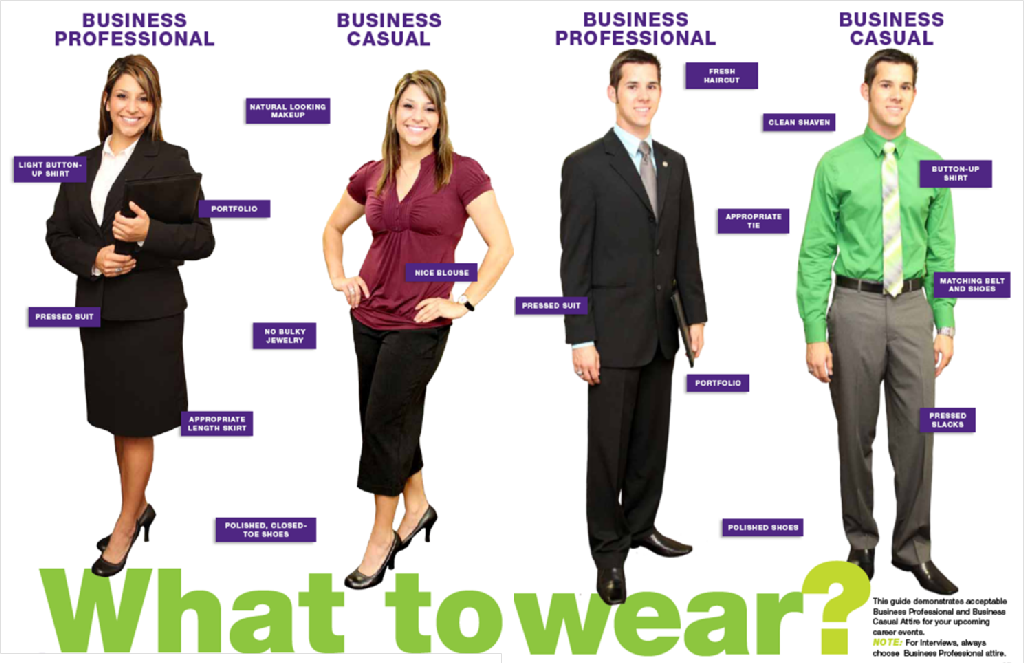
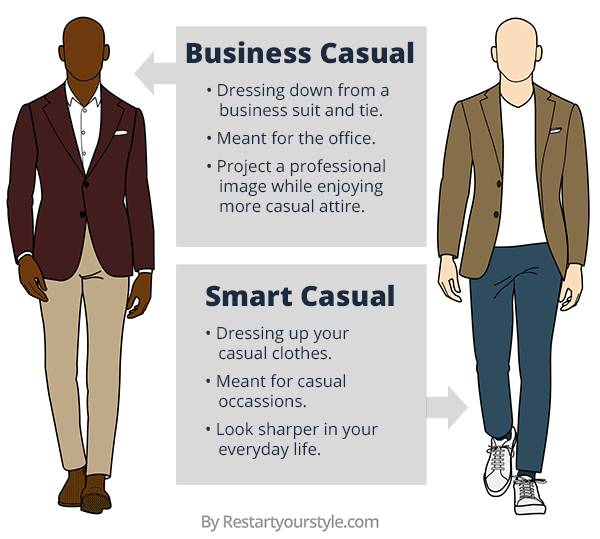
Business casual is a style of dress that combines professional clothing with a more relaxed look. It is less formal than traditional business attire (like suits and ties), but more polished than casual wear.
Key Features Of Business Casual
- Clean, neat, and well-fitted clothes
- Not too formal, but still looks professional
- Avoids loud prints or flashy accessories
- Allows for comfort while maintaining a smart appearance
Typical Business Casual Clothing
For Men:
- Collared shirts (button-down or polo)
- Slacks or chinos (not jeans)
- Dress shoes or loafers
- Sweaters or blazers (optional)
- Belt
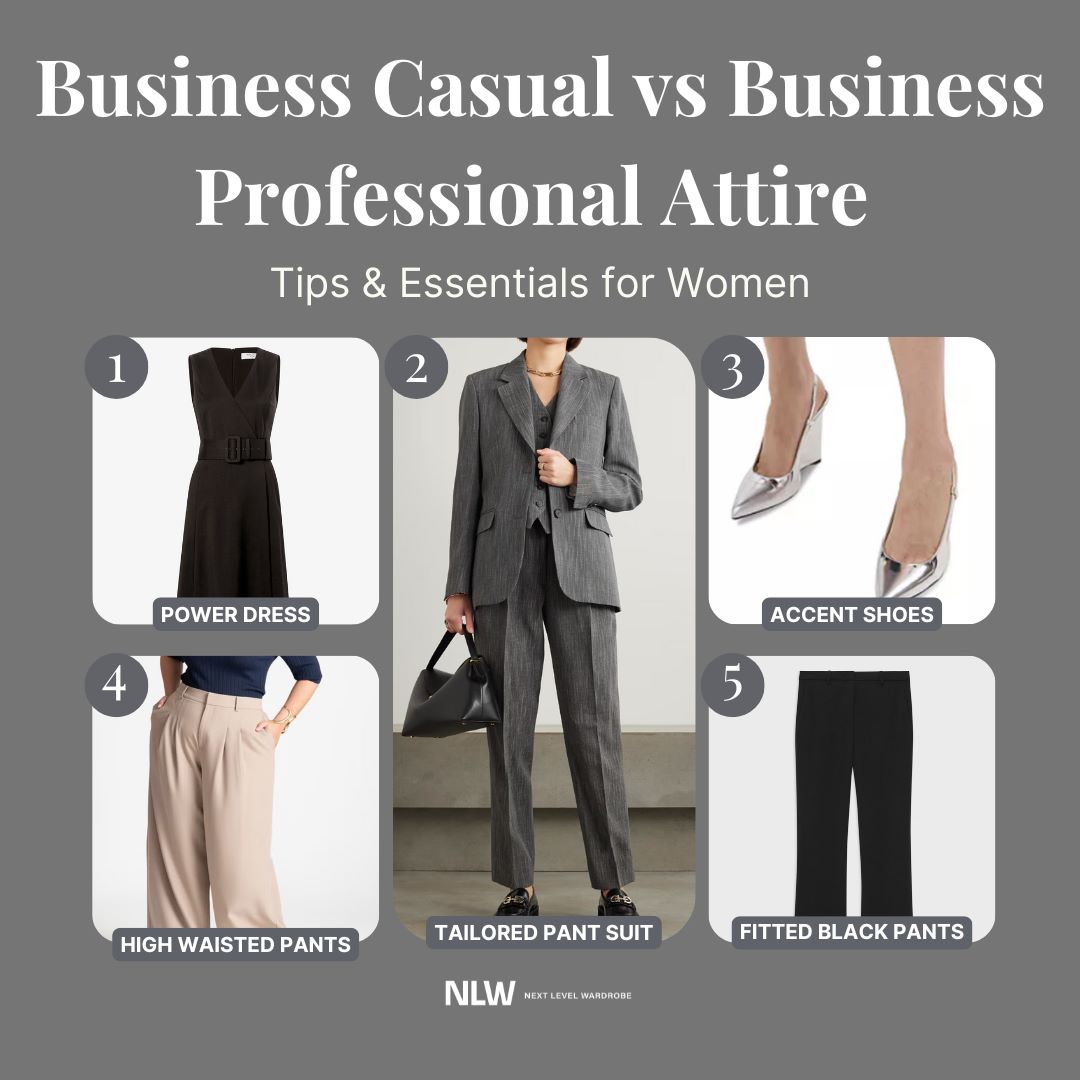
For Women:
- Blouses or tops (not t-shirts)
- Dress pants, skirts, or tailored dresses
- Flats, loafers, or low heels
- Cardigans or blazers (optional)
- Modest accessories
Examples Of Business Casual Outfits
- A light blue button-down shirt, beige chinos, brown loafers
- A navy blouse, gray dress pants, black flats
- A white polo shirt, khaki slacks, dark belt
What To Avoid In Business Casual
- Athletic shoes, sandals, flip-flops
- T-shirts with prints or logos
- Ripped or faded jeans
- Short skirts or revealing tops
Why Business Casual Matters
Many companies want employees to look professional but not too stiff. Business casual helps balance comfort and professionalism. It is common in offices, meetings, and networking events. According to a survey by the Society for Human Resource Management, about 50% of US companies use business casual as their standard dress code.
What Is Casual?
Casual dress is the most relaxed style. It lets you express your personality and feel comfortable. Casual clothes are usually worn outside of work, at home, or in places where there are no strict dress rules.
Key Features Of Casual
- Comfortable, easy-to-wear clothes
- No restrictions on colors or patterns
- Allows jeans, sneakers, and t-shirts
- More freedom to mix styles
Typical Casual Clothing
For Men:
- T-shirts or casual shirts
- Jeans or shorts
- Sneakers or sandals
- Hoodies or sweaters
For Women:
- T-shirts, tank tops, or casual blouses
- Jeans, shorts, leggings, casual skirts
- Sneakers, sandals, or flats
- Cardigans, sweatshirts
Examples Of Casual Outfits
- Blue jeans, graphic t-shirt, white sneakers
- Black leggings, loose sweater, slip-on shoes
- Denim shorts, tank top, flip-flops
What To Avoid In Casual
- Not much is forbidden, but dirty, damaged, or inappropriate clothes should be avoided
- Clothes with offensive prints or messages
Where Casual Is Worn
Casual is popular in social gatherings, weekends, shopping, and informal work environments. Some tech companies even allow casual dress every day. According to a poll by Gallup, 60% of US employees say their workplace has a relaxed or casual dress code.
Credit: www.morganhunter.com
Business Casual Vs Casual: Main Differences
The line between business casual and casual can be unclear, especially as workplace dress codes become more flexible. Here’s a clear comparison:
| Aspect | Business Casual | Casual |
|---|---|---|
| Formality | Moderately formal | Very relaxed |
| Clothing Types | Collared shirts, slacks, blouses | T-shirts, jeans, sneakers |
| Footwear | Dress shoes, loafers | Sneakers, sandals |
| Accessories | Simple, modest | Anything goes |
| Workplace Suitability | Most offices, meetings | Startups, creative fields, home |
| Comfort Level | Balanced comfort | Maximum comfort |
When To Wear Business Casual
Knowing when to wear business casual is important. It is usually the best choice for:
- Job interviews (unless told otherwise)
- Office environments (except for very formal or very casual companies)
- Business meetings
- Networking events
- Conferences
Some industries, like finance or law, expect business casual every day. Others may allow casual dress except for special events.
Signs That Business Casual Is Required
- Dress code sent by HR or management
- Company policies mention “business casual”
- Industry standards (corporate, government, etc.)
If you’re unsure, choose business casual. It is better to look slightly more formal than less.
Credit: nextlevelwardrobe.com
When To Wear Casual
Casual dress is best for situations where comfort is most important and professionalism is not required. Examples include:
- Weekend outings
- Home or remote work (if allowed)
- Creative agencies or tech startups
- Picnics, parties, informal gatherings
Casual is also acceptable when the company explicitly says so, or on “casual Fridays. ”
Signs That Casual Is Appropriate
- No dress code or guidance from company
- Workplace culture is informal
- You see others wearing jeans, t-shirts, sneakers
If you’re unsure, check with HR or observe what others wear.
Business Casual Vs Casual In Different Industries
Dress codes can change based on the industry. Here’s how business casual and casual look in various fields:
| Industry | Business Casual Example | Casual Example |
|---|---|---|
| Finance | Dress pants, button-down shirt, loafers | Rarely allowed |
| Tech | Polo shirt, chinos, sneakers | Jeans, t-shirt, hoodie |
| Education | Skirt, blouse, flats | Jeans, sweater, sneakers |
| Creative | Patterned shirt, slim pants, stylish shoes | Casual dress, artistic accessories |
| Retail | Black pants, polo, comfortable shoes | T-shirt, jeans, sneakers |
How Companies Set Dress Codes
Dress codes are often set to match the company’s image and culture. Some factors that influence dress codes:
- Industry standards
- Company branding
- Client expectations
- Location (urban vs rural)
- Size of company
Large, traditional companies often prefer business casual, while startups and creative agencies may allow casual dress.
How Dress Codes Are Communicated
- Employee handbooks
- Orientation sessions
- Email announcements
- Signs in the office
If you don’t see clear guidance, ask your manager or HR.
Pros And Cons Of Business Casual
Business casual is popular, but it has both advantages and drawbacks.
Pros
- Looks professional without being uncomfortable
- Makes a good impression in meetings
- Easy to transition from work to social events
- Offers more variety than strict business attire
Cons
- Can be confusing—rules change by company
- May limit self-expression
- Harder to find suitable clothing for some people
- Not as comfortable as casual dress
Pros And Cons Of Casual
Casual dress is loved for its comfort, but it also has some downsides.
Pros
- Maximum comfort and freedom
- Allows self-expression and creativity
- Saves money on expensive clothes
- Easy to match and wear
Cons
- May look unprofessional in business settings
- Can lead to misunderstandings about seriousness
- Some casual clothes are not suitable for work
- Risk of appearing sloppy or careless
Tips For Choosing Between Business Casual And Casual
Making the right choice depends on the situation, company, and your goals. Here are practical tips:
- Check the dress code: Always look for guidance from your employer.
- Observe others: See what colleagues wear daily.
- Err on the side of formality: If unsure, choose business casual.
- Invest in basics: Buy neutral colors and classic items.
- Personalize smartly: Use accessories to show personality without breaking rules.
- Keep clothes clean and neat: Even casual clothes should be tidy.
- Avoid extremes: Don’t wear overly formal or overly casual items unless the company allows it.
Common Mistakes In Business Casual And Casual Dress
Many people make mistakes because the rules are unclear. Here are some you should avoid:
Business Casual Mistakes
- Wearing jeans when not allowed
- Using athletic shoes or sneakers
- Choosing shirts with bold prints or logos
- Not tucking in shirts when required
- Wearing wrinkled or stained clothes
Casual Mistakes
- Wearing dirty, ripped, or inappropriate clothes
- Using offensive graphics or language on t-shirts
- Forgetting to check company policy for casual days
- Mixing too many styles (e.g., gym wear with office wear)
How To Build A Business Casual Wardrobe
Building a smart wardrobe is easy if you focus on essentials. Here’s a basic list for both men and women:
For Men:
- 3–4 button-down shirts (neutral colors)
- 2–3 pairs of slacks or chinos
- 2 pairs of loafers or dress shoes
- 1–2 sweaters or cardigans
- 1 blazer (optional)
For Women:
- 3–4 blouses or tops (modest styles)
- 2–3 pairs of dress pants or skirts
- 2 pairs of flats or low heels
- 1–2 cardigans or blazers
- 1–2 dresses (knee-length or longer)
Shopping Tips
- Choose quality over quantity
- Stick to classic colors like navy, black, gray, beige
- Try clothes before buying to check fit
- Avoid trends that may look dated quickly
How To Build A Casual Wardrobe
Casual wardrobes are more flexible. Focus on comfort and versatility.
For Men:
- 3–4 t-shirts (plain or graphic)
- 2 pairs of jeans, 1 pair of shorts
- 2 pairs of sneakers or casual shoes
- 1 hoodie or sweater
For Women:
- 3–4 t-shirts or casual tops
- 2 pairs of jeans, leggings, or shorts
- 2 pairs of sneakers, sandals, or flats
- 1–2 cardigans or sweatshirts
Shopping Tips
- Mix and match pieces for different looks
- Choose durable fabrics
- Pick colors and patterns you like
- Buy clothes for your climate and lifestyle
Special Cases: Business Casual Vs Casual In Remote Work
Remote work has changed dress codes. Many companies allow casual dress at home, but some expect business casual for video calls.
Remote Work Tips
- Keep a business casual shirt or blouse ready for meetings
- Wear comfortable pants not visible on camera
- Avoid pajamas or gym clothes during work hours
- Maintain a neat appearance even when working from home
Impact Of Dress Codes On Performance
Studies show that what you wear can affect how you feel and work. Wearing business casual may increase confidence and focus. Casual dress can boost creativity and comfort. A study from Northwestern University found that people wearing professional clothes performed better in tasks that required attention.
Non-obvious Insights
- Dress codes are signals: They show respect for the company and its values.
- Dress can affect mood: Wearing smart clothes can make you feel more capable.
- Changing styles is common: Many companies update their dress codes as culture shifts.
Business Casual Vs Casual: Real-life Examples
Let’s look at two real stories:
- A young accountant wore casual jeans and a t-shirt to her first day. She felt out of place when everyone else dressed in business casual. She learned that observing others and asking HR is important before starting.
- A software developer worked in a startup with a casual dress code. He started wearing business casual to meetings with clients, which helped him earn respect and new opportunities.
These examples show that knowing the difference and choosing wisely can help your career.
Business Casual Vs Casual: Quick Checklist
If you’re still unsure, use this checklist before choosing your outfit:
- Is the event formal or informal?
- Does the company have a dress code?
- Will you meet clients or managers?
- What do colleagues wear?
- Do you need to make a strong impression?
- Is comfort more important than appearance?
Business Casual Vs Casual: At A Glance
Here’s a quick summary in a visual table:
| Criteria | Business Casual | Casual |
|---|---|---|
| Purpose | Professional but comfortable | Maximum comfort and expression |
| Common Items | Blouses, slacks, loafers | T-shirts, jeans, sneakers |
| Settings | Offices, meetings | Social, home, creative |
| Typical Mistakes | Too casual, dirty clothes | Sloppy, inappropriate prints |
| Best For | Making a good impression | Relaxing, informal events |
Credit: twkf.gov.tr
Frequently Asked Questions
Is It Okay To Wear Jeans In Business Casual?
Usually, jeans are not allowed in business casual, especially in traditional offices. Some modern workplaces may permit dark, neat jeans. Always check your company’s policy or ask HR before wearing jeans.
Can Sneakers Be Worn With Business Casual?
Most of the time, sneakers are not considered business casual. Stick to dress shoes, loafers, or flats. Some creative or tech companies may allow clean, simple sneakers. When in doubt, choose more formal shoes.
How Do I Know If My Outfit Is Too Casual For Work?
A good rule is to avoid t-shirts, shorts, and athletic shoes in business settings. If your clothes could be worn to the gym or beach, they are probably too casual. Aim for neat, modest, and professional-looking items.
What If My Company Has No Dress Code?
If there’s no dress code, observe what others wear or ask your manager. It’s safer to start with business casual and adjust later. Looking polished shows respect and professionalism.
Does Business Casual Mean I Must Wear A Blazer?
No, a blazer is optional in business casual. You can wear a sweater, cardigan, or just a collared shirt. Blazers are good for meetings or events where you want to look more formal.
The way you dress matters. Understanding the difference between business casual and casual helps you feel comfortable and look your best. By following these guidelines, observing your workplace, and making smart choices, you can avoid mistakes and create a wardrobe that suits your needs. For more insights on dress codes, check out Britannica’s Dress Code Guide. Remember, your outfit is a tool—use it to show your confidence, personality, and respect for others.
