

Is Business Casual a Suit? Decoding Modern Office Dress Codes
Is Business Casual A Suit
When you receive a meeting invite marked “business casual,” confusion can set in. Is a suit still expected, or is it too formal? The truth is, the line between business casual and traditional business attire is not always clear. Offices, industries, and even countries all see business casual a little differently. Yet, it’s a dress code that comes up everywhere—from job interviews to conferences, tech startups to law firms. So, is business casual a suit? The answer is more complex than most people think. Let’s break down what business casual really means, when a suit fits in, and how you can confidently dress for any situation labeled “business casual.”
What Does "business Casual" Mean?
Business casual is one of the most misunderstood dress codes. It sits between formal business wear (like a full suit and tie) and casual outfits (like jeans and T-shirts). The goal is to look neat, professional, and approachable—but not too relaxed or too stiff.
A classic business casual look for men usually means:
- Dress pants or chinos
- Collared shirt (button-down or polo)
- Optional blazer or sport coat
- Leather shoes (not sneakers)
- No tie required
For women, it can include:
- Tailored pants or knee-length skirt
- Blouse or dressy top
- Cardigan or blazer (optional)
- Closed-toe flats, loafers, or low heels
The key is that business casual avoids extremes. It’s not as formal as a suit and tie, but more polished than everyday casual wear. The challenge is that there is no single, fixed definition. Some companies expect a blazer, others are fine with just a neat shirt and pants. It’s always smart to check the company's culture or ask HR if you’re unsure.
The Suit: Business Casual Or Not?
When you think of a suit, you usually imagine a matching jacket and trousers, often paired with a dress shirt and tie. Traditionally, this is considered business formal or professional attire.
So, is a suit business casual? The answer depends on several factors:
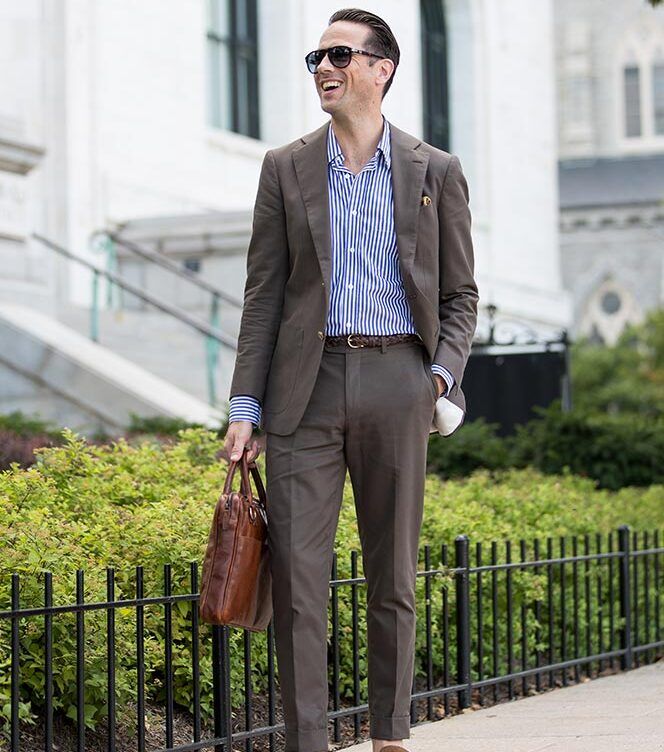
- The Suit Itself: A dark, formal suit with a tie is almost always too formal for true business casual. However, a lighter suit, or one with a more relaxed fabric (like cotton or linen), can sometimes work in business casual settings—especially if you skip the tie.
- How You Wear It: If you wear the suit jacket as a separate blazer with non-matching pants, it fits the business casual look much better.
- Industry Expectations: In some fields (like finance or law), even business casual leans more formal. In tech or creative industries, a full suit can look out of place unless it’s a special occasion.
Here’s a simple way to think of it: A full matching suit is usually not business casual, but suit separates often are. The way you style and combine pieces makes all the difference.
Key Differences: Business Casual Vs. Suit
To clear up the confusion, let’s compare business casual and a classic suit side by side. This will help you see where the lines blur and where they’re solid.
| Aspect | Business Casual | Classic Suit (Business Formal) |
|---|---|---|
| Jacket | Optional, often a blazer or sport coat | Required, matching suit jacket |
| Pants | Dress pants, chinos, or skirts | Matching suit trousers |
| Shirt | Collared shirt, sometimes polo | Dress shirt (usually white/light color) |
| Tie | Not required | Almost always required |
| Shoes | Dress shoes, loafers, or flats | Formal dress shoes (oxfords, derbies) |
| Color/Pattern | More variety, softer colors, patterns okay | Mostly solid, darker colors |
When Is A Suit Appropriate For Business Casual?
There are situations where wearing a suit, or at least part of one, works well in a business casual setting. Here’s when it’s a smart choice:
1. Suit As Separates
Wearing a suit jacket with a different pair of pants is a classic business casual look. For example, a navy blazer with tan chinos is always in style. This mix-and-match approach keeps you sharp without looking too formal.
2. Casual Or Unstructured Suits
Some suits are made with softer fabrics, have less lining, or come in lighter colors. These unstructured suits look more relaxed and can fit business casual, especially if you skip the tie and add a patterned shirt.
3. Important Meetings Or Presentations
If you have a presentation or are meeting important clients, it’s better to be a bit overdressed. Wearing a suit (perhaps without a tie) shows respect and seriousness, even in a business casual office.
4. Company Culture
If you know your company leans toward the formal side, or if leadership wears suits regularly, it’s safe to wear one. Just tone it down—no bold ties or pocket squares.
5. Transitioning From Formal To Casual
If your workplace is moving from a strict suit-and-tie dress code to business casual, you might see a mix. Some people will keep wearing suits, others will switch to separates. Both are usually fine during this adjustment period.
What Business Casual Is Not
It’s important to avoid common mistakes. Many people think business casual means “whatever you want except a suit.” That’s not true. Some things are almost never business casual:
- Jeans (unless the company specifically allows them)
- Sneakers or sandals
- T-shirts or graphic tops
- Shorts or mini-skirts
- Hoodies or sweatshirts
Even in relaxed offices, these items usually don’t fit the business casual standard.
How Business Casual Differs For Men And Women
Men and women both face challenges with business casual, but the choices and expectations are a bit different.
For Men
Men have a limited range of options, but that makes it easier. The essentials are:
- Dress pants or chinos
- Collared shirt (long or short sleeve)
- Optional blazer or sport coat
- Belt and leather shoes
Polo shirts are sometimes fine, especially in summer. If you choose a jacket, make sure it’s not part of a matching suit unless you are using separates.
For Women
Women have more flexibility, but also more decisions to make. Options include:
- Dress pants, skirts (knee-length or longer), or tailored dresses
- Blouses, sweaters, or knit tops
- Cardigans or blazers
- Closed-toe shoes (heels, flats, loafers)
Patterns and colors are generally more accepted for women. Just avoid outfits that are too revealing, overly trendy, or casual.
Why Is Business Casual So Confusing?
The term “business casual” is new compared to traditional office dress codes. It became popular as workplaces started to relax their rules to attract younger talent and encourage comfort. However, the meaning changes based on:
- Industry: Law and banking are more formal; tech and marketing are more relaxed.
- Region: What’s business casual in New York may look too dressy in California.
- Company Culture: Some companies give specific rules, others leave it open.
This flexibility is both a blessing and a curse. It allows personal style, but also creates uncertainty—especially for new hires or when visiting another company.
Business Casual Around The World
Business casual does not look the same everywhere. Here are a few examples to show how the definition shifts by region:
- United States: Chinos and button-down shirts are standard. Ties are rare.
- Europe: In some countries (like the UK), business casual is closer to business formal—think blazers and dress shoes. In others (like Sweden), it’s much more relaxed.
- Asia: Many companies still expect suits, but younger workplaces are adopting business casual—polished but less strict.
If you’re traveling or working internationally, always check local expectations.
Real-world Examples Of Business Casual Outfits
Seeing real examples makes it easier to picture what works. Here are a few go-to outfits for both men and women:
For Men
- Navy blazer, light blue button-down shirt, gray chinos, brown leather shoes
- Patterned dress shirt, dark dress pants, no jacket, black belt, loafers
- Light gray suit (worn without a tie), white shirt, black dress shoes
For Women
- Black tailored pants, white blouse, open cardigan, navy flats
- Knee-length sheath dress, neutral blazer, low heels
- Patterned blouse, navy skirt, closed-toe pumps
Notice how the focus is on neat, coordinated pieces—never overly formal or casual.
Common Business Casual Mistakes
Even experienced professionals sometimes get it wrong. Here are mistakes to avoid:
- Wearing a full suit with a tie: This is usually too formal for business casual.
- Skipping grooming: Wrinkled shirts, scuffed shoes, and messy hair ruin the look.
- Over-accessorizing: Keep jewelry, watches, and bags simple.
- Too many patterns or bright colors: One statement piece is fine; more looks unprofessional.
- Ignoring company culture: Always adjust to what people in leadership wear.
A non-obvious tip: Fit matters more than price. A well-fitted $50 blazer looks better than an expensive, baggy suit. Tailoring is worth it, even for business casual.
How To Build A Business Casual Wardrobe
You don’t need a closet full of clothes to master business casual. Focus on a few basics you can mix and match.
Essential Pieces For Men
- 2-3 pairs of dress pants or chinos (navy, gray, khaki)
- 3-4 collared shirts (white, blue, light patterns)
- 1-2 blazers or sport coats (navy, gray)
- Brown and black leather shoes
- Simple belts
Essential Pieces For Women
- 2-3 pairs of tailored pants or skirts
- 3-4 blouses/tops (white, soft colors, subtle prints)
- 1-2 blazers or cardigans
- Flats and low heels
- Structured bag
Invest in good basics. You can add color and personality with scarves, watches, or ties if allowed.
The Role Of Fabric, Color, And Fit
Fabric choice is an often-overlooked detail. Softer, less shiny fabrics (like cotton, linen, wool blends) look more relaxed and fit business casual better than stiff, shiny suit fabrics.
Color matters too. Mid-tones—like navy, gray, olive, and tan—are versatile. Bright colors or bold patterns can work as an accent, but not as the main piece.
Fit is crucial. Even a casual outfit looks sharp if it fits well. Baggy pants or tight shirts are a distraction.
Business Casual For Different Industries
The definition of business casual changes with your job. Here’s a look at how it plays out in different sectors:
| Industry | Business Casual Expectation | Suit Acceptable? |
|---|---|---|
| Finance & Law | Blazer, dress pants, button-down, dress shoes | Yes, but skip tie or use suit separates |
| Tech | Chinos, polo or neat shirt, casual shoes | Rarely, unless interviewing |
| Marketing & Media | Trendy separates, mix of smart and casual | Sometimes, unstructured suits work well |
| Education | Pants, skirts, sweaters, simple shoes | Not common |
| Healthcare (office roles) | Trouser and blouse/shirt, flats, cardigans | Rarely, unless meeting executives |
How To Adjust Business Casual For Events
Sometimes you need to tweak your business casual look for different events:
- Interviews: Always dress on the formal side of business casual—add a blazer, wear dress shoes.
- Networking events: Comfortable but smart, avoid anything too flashy.
- Company parties: You can add some personality—patterned shirts, fun accessories—but stay neat.
A good rule: If you’re not sure, it’s better to be slightly overdressed than underdressed.

Credit: hangrr.com
How Technology Changed Business Casual
Remote work and tech offices have changed business casual. In some places, “business casual” now means jeans and a T-shirt, as long as they look fresh and neat. Video meetings also focus more on how your shirt or blouse looks, less on full outfits.
But remember: When you go to the office or meet clients, the old rules still apply. Always check what’s expected. If you’re in doubt, ask your manager or a trusted coworker.
The Importance Of First Impressions
What you wear still shapes how people see you at work. Research shows that well-dressed professionals are seen as more competent and trustworthy. Even in a business casual office, wearing sharp, clean clothes can set you apart.
Don’t underestimate the power of a good outfit. It can boost your confidence and help you make a strong impression—whether you’re giving a presentation or just joining a team meeting.
Credit: hespokestyle.com
Quick Reference: Business Casual Vs. Smart Casual
People often mix up business casual and smart casual. Here’s a side-by-side look to help you tell the difference:
| Feature | Business Casual | Smart Casual |
|---|---|---|
| Formality | Professional, office-ready | Relaxed, can be worn outside work |
| Key Pieces | Dress pants, shirts, blazers | Jeans (dark), stylish tops, sneakers allowed |
| Shoes | Dress shoes, loafers | Dressy sneakers, boots |
| Accessories | Minimal, classic | Trendy, more personal style |
Two Insights Most People Miss
- The Power of Suit Separates: Most beginners think they must wear a complete suit or skip it entirely. In reality, using the suit jacket as a blazer with different pants is one of the smartest ways to look professional but not too formal.
- Fabric and Texture Matter: People often focus only on the color and type of clothing. But choosing a blazer in a textured fabric (like tweed or cotton) instead of a shiny wool suit jacket immediately makes your outfit more business casual.
Understanding these details helps you look more polished and fit the business casual dress code—even when others are confused.
When In Doubt, Ask
If you are ever unsure what “business casual” means at your company or for a specific event, just ask. A quick email to HR or a simple question to your manager shows you care about fitting in. Most companies would rather you ask than show up over- or underdressed.
You can also check the company’s website or employee handbook for a dress code policy. If you want more tips, sites like Business Insider offer visual guides and examples.
The Bottom Line
So, is business casual a suit? Not exactly. A classic, matching suit is almost always too formal for business casual. However, suit separates—like wearing just the jacket, or a more relaxed, unstructured suit—are often perfect. The key is to look neat, professional, and comfortable, without being too dressed up or too laid back.
Business casual means different things in different places, but the basics are always the same: polished, clean, and office-ready, with room for a little personality. When in doubt, aim for the middle ground, and remember that fit and fabric matter as much as the clothes themselves.

Credit: blacklapel.com
Frequently Asked Questions
What Is The Main Difference Between Business Casual And A Suit?
The main difference is formality. A suit is a matching jacket and pants, usually with a tie, and is business formal. Business casual is more relaxed—think dress pants or a skirt, a nice shirt or blouse, and optional blazer, but usually no tie or matching suit.
Can I Wear A Suit Jacket With Jeans For Business Casual?
Usually, no. Jeans are not considered business casual in most offices unless your company specifically allows them. Pair your suit jacket with dress pants or chinos instead.
Is A Tie Ever Worn In Business Casual?
A tie is not required for business casual. In some conservative industries, you might see people wear one, but it’s usually optional.
Are Sneakers Okay With Business Casual?
Sneakers are not usually business casual. Stick with leather shoes, loafers, or clean flats. Some modern offices allow dressy sneakers, but always check company policy.
What Should I Avoid Wearing For Business Casual?
Avoid jeans, shorts, T-shirts, hoodies, sandals, and flashy accessories. Stick to neat, classic pieces that look professional but not formal.
Business casual does not have to be confusing. With a few basic rules and a clear understanding of what works (and what doesn’t), you can dress with confidence—and never wonder if a suit is required again.
