

How Wash Gym Clothes the Right Way for Lasting Freshness
Washing gym clothes seems simple, but many people end up with stubborn smells, faded colors, or even damaged fabrics. Gym clothes go through tough workouts—sweat, friction, and bacteria all build up fast. If you wash them the wrong way, you might ruin their special features, like moisture-wicking or stretch.
But with the right method, you can keep your workout gear fresh, looking new, and lasting much longer. In this guide, you’ll learn exactly how to wash gym clothes the right way, how to avoid common mistakes, and how to handle even the trickiest odors.
Why Washing Gym Clothes Properly Matters
Gym clothes are not like regular clothes. Most are made from synthetic fibers (like polyester, nylon, or spandex) designed to stretch, wick sweat, and dry quickly. These features help you perform better—but they also trap sweat and bacteria. If you don’t wash them correctly, you can get:
- Lingering odors that don’t go away even after washing
- Loss of stretch and fit
- Damaged moisture-wicking features
- Color fading or bleeding
- Shortened lifespan of your clothes
Washing gym clothes with the right process saves you money and keeps you comfortable and confident during workouts.
Before You Wash: Prepping Your Gym Clothes
Washing starts before you even get to the machine. How you handle your sweaty clothes after exercise makes a big difference.
Don’t Leave Clothes In The Gym Bag
Leaving sweaty clothes balled up in your gym bag or locker creates a perfect place for bacteria and mildew to grow. As soon as you can, take them out and let them air out.
Turn Clothes Inside Out
Sweat and bacteria collect mostly on the inside. Turn clothes inside out to get a deeper clean where it’s needed.
Rinse Off Excess Sweat
If your clothes are soaked with sweat, rinse them in cold water first. This helps remove salts, body oils, and bacteria before washing.
Treat Stains And Odors
Pre-treat any visible stains or especially smelly areas. You can use a gentle stain remover or even a bit of white vinegar mixed with water. Rub lightly—never scrub hard, as this can damage the fibers.
Sort By Fabric And Color
Keep synthetic gym gear separate from heavy cotton towels or jeans. Also, separate light and dark colors to avoid bleeding. This reduces friction and prevents pilling.
Credit: redhanger.com
Choosing The Right Detergent For Gym Clothes
Not all detergents are good for athletic wear. Gym clothes need something that can break down sweat, oils, and bacteria, but won’t damage technical fabrics.
Regular Detergent Vs. Sports Detergent
Sports detergents are made for synthetic fabrics and sweat. They often contain special enzymes that target body oils and odor-causing bacteria. Regular detergent might not remove smells completely.
Use The Right Amount
More detergent is not better. Too much leaves residue, which traps odors and can block moisture-wicking. Use the amount recommended by the detergent label.
Avoid Fabric Softener
Fabric softener leaves a coating on fibers. This blocks moisture-wicking and locks in odors. Skip it for all gym gear.
Look For Fragrance-free Options
If you have sensitive skin or allergies, use a fragrance-free detergent. Scented detergents can irritate skin, especially where your gym clothes fit tightly.
Detergent Comparison Table
Here’s a quick look at how different detergents compare for gym wear:
| Type | Removes Odor | Protects Fabric | Blocks Moisture-Wicking | Residue Risk |
|---|---|---|---|---|
| Regular Detergent | Medium | Medium | Sometimes | Medium |
| Sports Detergent | High | High | No | Low |
| Fabric Softener | Low | Poor | Yes | High |
The Ideal Washing Machine Settings
Your washing machine offers lots of settings. Picking the right ones is key for gym clothes.
Use Cold Water
Cold water is best for synthetic fibers. Hot water can break down elasticity, fade colors, and set odors. Cold water protects the shape and technical features.
Choose A Gentle Or Delicate Cycle
Gentle cycles reduce agitation, which means less friction and less wear. This preserves the fabric’s stretch and prevents pilling.
Load Size Matters
Don’t overload the washer. Gym clothes need room to move around, so water and detergent can reach every part. Wash a medium-sized load for the best results.
Skip The Extra Spin
Too much spinning can stretch out elastic bands and seams. Stick with a normal spin or even lower if your washer allows it.
Use A Mesh Laundry Bag
Delicate gym gear (like sports bras or compression tights) can go in a mesh laundry bag. This protects them from snagging or tangling during washing.
Credit: rockay.com
How To Wash Gym Clothes: Step-by-step
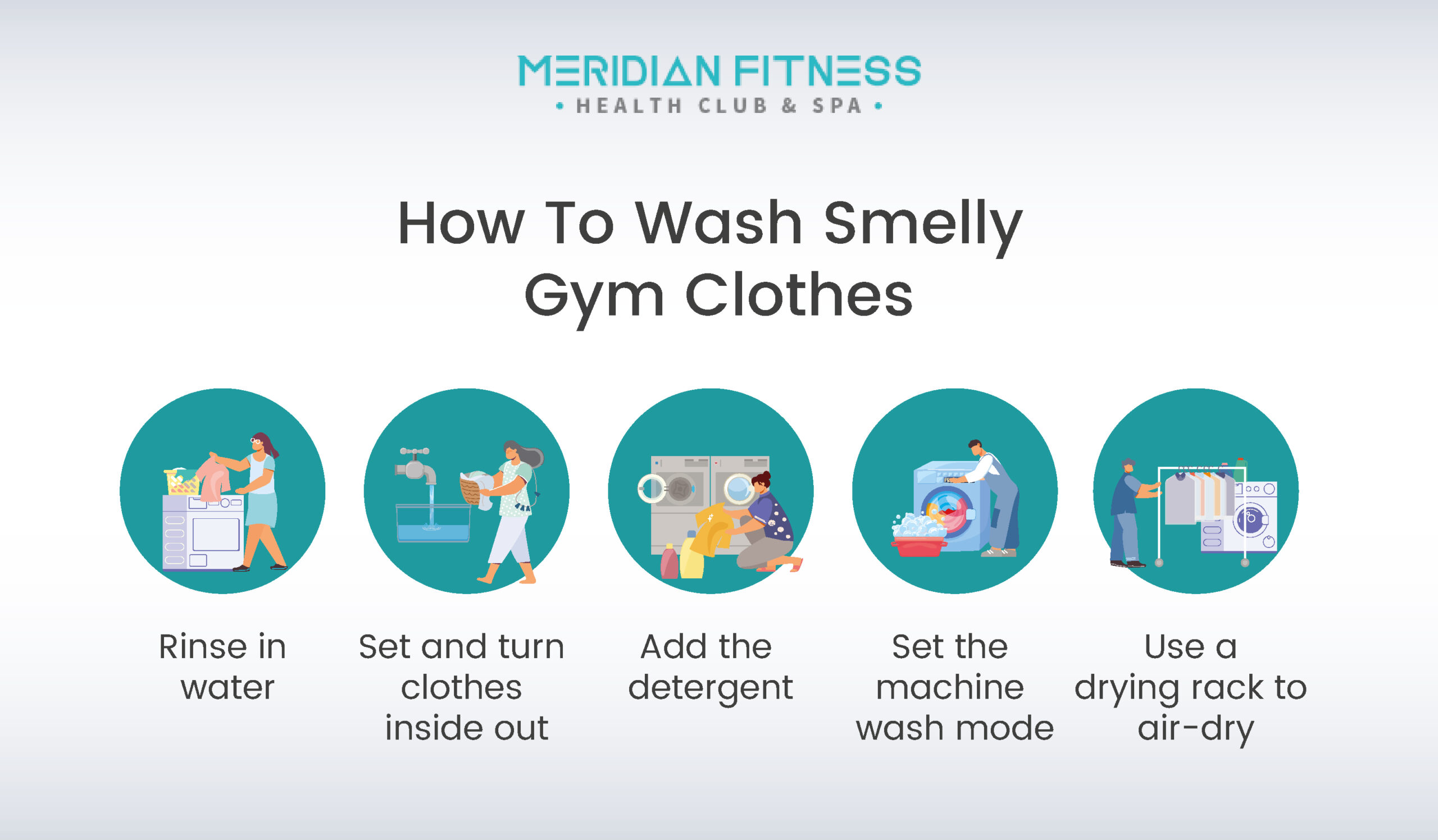
- Empty Pockets and Remove Pads: Take out anything from pockets and remove bra or cup inserts.
- Turn Clothes Inside Out: As mentioned earlier, turn everything inside out.
- Pre-Treat Stains: Apply gentle stain remover or vinegar to trouble spots.
- Choose Detergent: Use a sports detergent or a mild, residue-free detergent.
- Load Washer: Place clothes in the washer, giving them enough space.
- Set Water Temperature: Choose cold water.
- Select Cycle: Pick gentle or delicate cycle.
- Skip Fabric Softener: Never add it.
- Start Wash: Let the machine run its cycle.
- Remove Promptly: Take clothes out right after the cycle ends to prevent mildew.
Example Washing Machine Settings Table
| Setting | Recommended Option | Why |
|---|---|---|
| Water Temperature | Cold | Protects fibers, prevents fading |
| Cycle Type | Gentle/Delicate | Less friction, preserves stretch |
| Spin Speed | Low/Medium | Prevents stretching |
| Load Size | Medium | Ensures thorough cleaning |
Drying Gym Clothes The Right Way
Heat is the enemy of gym clothes. Dryers are often too harsh for synthetic fabrics.
Air Dry When Possible
Hang gym clothes to air dry. Use hangers, a drying rack, or lay them flat on a clean towel. This keeps them from shrinking or losing their stretch.
Avoid Direct Sunlight
Sun can fade colors and weaken elastic. Dry clothes in a shaded, well-ventilated spot.
Use The Dryer Only If Necessary
If you must use a dryer, pick the lowest heat setting. Remove clothes while they’re still a bit damp to finish air drying. Never use high heat.
Don’t Overdry
Overdrying breaks down fabric fibers and elastic waistbands. Check your clothes after a short drying time.
Drying Accessories
Some sports accessories (like gloves, hats, or shoes) need special care. Check their care label—most should air dry only.
Drying Method Comparison Table
| Method | Fabric Safety | Time to Dry | Odor Risk | Fading Risk |
|---|---|---|---|---|
| Air Dry (Indoors) | High | Medium | Low | Low |
| Air Dry (Sunlight) | Medium | Fast | Low | High |
| Dryer (Low Heat) | Medium | Fast | Medium | Medium |
| Dryer (High Heat) | Low | Fast | High | High |
Special Tips For Stubborn Odors
Sometimes, even after washing, gym clothes still smell. Sweat contains proteins and bacteria that can get trapped in tight weaves of synthetic fabric.
Use White Vinegar Soak
Mix one part white vinegar with four parts cold water. Soak your clothes for 30 minutes before washing. Vinegar neutralizes odors and breaks down bacteria.
Baking Soda Boost
Add half a cup of baking soda to the wash cycle. It helps deodorize and soften the water, making detergent work better.
Sunlight For Freshness
If your clothes smell musty, a brief (one-hour) exposure to morning sunlight can help kill odor-causing bacteria. Avoid midday sun to prevent fading.
Wash Right After Use
Don’t let sweat sit for days. The sooner you wash, the less likely odors will set.
Ditch The Dryer Sheets
Dryer sheets leave residue that can trap odors in synthetic fibers. Skip them for all gym gear.
Deep Clean Occasionally
Every few weeks, do a “deep clean” wash: soak your clothes in vinegar, then wash with baking soda and sports detergent. This resets your gym gear and keeps them smelling fresh.
Handling Different Types Of Gym Clothes
Not all gym clothes are the same. Each type needs special care for best results.
Moisture-wicking Tops
These tops pull sweat away from your skin. Use gentle detergent, no softener, and air dry for best performance.
Compression Wear
Compression shorts, leggings, and tops have lots of elastic. Cold water, gentle cycle, and air dry only. Heat destroys their stretch.
Sports Bras
Remove pads, close hooks, and wash in a mesh bag. Always air dry to keep shape and support.
Socks
Synthetic sports socks can hold odor. Wash inside out and use baking soda or vinegar if needed.
Outerwear (jackets, Hoodies)
Check care labels. Many can go in the machine, but air drying is safest. For waterproof gear, use a special detergent (not regular or sports detergent).
Accessories (headbands, Gloves)
Hand wash in cold water with gentle detergent. Air dry flat to keep their shape.
What To Avoid When Washing Gym Clothes
It’s easy to make mistakes that shorten the life of your gym gear. Here’s what to watch out for.
Skipping The Care Label
Always read the care label. Some gym clothes have special requirements, like “hand wash only” or “no dryer. ”
Overusing Detergent
Extra detergent doesn’t mean extra clean. It leaves residue and traps odors.
Washing With Heavy Items
Don’t wash gym clothes with towels or jeans. The rough texture causes pilling and damages the fibers.
Using Bleach
Bleach destroys synthetic fibers and makes colors fade. If you need to sanitize, use white vinegar instead.
Ironing
Never iron gym clothes. High heat melts synthetic fibers and ruins their look.
Washing Too Infrequently
Don’t wear gym clothes several times before washing. Sweat and bacteria build up fast and can damage the fabric.
How Often Should You Wash Gym Clothes?
There’s no one-size-fits-all answer, but here are some guidelines:
- After Every Workout: For anything that touches your skin, like tops, leggings, socks, and sports bras.
- Every Few Uses: For outer layers like jackets or hoodies, unless they’re sweaty or dirty.
- Special Cases: If you do a very light workout and barely sweat, you might wear once more, but this is rare.
Credit: www.meridian-fitness.co.uk
How To Store Freshly Washed Gym Clothes
Storing your gym clothes right keeps them fresh and in good shape.
Make Sure Clothes Are Fully Dry
Never store damp gym clothes. This causes mildew and musty smells.
Fold, Don’t Hang (for Stretchy Items)
Hanging stretchy gear like leggings or sports bras can stretch them out. Fold and stack them neatly.
Use A Breathable Bag
If you keep gym clothes in a bag, use a breathable mesh bag. Avoid plastic, which traps moisture.
Rotate Your Gear
If you have several sets, rotate them. This gives each set time to air out between workouts.
What To Do If Gym Clothes Still Smell After Washing
If you’ve followed all the steps and your gym gear still smells, try these extra steps:
- Soak in a vinegar and water solution before washing.
- Use a sports detergent with enzymes.
- Wash at least twice in a row (rinse, then wash again).
- Replace old gym clothes—sometimes, odors just won’t come out after a while.
- Wash your washing machine. Sometimes, a dirty washer spreads musty smells to clothes.
Eco-friendly Tips For Washing Gym Clothes
You can keep your gym wear clean and protect the environment at the same time.
Wash Full Loads
Use your washing machine efficiently—full loads save water and energy.
Use Cold Water
Cold water uses less energy and is better for gym clothes.
Skip Dryer When Possible
Air drying uses no energy and extends the life of your clothes.
Choose Eco-friendly Detergents
Some detergents are biodegradable and free from harsh chemicals.
Use A Microfiber Filter
Synthetic gym clothes can shed tiny fibers that pollute water. A special filter in your washer catches these fibers.
When To Replace Old Gym Clothes
No matter how well you care for your gym clothes, nothing lasts forever. Here’s when to replace them:
- Persistent Odors: If smells don’t go away after deep cleaning.
- Loss of Stretch: If elastic bands sag or compression wear loses support.
- Visible Wear: Holes, pilling, or faded colors that can’t be fixed.
- Reduced Performance: If sweat doesn’t wick away or fabric feels rough.
Keeping your gym gear fresh and functional helps you stay motivated and comfortable during workouts.
Frequently Asked Questions
How Can I Remove Sweat Smell From Gym Clothes?
Soak your gym clothes in a mix of white vinegar and cold water for 30 minutes before washing. Use a sports detergent and avoid fabric softener. If the smell remains, add baking soda to the wash.
Can I Wash Gym Clothes With Regular Laundry?
It’s best to wash gym clothes separately from heavy items like towels or jeans. Mixing them can cause damage and trap odors. Always sort by fabric and color.
Is It Safe To Use The Dryer For Gym Clothes?
Air drying is safest. If you use a dryer, choose the lowest heat and remove clothes while damp to finish air drying. High heat damages synthetic fibers and elastic.
What Should I Do If My Gym Clothes Still Smell After Washing?
Try a deep clean: soak clothes in vinegar and water, then wash with baking soda and sports detergent. If odors persist, it may be time to replace your gym gear.
Which Detergent Is Best For Gym Clothes?
Choose a sports detergent designed for synthetic fabrics and odor removal. Avoid fabric softeners and opt for fragrance-free if you have sensitive skin. For more on detergent types, you can check this Consumer Reports guide.
Washing gym clothes the right way keeps them fresh, helps them last longer, and protects your skin. With just a little extra care, your workout gear will keep you feeling and looking great, workout after workout.
