

Gym Clothes Ideas Men: Top Outfits for Style and Performance
Finding the right gym clothes ideas for men can make a big difference in your workout. Wearing the right gear boosts comfort, confidence, and performance. But with so many options—shorts, shirts, shoes, accessories—it’s easy to feel lost. This guide helps you choose gym clothes that fit your style, support your goals, and last through tough sessions.
Many guys wear old t-shirts and basketball shorts, thinking clothes don’t matter. But smart gym wear is not just about looks. It prevents injuries, improves movement, and keeps you cool. With new fabrics and designs, gym clothes now help you train better.
This article covers all parts of men’s gym outfits. You’ll find ideas for every type of workout: weightlifting, cardio, running, yoga, and more. We’ll also share tips most beginners miss, like how to layer for different weather, or why some fabrics are better for sweat. Get ready for practical advice and clear examples, so you can build your own gym wardrobe without stress.
Choosing The Right Gym Clothes: What Matters Most
Picking gym clothes is more than grabbing a random shirt and shorts. Here are key factors to think about before buying:
- Comfort: Clothes should let you move freely. Tight or stiff clothes can make workouts harder. Try to do a few stretches or squats in the fitting room if you’re shopping in person—this can quickly show you if something feels restrictive or uncomfortable.
- Moisture-wicking fabric: Look for materials like polyester or nylon. These pull sweat away and dry fast. This is especially important if you sweat a lot or plan to do cardio, as staying wet can cause chills, skin irritation, or even rashes.
- Breathability: Mesh panels or open-weave fabrics help air circulate, keeping you cool. Some brands use special ventilation zones under the arms or on the back to release heat from the body’s hottest areas.
- Fit: Too loose can catch on equipment; too tight restricts movement. Aim for a snug but flexible fit. Try to pinch a bit of fabric at your hips and underarms—if you can pinch about an inch, it’s usually a good balance.
- Durability: Cheap clothes tear or fade quickly. Invest in quality if you train often. Double stitching and reinforced seams add life to your gym clothes.
- Style: Feeling good in your clothes boosts confidence. Pick colors and designs you like. If you’re self-conscious, start with darker colors, which tend to be more forgiving and versatile.
- Safety: Bright colors or reflective strips help in outdoor workouts, especially if running at dusk. Some shirts have small reflective logos or piping for extra visibility.
- Layering: For cold gyms or outdoor sessions, layering is key. Choose tops and jackets you can remove easily. Look for zippers or snaps that allow you to adjust quickly when you heat up or cool down.
Beginners often miss two insights:
- Cotton absorbs sweat but dries slowly, so it’s not the best for hard workouts. If you work out in cotton, you’ll often end up feeling cold and damp.
- Baggy pants can trip you up on machines or during high-intensity moves. Close-fitting pants or shorts prevent accidental snags.
A third insight: Always check the stretch of the fabric. Some clothes look stretchy on the hanger but lose elasticity after a few washes.
Gym Shirts: Types, Materials, And Tips
The shirt is the base of your gym outfit. Here’s how to pick one:
T-shirts
T-shirts are the most popular gym top. Choose moisture-wicking fabrics, not cotton. Look for flat seams to avoid chafing.
- Fitted t-shirts: Great for weightlifting, as they don’t get caught on benches. You’ll also find it easier to check your form in the mirror.
- Loose t-shirts: Better for cardio, as they allow more airflow. These can also hide sweat stains better if you’re self-conscious.
Some shirts use anti-odor technology—this means special fibers or treatments that stop bacteria from causing smells. This is a bonus if you can’t wash your clothes right after a workout.
Tank Tops
Tank tops offer maximum breathability. They’re ideal for hot gyms or intense sessions.
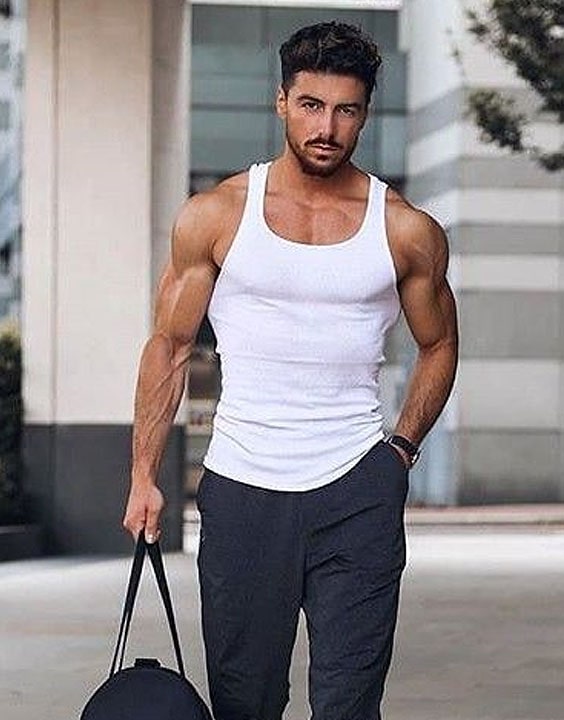
- Muscle tanks: Show off arms and provide full range of motion. They’re good for lifting or any exercise where you want to see muscle engagement.
- Stringer tanks: Very minimal, mostly for bodybuilding. These are best for advanced lifters who want to see every muscle working.
Tank tops also reduce the risk of overheating, especially if you sweat a lot or train in a gym without strong air conditioning.
Long-sleeve Gym Shirts
Long sleeves are useful for outdoor runs or cooler gyms. Some have thumbholes for extra coverage.
- Compression long sleeves: Support muscles and improve blood flow. They’re also good under t-shirts for extra warmth.
- Loose long sleeves: Good for layering. They can also double as casual wear outside the gym.
Many long-sleeve shirts now have UV protection, which is useful if you train outside.
Material Comparison
Here’s a quick comparison of common gym shirt materials:
| Material | Moisture-Wicking | Breathability | Durability |
|---|---|---|---|
| Polyester | High | Medium | High |
| Nylon | High | High | High |
| Cotton | Low | High | Medium |
| Spandex | Medium | Medium | High |
Pro tip: Try blended fabrics—polyester with a bit of spandex—for stretch and comfort. Blends often keep their shape longer and feel softer against the skin.
A practical example: If you do circuit training, a polyester-spandex blend t-shirt will handle sweat, stretching, and rapid movement better than 100% cotton.
Gym Shorts: Options, Features, And Mistakes To Avoid
Shorts are essential for most workouts. But not all shorts work for every activity.
Types Of Gym Shorts
- Running shorts: Lightweight, with built-in liners. Great for cardio. Some have split sides for more freedom in your stride.
- Training shorts: Slightly longer, ideal for weightlifting and HIIT. These often have thicker fabric and reinforced seams for durability.
- Basketball shorts: Very loose and long. Good for casual wear but can snag on equipment. Only use these if you’re doing non-technical workouts.
- Compression shorts: Tight, worn alone or under regular shorts. Support muscles and reduce chafing. They’re also good for cycling or plyometric training.
Key Features
- Elastic waistbands: Adjust to your body, avoid digging in. Some shorts also have internal drawstrings for a perfect fit.
- Zippered pockets: Useful for keys or cards. If you do treadmill work or circuit classes, secure pockets stop things from falling out.
- Quick-dry material: Keeps you comfortable. This is essential if you sweat a lot or train back-to-back sessions.
- Reflective details: Helps in outdoor workouts. Some shorts have reflective piping on the sides or back.
Another feature to look for: Gusseted crotch (extra fabric panel at the groin). This allows better movement and prevents tearing during squats or lunges.
Common Mistakes
- Wearing shorts too long for the gym can restrict movement. Your shorts should end above the knee for most activities.
- Skipping compression shorts leads to chafing during running. Even a thin layer can help prevent skin irritation.
- Ignoring pockets means nowhere to keep your stuff. Think about your workout routine—if you use headphones or need a locker key, pockets are a must.
Also, avoid shorts with heavy embellishments or zippers on the sides—they can catch on machines or cause discomfort during floor exercises.
Shorts Comparison
| Type | Best For | Length | Pockets |
|---|---|---|---|
| Running Shorts | Cardio, Running | Short | Minimal |
| Training Shorts | Weightlifting, HIIT | Medium | Often |
| Basketball Shorts | Casual, Basketball | Long | Many |
| Compression Shorts | Underlayer, Running | Tight | None |
Gym Pants And Leggings: When And Why To Wear Them
Some workouts call for pants or leggings.
Joggers
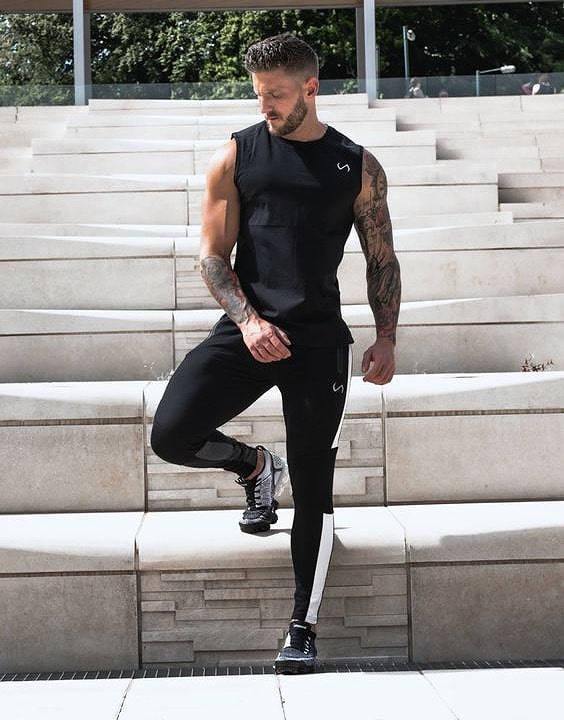
Joggers are slim-fit pants with elastic cuffs. They’re good for cooler weather or warm-ups. Look for moisture-wicking joggers if you plan to sweat.
- Fleece joggers: Warm, ideal for winter. These work well for outdoor workouts or warming up before heavy lifts.
- Lightweight joggers: Good for running or HIIT. They offer flexibility and quick drying, perfect for high-movement exercises.
Joggers often have zippered ankles for easy removal and pockets for essentials.
Sweatpants
Sweatpants are loose and comfortable. They’re perfect for stretching, yoga, or relaxed sessions.
- Cotton sweatpants: Very soft, but not moisture-wicking. Best for light training or lounging.
- Polyester sweatpants: Dry faster, better for sweaty workouts. These last longer and resist shrinking.
Avoid wearing sweatpants for intense cardio—they can hold sweat and feel heavy.
Compression Leggings
Compression leggings support muscles and boost blood flow. They’re worn alone or under shorts.
- Full-length leggings: Good for outdoor running or cold gyms. Some have mesh panels behind the knees for breathability.
- 3/4 length leggings: Offer support without covering ankles. Good for indoor workouts where you want mobility but also support.
Pro tip: Layer leggings under shorts for warmth and extra support. This also adds coverage if you feel self-conscious in tight leggings.
For yoga, softer leggings with a high waistband prevent rolling and keep you comfortable during stretches.

Credit: bilyanagolf.ru
Gym Shoes: Choosing The Right Pair
Shoes are the most important part of your gym outfit. The right pair protects your feet and helps performance.
Types Of Gym Shoes
- Running shoes: Designed for cardio and treadmill use. Light and cushioned. They often have breathable mesh uppers and extra heel support.
- Training shoes: Flat soles for stability, ideal for weightlifting. These help you push against the ground with more force.
- Cross trainers: Versatile, good for HIIT and mixed workouts. They balance cushioning and lateral support, perfect if you switch between exercises.
- Minimalist shoes: Thin soles, promote natural movement. Use these if you want to strengthen foot muscles or practice barefoot-style training.
Shoe Features
- Breathable mesh: Keeps feet cool. Look for shoes with mesh panels on top and sides.
- Cushioning: Absorbs impact. More is better for running, less for lifting.
- Flat sole: Needed for lifting weights. Avoid running shoes for squats or deadlifts—they can tip you forward.
- Grip: Prevents slipping. Check the tread pattern if you do plyometrics or agility drills.
Another tip: Replace gym shoes every 6–12 months, depending on use. Worn-out shoes lose support and increase injury risk.
Shoe Comparison
| Shoe Type | Best For | Cushioning | Stability |
|---|---|---|---|
| Running Shoes | Cardio, Treadmill | High | Medium |
| Training Shoes | Weightlifting | Medium | High |
| Cross Trainers | HIIT, Mixed | Medium | Medium |
| Minimalist Shoes | Natural Movement | Low | Low |
Non-obvious insight: Running shoes are not ideal for heavy lifts—the cushioned heel can reduce stability. Also, shoes with too much grip can make fast lateral movements harder.
Gym Accessories: Boosting Comfort And Performance
Accessories finish your gym outfit. They help with safety, convenience, and style.
Socks
Pick moisture-wicking socks to avoid blisters. Compression socks improve blood flow during cardio. Choose ankle or crew socks based on comfort and shoe height.
Merino wool socks are great if you want less odor—they naturally resist smells and stay dry.
Gloves
Gym gloves protect hands from calluses. They’re useful for weightlifting.
- Padded gloves: Extra comfort, but can be bulky. Good for heavy lifting or beginners.
- Fingerless gloves: Better grip, more control. These let you feel the bar but still protect your palms.
Some gloves have wrist wraps for extra joint support.
Headbands And Wristbands
Headbands keep sweat out of eyes. Wristbands absorb sweat and support joints. Choose wide, soft bands for maximum comfort.
Gym Bags
A good gym bag keeps clothes, shoes, and accessories organized.
- Backpacks: Easy to carry, many pockets. Great for bikes or walking commutes.
- Duffel bags: Roomy, perfect for extra shoes or towels. Some have ventilated sections for wet clothes.
Look for bags with water-resistant linings to keep gear dry.
Water Bottles
Reusable bottles are eco-friendly and keep you hydrated. Stainless steel bottles keep water cool, while plastic is lighter.
Pro tip: Choose bottles with wide mouths for easy cleaning. Some have built-in filters for tap water.
Credit: campgreenwood.org
Layering Gym Clothes: How And Why
Layering lets you adjust to temperature changes. Here’s how to do it right:
- Base layer: Moisture-wicking shirt or tank. This keeps sweat away from your skin.
- Mid layer: Lightweight hoodie or jacket. Add or remove based on your body temp.
- Outer layer: Windbreaker or rain jacket for outdoor workouts. Go for jackets with vents if you plan to sweat a lot.
Remove layers as you warm up. Choose zippered jackets for quick changes. For cold-weather cardio, neck gaiters and beanies add extra warmth.
Non-obvious insight: Layering helps prevent injuries from cold muscles. Warm muscles work better and recover faster. Start with more layers, then shed as you get moving.
Another tip: Choose thin layers over one thick item. This helps regulate temperature and manage sweat better.
Gym Clothes Ideas For Different Workouts
Each workout needs different clothes. Here are ideas for the most common types:
Weightlifting
- Fitted t-shirt or tank for free movement.
- Training shorts or joggers.
- Flat-soled shoes for stability.
- Weightlifting gloves for grip.
Add compression sleeves for extra joint support if you have elbow or knee issues.
Cardio (running, Cycling)
- Moisture-wicking tank or t-shirt.
- Running shorts with liner.
- Running shoes with good cushioning.
- Headband to manage sweat.
For cycling, padded shorts reduce discomfort on long rides.
Hiit (high-intensity Interval Training)
- Compression shirt or tank.
- Training shorts or compression shorts.
- Cross trainers for support.
- Wristbands for sweat.
HIIT routines often mix movements, so stretch fabrics and secure shoes are a must.
Yoga And Stretching
- Loose t-shirt or tank.
- Sweatpants or leggings.
- Barefoot or flexible shoes.
- Lightweight hoodie for warmth.
For yoga, seamless leggings prevent irritation during floor poses.
Outdoor Workouts
- Layered tops (base, mid, outer).
- Joggers or leggings.
- Reflective details for safety.
- Running shoes or trainers.
Bring a lightweight hat or cap for sun protection.
Gym Clothes Ideas For Different Seasons
Weather affects your gym outfit. Here’s how to dress for each season:
Warm Weather
- Tank tops or sleeveless shirts.
- Shorts (running or training).
- Lightweight shoes.
- Breathable socks.
Add a sweat towel if you train outdoors.
Cold Weather
- Long-sleeve shirts or hoodies.
- Joggers or sweatpants.
- Layered jackets.
- Warm socks.
Consider thermal base layers if temperatures drop below freezing.
Rainy Days
- Water-resistant jacket.
- Quick-dry shorts or pants.
- Cap for head protection.
Wear bright colors for visibility in low light.
Pro tip: Use synthetic fabrics in all seasons—they dry fast and don’t hold sweat. Cotton layers can make you feel colder when wet.
Gym Clothes Ideas For Body Types
Your body shape affects the best gym clothes for you.
Slim Build
- Fitted shirts highlight shape.
- Slim joggers or shorts.
- Layering adds bulk if desired.
Try textured fabrics or color blocks to add visual interest.
Muscular Build
- Stretchy tanks for comfort.
- Training shorts with wider legs.
- Compression gear supports muscles.
Go for raglan sleeves for better shoulder fit.
Larger Build
- Loose shirts avoid tightness.
- Long shorts for coverage.
- Breathable fabrics prevent overheating.
V-necks or open collars help elongate the neck visually.
Non-obvious insight: Choose dark colors if you prefer a slimmer look; lighter colors highlight muscle definition. Vertical stripes can also make you appear taller.
Gym Clothes Style Tips: Making It Personal
Style matters. Here’s how to make gym clothes fit your personality:
- Mix colors: Bright tops with neutral bottoms. This keeps your look interesting but not overwhelming.
- Try patterns: Camouflage or stripes add interest. Don’t be afraid to add a pop of color in socks or accessories.
- Add accessories: Headbands or wristbands show style. Even a unique gym bag can make your outfit stand out.
- Layer smartly: Different textures look good and help performance. For example, pair a smooth t-shirt with a fleece hoodie.
Don’t be afraid to experiment. Confidence grows when you like your outfit. If you see something you like on someone else, try it out yourself next session.
A tip for shy gym-goers: Start with subtle style changes like colored shoes or a bright water bottle before trying bold patterns.
Gym Clothes Brands: What To Look For
Many brands offer gym wear. But quality matters more than logo.
Popular Brands
- Nike: Known for innovation and style. Good for shoes and technical shirts.
- Adidas: Good for running and training. Their shorts and socks are especially popular.
- Under Armour: Strong moisture-wicking tech. Great for hot climates.
- Reebok: Focused on cross training. Their shoes work well for HIIT.
- Lululemon: Stretchy, comfortable, stylish. Their joggers and tanks are favorites.
What Matters Most
- Fabric quality: Good brands use advanced materials. Feel the fabric—thicker blends usually last longer.
- Fit: Try before you buy. Sizes vary by brand. If shopping online, check brand sizing charts.
- Price: Higher cost often means better durability. But sometimes, lesser-known brands offer similar quality at lower prices.
Pro tip: Check online reviews before buying. Look for feedback about fit and comfort. Some brands fit small or large, so reviews help avoid mistakes.
For more details on sportswear innovations, see Wikipedia.
Caring For Your Gym Clothes: Make Them Last
Gym clothes face sweat, friction, and frequent washing. Here’s how to keep them in top shape:
- Wash after every workout: Sweat damages fabric if left too long. Even if clothes don’t smell, bacteria can weaken fibers.
- Use gentle detergent: Avoid harsh chemicals. Some detergents are made for sportswear—these protect technical fabrics.
- Air dry: High heat can shrink or damage elastic. Hang your clothes or lay them flat.
- Avoid fabric softener: It clogs moisture-wicking fibers. This reduces performance and can trap odors.
- Store in a dry place: Prevents odors and mold. Avoid leaving clothes in a gym bag overnight.
Non-obvious insight: Turn clothes inside out before washing—this protects prints and keeps colors vibrant. Also, wash similar colors together to prevent fading.
A quick tip: If your gym clothes still smell after washing, soak them in white vinegar and water before the next wash.
Building A Complete Gym Wardrobe: Step-by-step Guide
Here’s how to create your own gym outfit collection.
- Start with basics: 2-3 moisture-wicking shirts, 2 pairs of shorts, 1 pair of joggers.
- Buy one pair of shoes for your main workout type.
- Add accessories: Socks, gloves, headbands.
- Get a hoodie or jacket for layering.
- Expand with compression gear and extra shorts as you find what works.
Pro tip: Try new pieces during different workouts to see what feels best. Don’t buy everything at once—build your wardrobe over time as your needs change.
If you attend group classes, notice what others wear for ideas and inspiration. Your gym wardrobe will evolve as you discover what fits your style and routine.
Frequently Asked Questions
What Is The Best Material For Gym Clothes?
The best material is polyester or nylon with moisture-wicking properties. These fabrics pull sweat away and dry fast, keeping you comfortable during workouts. Blended fabrics like polyester-spandex offer stretch and support.
How Often Should I Wash Gym Clothes?
You should wash gym clothes after every workout. Sweat and bacteria can cause odors and damage fabric if left too long. Air drying preserves the material and stops shrinking.
Are Compression Clothes Worth It?
Yes, compression clothes support muscles, improve blood flow, and reduce chafing. They’re especially useful for running, HIIT, and weightlifting. Try them as an underlayer for extra comfort.
Can I Wear Regular Clothes To The Gym?
While you can wear regular clothes, it’s not ideal. Cotton t-shirts and jeans absorb sweat and restrict movement. Gym clothes are designed for comfort, safety, and performance. Invest in proper gear for best results.
How Do I Choose The Right Gym Shoes?
Pick gym shoes based on your workout type. Use running shoes for cardio, training shoes for weightlifting, and cross trainers for mixed sessions. Make sure shoes fit well, offer support, and have good grip.
Closing Thoughts
Choosing the right gym clothes ideas for men makes every workout better. You gain comfort, confidence, and safety with smart gear. From shirts and shorts to shoes and accessories, each piece serves a purpose. Try different styles and materials to find what fits your body and goals. Remember, quality gym wear is an investment in your health. Take care of your clothes, mix and match for style, and build a wardrobe that helps you train your best. The right outfit isn’t just about looking good—it’s about feeling good and performing well every time you step into the gym.
Credit: campgreenwood.org
