

How Much Do Gym Clothes Cost? A Complete Price Breakdown
How Much Do Gym Clothes Cost
Choosing the right gym clothes can be a challenge, especially when you see prices that range from very cheap to extremely expensive. Many people wonder: How much do gym clothes really cost? The answer depends on different factors like brand, material, purpose, and where you buy them. If you’re starting your fitness journey or want to upgrade your workout wardrobe, understanding the price range is important. This can help you set a budget, avoid overpaying, and make smart choices for your needs.
Buying gym clothes is not just about style or trends. The right clothing can help you exercise more comfortably, stay safe, and even improve your performance. But with so many options, it’s easy to feel lost. Are expensive brands always better?
Can budget options last long enough? This guide explains everything you need to know about gym clothing costs, from basic T-shirts to specialized gear. We’ll look at the price ranges for each item, what makes them cost more or less, and how you can get the best value for your money.
You’ll also discover tips, mistakes to avoid, and little-known facts that can save you money and help you pick the best gym clothes for your routine.
What Affects The Cost Of Gym Clothes?
Before looking at specific prices, it helps to know what really drives the cost of gym clothes. Many beginners focus only on the brand, but several factors play a role:
- Material: Gym clothes use fabrics like cotton, polyester, spandex, and blends. High-tech materials (like moisture-wicking or anti-bacterial fabrics) cost more.
- Brand Reputation: Well-known brands usually charge higher prices for the same type of clothing, often because of marketing and brand image.
- Design and Features: Unique features such as mesh panels, extra pockets, reflective strips, or seamless construction increase the price.
- Manufacturing Standards: Ethical production, eco-friendly materials, and fair labor can make items more expensive.
- Retail Markup: Where you buy matters. Sports stores, outlets, online marketplaces, and direct brand websites all have different pricing strategies.
Non-obvious insight: Sometimes, budget-friendly gym clothes use similar materials as expensive ones, but save money by skipping extra features or design details.
Typical Price Ranges For Common Gym Clothes
Let’s break down the cost of each essential gym clothing item, so you know what to expect when shopping.
T-shirts And Tops
The most basic item in any workout wardrobe is the gym T-shirt or tank top. Prices can be very different depending on material and brand.
- Budget Range: $8–$20
- Simple cotton or polyester blends.
- Basic fit, no advanced features.
- Mid-Range: $20–$45
- Moisture-wicking, better fit, some style details.
- Premium Range: $45–$90+
- High-performance fabrics, seamless designs, odor resistance, or brand prestige.
Example: A basic polyester workout T-shirt from a discount store may cost around $12. A high-end, branded compression top with mesh ventilation could be over $60.
Tip: For most people, a mid-range top offers the best balance of quality and price. Premium brands often add style, but not always extra performance.
Sports Bras
For women, a good sports bra is essential. Prices depend on support level, materials, and brand.
- Budget: $10–$25
- Simple designs, basic support, limited sizing.
- Mid-Range: $25–$60
- Better support, moisture control, more size options.
- Premium: $60–$120+
- Advanced support for high-impact activities, adjustable features, top fabrics.
Non-obvious insight: Many cheaper sports bras lose support and elasticity after a few washes, while high-quality ones keep their shape much longer.
Shorts And Leggings
Bottoms are another key piece. Shorts and leggings range widely in price.
- Budget: $12–$25 (shorts), $15–$35 (leggings)
- Basic polyester/cotton, simple design.
- Mid-Range: $25–$55 (shorts), $35–$85 (leggings)
- Features like pockets, stretch panels, or compression.
- Premium: $55–$100+ (shorts), $85–$150+ (leggings)
- Top-tier fabrics, advanced compression, seamless design, branded.
Example: Basic gym shorts from a mass-market retailer can cost under $20. High-performance running shorts with moisture-wicking and inner liners often exceed $60.
Tip: Pay attention to the waistbands and stitching. Cheap leggings may roll down or tear at the seams after a few uses.
Sports Socks
Socks are often forgotten, but good gym socks make a difference.
- Budget: $5–$10 (per pair)
- Mid-Range: $10–$18
- Premium: $18–$35+
Non-obvious insight: Expensive socks usually offer better arch support, breathability, and durability. But for low-impact exercise, budget socks are usually fine.
Gym Shoes
Shoes are usually the most expensive part of gym clothing.
- Budget: $25–$60
- Entry-level, basic cushioning, less durable.
- Mid-Range: $60–$120
- Good support, better materials, wider range of styles.
- Premium: $120–$250+
- Advanced cushioning, top materials, famous brands.
Example: A basic pair of training shoes from a discount retailer may cost $40. High-end cross-training shoes from a top brand can reach $150 or more.
Tip: Shoes affect your comfort and risk of injury more than any other clothing. Do not buy the cheapest option unless you exercise lightly.
Jackets And Hoodies
Outer layers are important for cold weather or warm-ups.
- Budget: $20–$35
- Simple fleece or polyester, no features.
- Mid-Range: $35–$80
- Breathable, zip pockets, moisture-wicking.
- Premium: $80–$200+
- Weatherproof, wind-resistant, advanced materials.
Sports Underwear
Comfortable underwear helps avoid chafing during exercise.
- Budget: $5–$12 (per pair)
- Mid-Range: $12–$28
- Premium: $28–$50+
Accessories (headbands, Gloves, Arm Sleeves)
Extra accessories are less expensive but add up.
- Headbands: $5–$20
- Gloves: $10–$35
- Arm sleeves: $10–$30
Full Outfit Cost Comparison
To see how these costs add up, compare total prices for a typical gym outfit at different price levels.
| Item | Budget | Mid-Range | Premium |
|---|---|---|---|
| T-Shirt/Top | $12 | $35 | $70 |
| Shorts/Leggings | $20 | $60 | $120 |
| Socks | $7 | $14 | $28 |
| Shoes | $40 | $100 | $180 |
| Sports Bra/Underwear | $15 | $35 | $70 |
| Jacket/Hoodie | $25 | $60 | $130 |
| Total | $119 | $304 | $598 |
Insight: The total cost of a complete gym outfit can be as low as about $120 for budget items, or over $500 for premium gear.
Credit: www.yahoo.com
Why Do Some Gym Clothes Cost So Much?
It's natural to wonder if expensive gym clothes are really worth it. Here’s what often makes them pricier:
- Advanced Technology: Some brands use unique fabrics that dry faster, reduce odor, or increase performance.
- Research and Development: High-end brands invest in design, athlete testing, and durability.
- Brand Status: You often pay for the logo and the status of wearing a famous name.
- Sustainable Practices: Eco-friendly materials and ethical manufacturing cost more.
- Design Features: Details like laser-cut ventilation, bonded seams, and reflective safety stripes all add cost.
Example: A premium running shirt may cost $70, but use recycled fibers, be odor-resistant, and last twice as long as a $15 shirt.
Non-obvious insight: Expensive gym clothes can save you money in the long run if they last longer and perform better, but only if you actually use them often.
How To Get The Best Value For Gym Clothes
You don’t have to spend a fortune to get quality gym clothes. Here are practical tips for maximizing your budget:
Shop End-of-season Sales
Brands clear out old stock when seasons change. You can often find items at half price or less.
Buy Multipacks
Socks, underwear, and basic shirts are often cheaper in bulk.
Compare Online Vs. In-store
Online shops may offer lower prices, but be careful with unknown brands. Try to check return policies and reviews.
Choose Versatile Pieces
A neutral-colored top or leggings can match many outfits. This lets you buy fewer items but wear them more often.
Focus On Key Items
Spend more on shoes and sports bras. Go for mid-range or budget options for tops and accessories.
Take Care Of Your Clothes
Follow washing instructions. Avoid fabric softener on moisture-wicking items. This helps your clothes last longer, saving money over time.
Consider Outlet Stores
Many brands have outlets that offer past-season gear at lower prices.
Non-obvious insight: Some no-name or “store brand” gym clothes are made in the same factories as top brands, but cost much less.

Credit: www.reddit.com
How Much Should You Spend? Setting A Gym Clothes Budget
The right budget depends on your needs, exercise routine, and how often you work out.
- Occasional Exercisers: If you go to the gym once a week, start with a budget set ($60–$100 total).
- Regular Gym-Goers: If you exercise 3–5 times per week, you’ll need more outfits. Plan to spend $200–$400 for quality basics.
- Serious Athletes: Those training daily may invest $500+ for specialized gear.
Tip: Don’t buy everything at once. Start with basics, then add items as you find what you like and need.
Men Vs. Women: Are There Price Differences?
Gym clothes for men and women often have similar price ranges, but there are some differences.
- Sports Bras: Only for women, and can be a big added cost.
- Leggings: Usually more options and higher prices for women.
- Shorts: Basic men’s shorts can be cheaper, but premium running shorts are similar for both.
Non-obvious insight: Unisex or men’s workout tops and shorts are sometimes cheaper and fit well for women, especially for loose styles.
Gym Clothes For Different Sports And Activities
Not all gym clothes are the same. Prices can change depending on the type of activity.
Weightlifting
- Key gear: Compression tops, shorts, gloves, shoes with flat soles.
- Cost: Often mid-range, but specialty shoes and gloves can be expensive.
Running
- Key gear: Breathable tops, running shorts or leggings, good socks, running shoes.
- Cost: Running shoes are usually the biggest expense.
Yoga Or Pilates
- Key gear: Stretchy, soft leggings, fitted tops, and sometimes grip socks.
- Cost: Yoga leggings can be expensive, especially if made with specialty fabrics.
Cycling
- Key gear: Padded shorts, tight tops, sometimes gloves and arm sleeves.
- Cost: Padded cycling shorts are often in the premium price range.
Group Classes (hiit, Zumba, Aerobics)
- Key gear: Supportive bra, breathable top, flexible shoes.
- Cost: Shoes and bras are usually the main investment.
Tip: Don’t buy specialized gear unless you plan to do that activity regularly.
Comparing Popular Gym Clothes Brands
Some brands are famous for their gym clothes, but prices can be very different. Here’s a quick look at how a few compare:
| Brand | Typical T-Shirt Price | Leggings Price | Shoes Price |
|---|---|---|---|
| Nike | $30–$60 | $50–$120 | $90–$180 |
| Adidas | $25–$55 | $45–$110 | $80–$170 |
| Under Armour | $25–$50 | $40–$100 | $75–$160 |
| Lululemon | $50–$80 | $90–$150 | N/A |
| Old Navy | $10–$25 | $20–$40 | N/A |
| Decathlon | $8–$20 | $15–$35 | $25–$60 |
Non-obvious insight: Many mid-range brands offer quality close to premium brands, especially for basic items.
Second-hand And Sustainable Options
Buying used gym clothes or choosing sustainable brands can save money and help the environment.
- Second-hand: Thrift stores, online resale platforms, and local groups offer deep discounts. Make sure items are in good condition.
- Sustainable brands: These focus on recycled materials and ethical practices. Prices are usually mid to premium, but you help reduce waste.
Tip: Always check seams, elastic, and fabric quality when buying used.
Common Mistakes To Avoid When Shopping For Gym Clothes
- Buying Only for Looks: Trendy designs may not perform well or last long.
- Ignoring Fit: Poorly fitting clothes can cause chafing, discomfort, or limit your movement.
- Overlooking Care Instructions: Some gym clothes need special washing. Ignore this, and they wear out fast.
- Skipping Reviews: Customer reviews often reveal problems with sizing, durability, or comfort.
- Not Trying On: Sizes vary between brands. Try items or check return policies when shopping online.
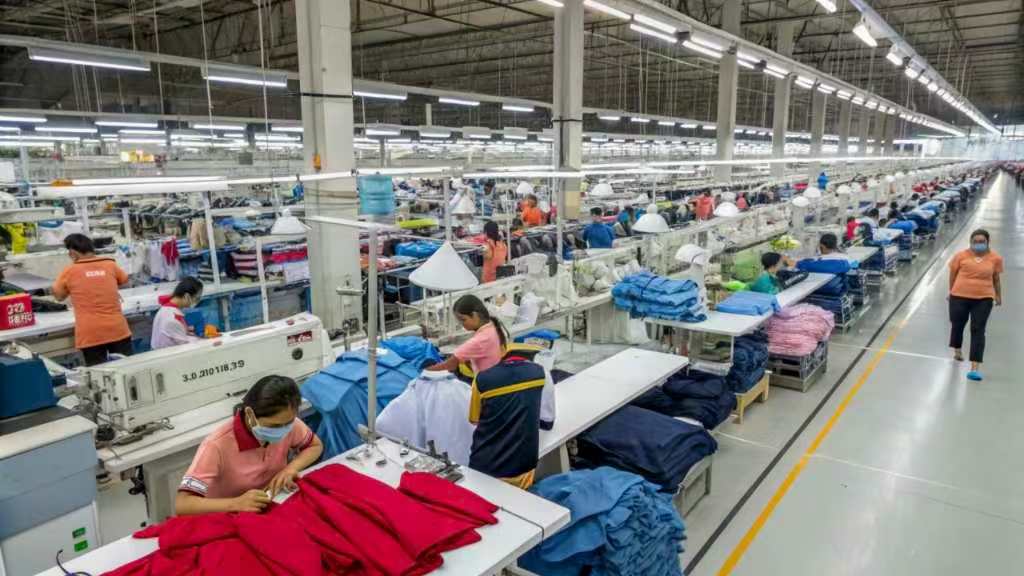
Non-obvious insight: Some “fast fashion” gym clothes look good but lose shape or stretch after just a few washes.
Credit: modaknits.com
How Long Do Gym Clothes Last?
Longevity depends on use, material, and care.
- Basic cotton T-shirts: 6 months to 1 year with regular use.
- Performance tops/leggings: 1–2 years if washed and dried properly.
- Sports bras: 6–12 months before support weakens.
- Shoes: 300–500 miles of use, or about 6 months for regular gym-goers.
Tip: Rotate your gym outfits to help them last longer.
Are Expensive Gym Clothes Worth It?
There’s no one answer for everyone. Expensive gym clothes can offer:
- Better performance: Advanced materials, better fit, more comfort.
- More durability: Last through many washes and workouts.
- Extra features: Pockets, reflective stripes, odor control.
But for most people, mid-range options give the best mix of value and quality. Only invest in premium items if you have special needs or use them often.
How To Build Your Gym Wardrobe On A Budget
You don’t need to buy everything at once. Here’s a step-by-step approach:
- Start with basics: 2–3 tops, 2 bottoms, 1 pair of shoes, 1–2 sports bras/underwear, a few pairs of socks.
- Add as you go: Buy more as you discover what you need.
- Look for deals: Use sales, outlets, and online promotions.
- Prioritize comfort: Don’t sacrifice fit for price.
Non-obvious insight: Having a few high-quality basics often works better than a large collection of low-quality items.
When To Replace Gym Clothes
Replace gym clothes when you notice:
- Loss of stretch or support (especially bras, leggings)
- Holes or worn fabric
- Bad odors that don’t wash out
- Soles of shoes wearing down
- Elastic or waistbands become loose
Paying attention to these signs helps you avoid discomfort and injury.
Frequently Asked Questions
How Much Should A Beginner Spend On Gym Clothes?
A beginner can start with a small budget—around $60 to $100 can cover basic essentials like a top, shorts or leggings, socks, and a sports bra or underwear. Focus on comfort and fit, and upgrade as you become more active.
Can Cheap Gym Clothes Be Good Quality?
Yes, some budget-friendly gym clothes offer good quality, especially for light workouts. Check for sturdy stitching, flexible material, and read reviews. Basic brands or outlets often have reliable options that last if cared for properly.
Is There A Big Difference Between Premium And Budget Gym Clothes?
Premium clothes usually have better fabrics, advanced features, and longer life. Budget items may work well for casual use but might wear out faster or not fit as comfortably. For activities like running or intense training, premium items can make a noticeable difference.
How Can I Tell If Gym Clothes Are Overpriced?
Compare materials, features, and reviews with other brands. If a brand is charging much more for similar material and design, you’re likely paying for the logo or trend. Look for useful features and durability, not just the name.
Where Can I Find More Information About Gym Clothing Materials?
You can learn more about gym clothing materials and their benefits from the Activewear page on Wikipedia. This resource explains different fabric types and their uses in sports clothing.
Getting the right gym clothes is about more than just price. By understanding what you really need and what matters most, you can build a wardrobe that helps you reach your fitness goals—without overspending or missing out on quality. Focus on the essentials, buy smart, and your workout gear will work just as hard as you do.
