

How Long Do Workout Clothes Last? Tips to Extend Their Lifespan
Workout clothes are not just a fashion statement—they are tools for comfort, performance, and safety. But how long can you expect your favorite leggings, shirts, and sports bras to last? The answer is not simple. Many factors influence the lifespan of workout gear, from fabric quality to how often you wash them.
This guide will help you understand what affects durability, how to spot signs of wear, and how to make your workout clothes last longer.
Whether you are a gym regular, runner, or just starting your fitness journey, knowing when to replace your workout clothes can make a big difference in your experience. Wearing worn-out gear can lead to discomfort, skin irritation, and even injury.
Let’s explore the key points you need to know about the longevity of athletic wear, backed by real data and practical advice.
What Determines The Lifespan Of Workout Clothes?
Several elements influence how long workout clothes last. It’s not just about how often you wear them—materials, care, and even your workout intensity all play a role. The way you handle your athletic gear both during and after exercise can change how many months you get from each piece.
Fabric Quality And Type
The material your workout clothes are made from is the biggest factor. Synthetic fabrics like polyester, nylon, and spandex are popular because they wick sweat and stretch well. However, they can degrade with time, especially from frequent washing. For example, polyester is known for its resilience against sweat and repeated movement, but it can lose its shape if constantly exposed to high heat or aggressive detergents.
Natural fibers like cotton tend to feel soft but absorb moisture, making them less ideal for intense workouts. Cotton clothes may last longer in casual use but show wear faster when exposed to sweat and stretching. Over time, you may notice cotton shirts becoming stiff or losing their softness after many washes, especially if not cared for properly.
Here's a quick comparison of common workout fabrics:
| Fabric | Durability | Moisture Wicking | Comfort |
|---|---|---|---|
| Polyester | High | Excellent | Moderate |
| Nylon | High | Good | Good |
| Spandex | Medium | Good | Excellent (Stretch) |
| Cotton | Medium | Poor | Excellent |
Non-obvious tip: Blended fabrics (like polyester-spandex) often last longer than pure fabrics. The blend combines strengths of both materials. For example, adding spandex to polyester improves stretch and comfort while keeping durability high.
Another detail: Look for fabrics described as “technical” or “performance.” These usually have extra treatments to resist odor or bacteria, boosting lifespan.
Frequency Of Use
If you wear the same clothes daily, they will wear out faster. Most people who exercise three to five times per week notice visible wear in about 6–12 months. Having multiple sets and rotating them can extend the lifespan. For example, if you own three pairs of leggings and alternate them, each pair faces less stress and lasts longer.
Some athletes make the mistake of buying only one or two sets, thinking it saves money. But this leads to more frequent replacement as clothes break down quickly.
Washing And Care Habits
How you wash and care for your workout gear is critical. Hot water, high heat drying, and harsh detergents can break down fibers quickly. Always check care labels. Some brands specify gentle cycles or hand washing only, especially for items with special coatings.
Key advice: Air drying and washing in cold water can double the life of your clothes. Cold water preserves color and elasticity, while air drying prevents heat damage.
Another detail: Washing workout clothes separately from regular laundry protects them from abrasive fabrics like towels or jeans, which can cause pilling or snags.
Type Of Activity
High-intensity workouts (like HIIT, CrossFit, or running) put more strain on fabrics than yoga or walking. Clothes stretched, rubbed, or exposed to sweat and friction wear out much faster. For example, a CrossFit athlete may notice shorts wearing thin at the thighs due to repeated squatting and jumping.
Non-obvious insight: Activities that involve sitting (cycling, rowing) cause faster wear in the seat area. The constant rubbing from a bike saddle or rowing bench can thin fabric and break seams.
Even moderate activities can accelerate wear if the environment is harsh, such as running outdoors where UV exposure can fade colors and weaken fibers.
Body Chemistry
Sweat contains acids and salts that can break down fabrics. Some people naturally sweat more or have higher salt content, causing clothes to degrade faster. If you notice your workout clothes discoloring or stiffening in certain spots, this could be due to your unique sweat chemistry.
It’s not only how much you sweat, but the composition. For example, people with higher sodium in sweat may see white stains or stiff patches, especially in dark-colored shirts.
Average Lifespan Of Workout Clothes
There is no single answer, but most experts agree on general timelines. Let’s look at the average lifespan for common workout garments:
| Item | Average Lifespan (Months) | Signs of Wear |
|---|---|---|
| Leggings | 6–12 | Loss of stretch, thin spots, pilling |
| Sports Bras | 6–18 | Loose fit, faded fabric, broken hooks |
| T-Shirts/Tanks | 12–24 | Stains, odor, holes |
| Socks | 3–6 | Thin heel/toe, holes, loss of elasticity |
| Shorts | 12–24 | Pilling, loss of shape, faded color |
Practical example: Many runners replace their leggings every 6–9 months due to loss of compression. Compression is essential for muscle support, and when leggings lose this feature, performance drops and comfort suffers.
Sports bras are another key item. Women who do high-impact workouts need strong support. Experts recommend replacing bras when elasticity goes or straps lose their strength, as this can affect posture and cause pain.
For socks, athletes with high mileage (like marathon runners) may need fresh pairs every few months. Thin heels or toes can lead to blisters.
Signs That Workout Clothes Need Replacing
It’s easy to miss the signals that your workout gear is past its prime. Here are key signs to watch for:
- Loss of Elasticity: If leggings or bras feel loose, they won’t support you properly. This can cause discomfort and affect exercise form.
- Persistent Odor: Some synthetic fabrics trap smells even after washing. If odor stays despite careful cleaning, bacteria may have built up deep in the fibers.
- Visible Wear: Holes, thinning, pilling, or faded colors. Pilling (little balls of fiber) is common in leggings and shirts after many washes.
- Discomfort: Chafing, irritation, or feeling “sticky” after sweating. This can signal fabric breakdown or loss of moisture-wicking ability.
- Stretched Seams: Seams that look loose or misshapen can lead to tears. This is especially important in shorts and bras, where seams hold the most stress.
Beginner mistake: Ignoring small holes or loose threads can lead to bigger tears during exercise. A small hole in leggings can become a major split during a squat or stretch.
Another detail: If your workout clothes feel heavier after washing or take longer to dry, the fibers may be absorbing more water due to wear.
How Washing And Care Affect Longevity
Most workout clothes fail earlier due to poor washing habits. Here’s how to maximize their lifespan:
Washing Tips
- Use cold water to avoid fiber breakdown. Cold preserves elasticity and color.
- Avoid fabric softener—it can block moisture-wicking abilities. Many brands specifically warn against softener.
- Wash inside out to protect prints and surface fibers. This prevents logos and reflective strips from peeling.
- Use gentle detergent designed for activewear. These detergents remove sweat and odor without harming fibers.
- Do not overload the washing machine; clothes need space to move. Overloading can cause twisting and stretching.
Example: Washing a full load with towels and jeans can cause friction, leading to pilling and damage.
Drying Tips
- Air dry whenever possible—heat damages elastics. Lay items flat on a towel or drying rack.
- If using a dryer, choose the lowest heat setting. High heat can shrink or deform synthetic fabrics.
- Never dry in direct sunlight; UV rays fade colors and break down fabrics. Sunlight can also stiffen natural fibers.
Data point: Air drying can extend garment life by up to 30%. This is especially true for items with elastic bands, like leggings and bras.
Storage Tips
- Fold clothes instead of hanging to prevent stretching. Hanging can cause fabric to pull and lose shape.
- Store in a dry place to avoid mildew and odors. Avoid leaving clothes in gym bags or damp environments.
A hidden detail: Storing clothes with cedar blocks or silica packets can help absorb moisture and prevent bacteria growth.
How Workout Clothes Compare To Regular Clothes
Workout clothes are made for performance, but do they last as long as regular clothes? Let’s compare.
| Clothing Type | Average Lifespan | Main Wear Factors |
|---|---|---|
| Workout Clothes | 6–24 months | Sweat, friction, stretching |
| Casual Clothes | 24–48 months | Washing, sun exposure |
| Office Clothes | 36–60 months | Washing, dry cleaning |
Non-obvious insight: Some casual clothes (like cotton t-shirts) can last years, but lose their shape if used for workouts. They are not designed for repeated stretching or sweating.
A practical example: Office pants may last many years, but using them for exercise would cause seams to split quickly.
Ways To Make Workout Clothes Last Longer
With the right habits, you can extend the life of your athletic wear. Here’s how:
- Rotate Clothes: Don’t wear the same set every workout. Rotate between multiple outfits. This also helps reduce washing frequency.
- Wash Less Often: Only wash after sweaty sessions. Light stretching or yoga clothes can sometimes be aired out instead. Over-washing wears out fibers faster.
- Use Mesh Bags: Protect delicate pieces (like bras) in mesh laundry bags. This prevents hooks and straps from snagging.
- Avoid Rough Surfaces: Don’t sit or lay on concrete, rough gym floors, or sharp benches. These surfaces cause abrasions and holes.
- Repair Small Damage: Mend small tears or loose threads before they grow. A simple needle and thread can save you from buying new gear.
- Check Care Labels: Follow instructions for every item. Some require special detergents or temperature settings.
- Buy Quality: Higher-quality brands often use stronger stitching and better fabrics. This saves money over time.
- Separate Colors: Wash dark and light colors separately to prevent fading. This keeps colors bright and prevents stains.
Beginner mistake: Using regular detergent or bleach can ruin technical fabrics. Bleach especially breaks down synthetic fibers.
Another tip: Consider using a natural odor remover (like baking soda) in the wash to kill bacteria without harming fabric.

Credit: alphamamas.com
How Much Does Quality Affect Durability?
You might wonder if expensive workout clothes last longer. Price often reflects fabric quality, stitching, and brand reputation, but not always.
- Premium brands often use higher-grade materials and test durability. Their clothes may last longer and look better over time.
- Budget brands may use thinner fabric, leading to faster wear. Sometimes, stitching is weaker, and seams split after only a few months.
However, some affordable brands provide good quality. Always check fabric composition and user reviews. If possible, touch the fabric in-store to feel thickness and stretch.
Practical tip: Look for double-stitched seams and reinforced waistbands. These prevent tearing and loss of shape.
Another detail: Some mid-priced brands offer durability equal to premium brands but have fewer style options. Focus on function if you want longevity.
Environmental Impact Of Replacing Workout Clothes
Frequent replacement creates waste and impacts the environment. Synthetic fabrics do not biodegrade easily and contribute to landfill. Each piece tossed away adds to global textile waste.
Sustainable Choices
- Buy from brands using recycled materials. Some brands make leggings from recycled bottles or fishing nets.
- Donate old clothes to textile recycling programs. These centers break down fibers for reuse.
- Choose durable items over fast fashion. Investing in quality means less waste over time.
Example: Some companies use recycled polyester from bottles to make leggings. This reduces plastic waste and keeps clothes out of landfills.
Another tip: When shopping, ask if the brand offers a take-back program. Some companies recycle your old gear for store credit.

Credit: dietitianlive.com
Common Mistakes That Reduce Longevity
Many people shorten the life of their workout clothes by making simple mistakes:
- Overusing one item: Wearing the same shirt every day. This causes faster breakdown and more washing.
- Using hot water: Damages fibers and causes shrinking. Always use cold or lukewarm.
- Ignoring care labels: Each item may need different washing. Some require hand washing or specific detergents.
- Drying on high heat: Elastics and prints break down fast. Air drying prevents this.
- Leaving clothes wet: Causes odor and mildew. Always hang clothes after exercise.
Beginner mistake: Letting sweaty clothes sit in a bag for hours increases bacteria and smell. This can lead to stains and fiber damage.
Another detail: Using too much detergent can leave residues that block moisture wicking and cause skin irritation.
When Should You Replace Workout Clothes?
Replace workout clothes when they no longer provide comfort, support, or safety. Do not wait for complete failure. Signs to watch for:
- Leggings: Replace when compression is gone or fabric is see-through. This is important for privacy and muscle support.
- Sports bras: Change when support is lost or straps are damaged. This affects health and posture.
- Shirts and tanks: Replace when odor persists or fabric thins. Thin shirts can tear easily.
- Socks: Change when cushioning is lost. Thin socks lead to blisters and discomfort.
Another tip: If you feel less confident or comfortable in your workout gear, it’s often time to invest in new pieces.
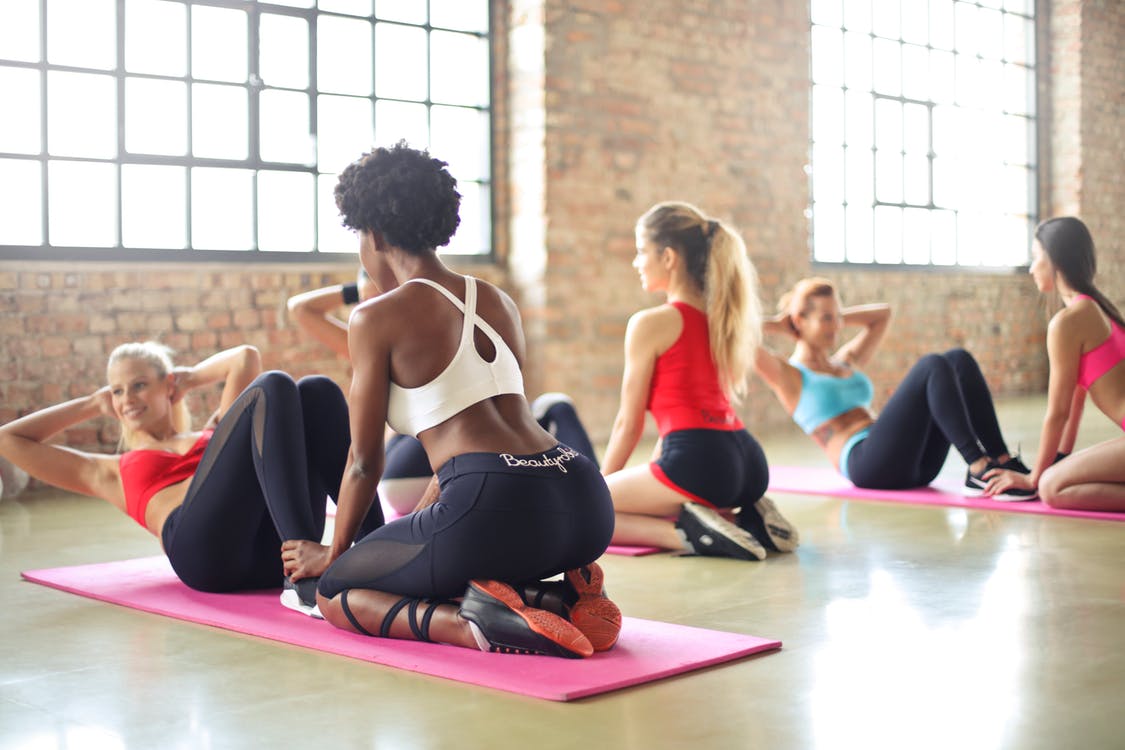
Credit: rockingreen.com
How To Choose Durable Workout Clothes
If you want longer-lasting workout clothes, consider these factors:
Fabric Type
Choose blends with strong synthetic fibers. Avoid pure cotton for high-sweat activities. Look for “performance blend” or “technical fabric. ”
Stitching
Look for double or reinforced stitching, especially at seams. Inspect seams for tightness and evenness.
Brand Reputation
Check reviews for durability. Some brands focus on performance, others on style. Choose brands known for lasting quality.
Fit
Clothes that fit well last longer, as they move with your body and do not overstretch. Ill-fitting clothes stretch and break down quickly.
Price Vs. Value
Expensive is not always better, but cheap clothes usually wear out faster. Balance cost with quality.
Practical example: Mid-priced brands often balance durability and comfort. Read reviews and ask friends for recommendations.
Another tip: Choose darker colors, which often show less wear and stains.
Real-life Examples And Experiences
Many fitness enthusiasts share stories about their workout clothes. For example:
- Runner: "My favorite leggings lasted only 8 months, but after switching to a premium brand, they held up for 16 months."
- Gym-goer: "Cheap shirts lost shape in 10 washes. Investing in quality saved money over time."
- Yoga student: "Cotton tanks felt soft but stained quickly. Synthetics lasted longer, even after many washes."
Non-obvious insight: Sometimes, washing gear less frequently (after every second workout) prevents over-cleaning and wear. If your workout was light, airing out clothes is enough.
Another example: One cyclist noticed that rotating between three pairs of shorts prevented seat wear and saved money over a year.
The Role Of Technology In Workout Clothes Durability
Modern workout clothes use advanced technology:
- Antimicrobial fabrics: Reduce odor and bacteria, last longer before needing a wash. This is useful for people who sweat heavily.
- Moisture-wicking technology: Keeps clothes dry, preventing breakdown from sweat. Look for “dry fit” or “cool max” labels.
- Seamless designs: Reduce friction and tearing. These are ideal for long workouts where movement is constant.
Some brands use nanotechnology or special coatings to add water resistance or UV protection. These features may raise price, but can extend lifespan.
External link: Learn more about fabric technology at Textile World.
Comparing Popular Brands For Longevity
Different brands offer varying durability. Here’s a comparison:
| Brand | Average Lifespan | Price Range | Durability Features |
|---|---|---|---|
| Premium Brand A | 12–24 months | High | Double stitching, high-grade fabric |
| Mid-range Brand B | 9–18 months | Medium | Reinforced seams, blended fabric |
| Budget Brand C | 6–12 months | Low | Basic stitching, standard fabric |
Non-obvious tip: Sometimes, mid-range brands use similar fabrics to premium ones but skip costly marketing. You can get durability without paying for the logo.
Another detail: Some brands offer warranties or satisfaction guarantees. Ask about return policies if clothes wear out too soon.
How To Dispose Of Old Workout Clothes Responsibly
Throwing away old clothes is not the only option:
- Donate to charities or textile recycling centers. Even worn items can be reused as insulation or stuffing.
- Repurpose as cleaning rags or craft materials. Old shirts make good dust cloths or pet bedding.
- Some brands accept old clothes for recycling. Check websites for “take back” programs.
Practical example: Cut old leggings into hair bands or hand wraps. Creative reuse saves money and reduces waste.
Another tip: If clothes are too damaged for donation, search for local textile recycling bins.
Frequently Asked Questions
How Often Should I Replace Workout Clothes?
Replace clothes when you notice wear signs like loss of elasticity, persistent odor, or visible damage. On average, leggings and bras last 6–18 months, shirts and shorts 12–24 months, and socks 3–6 months.
Is It Bad To Wear Worn-out Workout Clothes?
Yes. Worn-out clothes can cause discomfort, irritation, and do not support your body properly. This can lead to injury or poor performance. For example, loose bras affect posture and leggings that lose compression do not help muscles.
What Is The Best Way To Wash Workout Clothes?
Use cold water, mild detergent, and avoid fabric softener. Air dry whenever possible. Follow care instructions on the label for each item. Special detergents for sportswear help remove odor and keep fibers strong.
Can I Make My Workout Clothes Last Longer?
Yes. Rotate outfits, wash with care, avoid high heat, and store properly. Choose quality brands and repair small damage early. Avoid harsh chemicals and rough surfaces.
Are Expensive Workout Clothes Always More Durable?
Not always. Some expensive brands offer high durability, but some mid-priced brands also use strong materials. Check reviews and fabric details before buying. Test fit and stretch before purchase.
Workout clothes are a vital part of your fitness routine. By understanding what affects their lifespan, choosing wisely, and caring for them correctly, you can enjoy comfort and performance for longer. Small habits like washing gently, rotating outfits, and repairing damage make a big difference.
Remember, durable workout gear is not just about price—it’s about smart choices and care. With the right approach, you save money, reduce waste, and improve your exercise experience every day.
