

Should You Wear Gym Shoes Outside? Pros, Cons, and Expert Tips
Should You Wear Gym Shoes Outside
Most people buy gym shoes thinking about comfort, support, and performance during workouts. But what happens when you start wearing these shoes outside the gym? Maybe you’re running late and keep them on for errands, or perhaps you just love how they look with your jeans. Many of us don’t stop to consider if that’s a good idea. This question matters more than you think. The way you use your athletic shoes can affect how long they last, your foot health, and even your workout results. Let’s break down the facts, weigh the pros and cons, and help you decide whether taking your gym shoes outside is a smart move.
What Makes Gym Shoes Special?
Gym shoes, also known as training shoes or athletic sneakers, are designed with a focus on performance for physical activities. Here’s what sets them apart from regular shoes:
- Support and Stability: Gym shoes are built to support your foot and ankle during fast moves, jumps, and weightlifting.
- Shock Absorption: They use special cushioning to soften impact and protect your joints.
- Breathability: Most have mesh uppers to keep feet cool and dry.
- Lightweight Materials: They’re made to be light so your movements aren’t slowed down.
- Outsole Grip: The soles are made to grip gym floors, helping you avoid slips during squats, lunges, or sprints.
These features make gym shoes great for indoor workouts, but not always perfect for outdoor use.
Main Differences: Gym Shoes Vs. Outdoor Shoes
Before you decide whether to wear your gym shoes outside, it helps to compare them with shoes meant for outdoor use.
| Feature | Gym Shoes | Outdoor Shoes |
|---|---|---|
| Traction | Good on flat, indoor surfaces | Excellent on various rough surfaces |
| Durability | Moderate, designed for indoor use | High, made for outdoor wear and tear |
| Material | Mesh, lightweight synthetics | Thicker leather, waterproof fabrics |
| Weight | Light | Heavier for protection |
| Protection | Basic foot protection | Extra protection from rocks, water, debris |
Outdoor shoes are designed to handle dirt, rocks, water, and sudden changes in the ground. Gym shoes, on the other hand, focus on comfort and movement on smooth, clean surfaces.
Pros Of Wearing Gym Shoes Outside
You might wonder, “What’s the harm? ” There are some reasons why people choose to wear gym shoes outside, and sometimes, it’s actually fine.
- Comfort All Day: Gym shoes are often more comfortable than regular casual shoes, especially if you’re walking a lot.
- Style: Athletic sneakers are trendy. Many people like the sporty look, pairing them with jeans or casual wear.
- Convenience: If you’re in a rush, it’s easy to keep the same shoes on instead of changing.
- Short Walks or Quick Errands: For short trips outside, like grabbing coffee or walking to your car, gym shoes are usually fine.
Cons Of Wearing Gym Shoes Outside
While it might feel harmless, there are downsides to using your workout shoes outside the gym.
Faster Wear And Tear
Gym shoes are made for smooth, indoor floors. Concrete, asphalt, and outdoor dirt can quickly break down their outsoles and uppers. You might notice:
- The tread (bottom grip) wears out faster.
- The mesh gets torn or dirty easily.
- The midsole cushioning loses shape due to rough impacts.
Loss Of Performance
When you use gym shoes outdoors, dirt, pebbles, and moisture can get trapped in the soles or fabric. This affects:
- Grip: Dust or mud stuck in the sole can make you slip during gym exercises.
- Cushioning: Repeated hard impacts on concrete damage the foam, making the shoes less bouncy and supportive.
- Flexibility: Outdoor use can stiffen the shoe, making it less comfortable for gym movements.
Hygiene Concerns
The gym is a shared space. Outdoor shoes bring in bacteria, mud, and germs, which you then spread on mats, equipment, or even inside your home. This is especially risky for gyms with “no outdoor shoes” policies.
Shorter Lifespan
Outdoor use can cut your gym shoes’ lifespan in half. Instead of lasting six months to a year, they might feel “dead” after just a few months. This means you’ll spend more on replacements.
Foot Health Risks
Worn-out shoes lose support. This can lead to foot pain, shin splints, or even injuries. Small stones or glass can also damage the sole, putting you at risk for cuts or bruises.
When Is It Okay To Wear Gym Shoes Outside?
Sometimes, using gym shoes outside is not a big deal. Here are moments when it’s usually safe:
- Short, smooth walks: A quick walk to your car or around the block won’t ruin your shoes.
- Dry weather: If it’s not raining or muddy, there’s less risk of permanent stains or water damage.
- Clean sidewalks: Smooth, clean surfaces are less harmful than gravel or grass.
- No gym session planned soon: If you’re not working out right after, outdoor use is less of an issue.
Even in these cases, it’s smart to clean your shoes before your next gym visit.
When Should You Avoid It?
There are times when wearing gym shoes outside is a bad idea. Avoid it if:
- It’s raining or snowing: Water and mud can quickly ruin gym shoe materials.
- You need strong grip: After using them outside, the soles might be slippery on gym floors.
- You plan to lift heavy weights: Reduced support from outdoor wear can increase injury risk.
- The gym has strict rules: Many gyms ask members to change shoes before entering.
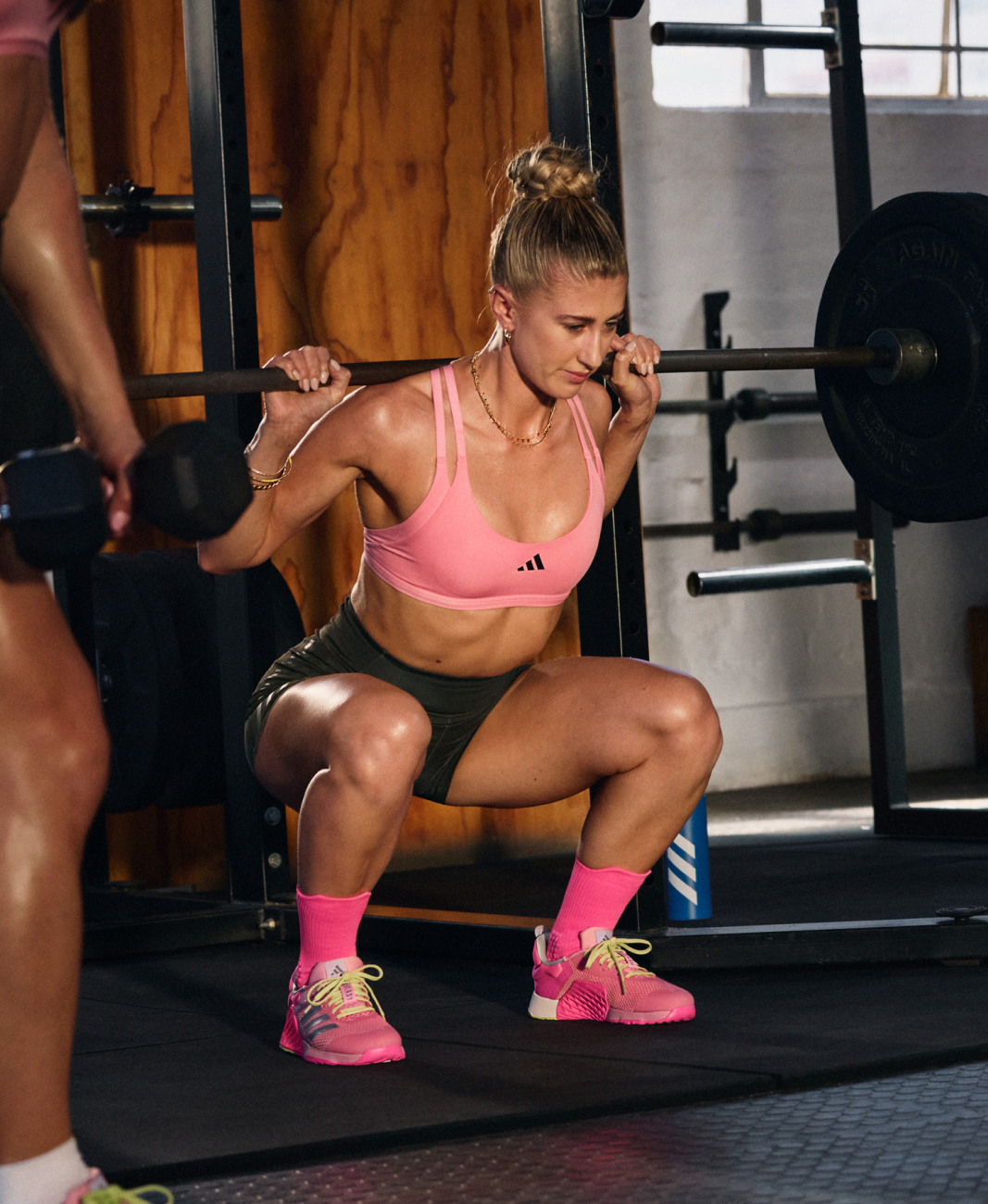
Credit: www.adidas.com
Real-world Example: What Happens If You Do It Regularly?
Let’s say you buy a new pair of gym shoes. You wear them to the gym, but also for daily walks, running errands, and even on vacation. After two months, you notice:
- The soles are smooth, not grippy.
- The mesh is dirty and hard to clean.
- Your knees feel sore during workouts.
- You’re slipping more often on gym mats.
This is common. Most athletic shoes are not built for double duty. Users often regret this choice when they have to buy new shoes sooner than planned. One non-obvious insight: the inside foam in gym shoes can break down before you see any damage on the outside. If you feel less support but the shoes look “okay,” it’s still time for a replacement.
How Outdoor Use Damages Gym Shoes
Outdoor conditions are rough. Here’s how they break down your gym shoes:
Sun Exposure
Direct sunlight fades colors and weakens the glue that holds the shoe together. Over time, shoes crack or peel.
Water And Mud
If shoes get wet, the materials can warp or rot. Wet shoes also take longer to dry, leading to bad odors and bacteria growth.
Rough Surfaces
Concrete, gravel, and dirt grind down the soft rubber of gym shoes. Each step causes small cuts and scrapes.
Temperature Changes
Extreme hot or cold weather makes the shoe materials expand and contract. This can make the shoes feel tight or loose, and even cause cracks.
Cleaning And Caring For Gym Shoes
If you do wear your gym shoes outside, cleaning them right away helps them last longer. Here’s how:
- Remove dirt: Use a soft brush to clean off mud or dust.
- Wipe the soles: A damp cloth removes stuck debris.
- Air dry: Never use a dryer or direct heat. Let shoes dry at room temperature.
- Use baking soda: Sprinkle inside to remove odors.
- Replace insoles: If they smell or lose shape, replace them.
Proper care helps, but it can’t fully reverse the damage from outdoor use.
Should You Have Separate Shoes?
Many fitness experts recommend owning two pairs of shoes: one for the gym and one for outdoor activities. This may sound like a luxury, but it actually saves money and keeps you safer in the long run.
Benefits of Separate Shoes:
- Gym shoes stay clean and perform well.
- Outdoor shoes last longer because they’re made for rough conditions.
- Less risk of foot infections or gym rule violations.
- You always have a backup if one pair gets wet or dirty.
For most people, this is the best solution.
What About Multi-purpose Shoes?
Some shoe brands offer “cross-trainers” or hybrid sneakers. These are designed for both indoor and outdoor use, but with trade-offs.
| Type | Best For | Main Compromise |
|---|---|---|
| Gym Shoes | Weightlifting, HIIT, indoor cardio | Wear out fast outdoors |
| Outdoor Shoes | Hiking, trail running, errands | Too heavy or stiff for gym |
| Cross-Trainers | Light indoor and outdoor use | Not perfect for either use |
Cross-trainers can be a good choice if you do both activities lightly. However, if you’re serious about your workouts, it’s better to have specialized shoes.
How To Choose The Right Shoes For Your Needs
If you’re thinking about buying new shoes, here’s what to consider:
For Gym-only Use
- Lightweight
- Breathable materials
- Flat, grippy soles
- Flexible for quick movements
For Outdoor Use
- Durable, thick outsoles
- Water-resistant or waterproof
- Good arch and heel support
- Extra protection against rocks and debris
For Both
- Hybrid or cross-trainer shoes
- Regular cleaning and maintenance
- Accept some loss of performance or comfort
Pro Tip: If you only have one pair, pick shoes with a tougher outsole and avoid wet or muddy conditions as much as possible.
Common Mistakes To Avoid
Many people make simple errors when using their gym shoes outside. Here are mistakes to watch out for:
- Using gym shoes for running outside: Running shoes are different from gym trainers. Gym shoes lack the shock absorption needed for long runs on pavement.
- Ignoring wear signs: If your shoes feel flat or your feet hurt, change them—even if they look fine.
- Not cleaning after outdoor use: Dirt and moisture cause shoes to break down quickly.
- Wearing wet gym shoes: This leads to blisters, odor, and faster wear.
- Using the same shoes for all sports: Basketball, tennis, and crossfit each require specific support and grip.
How Often Should You Replace Gym Shoes?
Most gym shoes last about 300–500 miles of use. For people who work out 3–4 times a week, that’s usually every 6–12 months. If you wear your gym shoes outside, you may need to replace them every 3–6 months. Signs it’s time for a new pair include:
- Loss of grip
- Flat or compressed midsole
- Holes or tears in the upper
- Achy feet or legs after workouts
Non-obvious tip: If you notice a squeaking sound from your shoes, the sole may be separating—a hidden sign it’s time for new ones.
What Shoe Brands Say
Most athletic shoe brands advise using gym shoes only for their intended purpose. For example, Nike and Adidas recommend not wearing indoor trainers outside, as this voids warranties and shortens shoe life. Some gyms, especially in cities with harsh winters, require members to change shoes before entering to keep floors clean and safe.
Health And Safety Issues
Footwear affects more than just comfort. The wrong shoes can lead to:
- Foot pain: Lack of support causes aching arches or heels.
- Blisters: Wet, dirty shoes lead to skin problems.
- Injuries: Worn shoes increase the risk of ankle sprains or falls.
- Fungal infections: Dirty shoes carry bacteria into the gym.
For anyone serious about health or training, wearing clean, supportive shoes is not just a matter of style—it’s about safety.
Environmental Impact
Throwing out shoes more often creates more waste. By using shoes for their designed purpose, you help them last longer and reduce landfill waste. Some brands offer recycling programs for worn-out athletic shoes. If you want to be eco-friendly, avoid using gym shoes outside, and recycle them when they’re no longer wearable.
Style And Fashion Considerations
It’s true—athletic shoes are stylish. Many people wear them as “lifestyle” sneakers. If you love the look, consider buying a separate pair just for fashion, and keep your gym shoes for workouts. This way, you keep both pairs looking fresh.

Credit: anyasreviews.com
What Do Gym Trainers And Experts Suggest?
Most trainers and podiatrists recommend a “two-pair system. ” One for gym, one for outdoors. They say this is especially important if you have foot or knee problems, as worn shoes can make these issues worse. Trainers also notice that clients who use their gym shoes outside often complain about sore feet or slipping in the gym.
Is It Worth The Cost To Own Two Pairs?
Some people worry about spending more money. But buying two pairs often saves money because:
- You replace each pair less often.
- You avoid injuries and medical bills.
- You keep your shoes and clothes cleaner.
If cost is an issue, look for sales or last-season models. Even a basic pair of outdoor sneakers will protect your gym shoes.
Summary Table: Key Reasons To Keep Gym Shoes Indoors
Here’s a summary to help you decide:
| Reason | Why It Matters |
|---|---|
| Better Performance | Grip and support stay strong for workouts |
| Longer Shoe Life | Less wear means you buy new shoes less often |
| Cleanliness | No spreading of dirt or germs in the gym |
| Foot Health | Reduces risk of pain, blisters, or injury |
| Gym Policies | Follow rules and avoid problems with staff |
Practical Tips For Busy People
Life is hectic and changing shoes isn’t always easy. Here’s what you can do:
- Keep a spare pair in your bag or car: You’ll always have clean shoes for the gym.
- Use slip-on covers: If you must wear your gym shoes outside, slip covers can protect them from dirt.
- Clean shoes quickly: Even just wiping soles before entering the gym helps.
- Rotate shoes: If you have two pairs, switch between them to let each one rest and dry fully.
These habits make a real difference in shoe lifespan and foot comfort.
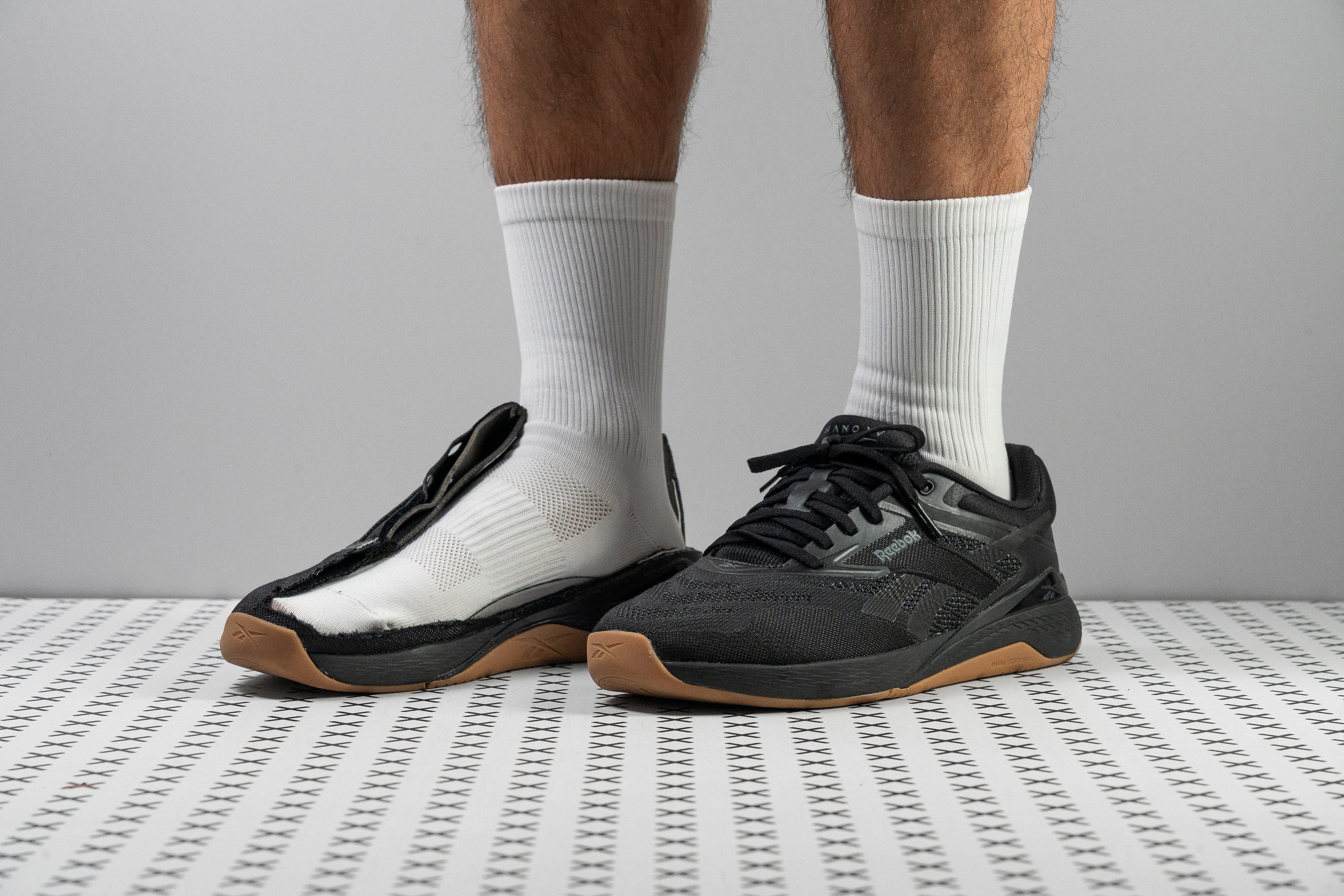
Credit: runrepeat.com
The Bottom Line
So, should you wear gym shoes outside? For most people, the answer is no—if you want your shoes to last, protect your feet, and get the best workout results. While it’s okay once in a while for short, clean walks, regular outdoor use will wear out your gym shoes fast, reduce their support, and create hygiene issues.
Investing in a separate pair for outdoor use is a smart, practical choice.
If you’re on a budget, look for sales or basic models for outdoor activities. Remember, the cost of a second pair is usually less than the cost of replacing your main gym shoes more often or dealing with foot problems.
For more on shoe care and replacement guidelines, you can check this helpful guide from the Verywell Fit website.
Frequently Asked Questions
Should I Clean My Gym Shoes After Wearing Them Outside?
Yes. Cleaning removes dirt, bacteria, and moisture that can damage your shoes and spread germs in the gym. Use a soft brush and a damp cloth, and let them air dry.
Can I Use The Same Shoes For Running And Gym Workouts?
It’s not ideal. Running shoes are built for forward motion and shock absorption, while gym shoes focus on support for side-to-side movement. Using one pair for both can lead to faster wear and less protection.
What Happens If I Ignore Worn Gym Shoes?
Worn shoes lose support and grip, which can lead to pain, blisters, or even injuries. If you feel discomfort, it’s time to replace them—even if they look fine.
Are Cross-trainers A Good Solution?
Cross-trainers can work for people who do a mix of indoor and light outdoor activities. They are a compromise, not perfect for either use, but better than using gym-only shoes outside regularly.
How Can I Make My Gym Shoes Last Longer?
Keep them clean, use them only indoors, and rotate with another pair if possible. Store them in a cool, dry place and replace insoles when needed.
When you take care of your gym shoes and use them the right way, you protect both your investment and your health. Make smart choices, and your shoes—and your feet—will thank you.
