

In Gym Clothes: Top Trends for Stylish Workout Wear
In Gym Clothes: The Complete Guide to What to Wear and Why It Matters
Walking into a gym, you quickly notice that what people wear is more than just a style choice—gym clothes play a big role in comfort, performance, and even motivation. The right outfit can make your workout smoother, help prevent injuries, and give you extra confidence to push your limits. Choosing gym wear can feel confusing, with so many fabrics, fits, and trends. But understanding the basics can make your workouts not only more effective but also more enjoyable.
In this guide, you’ll find everything you need to know about gym clothes: from choosing the right fabric and fit, to understanding new trends and caring for your gear. Whether you’re a beginner, a regular gym-goer, or someone returning after a break, you’ll learn how to pick the best clothes for your body and your workout style. You’ll also discover common mistakes and learn how to avoid them, so you can focus on what matters—your fitness journey.
Why Gym Clothes Matter
Many people think gym clothes are just about looking good. But there’s more to it than style. The right gym wear:
- Supports your movement: Proper gym clothes are designed to stretch and move with your body.
- Regulates temperature: Good fabric helps you stay cool or warm, depending on your workout and the climate.
- Reduces injury risk: Supportive shoes and clothes can protect your joints and muscles.
- Improves hygiene: Sweat-wicking materials keep your skin dry and help prevent rashes or bacteria growth.
- Boosts confidence: Wearing clothes that fit well and feel comfortable can give you the mental edge to work harder.
People often overlook how much gym clothes can impact their results. In fact, research shows that what you wear can influence your physical performance and even your mental focus during workouts.
Key Factors When Choosing Gym Clothes
Selecting the right gym wear depends on several important factors. Here’s what you should always consider:
1. Fabric Type
The fabric of your gym clothes affects your comfort, movement, and how well you perform. The most popular materials are:
- Cotton: Soft and comfortable, but absorbs sweat and can get heavy.
- Polyester: Lightweight, quick-drying, and durable. Popular for most gym wear.
- Spandex (Lycra/Elastane): Offers stretch and flexibility. Usually blended with other fabrics.
- Nylon: Smooth, moisture-wicking, and dries fast.
- Bamboo: Naturally soft, eco-friendly, and antibacterial.
Most gym clothes use a blend of these fabrics. For example, a shirt might be 90% polyester and 10% spandex.
Fabric Comparison
Here’s a quick look at how common fabrics compare:
| Fabric | Moisture-Wicking | Stretch | Durability | Odor Control |
|---|---|---|---|---|
| Polyester | Excellent | Good | High | Medium |
| Cotton | Poor | Low | Medium | Low |
| Spandex | Good | Excellent | Medium | Medium |
| Nylon | Excellent | Good | High | High |
| Bamboo | Good | Good | Medium | Excellent |
2. Fit And Comfort
Comfort is not just about feeling good. If your clothes are too tight, they can restrict movement and even affect blood flow. Too loose, and they might catch on equipment.
- Tops: Should allow free movement of your shoulders and arms.
- Bottoms: Should stay in place and not ride up or down during squats or stretches.
- Underwear: Seamless and moisture-wicking options help avoid chafing.
Try moving around when trying new gym wear. Squat, lift your arms, or jog in place to see how the clothes feel.
3. Breathability And Moisture Management
When you sweat, your skin can become irritated if your clothes don’t help keep you dry. Fabrics that wick moisture pull sweat away from your skin to the outside of the garment, where it evaporates quickly.
- Look for “moisture-wicking,” “quick-dry,” or “breathable” on labels.
- Avoid 100% cotton for intense workouts; it holds sweat and can make you feel cold after you stop moving.
4. Durability And Value
Gym clothes see a lot of movement, stretching, and washing. Quality fabric and solid seams mean your clothes will last longer, saving you money in the long run.
- Check the stitching—double-stitched seams are less likely to tear.
- Wash according to the label to keep fabrics strong.
5. Support And Protection
Some gym clothes offer extra support, like compression garments or padded sports bras. These can:
- Reduce muscle fatigue
- Improve blood flow
- Minimize muscle soreness after workouts
Good shoes and socks also protect your feet from blisters and support your arches during exercise.
6. Weather And Activity
Your workout environment affects your clothing choices.
- Indoor gyms: Lightweight, breathable clothes work best.
- Outdoor workouts: Consider layers, water-resistant jackets, or hats for sun protection.
Certain activities need special gear:
- Running: Look for shorts or leggings with a secure waistband.
- Yoga: Clothes should stretch but stay in place during poses.
- Weightlifting: Avoid loose clothing that could get caught on equipment.
7. Style And Motivation
Wearing clothes that you like can actually motivate you to exercise. Color, design, and how you feel in your clothes make a difference. Many people find that investing in stylish gym wear helps them stick to their fitness routine.
Essential Gym Clothing Items
Building a gym wardrobe doesn’t have to be expensive or complicated. Focus on these essentials:
Gym Tops
Choose tops based on your workout and comfort needs.
- T-shirts: Classic, comfortable, and available in various materials.
- Tank tops: Good for hot environments or high-intensity workouts.
- Long-sleeve shirts: Useful for cooler gyms or outdoor exercise.
Look for tops with flat seams to avoid irritation.
Sports Bras
For women, a sports bra is one of the most important pieces. It should provide enough support for your activity level:
- Low-impact: Yoga, Pilates
- Medium-impact: Weight training, cycling
- High-impact: Running, HIIT
Choose a bra with adjustable straps and a snug band. It should not pinch or dig into your skin.
Gym Bottoms
Your choice depends on personal preference and the activity.
- Shorts: Great for running or hot weather.
- Leggings/tights: Offer support and coverage; ideal for stretching or weightlifting.
- Joggers/sweatpants: Comfortable and good for warm-up or cool-down.
Check for a waistband that stays put. Some leggings have pockets for keys or phones.
Socks
Often overlooked, but good socks can prevent blisters and keep your feet dry. Choose:
- Moisture-wicking materials (avoid cotton)
- Cushioned soles for impact activities
- Ankle or crew length depending on shoe style
Gym Shoes
Shoes can make or break your workout. Select based on activity:
- Running shoes: More cushioning, flexible soles.
- Cross-trainers: Good for a variety of exercises, including classes and strength training.
- Weightlifting shoes: Firm soles for stability.
- Minimalist shoes: For those who prefer barefoot-style training.
Replace shoes every 300–500 miles or when the support feels flat.
Accessories
Some extras can improve your comfort and performance:
- Headbands: Keep sweat out of your eyes.
- Gloves: Protect hands during weight training.
- Compression sleeves: For added support to arms or calves.
Common Mistakes When Choosing Gym Clothes
Even experienced gym-goers sometimes make mistakes when picking workout gear. Here are some of the most common:
- Choosing fashion over function: Trendy clothes may look good, but they might not support your workout. Always check if the item is designed for exercise.
- Wearing the wrong size: Clothes that are too tight or too loose can cause discomfort, restrict movement, or even lead to accidents.
- Ignoring fabric technology: Not all materials are equal. Avoid heavy cotton for sweaty workouts.
- Using old shoes: Worn-out shoes lose support and can lead to injuries.
- Skipping quality for price: Cheap gym clothes may wear out quickly, losing their shape or becoming see-through.
- Not washing gear properly: Gym clothes need special care—follow washing instructions to keep them effective.

Credit: www.menshealth.com
How Gym Clothes Affect Performance
Wearing the right gym clothes does more than make you look fit—it can actually help you perform better. Here’s how:
Enhanced Movement
Clothes with stretch (like spandex) allow you to move freely, making exercises like lunges or squats easier and safer. Restrictive clothes can limit your range of motion and cause poor form.
Temperature Control
Moisture-wicking fabrics help regulate your body temperature by pulling sweat away from your skin. This means you stay cooler in summer and avoid chills in air-conditioned gyms.
Injury Prevention
Proper shoes, supportive bras, and compression gear all help reduce stress on your muscles and joints. For example, weightlifting shoes provide a stable base, lowering your risk of ankle injuries.
Hygiene And Skin Health
Quick-drying clothes reduce the chance of bacterial growth, which can cause odor or even skin infections. Sweat left on the skin for too long can lead to rashes, so the right fabric really matters.
Psychological Edge
Research suggests that what you wear to the gym can affect your self-image and motivation. If you feel good in your outfit, you’re more likely to push harder and stick to your routine.
Trends And Innovations In Gym Wear
Gym wear has changed a lot in recent years. Here are some trends and innovations that are shaping what people wear to the gym today:
Sustainable Materials
Brands are now making gym clothes from recycled plastics, bamboo, or organic cotton. These materials are both eco-friendly and high-performance, giving you more options to support the planet.
Smart Fabrics
Some gym wear features “smart” technology, like:
- Antibacterial treatments: Reduce odor and bacteria growth.
- UV protection: For outdoor workouts.
- Temperature control: Fabrics that adapt to your body heat.
Custom Fit And Size-inclusive Brands
More brands now offer extended sizing, adjustable features, and better fits for all body types. This makes it easier to find comfortable, supportive gym clothes no matter your shape or size.
Fashion Meets Function
Gym wear is now designed to look good inside and outside the gym. “Athleisure” means you can wear your workout clothes for errands, coffee, or even casual office days.
Data-driven Design
Some brands use athlete feedback and motion tracking to design clothes that support real-life movement. This leads to features like reinforced seams in high-stress areas or vented panels for extra airflow.
How To Care For Gym Clothes
Taking care of your gym wear helps it last longer and perform better. Here’s how to keep your gear fresh and effective:
Washing Tips
- Wash after every use to remove sweat and bacteria.
- Use cold water to protect fabric stretch and color.
- Avoid fabric softeners—they can block moisture-wicking properties.
- Air dry when possible; high heat can damage elastic fibers.
Storage
Store gym clothes in a dry, ventilated space. Don’t leave sweaty clothes in your gym bag for long—they’ll develop odors and bacteria.
When To Replace
Replace gym clothes if they:
- Lose their shape or stretch
- Smell even after washing
- Have visible holes or tears
- Lose support (especially sports bras and shoes)
Gym Clothes For Different Workouts
Different workouts require different clothing. Here’s a quick guide to help you choose:
Cardio Workouts (running, Hiit, Cycling)
- Lightweight, moisture-wicking tops and bottoms
- Supportive sports bra (for women)
- Cushioned, breathable shoes
- Thin, moisture-wicking socks
Strength Training (weightlifting, Bodybuilding)
- Fitted top to avoid catching on equipment
- Flexible leggings or shorts
- Weightlifting shoes or flat trainers
- Wrist wraps or gloves (optional)
Yoga And Pilates
- Stretchy, form-fitting clothes that won’t move during poses
- Bare feet or yoga socks with grip
- Light layers for temperature changes
Group Fitness Classes (zumba, Aerobics)
- Supportive shoes with good lateral movement
- Breathable, quick-dry clothes
- Headbands or sweatbands for comfort
Outdoor Workouts
- Layers for changing weather
- Water-resistant jacket or vest
- Sun protection (hat, UV-blocking clothes)
- Reflective details for visibility
How To Build A Basic Gym Wardrobe
You don’t need a closet full of clothes to get started. Focus on a few key pieces:
- 3–4 moisture-wicking tops (mix of tees and tanks)
- 2–3 pairs of shorts or leggings
- 2 sports bras (for women)
- 3–5 pairs of socks
- 1–2 pairs of gym shoes (rotate to keep them fresh)
- 1 lightweight jacket or hoodie for outdoor or travel
As you get used to your routine, add items that fit your needs, such as gloves or compression gear.
Cost Comparison: Budget Vs. Premium Gym Clothes
Is it worth spending more on gym wear? Here’s a comparison to help you decide:
| Feature | Budget Gym Clothes | Premium Gym Clothes |
|---|---|---|
| Material Quality | Basic blends, may lose shape | Advanced fabrics, long-lasting |
| Fit & Comfort | Standard sizing | Better tailoring, more options |
| Moisture Management | Basic wicking (sometimes none) | High-tech wicking, anti-odor |
| Durability | May wear out quickly | Holds up to frequent use |
| Price Range (per item) | $10–$25 | $40–$100+ |
Most people start with budget options, then invest in premium pieces for comfort and durability over time.
How To Choose Gym Shoes
Your shoes are the most important part of your gym outfit. The right pair can prevent injuries and support your performance. Here’s how to pick the best shoes for your needs:
Know Your Activity
- Running: Look for shoes with more cushioning and shock absorption.
- Cross-training: Choose shoes with firm soles and lateral support.
- Weightlifting: Flat, stable soles give the best base for lifting.
- HIIT or aerobics: Lightweight, flexible shoes that support quick movements.
Get The Right Fit
- Shop at the end of the day when your feet are largest.
- Leave a thumb’s width between your big toe and the shoe’s tip.
- Try shoes with the socks you’ll wear to the gym.
Consider Special Needs
If you have flat feet, high arches, or specific injuries, look for shoes with extra support or cushioning. Many stores offer gait analysis to help you find the right fit.
The Role Of Gym Clothes In Motivation
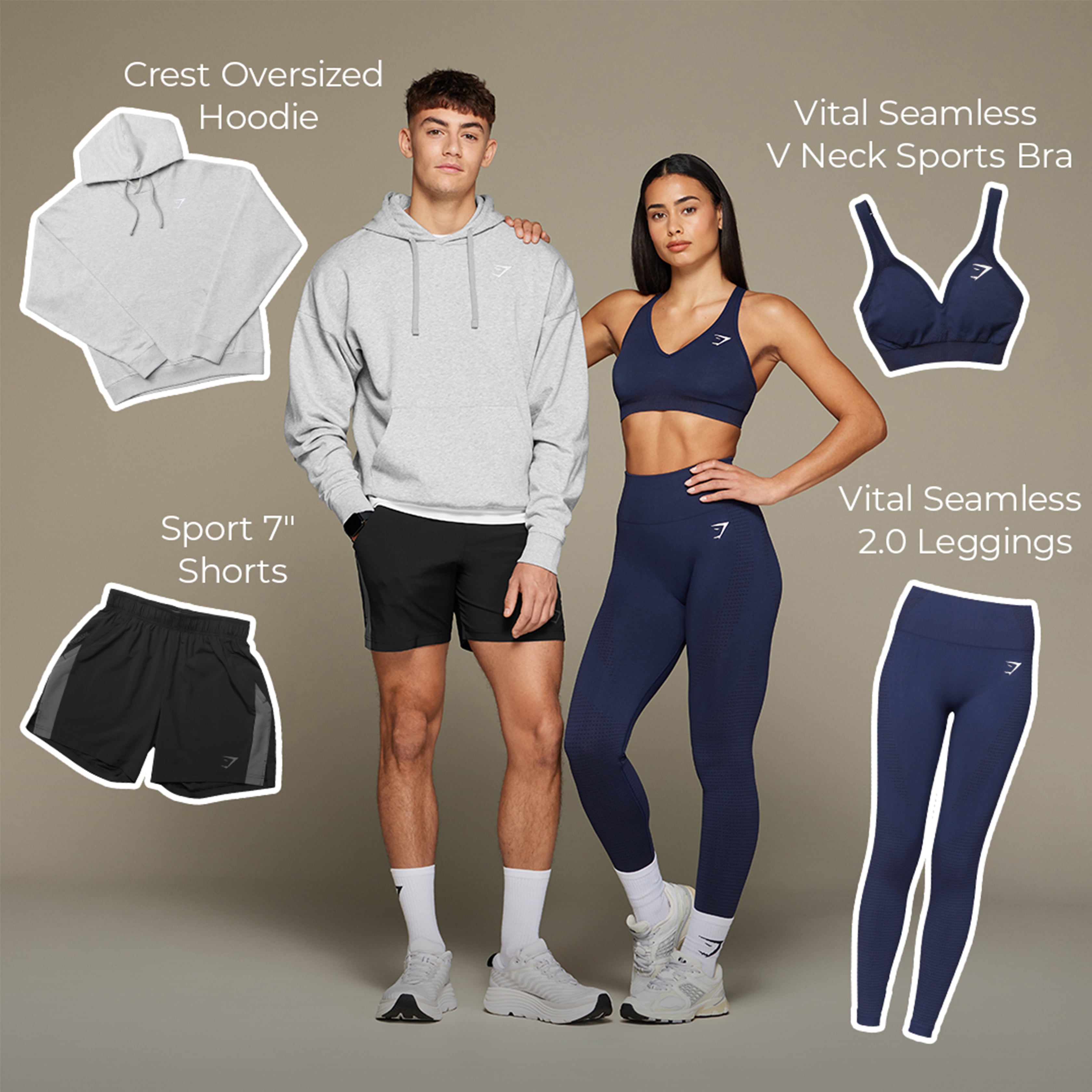
Wearing gym clothes can actually make you more likely to exercise. This is called “enclothed cognition”—the idea that what you wear affects how you feel and act. If you put on your gym outfit, you’re mentally preparing for a workout.
This small step can help you build a habit and stick to your goals.
Some people even lay out their gym clothes the night before, making it easier to get dressed and start moving in the morning.
Credit: row.gymshark.com
Gym Clothes And Body Positivity
Choosing gym wear that fits your body and feels good is important for building confidence. The fitness industry is moving toward more inclusive sizing and styles, so everyone can find gear that suits them.
Remember, you don’t have to look a certain way to wear gym clothes. The goal is to find what makes you feel comfortable, supported, and motivated.
Hidden Insights Most Beginners Miss
Even if you know the basics, there are some details many people overlook:
- Fabric blends matter: A small percentage of spandex (4–10%) can make a big difference in stretch and comfort, especially in leggings or fitted tops.
- Gusseted crotch in leggings: This small, diamond-shaped piece of fabric reduces chafing and increases range of motion, making workouts more comfortable.
- Flatlock seams: These special stitches lie flat on the skin, preventing irritation during high-movement activities—a feature worth seeking out.
- Compression isn’t just for pros: Compression socks or sleeves can help with circulation during long workouts or recovery, even for beginners.

Credit: blissclub.com
Sustainable Choices In Gym Wear
More brands are offering eco-friendly gym clothes. Look for:
- Recycled polyester: Made from plastic bottles
- Organic cotton: Grown without harmful chemicals
- Bamboo: Fast-growing and naturally antibacterial
Choosing sustainable gym wear helps reduce your impact on the planet. Some companies even offer recycling programs for old gear.
How Gym Clothes Affect Hygiene And Skin
Wearing the wrong gym clothes can lead to skin problems, especially if you sweat a lot. Here’s how to stay safe:
- Change out of sweaty clothes as soon as possible.
- Avoid sharing towels or gear.
- Wash clothes after every use.
- Choose moisture-wicking fabrics to keep skin dry.
If you notice rashes or irritation, check if your clothes are too tight, or try switching to a different fabric.
Gender Differences In Gym Wear
While many gym clothes are unisex, there are some differences in design:
- Women’s gym wear: Often includes built-in bras, higher-waisted leggings, and tops with different necklines.
- Men’s gym wear: Usually offers more room in the shoulders and chest, and shorts are often longer.
Choose what feels best for your body, regardless of labels. Many brands now offer gender-neutral lines.
How To Avoid Embarrassment In Gym Clothes
Worried about see-through leggings or shirts that ride up? Here’s how to stay confident:
- Test clothes in bright light before buying.
- Do a squat or stretch test in the fitting room.
- Choose thicker fabrics for leggings.
- Use a long top if you prefer extra coverage.
Remember, most people at the gym are focused on their own workout—not what you’re wearing.
Gym Clothes And Social Media
“Gym selfies” are everywhere online. While it’s fun to share your progress, remember that pictures only show part of the story. Choose gym wear that makes you feel good, not just what looks good on camera.
Some brands use social media to launch new styles, offer discounts, or get feedback from customers. This can be a great way to discover new options and trends.
How To Shop For Gym Clothes Online
Shopping online gives you more choices, but it can be tricky to get the right fit. Here’s what to do:
- Check the brand’s size chart—sizes can vary a lot.
- Read reviews for info on fit, comfort, and durability.
- Look for free returns or exchanges.
- Start with one or two items to test sizing.
Some sites, like REI, offer detailed guides on choosing gym wear for different activities.
Frequently Asked Questions
What Is The Best Fabric For Gym Clothes?
The best fabric depends on your workout. Polyester and nylon are top choices because they wick moisture, dry quickly, and last a long time. For activities like yoga, a blend with spandex adds stretch and comfort.
How Often Should I Replace My Gym Shoes?
Replace gym shoes every 300–500 miles of use, or when you notice less support or worn-out soles. If you feel new aches or pains, it may be time for a new pair.
Can I Wear Cotton Clothes To The Gym?
You can, but cotton absorbs sweat and dries slowly, which can lead to discomfort and chafing during intense workouts. It’s better for light activities or as a base layer in cool weather.
How Do I Prevent Gym Clothes From Smelling?
Wash your gym clothes after every use with cold water and mild detergent. Avoid fabric softeners, which can trap odors. Air-drying helps keep fabrics fresh. For stubborn smells, soak clothes in a solution of water and white vinegar before washing.
Are Compression Clothes Helpful For Beginners?
Yes, compression clothes can help with muscle support, reduce soreness, and improve circulation—even for beginners. Start with compression socks or sleeves and see how your body responds.
Choosing the right gym clothes isn’t just about looks—it’s about comfort, performance, and even motivation. Start with a few key pieces, focus on fit and fabric, and don’t be afraid to try new styles or brands as you discover what works best for you. The right gear can make your workouts more effective and enjoyable, helping you reach your fitness goals with confidence.
