

Business Casual Not Jeans: Dress for Success at Work
Business Casual Not Jeans: How To Look Sharp And Professional
Getting dressed for work can be confusing. Many offices ask employees to wear business casual clothes. But what does this really mean? Most people know they should not wear ripped shirts or shorts. But some are not sure about jeans. Are jeans okay in business casual settings? Usually, the answer is no. This article explains why jeans do not fit in business casual and shows you how to build a wardrobe that matches business expectations. You will learn what to wear, what to avoid, and how to make smart choices, even if you are new to office culture. With clear examples and practical advice, you will understand how to look sharp and feel confident in any professional setting.
Why Jeans Are Not Business Casual
Business casual is about looking professional but not too formal. It sits between traditional business suits and casual wear. Jeans are comfortable and popular, but they do not send the right message in most professional settings. Many people wonder why jeans, which are often neat and stylish, do not count as business casual. The answer is deeper than just appearance—it is about the signals your clothes send.
The Origins Of Business Casual
Business casual started as a way to relax the strict rules of office clothing. In the past, people wore suits every day. Over time, companies wanted employees to feel more comfortable but still look neat. They allowed options like khakis and polo shirts.
Jeans, however, stayed out of this dress code because they are seen as too relaxed.
The move to business casual began in the 1980s and 1990s, especially in tech companies. Many offices wanted to boost employee morale and creativity by making dress codes less formal. Still, the goal was to keep a professional image, especially for client meetings or presentations.
Khakis and slacks became the standard because they are comfortable but still look tidy and respectful.
The Problem With Jeans
Even dark jeans can look informal. Jeans often fade, wrinkle, or show wear and tear. They lack the crispness and polish that business casual requires. When you wear jeans, you risk appearing less serious or not ready for important meetings.
Jeans are also made from denim, a material linked to leisure and manual work. This history makes jeans feel less polished compared to slacks or chinos. Even if your jeans look new, they usually do not have the sharp lines and smooth texture that business casual pants offer.
For example, if you wear jeans to a meeting, people may think you are not taking the event seriously, even if your jeans are expensive and clean.
Non-obvious insight: Many beginners think that expensive jeans are acceptable. But price does not change the fact that jeans are casual. Even designer jeans with no holes or logos are rarely allowed in true business casual offices. Another detail people miss: jeans often have visible stitching, rivets, and pockets that stand out, which can make your outfit look less professional than you expect.
Exceptions: When Jeans Might Be Allowed
Some creative industries and tech companies are more relaxed. They might let employees wear jeans, especially if the jeans are clean and simple. But in most offices—especially finance, law, government, or customer-facing roles—jeans are not accepted.
In some workplaces, casual Fridays allow jeans. Even then, guidelines often ask for dark, plain jeans without rips. For interviews or presentations, avoid jeans unless your employer says otherwise. Always check your office dress code before wearing jeans. If you see managers or team leaders never wear jeans, it is a sign that jeans are not part of business casual.
What Counts As Business Casual
If jeans are out, what should you wear? Business casual is about looking tidy and confident. The key items include:
- Dress pants (slacks or chinos)
- Button-down shirts
- Polo shirts
- Blouses
- Sweaters (solid or with subtle patterns)
- Dress shoes
- Skirts (knee-length or longer)
You can mix and match these pieces to suit your style. Below is a comparison of business casual vs casual and formal office wear:
| Business Casual | Casual | Formal |
|---|---|---|
| Khakis, slacks, skirts | Jeans, shorts | Suits, ties, dress shirts |
| Polo shirts, blouses | T-shirts, hoodies | Blazers, formal shoes |
| Dress shoes, loafers | Sneakers, sandals | Oxfords, pumps |
Essential Business Casual Pieces
Pants
Slacks and chinos are the most common business casual pants. They are made from smooth, sturdy fabrics. Choose colors like navy, black, gray, or beige. Avoid anything too bright or patterned.
Chinos are softer than slacks but still look neat. You can wear chinos in light colors for spring and summer, and darker shades in winter. If you want to look more polished, choose slacks with a crease down the front.
Avoid pants with cargo pockets or drawstrings, as these features look too casual.
Shirts
A button-down shirt is always a safe choice. For women, blouses or fitted tops work well. Polo shirts are allowed in some offices, but avoid logo-heavy designs.
Long-sleeve shirts are more formal, but short-sleeve button-downs are fine for warmer weather. Patterns like stripes or checks are acceptable if they are subtle. For women, blouses with simple prints or solid colors look professional. Avoid tops with shiny fabric or deep necklines.
Shoes
Dress shoes are important. Men can wear loafers or oxfords. Women can choose flats, loafers, or low heels. Sneakers, sandals, or boots with heavy details do not fit the business casual look.
Leather is the best material for business casual shoes. If you choose suede, make sure the shoes are clean and well-maintained. Avoid shoes with bright colors, thick soles, or sports logos.
Jackets And Sweaters
Adding a blazer or a neat sweater can help you look more polished. Avoid casual hoodies or chunky cardigans.
A blazer adds structure to your outfit and can make even simple pants and shirts look sharp. For sweaters, choose thin knits in solid colors or subtle patterns. Cardigans are good, but avoid oversized or very casual styles.
Building A Business Casual Wardrobe
If you are starting from scratch, you may feel overwhelmed. The good news is you do not need many pieces to look professional every day. A smart business casual wardrobe is about quality and versatility.
Step 1: Invest In Key Items
Start with a few basics:
- Two pairs of dress pants (dark and light color)
- Three button-down shirts or blouses
- One sweater or cardigan
- One pair of dress shoes
- One simple blazer
With these pieces, you can mix and match to create different looks.
Try to buy clothes that are easy to care for. Wrinkle-free shirts and machine-washable pants save time. If you buy one extra shirt or blouse, you can extend your wardrobe without spending much more.
Step 2: Focus On Fit
Clothes that fit well look more professional. Avoid pants that are too tight or shirts that are too loose. If possible, use a tailor to adjust your clothes.
Non-obvious insight: Many people forget about sleeve and pant length. Even good-quality clothes can look sloppy if the sleeves are too long or pants drag on the floor. When shopping, check how clothes fit at the shoulders, waist, and hips. A little adjustment can make budget clothes look expensive.
Step 3: Choose Neutral Colors
Neutral colors make it easy to combine outfits. Navy, gray, black, beige, and white are safe choices. You can add small color pops with ties, scarves, or jewelry.
If you want to add personality, use accessories like a patterned tie or a bright scarf. Just make sure the main pieces—pants, shirts, shoes—stay neutral. This makes your wardrobe flexible and easy to update.
Step 4: Avoid Common Mistakes
- Do not wear sports clothes or gym shoes.
- Avoid clothes with large logos or prints.
- Make sure your clothes are clean and pressed.
Another mistake is ignoring small details. Check your buttons, zippers, and hems before leaving home. A missing button or wrinkled shirt can make your outfit look unprofessional.
Business Casual For Men
Men often wonder how to look sharp without a suit. Here are practical tips:
Pants
Choose slacks or chinos. Avoid jeans, shorts, and cargo pants.
If you want extra polish, choose pants with a crease. Flat-front pants look modern, while pleated pants are more traditional.
Shirts
A button-down shirt is best. For warmer days, a polo shirt is fine. Tuck shirts in for a neat look.
If you sweat easily, look for shirts with moisture-wicking fabric. Light colors are best in summer, and dark in winter. Avoid shirts with bold prints or short sleeves unless your office allows it.
Shoes
Wear leather loafers or oxfords. Match your belt to your shoes.
Polish your shoes regularly. Scuffed shoes can make your whole outfit look messy. If you are unsure about shoe style, stick with classic black or brown.
Accessories
Keep it simple. A watch and a belt are enough. Avoid flashy jewelry.
If you carry a bag, use a simple briefcase or leather messenger bag. Avoid backpacks with logos or sports designs.
Example Outfit
- Navy slacks
- White button-down shirt
- Brown loafers
- Gray sweater
You can add a blazer for important meetings. For daily office work, this outfit is clean and professional.
Credit: caphillstyle.com
Business Casual For Women
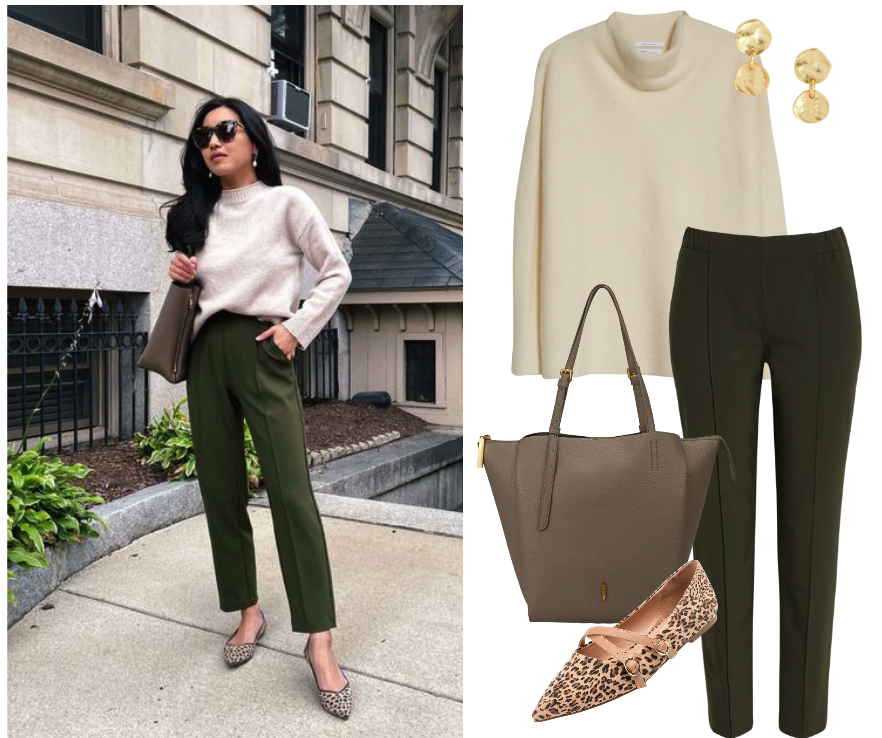
Women have more options but should still avoid jeans. Here is how to look professional:
Pants And Skirts
Choose dress pants or skirts that reach at least the knee. Avoid leggings and tight-fitting pants.
A-line and pencil skirts are both good choices. If you prefer pants, look for straight or wide-leg styles. Stay away from leggings, yoga pants, or pants with loud prints.
Tops
Blouses and sweaters are safe. Avoid tops with deep necklines or flashy designs.
You can layer a blouse under a cardigan or blazer for extra polish. If your office allows short sleeves, wear neat, fitted tops. Avoid shiny fabrics or tops with lots of decorations.
Shoes
Wear flats, loafers, or low heels. Avoid sneakers and sandals.
Choose shoes in neutral colors like black, beige, or navy. If you want a bit of style, pick shoes with simple details like a small buckle or bow.
Accessories
Keep jewelry simple. Scarves can add color. Avoid large handbags or backpacks.
Small earrings and a watch are fine. If you carry a bag, choose a structured tote or handbag. Avoid bags with bright colors or large logos.
Example Outfit
- Black dress pants
- Light blue blouse
- Black flats
- Navy blazer
This outfit is easy to update with different blouses or accessories.
Business Casual In Different Workplaces
Some workplaces have unique rules. It is important to understand your office culture.
Corporate Offices
In finance, law, and consulting, business casual is close to formal wear. Jeans are never allowed. Stick to slacks, button-downs, and blazers.
Dress for meetings and presentations as if you are meeting a client. If in doubt, dress more formally.
Tech Companies
Some tech firms are more relaxed, but business casual usually means no jeans. Choose chinos and neat shirts.
Some startups allow jeans, but usually only on casual days. For interviews and first days, avoid jeans until you see what managers wear.
Creative Fields
Advertising and design agencies might be more flexible. Still, jeans are often reserved for casual Fridays.
You can use more color and patterns in creative fields, but keep your main pieces business casual.
Retail And Hospitality
If you work with customers, you need to look extra neat. Business casual here means clean, crisp clothes. Jeans are not accepted.
Wear comfortable shoes, but make sure they are dressy and closed-toe.
The Impact Of Dressing Well
Dressing in business casual helps you look trustworthy and competent. Studies show that people judge your professionalism by your appearance. According to a survey by the Society for Human Resource Management, 72% of managers say that dressing appropriately affects how employees are seen by clients and coworkers.
Practical tip: If you are unsure, dress a little more formally. It is better to be slightly overdressed than underdressed.
Another benefit: dressing well can boost your confidence. When you look professional, you feel more prepared and respected. It can even help with networking and job promotions.
How To Transition From Jeans To Business Casual
Changing your wardrobe does not need to be expensive or stressful.
Plan Your Purchases
Set a budget. Buy one or two pieces at a time. Look for sales or secondhand stores.
When shopping, try clothes on and check the fit. If you buy used clothes, check for stains or damage.
Mix And Match
Use your new pieces with what you already have. For example, pair a new button-down shirt with your old slacks.
If you have a favorite sweater, match it with dress pants instead of jeans. Slowly replace casual pieces with business casual items.
Ask For Advice
If your office has a dress code, ask HR or a manager for tips. Look at what your coworkers wear.
If you are new, try to observe what people wear in meetings. This helps you understand the unwritten rules.
Avoid These Mistakes
- Do not assume jeans are okay just because others wear them.
- Avoid clothes that are too tight or too loose.
- Do not wear casual sneakers or sports shoes.
Another mistake is buying too many items at once. Build your wardrobe slowly so you can adjust based on feedback.

Credit: www.merricksart.com
Business Casual Dos And Don’ts
To help you remember, here are some quick dos and don’ts:
Dos
- Wear neat, well-fitted clothes
- Choose slacks, chinos, or skirts
- Pick button-down shirts, blouses, or sweaters
- Wear dress shoes
- Keep accessories simple
Don’ts
- Do not wear jeans, shorts, or leggings
- Avoid sneakers, sandals, or boots with heavy details
- Do not wear T-shirts or hoodies
- Avoid clothes with large logos or prints
- Do not wear wrinkled or dirty clothes
If you are ever unsure, ask a manager. You can also check your company dress code for guidance.
Common Questions About Business Casual
Many people feel unsure about what counts as business casual. Here are answers to frequent questions:
Can I Wear Jeans If They Are Dark And Expensive?
No. Even dark, expensive jeans are not business casual. The fabric and style are too relaxed. Stick to slacks or chinos.
Some people think designer jeans are special, but the material is still denim. For interviews or important meetings, avoid jeans.
Is It Okay To Wear Sneakers?
No. Sneakers are too casual for business casual. Choose dress shoes, loafers, or flats.
Some offices allow sneakers only on casual Fridays. If your shoes are comfortable but dressy, they are a good choice.
What If My Office Allows Jeans?
Some offices do allow jeans on casual days. But for business casual, jeans are not accepted. Ask HR if you are unsure.
Always follow the written dress code. If jeans are allowed, wear only dark, clean, and simple styles.
Can I Wear Patterns Or Colors?
Yes, but keep patterns subtle and colors neutral. Bright prints or loud designs are not business casual.
If you want to add color, use accessories. For main pieces, stick to navy, black, gray, or beige.
How Many Outfits Do I Need?
You do not need many. Five to seven outfits are enough if you mix and match your pieces. Focus on quality and fit.
Rotate your shirts and pants to keep your wardrobe fresh. If you buy one extra piece each season, you can update your style easily.
Business Casual Vs Smart Casual
People often confuse business casual with smart casual. Here is a clear comparison:
| Business Casual | Smart Casual |
|---|---|
| Slacks, chinos, skirts | Dark jeans, chinos, skirts |
| Button-down shirts, blouses | Polo shirts, neat sweaters |
| Dress shoes, loafers | Loafers, clean sneakers |
| No jeans allowed | Jeans allowed if neat |
Non-obvious insight: Smart casual sometimes allows jeans, but business casual never does. If you are invited to a business casual event, always avoid jeans.
For smart casual, you can wear stylish sneakers and neat jeans, but never in business casual settings.
Business Casual For Different Seasons
Your business casual wardrobe should change with the weather. Here are practical tips:
Spring And Summer
- Choose light fabrics like cotton or linen
- Wear short-sleeve button-downs or blouses
- Stick to lighter colors
Try to wear breathable shoes like loafers or flats. Avoid sandals, even if the weather is hot.
Fall And Winter
- Use wool or thicker fabrics
- Add sweaters or blazers
- Wear darker colors
Layer your clothes for warmth. You can add a scarf for style and comfort, but keep it simple.
Non-obvious insight: Many people only focus on shirts and pants, but shoes matter too. Choose closed-toe shoes in winter and lighter, but still professional shoes in summer. Do not switch to boots unless they are dress boots.
Data: What Employers Expect
A survey from LinkedIn found that 60% of employers prefer employees to dress business casual. Only 10% allow jeans as part of business casual. This means most offices expect you to wear slacks, button-downs, and dress shoes.
Managers report that employees who dress professionally are seen as more reliable and competent. Dress codes may change, but most companies stick to business casual.
Example Business Casual Wardrobe
Here is a sample wardrobe for a week:
| Day | Men's Outfit | Women's Outfit |
|---|---|---|
| Monday | Gray slacks, blue shirt, black loafers | Black skirt, white blouse, black flats |
| Tuesday | Navy chinos, white shirt, brown loafers | Beige pants, navy sweater, brown loafers |
| Wednesday | Black slacks, gray sweater, black oxfords | Gray skirt, light blue blouse, gray flats |
| Thursday | Khaki pants, white polo, brown loafers | Black pants, cream sweater, black flats |
| Friday | Blue slacks, light gray shirt, black loafers | Navy skirt, pink blouse, navy flats |
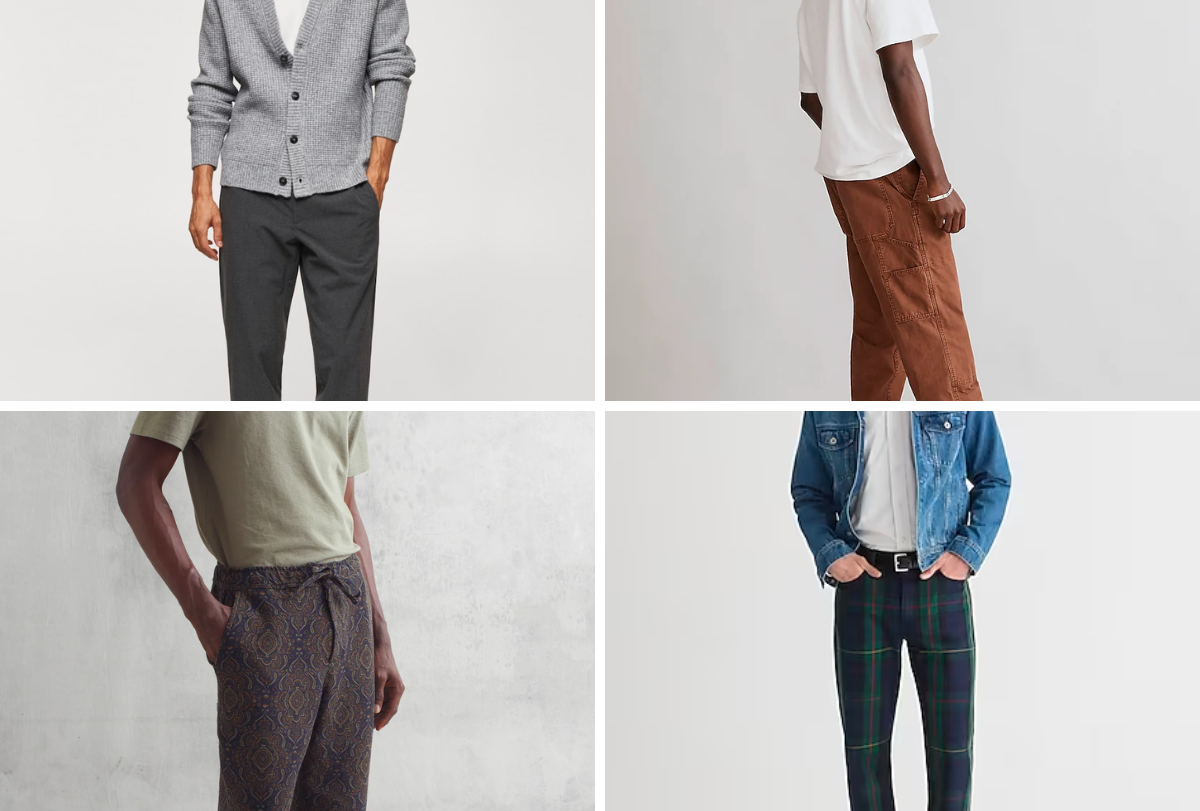
This mix lets you look professional every day without jeans. You can swap accessories or jackets to add variety.
Credit: stylegirlfriend.com
Tips For Non-native English Speakers
If English is not your first language, you may find dress code terms confusing. Here are simple explanations:
- Slacks: Dress pants made from smooth fabric
- Chinos: Cotton pants, usually in neutral colors
- Blouse: Dressy top for women
- Loafers: Slip-on dress shoes
- Blazer: Suit jacket, but less formal
Ask your manager if you are unsure about a word or dress code. Many companies send emails with pictures or examples—use these as a guide.
If you do not understand a word, search online for images. This helps you see what the clothing looks like.
How To Handle Dress Code Changes
Sometimes companies change their dress code. If your office switches from casual to business casual, take these steps:
- Read the new dress code carefully.
- Ask questions if you do not understand.
- Start with basic items (slacks, shirts, dress shoes).
- Mix new clothes with your old pieces if they fit the dress code.
- Do not rush—build your wardrobe over time.
Practical tip: Keep one outfit ready for important meetings or interviews. This helps you feel confident.
When changes happen, look at what managers and team leaders wear. Follow their example for your own wardrobe.
Frequently Asked Questions
What Is The Biggest Mistake People Make With Business Casual?
Many people wear jeans, thinking they are business casual. Jeans are always too casual unless your office clearly allows them.
Another common mistake is wearing T-shirts under blazers. This makes your outfit look mixed, not professional.
Can I Wear Short Sleeves In Business Casual?
Yes, short-sleeve shirts and blouses are fine, especially in warm weather. Make sure they look neat and are not too tight.
Avoid sleeveless tops unless your office allows them.
Are Leggings Allowed In Business Casual?
No, leggings are too casual. Wear dress pants or skirts instead.
If you want comfort, try stretchy dress pants or skirts with elastic waistbands.
How Can I Tell If Shoes Are Business Casual?
Business casual shoes are closed-toe, simple, and clean. Avoid sneakers, sandals, and boots with heavy details.
If your shoes look similar to what you would wear at a wedding or job interview, they are probably business casual.
Do Accessories Matter In Business Casual?
Yes, but keep them simple. Watches, belts, small earrings, and scarves are fine. Avoid large jewelry or flashy items.
Keep makeup simple and natural. Avoid bright colors unless your office allows them.
Dressing business casual can feel confusing at first, but it gets easier with practice. Remember, jeans are not business casual. Choose slacks, button-downs, and dress shoes to look sharp and professional. If you have questions, ask your manager or check trusted sources like SHRM. With the right wardrobe, you will feel confident at work every day.
