

Business Casual Style Guide for Men:
Business Casual Style Guide For Men
First impressions in the business world often begin with what you wear. Business casual has become the standard for many offices, but its definition is not always clear. Some men worry about being too formal or too relaxed, while others struggle to combine comfort with professionalism. This guide helps you understand the business casual dress code, choose the right pieces, and build a wardrobe that works in any situation. Whether you’re new to the workplace or want to refresh your look, you’ll discover practical advice, examples, and tips that make business casual easy to master.
What Is Business Casual?
Business casual is a mix of professional attire and relaxed clothing. It’s less formal than a suit and tie, but more polished than jeans and t-shirts. The goal is to look neat, approachable, and ready for work, without appearing overdressed.
Key Principles
- Clean and neat: Clothes must be pressed, free of stains, and well-fitted.
- Comfortable but professional: You should feel relaxed, but still look like you’re at work.
- Appropriate for the office: Avoid overly casual or flashy items.
Most business casual outfits include collared shirts, slacks, leather shoes, and sometimes a blazer. Denim, sneakers, and graphic tees are usually too casual unless your office specifically allows them.
Why It Matters
A business casual dress code gives you freedom and flexibility. You can express your style while still fitting in with your company culture. Studies show that employees who dress well feel more confident and are taken more seriously by colleagues and clients.
Essential Elements Of Business Casual
Building a business casual wardrobe starts with understanding the core pieces. These are items you can mix and match for different occasions.
Shirts
Button-down shirts are the backbone of business casual. They come in many colors and patterns, but stick to simple designs for a professional look. Polo shirts are also acceptable in many workplaces, especially during warmer months.
- Colors: White, light blue, pale pink, gray, navy
- Patterns: Thin stripes, small checks, solid colors
Avoid loud prints or shirts with logos. Tuck in your shirt for a neat appearance.
Pants
Chinos and dress slacks are the best choices. They offer comfort while looking sharp. Choose pants in neutral colors like beige, navy, gray, or black.
- Fit: Not too tight or baggy. Straight or slim cuts are best.
- Length: Should just touch the top of your shoes
Jeans can be worn in some modern offices, but only in dark washes and with no rips.
Jackets And Blazers
Adding a blazer instantly elevates your outfit. Opt for unstructured styles if you want a relaxed feel. Blazers are not always required, but they’re useful for meetings or presentations.
- Colors: Navy, charcoal, light gray
- Fabric: Cotton, wool, linen blends
Sports jackets are a bit more casual, but should still be tailored.
Shoes
Leather shoes are essential in business casual. Loafers, oxfords, or brogues are all appropriate.
- Colors: Black, brown, tan
- Materials: Leather, suede
Avoid athletic shoes, sandals, or anything too flashy. Socks should match your pants or shoes.
Accessories
Small touches make your outfit more polished. Belts, watches, and simple ties can be included, but keep them understated.
- Belts: Match your shoes
- Watches: Classic designs, not too large
- Ties: Optional, usually not needed for business casual
Outerwear
During colder months, choose wool coats, trench coats, or casual jackets in neutral colors. Avoid bright colors and sportswear.
Business Casual Vs. Other Dress Codes
Understanding how business casual compares to other dress codes helps avoid mistakes. Here’s a quick comparison:
| Dress Code | Key Features | Typical Items |
|---|---|---|
| Business Formal | Very polished, suits and ties | Suits, dress shirts, ties, dress shoes |
| Business Casual | Relaxed, smart, comfortable | Button-down shirts, chinos, blazers, loafers |
| Casual | Very relaxed, informal | T-shirts, jeans, sneakers |
Many men confuse business casual with smart casual. Smart casual often includes trendy pieces and can be more fashion-forward, while business casual stays professional.
Building Your Business Casual Wardrobe
A well-planned wardrobe makes dressing easy every day. Start with a few essentials, then add variety over time.
Core Pieces
- White button-down shirt
- Light blue button-down shirt
- Navy chinos
- Gray slacks
- Dark brown leather loafers
- Black leather belt
- Navy blazer
- Classic watch
Having these basics lets you create many combinations. For example, a white shirt with gray slacks and brown loafers is always appropriate.
Expanding With Color And Texture
Once you have the essentials, add shirts in pale pink, patterned options like subtle checks, and chinos in beige or olive. Introduce sweaters in neutral shades for layering.
Seasonal Adjustments
- Summer: Lightweight fabrics like linen or cotton. Short-sleeve shirts are acceptable if they are tailored.
- Winter: Thicker materials such as wool. Add layers like sweaters or vests.
Practical Tips
- Invest in quality over quantity. Cheap clothes wear out quickly.
- Try on clothes before buying. Fit is more important than brand.
- Tailor pants and jackets if needed. Even small adjustments improve your look.
- Rotate shoes to prevent wear and maintain cleanliness.
Business Casual Outfits For Different Occasions
Business casual is not one-size-fits-all. Adjust your outfit based on your office culture and the event.
Everyday Office
A button-down shirt with chinos and loafers is comfortable for daily work. Add a blazer if you have meetings.
Client Meetings
Elevate your look with a crisp shirt, tailored slacks, and a blazer. Choose darker colors for a more formal appearance.
Casual Fridays
Many offices relax the dress code on Fridays. You can wear polos or dark jeans, but always pair them with smart shoes and a belt.
Office Events
For after-work events, add a sweater or switch to a patterned shirt. Avoid anything too flashy; stick to classic styles.
Common Mistakes In Business Casual
Many men make mistakes when trying to dress business casual. Avoid these pitfalls to look your best.
- Wearing athletic shoes: Even if they are clean, they look too casual.
- Untucked shirts: Always tuck in your shirt for a polished look.
- Wrinkled clothes: Iron or steam your outfits.
- Over-accessorizing: Keep accessories simple.
- Bright colors or loud patterns: Stick to neutrals and subtle designs.
- Shorts: Never wear shorts in a business casual setting.
- Visible undershirts: Choose V-neck or invisible undershirts.
Some men also forget about grooming. Well-kept hair and clean nails are part of business casual.

Credit: plattar.com
Fit And Tailoring: Why It Matters
Fit is the foundation of good style. Even expensive clothes look poor if they don’t fit well.
How To Check Fit
- Shirt: Should fit at the shoulders and not pull at the buttons.
- Pants: Should sit comfortably at the waist, not sag or pinch.
- Jacket: Should close easily and lay flat across the chest.
Tailoring is often affordable and makes a huge difference. Hem your pants, adjust shirt sleeves, and take in jackets for a sleek look.
Data Insight
A survey by the American Apparel & Footwear Association found that 62% of men feel more confident in tailored clothing. Tailored pieces also last longer because they are adjusted for your body.
Choosing Fabrics For Comfort And Style
Fabric choice affects how you feel and how you look. Some materials are better for business casual.
| Fabric | Benefits | Best Use |
|---|---|---|
| Cotton | Breathable, easy to care for | Shirts, chinos, blazers |
| Wool | Warm, durable, classic look | Slacks, sweaters, coats |
| Linen | Cool, lightweight, comfortable | Summer shirts, blazers |
| Polyester blends | Wrinkle resistant, easy to wash | Dress shirts, pants |
Avoid synthetic fabrics that look shiny or feel uncomfortable.
Color And Pattern Guidelines
Choosing the right colors and patterns makes business casual stylish but not distracting.
Neutral Colors
The safest choices are navy, gray, black, beige, and white. These shades mix well and suit any skin tone.
Accent Colors
Once you’re comfortable with neutrals, add accent colors like pale pink, light green, or burgundy. Use them in shirts or accessories.
Patterns
Small patterns such as thin stripes or tiny checks work well. Avoid large prints or bright designs. If you wear a patterned shirt, keep the rest of your outfit simple.
Color Coordination Tips
- Match your belt to your shoes.
- Limit bold colors to one item per outfit.
- For beginners, stick to one patterned piece at a time.
Grooming And Personal Care
Business casual is not just about clothing. Good grooming completes your look.
Hair
Keep hair trimmed and neat. Avoid extreme styles. If you have facial hair, make sure it’s well-groomed.
Skin
Moisturize your skin and shave regularly. Dry skin or stubble can make you look less polished.
Nails
Keep nails clean and trimmed. Avoid biting or neglecting them.
Fragrance
Use cologne sparingly. Choose fresh, light scents.
Business Casual In Different Industries
The definition of business casual changes depending on your field. Here’s how it looks in different workplaces:
| Industry | Typical Business Casual | Special Notes |
|---|---|---|
| Finance | Button-down shirts, slacks, blazers | More formal, avoid jeans |
| Tech | Polo shirts, chinos, loafers | Casual Fridays often allow jeans |
| Marketing | Patterned shirts, slim chinos, stylish shoes | More freedom for color and style |
| Legal | Solid shirts, dark slacks, formal shoes | Very conservative, blazers often required |
Always check your company’s handbook or ask HR if you’re unsure. Some offices allow more casual items, while others expect a higher standard.
Sustainable Choices In Business Casual
Many men overlook the impact of clothing on the environment. Choosing sustainable fabrics and buying less but better can make a difference.
- Organic cotton: Uses less water and chemicals.
- Recycled materials: Some brands use recycled polyester or wool.
- Quality over quantity: Durable clothes reduce waste.
Brands like Patagonia, Everlane, and Bonobos offer sustainable options for business casual wardrobes. Considering where your clothes come from is a non-obvious way to improve your style and help the planet.
How To Shop For Business Casual
Shopping can be overwhelming, but a few strategies make it easier.
Set A Budget
Decide how much you want to spend. Quality pieces cost more upfront but save money in the long run.
Try Before You Buy
Fit varies between brands. Always try on shirts, pants, and blazers. If shopping online, check return policies.
Look For Versatility
Choose items that match with at least three other pieces in your wardrobe. Neutral colors and classic styles are more versatile.
Online Vs. In-store
Online shopping offers more choices and often lower prices, but you can’t try on before buying. In-store shopping lets you check fit and quality.
Data Insight
According to Statista, over 60% of men prefer to shop online for clothing, but returns are twice as common compared to in-store purchases. This shows the importance of understanding fit and reading reviews.
Two Non-obvious Insights
- Layering for climate control: Even in business casual, layering with sweaters or vests helps you adapt to changing office temperatures. It also adds depth to your outfit. Many men forget that layering can be practical as well as stylish.
- Subtle branding: Avoid visible logos, but subtle branding (like unique buttons or stitching) can signal quality without being flashy. Most beginners focus only on color or fit and miss these quality indicators.
Quick Business Casual Combinations
If you’re unsure what to wear, try these easy combinations:
- White shirt + navy chinos + brown loafers
- Light blue shirt + gray slacks + black belt
- Pale pink shirt + beige chinos + tan brogues
- Patterned shirt + navy blazer + charcoal slacks
- Polo shirt + olive chinos + leather sneakers
Each combination works for most office situations and can be adjusted with a blazer or sweater.
Business Casual For Tall, Short, And Athletic Men
Body type affects how clothes fit and look.
Tall Men
- Choose longer shirts and jackets.
- Avoid vertical stripes, which make you look taller.
- Try layering to break up height.
Short Men
- Opt for slim, tailored fits.
- Avoid oversized items.
- Use monochrome outfits to appear taller.
Athletic Men
- Look for stretch fabrics.
- Tailor shirts and jackets to avoid tightness at the shoulders.
- Straight leg pants balance proportions.
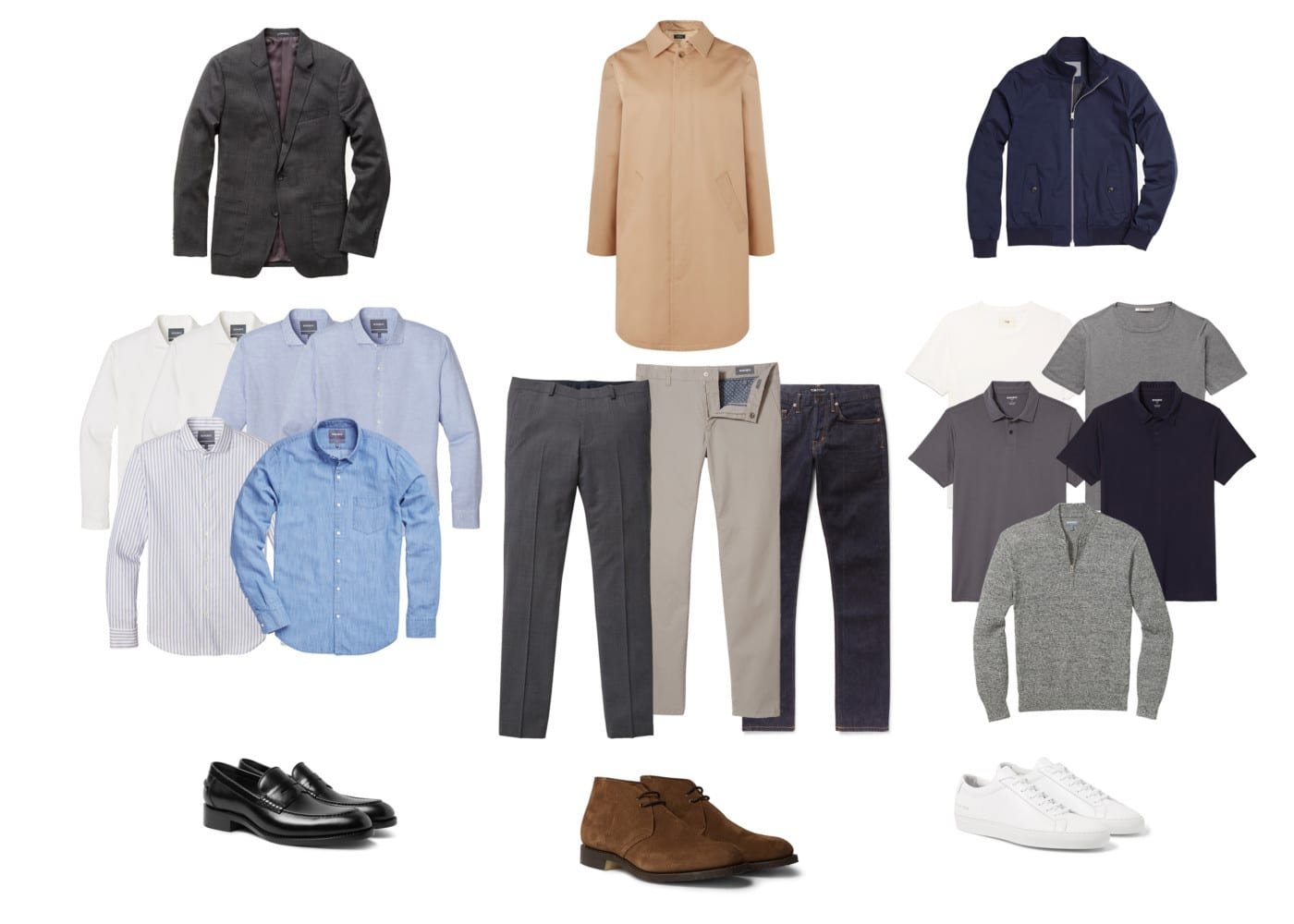
Credit: www.theessentialman.com
Caring For Your Business Casual Clothes
Proper care keeps your wardrobe looking fresh.
- Wash shirts in cold water to prevent shrinking.
- Hang pants and jackets to avoid wrinkles.
- Polish leather shoes regularly.
- Use a steamer for quick wrinkle removal.
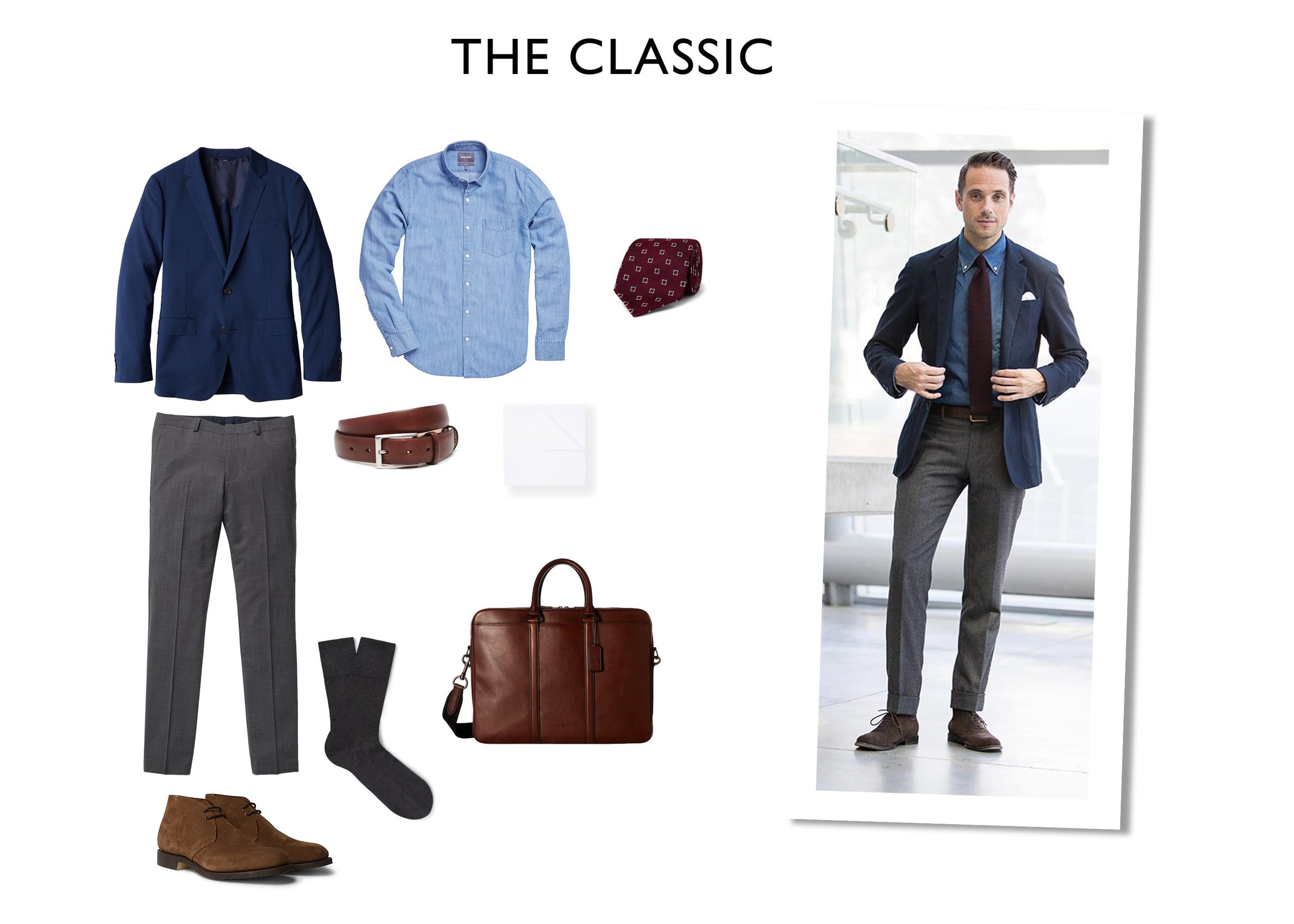
Business Casual For Remote Work
Even when working from home, business casual helps you stay productive and professional for video calls.
- Wear button-down shirts or polos.
- Choose comfortable pants that still look smart.
- Keep a blazer nearby for meetings.
Credit: www.theessentialman.com
How To Transition Between Dress Codes
Sometimes you need to move from business casual to formal or casual in the same day.
- Keep a tie and blazer at work for sudden meetings.
- For casual events, remove the blazer and switch to a polo.
- Use accessories to change your look quickly.
Frequently Asked Questions
What Is The Safest Business Casual Outfit For Men?
A white button-down shirt, navy chinos, and brown loafers is always safe. Add a blazer if you need to look more formal.
Can I Wear Jeans In A Business Casual Office?
Dark, well-fitted jeans with no rips can work in some offices, but check your company’s dress code first. Always pair jeans with a smart shirt and shoes.
Are Sneakers Ever Allowed In Business Casual?
Usually no. Some modern offices allow leather sneakers in neutral colors, but athletic sneakers are too casual. Stick with loafers or brogues for most workplaces.
How Many Business Casual Outfits Should I Own?
Aim for 7–10 combinations so you have enough for each day of the week. Mix and match core pieces to create variety.
Where Can I Find More Business Casual Inspiration?
Men’s style websites and magazines offer outfit ideas and tips. For more detailed guidance, you can visit GQ Magazine for inspiration and advice.
Business casual lets you show confidence and professionalism while staying comfortable. By choosing the right pieces, keeping fit and grooming in mind, and avoiding common mistakes, you’ll always look your best. With practice, business casual becomes second nature and helps you make a strong impression, every day.
