

Business Casual Ideas for Men: Stylish Outfits for Every Office
Business Casual Ideas For Men
Looking good at work is about more than just following a dress code. The way you dress can change how people see you—and how you feel about yourself. For many men, the idea of "business casual" is confusing. What does it really mean?
How do you look sharp without being too formal or too relaxed? You want to send the right message, stay comfortable, and fit in with the office culture. This guide will help you master business casual, showing what to wear, what to avoid, and how to adjust your look for any situation.
You will find ideas for building a smart wardrobe, examples of full outfits, and advice for different body types, seasons, and office environments. You'll also learn some tips that many men miss—like how to care for your clothes and use small details to stand out.
Whether you are starting your first job, changing industries, or just want to upgrade your style, you'll find practical answers here.
Understanding Business Casual
Business casual is a dress code that sits between formal business wear and everyday casual clothes. You don't need a suit and tie, but you still look neat, professional, and put-together. The goal is to look approachable and competent, not stiff or sloppy.
The exact meaning of business casual depends on your industry and company. In creative fields or tech, you can be more relaxed. In finance or law, business casual still leans formal. If you're not sure, notice what your managers or colleagues wear.
What Business Casual Is Not
Many men make mistakes with business casual. It's not:
- Jeans with rips or fading
- T-shirts or hoodies
- Sneakers or sandals
- Shorts or athletic wear
- Overly tight or baggy clothing
If you are ever unsure, it’s safer to be slightly more formal.
Key Elements Of Business Casual
Most business casual outfits include:
- Dress pants or chinos
- Collared shirts (button-down or polo)
- Optional sweater or blazer
- Leather shoes (loafers, brogues, or oxfords)
- Minimal accessories
Your clothes should be clean, pressed, and fit well. Quality matters more than brand names.
Building A Business Casual Wardrobe
A strong wardrobe gives you options for any workday. Start with basics you can mix and match.
Essential Clothing Pieces
- Dress shirts: Choose solid colors like white, light blue, or subtle stripes. Avoid bold prints.
- Chinos: Slim or straight-fit chinos in navy, khaki, or gray are versatile.
- Dress trousers: Wool or cotton pants in dark colors work for more formal days.
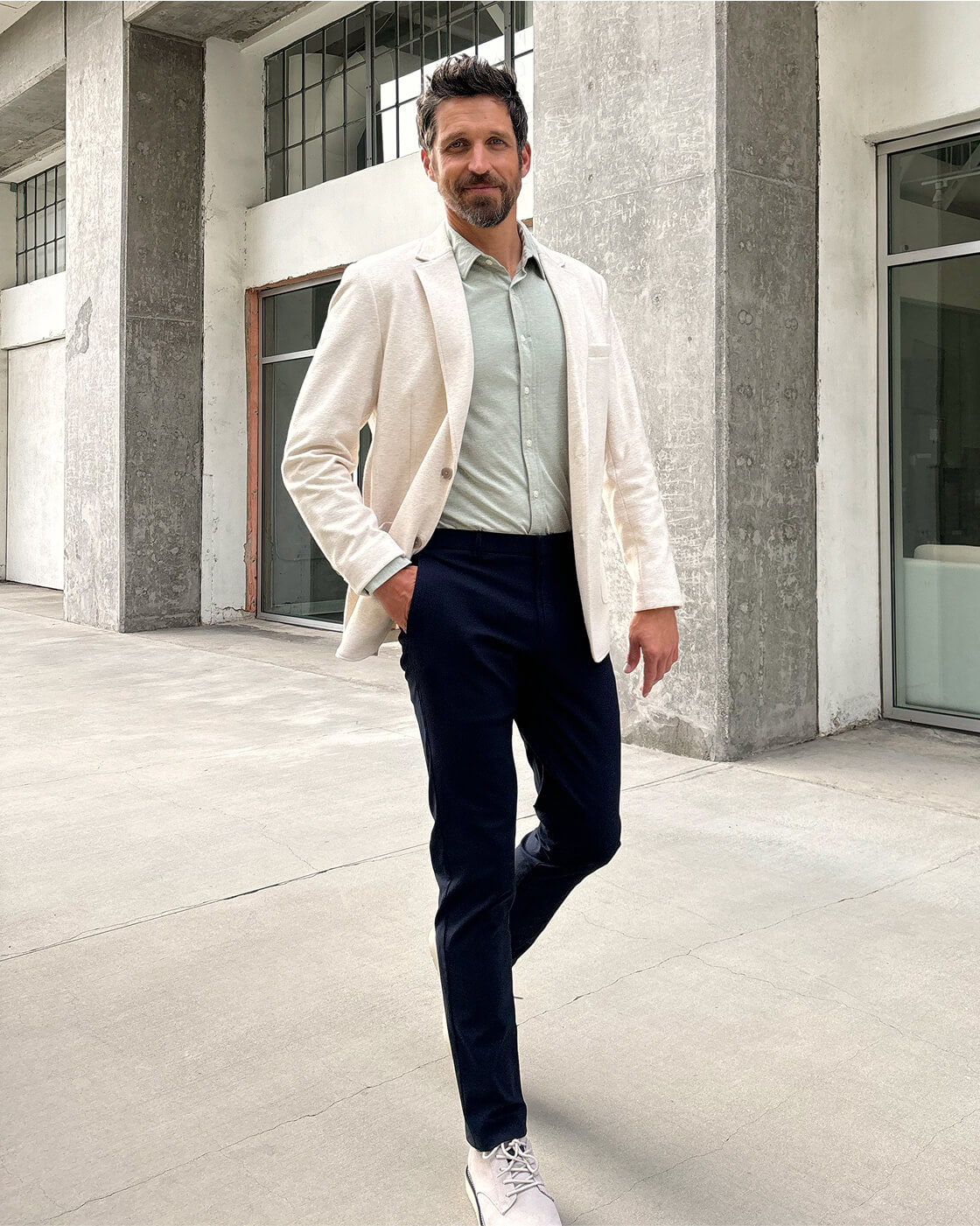
- Blazers: A navy or gray blazer adds polish. Unstructured blazers are more relaxed.
- Sweaters: Lightweight sweaters or vests work over shirts in cooler weather.
- Polo shirts: High-quality polos are good for casual offices, but avoid sports logos.
- Shoes: Leather loafers, derbies, or brogues in brown or black. Clean, simple sneakers can work in very casual offices.
- Belts: Match your belt to your shoes for a complete look.
Optional Items
- Cardigans or vests for layering
- Patterned shirts with subtle designs
- Dress boots for winter
- Scarves and overcoats for cold weather
Clothing Combinations That Work
Mix and match your essentials for variety. Here are three outfits:
- Navy chinos + white dress shirt + brown loafers
- Gray trousers + pale blue button-down + navy blazer + black oxfords
- Khaki chinos + light sweater over checked shirt + dark brown derbies
Table: Business Casual Essentials And Variations
| Item | Classic Choice | Modern Variation |
|---|---|---|
| Shirt | White button-down | Pale pink or light pattern |
| Pants | Navy chinos | Olive or burgundy chinos |
| Shoes | Brown loafers | Suede derbies |
| Layer | Navy blazer | Unstructured knit jacket |
Shirt Choices For Business Casual
Your shirt is the center of your outfit. It should be comfortable, fit well, and look sharp even without a tie.
Button-down Shirts
A crisp button-down shirt in cotton is a classic. Choose slim or regular fit based on your body type. Avoid wrinkle-resistant shirts with a shiny finish; they can look cheap.
For more personality, add shirts with:
- Subtle checks or stripes
- Light pastel colors
- Small collar details
Polo Shirts
Polos work for offices with a relaxed culture. Pick polos in cotton or soft performance fabric, and avoid large logos. Keep colors muted for a professional look.
Layering Options
Layering makes your outfit flexible for changing temperatures.
- Sweaters: Fine-knit crew or V-neck sweaters fit over shirts without bulk.
- Vests: Sweater vests add warmth and style without a jacket.
- Blazers: Throw on a blazer for meetings or presentations.
Pants: Chinos, Dress Trousers, And More
Pants are the foundation of business casual. They should be tailored but not tight.
Chinos
Chinos are the most common business casual pants. Neutral colors like navy, khaki, gray, and olive are easy to match. Avoid cargo pockets, heavy distressing, or baggy fits.
Dress Trousers
For a more formal look, try wool or cotton dress trousers. These work well with blazers or on their own. Dark colors like charcoal or navy are safest.
Other Options
- Corduroy pants: Add texture, best in fall and winter
- Dress jeans: Only in creative offices, and only in dark, plain washes
Jackets And Blazers
Adding a jacket upgrades your outfit and gives you more options.
When To Wear A Blazer
Wear a blazer for client meetings, presentations, or when you want to look more polished. A blazer can also help if you are new to an office and want to make a good first impression.
Choosing The Right Blazer
- Navy, gray, or brown are most versatile
- Unstructured blazers are softer and less formal
- Make sure the jacket fits in the shoulders and is not too long
Sports Coats Vs. Blazers
Sports coats often have patterns or textures and are less formal than blazers. Both can work for business casual, but keep colors subtle for the office.
Table: Blazer Types And When To Wear
| Type | Best For | Notes |
|---|---|---|
| Structured Blazer | Formal meetings | Classic fit, dressier |
| Unstructured Blazer | Everyday office | Soft, relaxed |
| Sports Coat | Casual Fridays | Patterns or texture |
Shoes And Accessories
What you put on your feet and wrists can change your whole look.
Shoes For Business Casual
Choose shoes that are clean and in good repair. The safest options are:
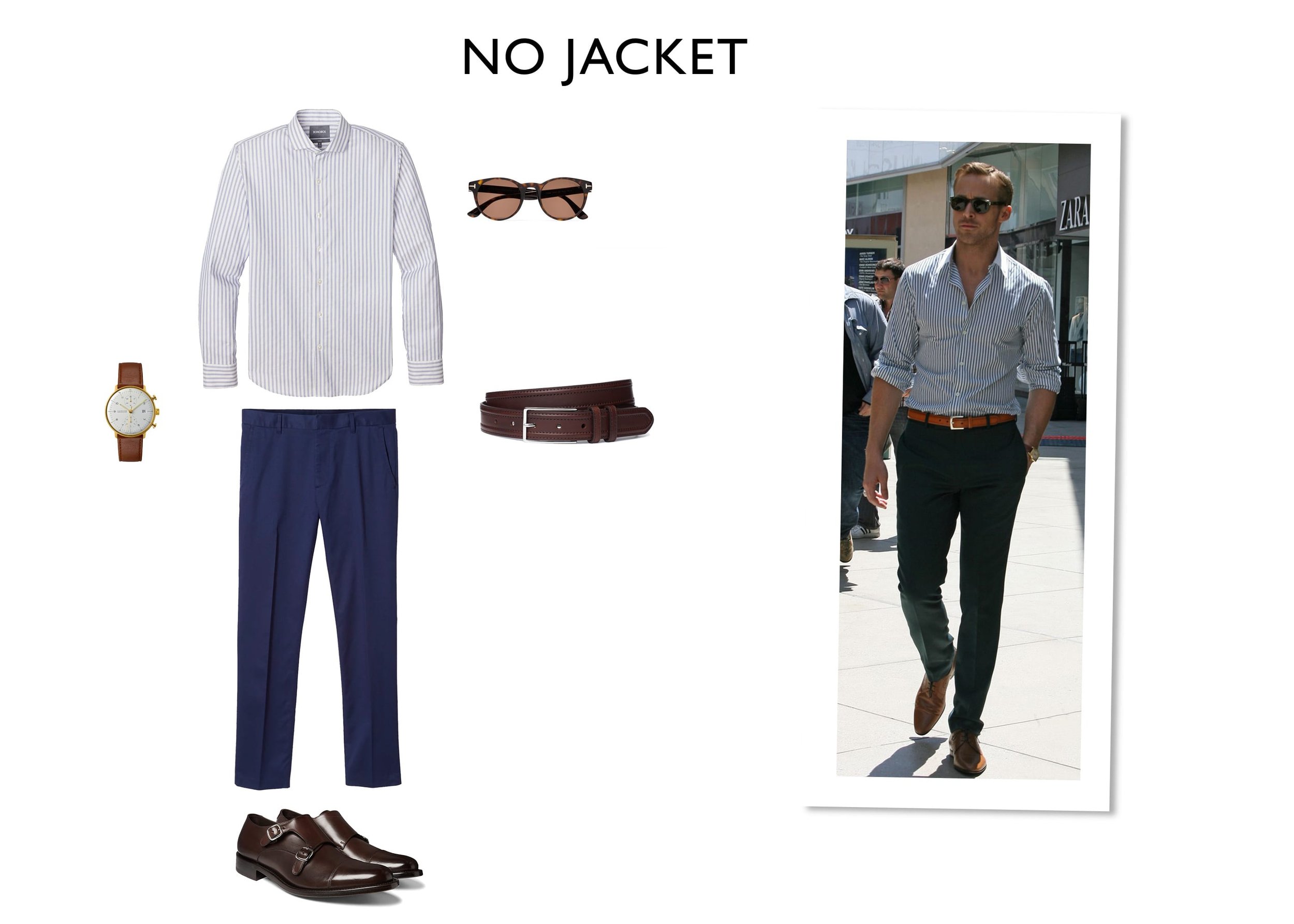
- Loafers: Easy to slip on, work with chinos or trousers
- Derbies: Slightly more formal than loafers
- Oxfords: The most formal shoe for business casual
- Monk straps: Modern, stylish choice
- Dress boots: Good for winter or rain
Avoid athletic shoes, sandals, or shoes with loud colors.
Socks
Keep socks simple—solid colors or subtle patterns. Match them to your pants or shoes.
Belts
A leather belt that matches your shoe color completes your look.
Watches And Small Details
A classic metal or leather watch adds style without being flashy. Avoid big, chunky sports watches at work. Pocket squares or tie bars are optional but can show personality.
Bags And Briefcases
Instead of a backpack, use a leather briefcase, messenger bag, or simple tote.
Credit: www.theessentialman.com
Business Casual For Different Body Types
Clothes should fit your shape, not just your size. Here are tips for different builds:
Slim Build
- Choose shirts with a little structure
- Layer with sweaters or blazers to add bulk
- Avoid skinny pants—try slim or straight fits
Athletic Build
- Look for shirts with stretch to fit your shoulders and arms
- Avoid shirts that are too tight at the waist
- Try trousers with a little room in the seat and thigh
Larger Build
- Pick shirts with a slight taper, not baggy or tight
- Vertical stripes or darker colors can slim your look
- Go for structured jackets that define the shoulders
Business Casual Through The Seasons
You can adapt business casual to any climate with the right fabrics and colors.
Spring And Summer
- Light cotton shirts and chinos
- Polos and unstructured blazers
- Loafers or light dress shoes
- Light colors (pastel shirts, tan pants)
Fall And Winter
- Thicker fabrics like wool trousers or corduroys
- Layer with sweaters, vests, and jackets
- Darker colors (navy, charcoal, olive)
- Dress boots for warmth
Table: Seasonal Business Casual Fabrics
| Season | Best Fabrics | Notes |
|---|---|---|
| Spring | Cotton, linen blends | Breathable, light colors |
| Summer | Linen, lightweight cotton | Short sleeves, no heavy layers |
| Fall | Wool, corduroy | Layering, deeper colors |
| Winter | Wool blends, flannel | Thicker knits, boots |
Business Casual In Different Workplaces
The meaning of business casual changes by industry and location. Here’s how to adapt:
Corporate Offices
- Stick to dress shirts, trousers, and blazers
- Polos are OK on Fridays or casual days
- Avoid jeans and sneakers
Creative Or Tech Companies
- Chinos, dress jeans, and polos are fine
- You can try patterned shirts and casual shoes
- Avoid anything too loud or sloppy
Client Meetings
- Dress up with a blazer, even if the office is relaxed
- Choose simple, neutral colors
Remote Or Hybrid Work
- Wear a collared shirt for video calls
- Comfortable, neat pants (chinos, not sweatpants)
- Good grooming is still important
How To Care For Your Business Casual Clothes
Clothes last longer and look better with proper care. Many men overlook this step.
Washing And Ironing
- Wash shirts in cold water to prevent shrinking
- Hang dry dress shirts to avoid wrinkles
- Iron or steam shirts and pants before wearing
Storing
- Hang blazers and trousers on good hangers
- Fold sweaters to avoid stretching
- Store shoes with shoe trees to keep their shape
Repairs
Fix small problems quickly—replace missing buttons, polish shoes, and trim loose threads.
Common Mistakes And How To Avoid Them
Even men with good taste can get business casual wrong. Here are mistakes to watch for:
- Ignoring fit: Baggy or tight clothes look unprofessional.
- Wearing athletic gear: Even clean sneakers or hoodies are too casual.
- Not matching accessories: A black belt with brown shoes looks off.
- Choosing poor fabrics: Cheap materials wrinkle, fade, and lose shape.
- Neglecting shoes: Scuffed or dirty shoes ruin a good outfit.
- Over-accessorizing: Too many bracelets or loud patterns can distract.
- Forgetting about grooming: Neat hair and trimmed nails matter as much as clothes.
Non-obvious Tips For Standing Out
Many men stop at the basics. Here are two insights that can help you look even better:
- Try monochrome outfits: Wearing shades of the same color (like gray pants, light gray shirt, charcoal blazer) creates a modern, put-together look.
- Upgrade your undershirts: A well-fitted, high-quality undershirt keeps dress shirts looking crisp and absorbs sweat without showing through.
Also, swapping standard buttons on a blazer for unique (but tasteful) ones can make your outfit memorable without being flashy.
Sample Business Casual Outfits For Different Scenarios
You may need to adjust your outfit for the day’s events. Here are some examples:
- Presentation day: Light blue dress shirt, charcoal trousers, navy blazer, black oxfords
- Casual Friday: Patterned button-down, olive chinos, brown loafers
- After-work event: Pale pink shirt, navy chinos, gray unstructured jacket, suede derbies
These combinations show how small changes—like switching a shirt or adding a blazer—can make the same pants and shoes look totally different.
Finding Your Personal Style
Business casual doesn't mean looking like everyone else. Start with the basics, then add small details that fit your personality:
- A favorite color for shirts or socks
- Unique but subtle patterns (like micro-check shirts)
- A simple, tasteful lapel pin or pocket square
Don’t force a look that feels uncomfortable. Confidence comes from wearing clothes that fit both your body and your taste.
Credit: www.stitchfix.com
Sustainability And Smart Shopping
Caring about your wardrobe’s impact is becoming more important. Here’s how to build a business casual collection that’s good for you and the planet:
- Invest in quality over quantity—fewer, better pieces last longer
- Choose natural fabrics like cotton, wool, or linen
- Buy from brands with strong ethical policies
- Tailor clothes for better fit instead of buying new
For more advice on sustainable fashion, visit the Fashion Revolution website.
Frequently Asked Questions
What Is The Main Difference Between Business Casual And Formal Business Attire?
Business casual is less strict than formal business wear. You can skip the suit and tie, and use chinos, dress shirts, and loafers instead of full suits and oxfords. Formal business attire is more structured, usually requiring a matching suit and dress shoes.
Can I Wear Jeans In A Business Casual Office?
It depends on your company's culture. In many traditional offices, jeans are not considered business casual. In creative or tech workplaces, dark, plain jeans with no distressing are sometimes acceptable. Always check your office guidelines or look at what your manager wears.
Are Sneakers Ever Ok For Business Casual?
Most business casual offices require leather shoes. However, in some relaxed or creative workplaces, clean, minimal sneakers (in white, black, or navy) can work. Avoid athletic or colorful sneakers, and always check company policy.
How Do I Know If My Clothes Fit Correctly?
Shirts should fit your shoulders, with sleeves ending at your wrist bone. Pants should be straight or slightly slim, with no bunching or sagging. Jackets should hug your shoulders, and you should be able to button them without pulling or gaping.
How Many Outfits Do I Need For A Business Casual Wardrobe?
Start with about five shirts, three pairs of pants, two pairs of shoes, and a blazer or sweater. This gives you enough options for a week and lets you mix and match for variety.
Looking sharp at work doesn’t have to be complicated. With the right pieces, a little attention to detail, and your own personal touch, business casual can be both easy and enjoyable. As you try new combinations, you’ll find what makes you look and feel your best—and leave a positive impression wherever you go.
Credit: www.stitchfix.com
