

Does Business Casual Include Sneakers? A Modern Style Guide
Does Business Casual Include Sneakers?
Business casual is one of the most debated dress codes in the workplace. People often ask, “Does business casual include sneakers? ” The answer is not as simple as yes or no. Rules for business casual change between industries, companies, and countries.
In this article, you’ll find practical guidance, real examples, and clear explanations to help you make the right choice. Whether you’re starting a new job, preparing for an interview, or just want to look professional but comfortable, this guide will help you understand when sneakers fit into business casual—and when they don’t.
What Is Business Casual?
Business casual is a dress code that sits between formal business attire and casual wear. It’s meant to look professional but not too strict. You won’t need a suit and tie, but you also shouldn’t wear jeans and a T-shirt.
Business casual usually includes:
- Dress pants or khakis
- Collared shirts (like polos or button-downs)
- Sweaters or blazers
- Skirts or dresses for women (knee-length or longer)
- Closed-toe shoes
But what about sneakers? That’s where things get tricky.
Business Casual’s Flexibility
The main reason business casual is confusing is its flexibility. Companies have different rules. Some offices are very relaxed, while others expect you to look polished every day. Even small details, like shoe choice, can be interpreted differently.
For example, a tech startup may accept sneakers as part of business casual. However, a law firm may only allow leather shoes.
Key insight: The meaning of business casual depends on company culture, location, and your job role. What works in one place may not work in another.
The History And Evolution Of Business Casual
Business casual started as a way for companies to make the workplace feel more comfortable. Traditional business attire—suits, ties, and formal dresses—felt too strict for many modern jobs. So, business casual became popular in offices looking to balance professionalism with comfort.
How Sneakers Entered The Conversation
Sneakers were once seen only as sports shoes. Over time, designers began creating stylish sneakers that looked almost like dress shoes. Some brands made leather sneakers with clean lines, subtle colors, and minimal branding. These sneakers blurred the line between casual and formal footwear.
Fashion trends also played a big role. Celebrities, CEOs, and even politicians started wearing sneakers with suits. This made sneakers more acceptable in certain business settings.
Non-obvious insight: The rise of remote work and flexible office hours has made business casual even more relaxed. Many companies now allow sneakers on days when employees work from home or have informal meetings.
Types Of Sneakers: Which Ones Fit Business Casual?
Not all sneakers are equal. Some look professional, while others are too casual for business settings. Knowing the difference is key.
| Type of Sneaker | Business Casual Friendly? | Key Features |
|---|---|---|
| Minimalist Leather Sneakers | Yes | Low profile, neutral colors, clean design |
| Canvas Sneakers | Sometimes | Plain, dark colors preferred, avoid logos |
| High-Top Sneakers | No | Sporty look, often too casual |
| Chunky/Fashion Sneakers | No | Bold colors, thick soles, attention-grabbing |
| Running Shoes | No | Bright colors, athletic design, usually not polished |
Minimalist Leather Sneakers
These are the most accepted sneakers in business casual. They are made from leather, have simple shapes, and come in neutral colors like black, white, or brown. They look neat and blend well with dress pants or skirts.
Canvas Sneakers
Plain canvas sneakers in dark colors (like navy or black) can sometimes work. Avoid anything with big logos or patterns. These are more accepted in creative or tech workplaces.
High-tops And Chunky Sneakers
These types are usually too casual. High-tops look sporty, and chunky sneakers draw too much attention. Both are best left for weekends.
Practical tip: If you’re unsure, always lean towards minimalist sneakers. Clean lines and subtle colors are safer than bold designs.
Comparing Sneakers And Traditional Business Casual Shoes
Let’s see how sneakers stack up against other business casual shoes.
| Shoe Type | Professional Appearance | Comfort | Business Casual Suitability |
|---|---|---|---|
| Leather Sneakers | Moderate to High | High | Often accepted |
| Loafers | High | Moderate | Always accepted |
| Oxfords | High | Low to Moderate | Accepted, but more formal |
| Ballet Flats | High | Moderate | Always accepted |
| Canvas Sneakers | Low to Moderate | High | Sometimes accepted |
Non-obvious insight: While loafers and oxfords are always safe, they may not be comfortable for long workdays. Minimalist sneakers offer a balance of comfort and style, making them a smart option in many offices.
Workplace Culture: The Deciding Factor
The most important factor is your company’s culture. Some organizations value tradition, while others embrace new trends. Here’s how to find out what’s right for your workplace:
- Observe colleagues. Look at what your coworkers wear. If most people wear sneakers, it’s likely accepted.
- Check the dress code policy. Most companies have written guidelines. If sneakers are allowed, it will be mentioned.
- Ask HR or your manager. When in doubt, ask directly. It’s better to be clear than to risk breaking the rules.
- Location matters. Urban offices are often more relaxed. Rural or conservative areas may expect more formal shoes.
Examples From Different Industries
- Tech companies: Usually more relaxed. Sneakers and jeans are common.
- Creative agencies: Fashion-forward, often accept stylish sneakers.
- Finance and law: Traditional, sneakers rarely allowed.
- Education: Varies. Teachers may wear sneakers, but administrators dress more formally.
- Healthcare (office roles): Neutral. Minimalist sneakers may be accepted.
Practical tip: If you work in a new industry, spend your first week observing. Don’t rush to buy new shoes until you’re sure what fits.
How To Style Sneakers For Business Casual
If your workplace accepts sneakers, you still need to style them correctly. Here are ways to make sneakers look professional:
Choosing The Right Outfit
- Pair with dress pants or chinos. Avoid jeans or shorts. Darker pants look more polished.
- Opt for button-down shirts or blouses. T-shirts are too casual.
- Add a blazer or cardigan. This balances the relaxed look of sneakers.
- Keep accessories simple. Don’t wear flashy jewelry or large bags.
Color Coordination
Neutral colors are always safer. White, black, navy, or gray sneakers match most outfits. Avoid bright colors unless you work in a creative field.
Keeping Sneakers Clean
Dirty shoes ruin a professional look. Always keep your sneakers clean and in good condition. Wipe them regularly, and replace worn-out pairs.
Common mistake: Wearing athletic sneakers with business casual. Even if they’re clean, they look too sporty for the office.

Credit: upscalemenswear.com
Gender Differences In Business Casual Sneakers
Men and women often face different expectations for business casual. Here’s how sneakers fit for each:
| Gender | Common Sneaker Styles | Business Casual Acceptance |
|---|---|---|
| Men | Minimalist leather sneakers, plain canvas sneakers | Accepted in relaxed offices, not in traditional fields |
| Women | Low-profile sneakers, slip-on leather sneakers | Accepted in creative offices, sometimes in business settings |
Extra Considerations For Women
Women often have more shoe options, including ballet flats and loafers. Some offices may expect women to avoid sneakers, while others are flexible.
Extra Considerations For Men
Men’s sneakers tend to be more structured. Minimalist designs are safer. Avoid athletic brands with visible logos.
Practical tip: When buying sneakers for work, choose gender-neutral styles if possible. These are often more acceptable.
The Role Of Age And Seniority
Age and job level can affect what’s accepted as business casual. Younger employees may be allowed more flexibility, while managers or executives are expected to dress more formally.
Junior Employees
New hires or interns often follow the dress code closely. Sneakers may be allowed, but it’s best to choose minimalist styles.
Senior Employees
Managers and senior staff often set an example. Wearing sneakers might be seen as too relaxed unless company culture supports it.
Common mistake: Senior employees wearing flashy sneakers to “fit in.” It’s better to choose classic styles that match your role.
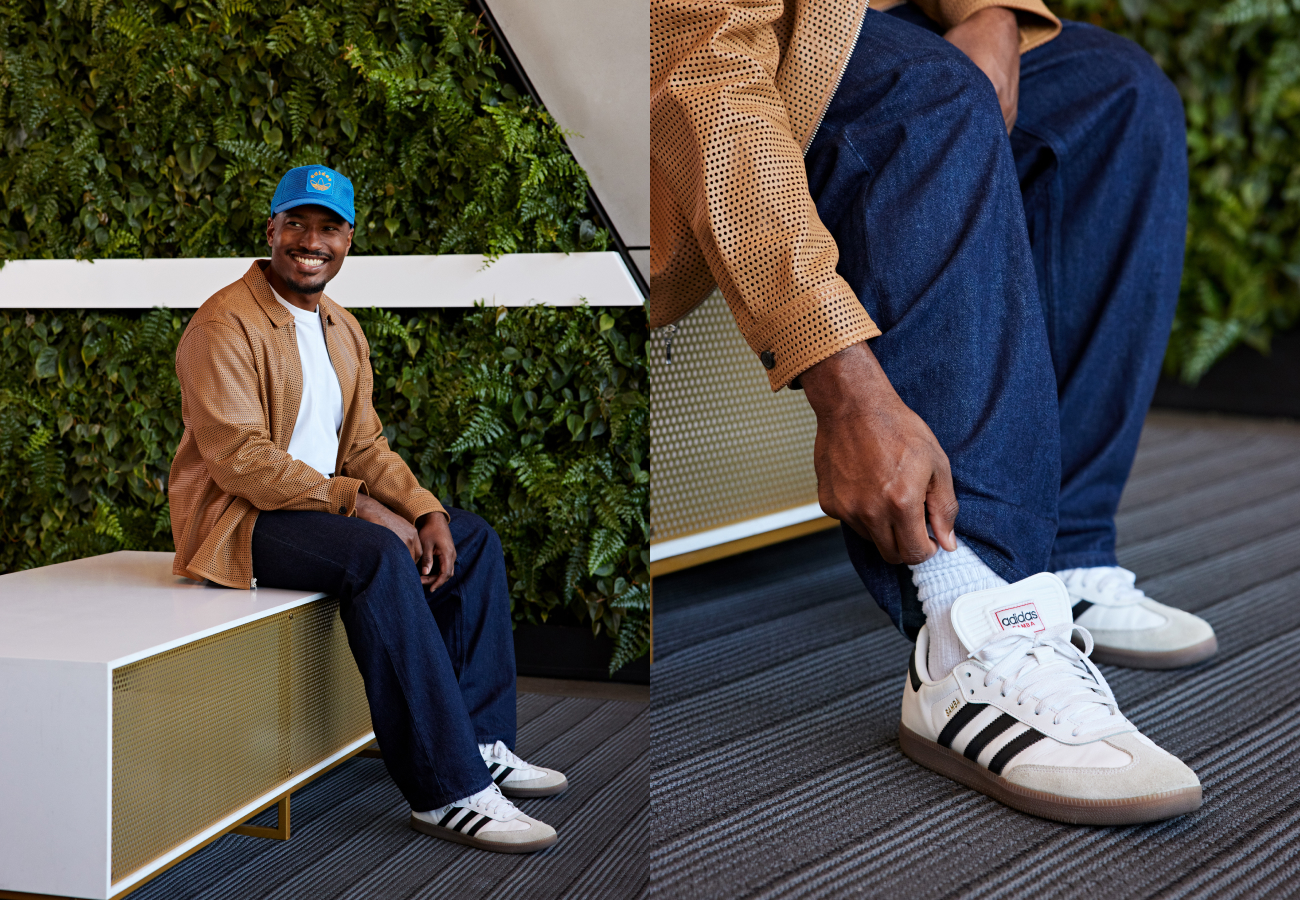
Credit: www.adidas.com
International Differences In Business Casual
Business casual means different things around the world. In some countries, sneakers are widely accepted; in others, they’re not.
North America
Most US and Canadian offices are flexible, especially in tech and creative fields. Sneakers are common in business casual, but traditional companies still prefer dress shoes.
Europe
European offices are more formal. Minimalist sneakers are sometimes accepted, but leather shoes are the standard.
Asia
Asian offices often value tradition. Sneakers are rare in business settings, except in startups.
Australia And New Zealand
Workplaces tend to be relaxed. Sneakers are often part of business casual, especially in creative industries.
Non-obvious insight: If you travel for work, always check local dress codes. Sneakers may be fine in your home country but not abroad.
The Influence Of Fashion Trends
Fashion has a big impact on business casual. When celebrities and influencers wear sneakers to important events, people notice. Brands like Adidas, Nike, and Common Projects have released sneakers that look almost like dress shoes.
Recent Trends
- Sneakers with suits: Once rare, now seen on runways and in offices.
- Monochrome sneakers: All-black or all-white designs are popular for business casual.
- Eco-friendly sneakers: Some companies allow sustainable brands as part of their dress code.
How Trends Affect The Workplace
Trends make companies rethink their dress codes. If employees see leaders wearing sneakers, they’re more likely to try them. However, trends change quickly. What’s accepted today may be out of style tomorrow.
Practical tip: Don’t follow trends blindly. Choose sneakers that look timeless and professional.
Common Mistakes When Wearing Sneakers In Business Casual
Mistakes can make sneakers look unprofessional. Here are some to avoid:
- Wearing athletic or running shoes. These never fit business casual.
- Dirty or worn sneakers. Always keep them clean.
- Bright or flashy colors. Stick to neutral tones.
- Pairing with casual clothes. Avoid jeans, shorts, or T-shirts.
- Ignoring company policy. Always check guidelines before wearing sneakers.
Confident guidance: If you follow these rules, you’ll avoid most mistakes. When in doubt, choose classic leather sneakers and pair them with smart clothing.
Are Sneakers Suitable For Important Business Events?
Sneakers may be fine for daily office work, but what about important meetings, presentations, or interviews?
Interviews
Most experts recommend avoiding sneakers for job interviews, unless you know the company is very relaxed. First impressions matter. Dress shoes show you’re serious.
Meetings And Presentations
For major meetings or presentations, stick to traditional shoes. Sneakers may look too casual, especially if you’re presenting to clients or senior management.
Office Parties Or Casual Fridays
Sneakers are usually accepted during office parties or “Casual Fridays. ” Still, choose clean, minimalist styles.
Practical tip: Keep a pair of dress shoes in your office, just in case you need to switch for important events.
Practical Steps For Choosing Sneakers For Business Casual
If you decide sneakers fit your workplace, here’s how to pick the right pair:
- Choose minimalist designs. Leather or canvas, simple colors, no big logos.
- Check the dress code. Make sure sneakers are allowed.
- Try them with your work clothes. Make sure they match pants, shirts, and jackets.
- Invest in quality. Cheap sneakers wear out fast and look unprofessional.
- Keep them clean. Regular maintenance is key.
Recommended Brands
Some brands make sneakers that fit business casual:
- Common Projects: Known for minimalist leather sneakers.
- Adidas Stan Smith: Simple, classic design.
- Nike Air Force 1 (all-white): Low-profile, clean look.
- Cole Haan: Offers dressy sneakers for the office.
- Vans (plain styles): Suitable for creative workplaces.
Non-obvious insight: Shoe brands often release “office-friendly” collections. Look for these lines if you want sneakers that blend in.
Real-world Examples Of Sneakers In Business Casual
Let’s look at real-life cases:
Tech Startups
Employees at tech startups often wear jeans, T-shirts, and sneakers. The dress code is flexible, and the focus is on comfort and creativity. Minimalist leather sneakers are common.
Creative Agencies
Designers and marketers value style. Sneakers with unique designs are sometimes accepted, but most people choose neutral colors. The dress code is flexible, but everyone tries to look trendy.
Corporate Offices
Traditional corporate offices usually expect dress shoes. However, some companies allow sneakers on casual days. Employees often wear minimalist sneakers with dress pants.
Educational Settings
Teachers often wear comfortable shoes, including sneakers. As long as they look neat, sneakers are accepted. Administrators dress more formally.
Practical advisor’s tip: Even in flexible workplaces, always keep your sneakers clean and match them with smart clothing.
The Future Of Business Casual And Sneakers
The workplace is changing. Remote work, flexible hours, and new industries are making business casual more relaxed. Sneakers are becoming more accepted, but traditional companies still value classic shoes.
Predictions
- Sneakers will become more common. As comfort becomes more important, dress codes will relax.
- Companies will update dress codes. Written guidelines will mention sneakers more often.
- Shoe brands will focus on office-friendly designs. Expect more minimalist, leather sneakers.
Non-obvious insight: Companies may start to accept eco-friendly sneakers as part of business casual, especially as sustainability becomes more important.
Frequently Asked Questions
Can I Wear Sneakers For A Business Casual Interview?
It’s best to avoid sneakers for interviews unless you know the company is very relaxed. Dress shoes make a stronger first impression.
Are All-white Sneakers Acceptable In Business Casual?
All-white sneakers can fit business casual if they are clean, minimalist, and paired with smart clothing. Avoid athletic styles or loud logos.
What Brands Make Business Casual Sneakers?
Brands like Common Projects, Cole Haan, and Adidas Stan Smith make office-friendly sneakers. Look for minimalist designs and neutral colors.
How Can I Tell If Sneakers Are Allowed In My Workplace?
Check your company’s dress code policy, observe what coworkers wear, and ask HR or your manager. When in doubt, stick to classic shoes.
Are Sneakers Suitable For Business Casual In All Countries?
No. Acceptance depends on culture and local norms. North America is flexible, Europe is more formal, and Asia is usually traditional.

Credit: www.hockerty.com
Final Thoughts
Business casual is always changing. Sneakers can be part of this dress code, but only if you choose the right style and match them with smart clothing. Pay attention to your workplace, company policy, and your role. Minimalist sneakers in neutral colors are safest. Always keep them clean, and never wear athletic shoes unless you’re sure they’re allowed. If you follow these tips, you’ll look professional and feel comfortable. For more detailed dress code guidance, visit Business News Daily. Remember: business casual is about balance—style, comfort, and professionalism.
