

Best Gym Clothes for Men Winter: Stay Warm and Stylish
Staying active during the colder months can be tough, but with the right gym clothes, winter workouts become much more enjoyable and effective. For many men, the challenge isn’t just the chill in the air—it’s finding clothing that keeps you warm without making you overheat once you start moving.
Layering is important, but so is choosing materials that help manage sweat, stay comfortable, and let you move freely. A smart winter workout wardrobe can boost your confidence, protect your body, and help you stick to your fitness goals no matter the temperature outside.
Below, you’ll discover which pieces are essential, what materials work best, and how to choose gym clothes that fit your style and needs. You’ll also find useful tips, data comparisons, and answers to common questions to help you make informed choices for your winter gym sessions.
Why Winter Gym Clothes Matter
Winter gym clothes are more than just thicker versions of your summer gear. The right outfit can:
- Keep your muscles warm: This reduces the risk of strains.
- Manage sweat: Good materials wick moisture away, so you don’t get cold after sweating.
- Protect against wind and cold: The right layers act as a barrier.
- Support performance: Comfortable clothes let you move naturally and focus on your training.
Many men make the mistake of grabbing a heavy sweatshirt or old sweatpants when the temperature drops. But these can absorb sweat, become heavy, and actually make you colder. Technical gym wear designed for winter solves these issues.
Key Features Of The Best Winter Gym Clothes For Men
Not all winter gym clothes are created equal. Before looking at specific items, it helps to know what features to look for:
- Moisture-Wicking Fabric: Pulls sweat away from your skin.
- Breathability: Allows heat and moisture to escape.
- Thermal Insulation: Keeps you warm without overheating.
- Stretch and Flexibility: Supports a full range of motion.
- Layering Ability: Clothes should work well together.
- Wind and Water Resistance: Protects if you exercise outdoors.
Popular Materials For Winter Gym Gear
- Polyester: Common in base and mid-layers, dries quickly.
- Merino Wool: Natural, warm, soft, and controls odor.
- Fleece: Great for mid-layers, traps body heat.
- Spandex/Elastane: Added for stretch and freedom of movement.
- Nylon: Durable, often used in outer layers.

Credit: everestkitchennc.com
Essential Winter Gym Clothes For Men
Building a winter gym wardrobe isn’t about having dozens of items. It’s about choosing the right pieces and knowing how to combine them. Here are the essentials, with practical details and specific advice for choosing each one.
1. Moisture-wicking Base Layer Top
The base layer sits closest to your skin. Its main job is to pull sweat away and keep you dry.
What to look for:
- Lightweight but warm
- Snug fit, not restrictive
- Flat seams to avoid chafing
Popular choices:
Synthetic blends (like polyester with a touch of spandex) or merino wool are excellent. Merino wool is especially good for controlling odor—a big plus if you sweat a lot.
2. Compression Tights Or Leggings
These go under shorts or pants and help keep your legs warm. Compression can also boost blood flow and support muscles.
What to look for:
- Good elasticity
- Moisture management
- Comfortable waistband
Bonus insight: Many men skip compression gear, thinking it’s only for runners. But wearing tights under shorts in winter keeps knees and hamstrings warm, reducing injury risk, especially during squats or lunges.
3. Long Sleeve Workout Shirt
A long sleeve shirt is useful as a base or mid-layer. Look for one that’s slim-fitting but not tight.
Key features:
- Thumbholes for hand coverage
- Mesh panels for ventilation
- Quick-dry fabric
Layer a long sleeve over your base layer for extra warmth or wear alone in milder conditions.
4. Insulating Mid-layer
This layer traps heat but still lets sweat escape. Fleece is a common material.
What to look for:
- Lightweight fleece or synthetic fill
- Zipper for easy venting
- Not too bulky
Pro tip: Avoid heavy cotton hoodies. While they feel cozy, they trap sweat and dry slowly. Technical fleece is much better for active use.
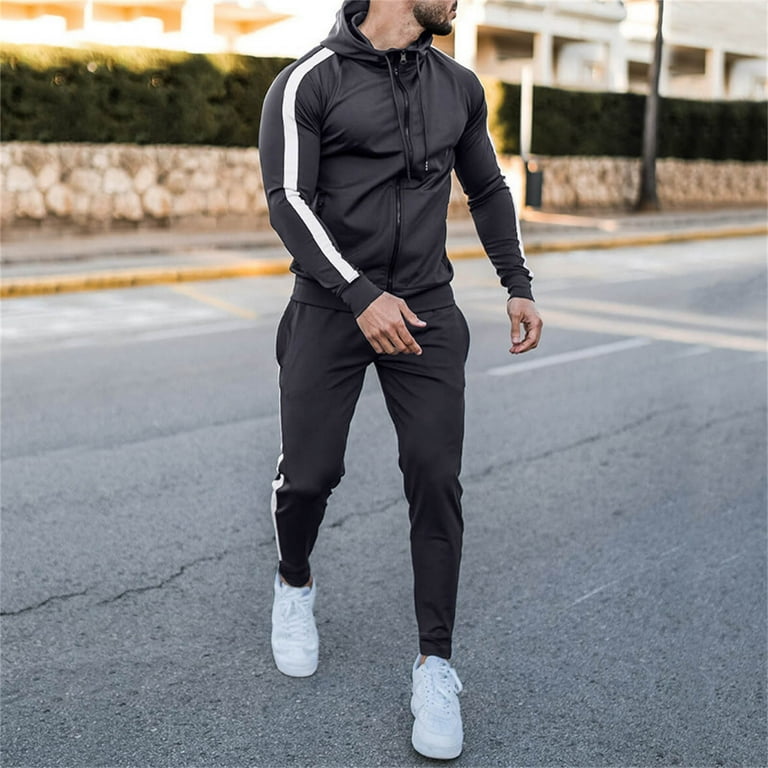
5. Workout Hoodie Or Zip-up Jacket
A hoodie or light jacket adds another layer of warmth and acts as a shield against wind.
Best options:
- Polyester or nylon blends
- Adjustable hood
- Zippered pockets for keys or phone
Choose a hoodie that fits over your other layers without feeling tight.
6. Windproof And Water-resistant Outer Shell
If you run or bike outdoors, a weather-resistant shell is essential. It blocks wind and repels light rain or snow.
Must-have features:
- Lightweight and packable
- Adjustable cuffs and hem
- Reflective details for safety
Some shells have vents you can open, which help you avoid overheating.
Comparison Of Outer Shell Fabrics
| Fabric | Windproof | Water-Resistant | Breathable |
|---|---|---|---|
| Polyester | Good | Moderate | Good |
| Nylon | Excellent | Excellent | Good |
| Softshell | Good | Good | Excellent |
7. Thermal Joggers Or Sweatpants
Your bottom layer should keep your legs warm without restricting movement.
Choose joggers with:
- Tapered fit (less fabric to catch on equipment)
- Zippered ankle cuffs (easy to take off over shoes)
- Stretch fabric for squats, lunges
Hidden tip: Avoid pants with heavy lining if you’ll be indoors. Overheating is a common mistake.
8. Performance Shorts
Even in winter, some men prefer to wear shorts, especially indoors. If you do, layer them over tights for warmth.
Look for:
- Lightweight material
- Side vents for flexibility
- Secure pockets
Pairing shorts with compression tights is both practical and stylish.
9. Thermal Socks
Cold feet can ruin a good workout. Choose socks made for active winter wear.
Best materials:
- Merino wool blends
- Cushioned soles
- Arch support
Non-obvious insight: Avoid thick, loose socks. They can bunch up and cause blisters. A snug, supportive sock is best for both running and lifting.
10. Training Gloves
Cold hands make it hard to grip weights or bars. Training gloves keep your hands warm and protect your skin.
Features to look for:
- Insulated but breathable
- Non-slip grip
- Touchscreen fingertips (helpful for phone use)
Some gloves are designed for outdoor cardio, while others are better for lifting.
11. Warm Headwear
Much of your body heat escapes through your head. A simple beanie or headband helps retain warmth.
Good choices:
- Thin, moisture-wicking beanies
- Ear-covering headbands
- Stretchy fit under hoods or helmets
Practical example: A thin merino wool beanie fits well under a hoodie, so you don’t have to choose between warmth and comfort.
12. Neck Gaiter Or Buff
This versatile piece covers your neck and face when needed, blocking wind and retaining warmth.
Why it matters:
- Easy to pull up over mouth/nose
- Lightweight and packable
- Helps prevent sore throats on cold mornings
A neck gaiter is especially handy for outdoor runs or bike rides.
13. Breathable Face Mask
In very cold or windy weather, a breathable face covering can make a big difference.
Look for:
- Mesh panels for easy breathing
- Moisture control
- Stretchy fit
Masks designed for sports are much better than regular cloth face coverings in winter.
14. Reflective Accessories
Winter means shorter days and less daylight. For outdoor workouts, reflective gear is a must for safety.
Options include:
- Reflective vests or bands
- Shoes with reflective elements
- Hats or gloves with reflective stripes
Safety insight: Many men forget about visibility when layering up. Even a small reflective band on your arm can make a big difference in low light.
15. Supportive Athletic Shoes
Your shoes matter as much in winter as in summer. Look for pairs that offer grip and support.
Winter gym shoe features:
- Good traction for wet or icy surfaces
- Breathable but water-resistant upper
- Enough room for thicker socks
Non-obvious tip: Don’t buy shoes that are too tight, as thicker socks can make shoes feel smaller.
16. Gym Bag For Winter Gear
A good gym bag is more important in winter. You’ll need space for extra layers and possibly wet or muddy gear.
Key features:
- Separate compartment for wet clothes/shoes
- Easy-to-clean lining
- Strong zippers and handles
Many gym bags now have ventilated pockets to air out sweaty clothes.
How To Layer Winter Gym Clothes
Layering is an art. If you get it right, you’ll stay warm but never feel weighed down.
Three-layer system:
- Base layer: Wicks sweat away from your skin.
- Mid-layer: Traps heat and insulates.
- Outer layer: Shields you from wind and rain.
For indoor gyms, you may only need a base and light mid-layer. For outdoor workouts, especially running or cycling, all three layers are important.
Example Layering For Outdoor Running
| Layer | Item | Material | Purpose |
|---|---|---|---|
| Base | Compression Shirt | Polyester/Spandex | Wicks sweat |
| Mid | Fleece Pullover | Technical Fleece | Insulation |
| Outer | Windproof Jacket | Nylon | Weather protection |

Credit: www.amazon.ae
What To Avoid In Winter Gym Wear
Some clothing choices can actually make winter workouts harder:
- Cotton shirts or sweatpants: They soak up sweat and get heavy.
- Bulky layers: Too many thick layers limit movement and make you sweat more.
- Loose accessories: Scarves or baggy hats can fall off or get caught on equipment.
- Non-breathable rain jackets: These trap heat and sweat, leading to discomfort.
How To Choose The Best Winter Gym Clothes For You
With so many options, making the right choice can be confusing. Focus on:
- Workout location: Indoor, outdoor, or a mix?
- Workout type: Running, lifting, HIIT, cycling?
- Personal comfort: Do you run hot or cold?
- Budget: Higher quality often costs more, but lasts longer.
Quick Comparison: Essential Winter Gym Layers
| Layer | Best Material | When to Use | Key Benefit |
|---|---|---|---|
| Base | Merino Wool | All workouts | Moisture control |
| Mid | Fleece | Outdoor/cold gyms | Warmth |
| Outer | Nylon/Softshell | Outdoor only | Weather shield |
Credit: thuanthanhtech.com
Common Mistakes And How To Avoid Them
Many men—even experienced gym goers—make errors with winter gym clothing:
- Wearing too many layers: More is not always better. Overheating leads to excessive sweating, which then cools on your skin, making you cold.
- Ignoring breathability: If your sweat can’t escape, you get wet and cold.
- Using everyday clothes: Old sweatshirts or cotton tees aren’t designed for exercise.
- Skipping socks or gloves: Cold extremities can ruin your focus and performance.
- Choosing fashion over function: Stylish clothes are great, but comfort and performance come first in winter.
Caring For Your Winter Gym Clothes
Proper care can extend the life of your gear and keep it performing at its best:
- Follow washing instructions: Many technical fabrics need cold washes and no fabric softener.
- Air dry when possible: High heat can damage elastic fibers.
- Wash after every use: Prevents odor and bacteria buildup.
- Store in a dry place: Avoid mildew or fabric breakdown.
Pro tip: Use a mesh laundry bag for small items like gloves and socks. This keeps them from getting lost and reduces wear.
Winter Gym Clothes: Investment Vs. Cost
It can be tempting to buy cheap gym clothes, but winter gear is often worth the investment. High-quality clothes last longer, perform better, and help prevent injuries.
- Merino wool: Costs more, but lasts several seasons and resists odor.
- Technical fleece: Keeps shape and warmth longer than cotton.
- Weather-resistant shells: Protect you from the elements and often come with safety features like reflectivity.
A recent survey by the Sports & Fitness Industry Association found that over 60% of active men who invested in proper winter gym clothes reported better workout consistency during cold months. This suggests that buying the right gear can actually help you stick to your fitness plan.
Where To Buy Quality Winter Gym Clothes
You’ll find good winter gym clothes at most sports retailers, but it pays to research. Look for brands known for technical performance, good return policies, and clear care instructions.
For a deeper look at sportswear technology and the science behind athletic gear, check out OutdoorGearLab.
Frequently Asked Questions
What Is The Best Base Layer Material For Winter Gym Clothes?
Merino wool is often considered the best base layer material for winter. It keeps you warm, manages moisture, and controls odor. Synthetic blends are also good for fast-drying and affordability.
How Do I Know If I’m Wearing Too Many Layers?
If you start sweating heavily soon after beginning your workout, you may be overdressed. Remove a layer if you feel hot or if sweat is pooling. The right layering keeps you warm at the start, but not overheated once you’re active.
Are Cotton Clothes Ever Okay For Winter Workouts?
Cotton is not recommended for winter workouts. It absorbs sweat and dries slowly, which can make you feel cold and uncomfortable. Stick to moisture-wicking fabrics like polyester or merino wool.
Can I Use My Regular Running Shoes For Winter Gym Workouts?
For indoor workouts, regular running shoes may be fine. For outdoor winter workouts, choose shoes with better grip and a slightly water-resistant upper to handle wet or icy conditions.
How Do I Keep My Hands And Feet Warm During Winter Workouts?
Wear thermal socks made from merino wool or synthetic blends, and use training gloves designed for cold weather. Make sure your shoes and gloves fit well, and consider layering thin socks for extra warmth if needed.
Staying active in winter is easier with the right gear. Choose smart layers, focus on technical fabrics, and remember that small details—like good socks and gloves—can make a big difference. With the right winter gym clothes, you’ll stay comfortable, safe, and ready to reach your fitness goals all season long.
