

Is It Best Gym Clothes for Staying Cool This Summer?
Is It Best Gym Clothes For Staying Cool
Finding the right gym clothes can make a huge difference in your workout. If you’ve ever felt uncomfortable and sweaty in the gym, you know how important it is to stay cool. The wrong clothes can leave you sticky, irritated, or even embarrassed.
But the best gym clothes for staying cool can help you enjoy your exercise, perform better, and feel confident.
Many people think any t-shirt and shorts will do. But modern sportswear uses special fabrics and smart designs that keep your body temperature lower. There are real science and technology behind these clothes. Understanding what works and what doesn’t can help you avoid common mistakes and spend your money wisely.
This guide explains exactly what makes gym clothes cool, how to pick the best ones for yourself, and which mistakes you should avoid. By the end, you’ll know how to feel fresh, even during the toughest workouts.
Why Staying Cool Matters In The Gym
Your body heats up quickly when you exercise. If you overheat, it’s not just uncomfortable. It can slow you down, increase your risk of dehydration, and even lead to heat exhaustion. Staying cool helps you work out longer, recover faster, and reduce the chance of skin problems like rashes or chafing.
Cool gym clothes help your body sweat efficiently. Sweat is your body’s natural air conditioner. But if your clothes trap sweat, your skin can't breathe, and you may feel sticky or overheated. That’s why you need the right materials and designs.
What Makes Gym Clothes Cool?
Not all gym clothes are equal. The best ones for staying cool share a few key qualities:
- Moisture-wicking: Pulls sweat away from your skin and spreads it across the fabric, so it evaporates quickly.
- Breathability: Allows air to move in and out, so heat escapes and cool air can reach your skin.
- Lightweight: Reduces bulk and keeps you feeling light and agile.
- Quick-drying: Prevents clothes from staying wet, so you stay dry and comfortable.
- Good fit: Not too tight, not too loose—so air can move, but fabric doesn’t stick to your skin.
Many beginners focus only on style or price, but these features are much more important for comfort.
Credit: www.junkbrands.com
Best Fabrics For Staying Cool
Choosing the right fabric is the most important step. Here’s how popular gym fabrics compare:
| Fabric | Moisture-Wicking | Breathability | Drying Speed | Comfort |
|---|---|---|---|---|
| Polyester | Excellent | Good | Very Fast | Good |
| Nylon | Very Good | Good | Fast | Soft |
| Merino Wool | Good | Excellent | Medium | Very Soft |
| Cotton | Poor | Average | Slow | Soft |
| Bamboo | Good | Good | Medium | Very Soft |
Polyester is the king for sweat-wicking and drying speed, which is why many top gym brands use it. Nylon is nearly as good and feels softer. Merino wool may surprise you—it stays cool, resists odor, and is great for sensitive skin. Cotton is soft but holds sweat, so avoid it for intense workouts. Bamboo is a newer option, soft and gentle, but not as quick to dry as polyester.
Top Features In Cool Gym Clothes
When shopping for gym wear, look for these features:
1. Ventilation Panels
Many gym shirts and shorts have mesh panels under the arms, on the back, or along the sides. These ventilation zones let air in where you sweat most, helping you stay cool.
2. Flatlock Seams
Seams can rub and cause irritation, especially when you sweat. Flatlock seams are smoother and reduce chafing. This small detail makes a big difference in comfort during long workouts.
3. Anti-odor Technology
Some fabrics are treated with antimicrobial finishes to stop bacteria growth. This means less odor, so you can feel fresh even after a tough session.
4. Stretch And Mobility
While staying cool matters, you still need to move freely. Look for four-way stretch fabrics that move with your body without sagging or clinging.
5. Reflective Details
If you exercise outdoors, especially at night or early morning, reflective stripes or logos help you stay visible and safe. This isn’t about cooling but adds peace of mind.
Best Types Of Cool Gym Clothes
Let’s break down the top clothing items and what to look for in each:
Gym T-shirts
A good gym t-shirt is the foundation of any workout outfit. For staying cool, pick a shirt made from moisture-wicking polyester or nylon. Mesh panels under the arms or on the back make a big difference.
Loose shirts let more air in, but fitted shirts with stretch can wick sweat more efficiently. Choose based on your comfort and activity.
Tank Tops
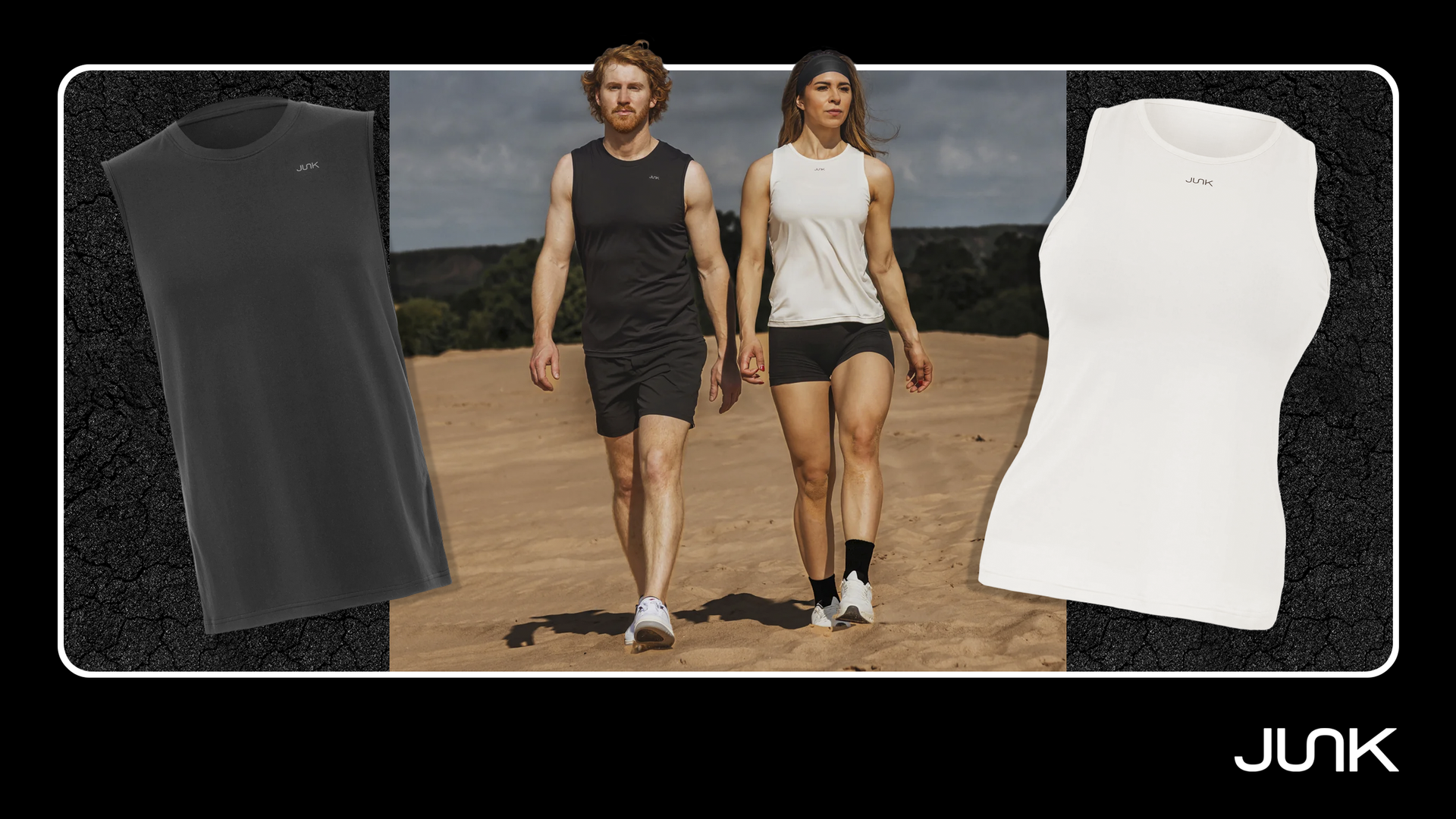
For maximum airflow, nothing beats a tank top. The open design allows your skin to breathe, especially at the shoulders and arms. Go for performance fabrics with flat seams.
Shorts
Gym shorts should be lightweight and have built-in liners or mesh panels. Avoid heavy cotton shorts that soak up sweat. Split sides or notched hems improve movement and airflow.
Leggings And Tights
If you prefer leggings, choose ones with cooling mesh panels behind the knees or along the thighs. Look for high-stretch, thin fabrics. Avoid thick, compression-only leggings for hot conditions.
Sports Bras
A good sports bra needs to wick moisture and breathe. Mesh zones and lightweight padding help. Avoid bras with thick layers or heavy cotton.
Socks
Don’t forget your feet! Synthetic blends keep feet dry and reduce blisters. Some socks have mesh tops for extra airflow.
Underwear
Many people overlook underwear, but it’s key for comfort. Moisture-wicking underwear prevents chafing and keeps you dry.
Headbands And Caps
Sweatbands and caps made from fast-drying fabrics help manage sweat and keep it out of your eyes.
Real-world Comparison: Popular Cool Gym Clothes
To see how different clothes perform, here’s a side-by-side look at three popular gym shirts:
| Shirt | Fabric | Ventilation | Drying Speed | Odor Control |
|---|---|---|---|---|
| Adidas Aeroready | Polyester | Mesh Panels | Very Fast | Antimicrobial |
| Nike Dri-FIT | Polyester | Mesh Back | Very Fast | Odor Resistant |
| Under Armour Tech | Polyester | Mesh Sides | Very Fast | Antimicrobial |
All three use polyester, offer ventilation, and dry quickly. The main differences are in fit, style, and small details like seam design.
How To Choose The Best Gym Clothes For Staying Cool
Picking gym clothes isn’t just about buying the most expensive gear. Here’s how to make smart choices:
1. Know Your Activity
High-intensity workouts like HIIT, spinning, or running produce more sweat. For these, focus on maximum ventilation and sweat-wicking. For yoga or weight training, comfort and stretch may matter more.
2. Fit For Your Body
Everyone’s body is different. Some people overheat easily, while others don’t sweat much. Try different styles to see what feels best during your workout.
3. Test Before You Buy
If possible, try clothes on and move around. Jump, bend, stretch—see if the fabric moves with you and feels cool.
4. Check For Seams And Tags
Inside labels and rough seams can irritate sweaty skin. Many brands use tagless designs and flat seams for comfort.
5. Don’t Forget Layering
If you work out outdoors, start with a base layer that wicks sweat. Add a lightweight, breathable jacket you can remove as you warm up.
6. Look For Real Reviews
Read customer feedback on how clothes perform in real workouts. Sometimes, marketing promises don’t match reality.
What Not To Wear: Common Mistakes
Many people wear the wrong clothes without realizing it. Here’s what to avoid if you want to stay cool:
- Cotton t-shirts: They may feel soft at first but quickly become heavy and wet.
- Thick sweatpants or hoodies: Great for warming up, but not for intense exercise.
- Clothes with no ventilation: Solid fabrics trap heat.
- All-black outfits: Dark colors absorb more heat, especially outdoors.
- Heavy, padded sports bras: They trap sweat and heat.
- Loose, baggy shorts with thick liners: These can hold sweat and rub your skin.
How To Care For Cool Gym Clothes
Proper care makes your gym clothes last longer and keeps them performing well.
- Wash after every use: Sweat can damage fibers and trap bacteria.
- Avoid fabric softeners: They block sweat-wicking abilities.
- Wash in cold water: Hot water can wear down technical fabrics.
- Air dry: High heat from dryers can ruin stretchy materials.
- Don’t overload the washer: Clothes need space to get clean.
One insight many people miss: fabric softeners are the enemy of gym wear. They coat the fibers and stop them from pulling sweat away from your skin.
Advanced Tips: Stay Cooler With These Strategies
Staying cool is about more than just the right clothes. Here are a few advanced tips:
- Pre-cool before workouts: Drink cold water or use a cool towel on your neck before you start.
- Choose light colors: White, pale blue, or gray reflect heat better than dark shades.
- Keep your hair off your neck: A sweatband or tying up long hair helps your skin breathe.
- Rotate shoes and socks: Dry gear works better. Having two pairs helps.
- Don’t wear layers unless needed: The less you wear, the cooler you’ll stay.
Are Expensive Gym Clothes Always Better?
Price doesn’t always mean better cooling. Some high-end brands use the same materials as less expensive ones. What you pay for is usually design, fit, or brand name.
Focus on fabric quality, ventilation, and real-life comfort over price. Sometimes, mid-range or even generic brands work just as well.
Myths About Staying Cool At The Gym
Some common myths confuse people:
- Myth: “Loose clothes are always cooler.” In reality, loose cotton may hold sweat and heat. Fitted, sweat-wicking shirts may feel cooler in intense workouts.
- Myth: “Any sportswear is good for all activities.” What works for running may not suit yoga or weightlifting.
- Myth: “More mesh means better cooling.” Too much mesh can reduce support or durability. Balance is key.
Understanding these facts helps you shop smarter and avoid disappointment.

Credit: yakwary.com
Example: Building A Cool Gym Outfit
Let’s put all this advice together. Here’s an example gym outfit for hot, sweaty workouts:
- Top: Polyester t-shirt with mesh panels under the arms and flat seams.
- Bottoms: Lightweight nylon shorts with inner mesh liner.
- Sports bra (for women): Medium support, sweat-wicking, with mesh zones.
- Socks: Synthetic, thin, with mesh tops.
- Underwear: Moisture-wicking, seamless.
- Accessories: Sweatband and light cap if exercising outdoors.
This setup works for running, HIIT, or cardio classes. For cooler gyms or lower-intensity workouts, you might add thin, stretchy leggings or a light jacket.
How To Spot Quality Gym Clothes In Stores
When shopping in person, here’s how to tell if gym clothes will keep you cool:
- Check the label: Look for polyester, nylon, or technical blends.
- Feel the fabric: It should feel light and cool, not heavy or sticky.
- Look for mesh or vents: Especially in high-sweat areas.
- Try stretching the fabric: It should bounce back, not stay loose.
- Look at the seams: Flat seams mean less irritation.
Many beginners forget to check seams and stretch, but these small details make a big difference after an hour of sweating.
Credit: www.gotapparel.com
The Science Behind Cooling Gym Clothes
Modern gym wear uses fabric technology developed for athletes. Moisture-wicking means the fabric pulls sweat off your skin and spreads it across a wide area, so it evaporates quickly. Breathable fabrics have tiny holes or mesh zones that let hot air escape and cool air enter.
Some brands use silver ions or antimicrobial treatments that kill odor-causing bacteria. These treatments can make a shirt smell fresher, even after a tough workout.
Research shows that athletes perform better and feel less tired when their core temperature stays lower. That’s why even casual gym-goers benefit from cool, technical clothes. For more on the science, you can read this Moisture-wicking fabric overview.
When To Replace Your Gym Clothes
Even the best gym clothes don’t last forever. Here’s when to replace them:
- They lose stretch: If leggings or shirts sag, they won’t wick sweat as well.
- Odor stays after washing: Bacteria build up over time, even with good care.
- Fabrics pill or thin: Thin spots mean less protection and more chafing.
- Stains won’t come out: Old sweat stains can trap bacteria.
Regular replacement keeps you comfortable and healthy.
Frequently Asked Questions
What Is The Best Fabric For Staying Cool At The Gym?
The best fabric is usually polyester or a polyester blend. It’s lightweight, moisture-wicking, and dries quickly. Nylon is also a good choice, and merino wool works well for people with sensitive skin or those who want odor control.
Should I Avoid Cotton For Gym Workouts?
Yes, for most intense workouts, avoid cotton. Cotton absorbs sweat and stays wet, which can make you feel heavy and uncomfortable. For light activities, it’s okay, but technical fabrics are better for staying cool.
Are Compression Clothes Good For Cooling?
Compression clothes are not designed to keep you cool. They support muscles and improve blood flow but may trap heat if they don’t have ventilation or sweat-wicking features. Look for compression wear with mesh panels or cooling fabric if you want both support and cooling.
How Do I Wash Moisture-wicking Gym Clothes?
Wash them in cold water with mild detergent. Avoid fabric softeners, as they block sweat-wicking fibers. Air dry if possible, and don’t overload the washing machine.
Can I Wear The Same Gym Clothes For All Sports?
You can use most cooling gym clothes for many activities, but some sports need special features. For example, running shirts might have more ventilation, while yoga clothes need more stretch. Choose the best design for your main activity for the best comfort.
Wearing the right gym clothes can turn a sweaty, uncomfortable session into a cool, confident workout. Don’t rely on old t-shirts and cotton shorts—invest in good fabrics, smart designs, and a proper fit. You’ll notice the difference from your very first workout.
