

How Long Do Gym Clothes Take to Dry? Quick Guide to Faster Results
How Long Do Gym Clothes Take To Dry
Gym clothes are made for movement, sweat, and comfort. But after a hard workout, drying your gym clothes quickly and properly is important—not just for convenience, but also for hygiene and keeping them fresh. Many people ask, “How long do gym clothes take to dry?
” The answer depends on several factors, from fabric type to drying method. If you want your gear ready for the next session, understanding these factors will help you save time, prevent unpleasant odors, and keep your clothes in good shape.
This guide explains everything you need to know about drying gym clothes, including practical tips, common mistakes, and expert insights that many beginners overlook.
Why Drying Gym Clothes Matters
Drying gym clothes is not only about wearing them again. Wet clothes can harbor bacteria, which leads to bad odor and sometimes skin irritation. If you leave gym clothes damp for too long, they might develop mildew or lose their softness. Quick and proper drying helps keep your clothes smelling fresh and lasting longer. For people who exercise regularly, knowing how to dry gym clothes efficiently is almost as important as washing them.
Factors That Affect Drying Time
Drying gym clothes is not a one-size-fits-all process. Several key factors can change how long it takes for your gear to dry.
Fabric Type
Most gym clothes are made from synthetic materials like polyester, nylon, or spandex. These fabrics are designed to wick moisture away from your skin, and they also dry faster than natural fibers.
- Polyester: Known for fast drying—usually dries in 1–2 hours with good airflow.
- Nylon: Slightly slower but still quick, typically 2–3 hours.
- Spandex: Often blended with other materials, dries within 2–3 hours.
- Cotton: Absorbs more water and takes longer to dry (up to 4–6 hours).
Some gym clothes combine these materials, which can affect drying time. For example, a shirt that’s 80% polyester and 20% cotton will dry faster than pure cotton.
Thickness Of Fabric
Thicker fabrics, like hoodies or sweatpants, hold more moisture. Thin shirts or shorts dry much faster. Even within synthetic materials, a thicker weave means slower drying.
- Thin tank top: 1–2 hours
- Medium thickness shirt: 2–3 hours
- Heavy hoodie: 5–8 hours (air drying)
Amount Of Sweat Or Water
If your clothes are soaked after a tough session, they take longer to dry. If you rinse them in water after use, wringing out excess moisture before drying can cut down drying time.
Weather And Room Conditions
Humidity and temperature are critical. Drying outside on a sunny day is faster than inside a humid bathroom.
- Low humidity, warm air: Fast drying (1–2 hours)
- High humidity, cool air: Slow drying (4–6 hours)
- Windy conditions: Speeds up drying
Drying Method
How you dry your gym clothes matters a lot. Air drying, tumble drying, or using a heated rack all produce different results.
- Tumble dryer: Fastest, often 30–40 minutes
- Air drying indoors: 2–6 hours, depending on air movement
- Air drying outdoors: 1–3 hours on sunny, windy days

Credit: www.amazon.com
Typical Drying Times For Gym Clothes
To give you a clearer idea, here is a comparison of drying times based on fabric, conditions, and method:
| Type of Gym Clothing | Material | Air Dry Indoors | Air Dry Outdoors | Tumble Dryer |
|---|---|---|---|---|
| T-shirt | Polyester | 1–2 hours | 1 hour | 30 minutes |
| Tank Top | Spandex/Polyester | 1–2 hours | 1 hour | 30 minutes |
| Shorts | Nylon | 2–3 hours | 1.5 hours | 35 minutes |
| Sweatpants | Cotton | 4–6 hours | 3–4 hours | 45 minutes |
| Hoodie | Polyester/Cotton blend | 5–8 hours | 4–6 hours | 50 minutes |
These times are approximate and can change based on the environment and how wet the clothes are. If you want your clothes to dry faster, focus on improving airflow and reducing humidity.
Drying Methods Explained
Each drying method has pros and cons. Here’s what you need to know about each one.
Air Drying Indoors
Air drying is gentle on your gym clothes. Hang them on a rack or line in a well-ventilated room. Make sure clothes are spread out and not touching each other.
- Pros: Prevents shrinkage and fabric damage, saves energy.
- Cons: Takes longer, especially in humid rooms.
A non-obvious tip: Place a fan nearby. Air movement speeds up drying by 25–50%. If possible, open windows to let out moisture.
Air Drying Outdoors
Sunlight and wind are your best friends. Outdoor drying is faster and can help remove odors. However, direct sunlight can fade colors over time.
- Pros: Fast, natural, helps kill bacteria.
- Cons: Sunlight can fade colors, weather can be unpredictable.
To avoid fading, turn clothes inside out before hanging them in the sun.
Tumble Drying
Tumble dryers use heat and movement to dry clothes quickly. Always check the label before using a dryer—some gym clothes lose elasticity or shrink with high heat.
- Pros: Very fast, convenient.
- Cons: Can damage delicate fabrics, uses more electricity.
For gym clothes, use a low heat setting. High heat can break down spandex and weaken elastic waistbands.
Heated Drying Racks
Some homes have heated drying racks. These speed up air drying without the damage of a tumble dryer.
- Pros: Fast, gentle on fabric.
- Cons: Not available everywhere, takes up space.
Heated racks are great for thick gym clothes or rainy days.

Credit: www.amazon.com
How To Dry Gym Clothes Faster
Sometimes you need your gym clothes dry in a hurry. Here are practical steps to speed up the process:
- Wring Out Excess Water: After washing, gently squeeze or roll clothes in a towel to remove extra moisture.
- Spread Clothes Out: Avoid overlapping garments. Give each piece space.
- Increase Airflow: Use a fan, open windows, or place clothes near a vent.
- Use a Dehumidifier: Lowering room humidity helps clothes dry faster.
- Hang Clothes Near Heat Source: Place rack near a radiator or heater (but not too close to avoid damage).
- Turn Clothes Inside Out: This exposes the dampest parts to air, helping moisture escape.
- Use Quick-Dry Settings: If using a dryer, choose the “quick dry” or “synthetic” setting.
- Shake Clothes Before Hanging: Loosens fibers, allowing air to circulate.
- Don’t Overload Drying Rack: Too many clothes slow down drying for all.
- Avoid Plastic Hangers: They trap moisture. Use wire or wooden hangers.
These steps can cut drying time in half. For example, using a fan and wringing clothes in a towel can reduce drying from 4 hours to just 2.
Common Mistakes When Drying Gym Clothes
Even experienced gym-goers sometimes make errors that slow drying or ruin clothes.
- Leaving Clothes in a Heap: Moisture gets trapped, leading to odors.
- Using High Heat: Damages elastic and causes shrinkage.
- Overcrowding Drying Rack: Air can’t circulate, drying slows down.
- Ignoring Care Labels: Some fabrics need special care.
- Not Cleaning Dryer Lint Trap: Reduces dryer efficiency.
- Drying in Humid Room: Water stays in the air, making drying slow.
- Skipping Pre-Wringing: Extra water adds hours to drying.
One insight many people miss: Gym clothes with mesh panels or perforations dry faster than solid fabrics. If you need quick drying, choose gym wear with these features.
How Fabric Technology Changes Drying
Modern gym clothes use advanced fabrics. “Moisture-wicking” materials pull sweat away from your skin and release it into the air. Some brands use special coatings or fiber shapes to speed up drying.
- Microfiber: Tiny fibers increase surface area, helping moisture escape quickly.
- Mesh Inserts: Allow air to reach more parts of the garment.
- Antibacterial Treatments: Reduce odor-causing bacteria, even if clothes are damp.
Some brands claim their gym clothes dry twice as fast as regular cotton. This isn’t just marketing: Lab tests show polyester dries up to 50% faster than cotton under the same conditions.
| Fabric Type | Drying Time (Air) | Drying Time (Tumble) |
|---|---|---|
| Polyester | 1–2 hours | 30 minutes |
| Cotton | 4–6 hours | 45 minutes |
| Microfiber | 1–1.5 hours | 25 minutes |
| Nylon | 2–3 hours | 35 minutes |
Caring For Gym Clothes While Drying
Proper care during drying keeps your gym clothes looking and feeling good.
- Avoid Direct Sunlight: Prevents fading, especially for bright colors.
- Don’t Use Fabric Softener: Leaves residue, making clothes less breathable.
- Hang from Shoulders: Prevents stretching, especially for tops.
- Lay Flat for Stretchy Items: Keeps shape for yoga pants or leggings.
- Check for Dryness: Gym clothes can feel dry on the outside but damp inside. Turn garments over halfway through drying.
A mistake beginners often make: Hanging gym clothes by the waistband causes stretching. Instead, use shoulder seams or lay flat.
Drying Gym Shoes And Accessories
Gym shoes, socks, and accessories need careful drying. Wet shoes can smell and lose shape.
- Remove Insoles: Speeds up drying.
- Stuff with Newspaper: Absorbs moisture inside shoes.
- Air Dry Only: Heat can warp shoes and melt glue.
- Hang Socks Separately: Thin socks dry in less than an hour; thick socks take longer.
Headbands, gloves, and wristbands dry quickly—usually under an hour.
Drying Gym Clothes While Traveling
If you travel or use gyms away from home, drying clothes can be challenging.
- Quick-Dry Travel Clothes: Choose synthetic fabrics.
- Use Hotel Towel: Roll clothes in a towel to squeeze out water.
- Hang in Bathroom with Ventilation: Use shower rods or hooks.
- Portable Travel Dryers: Small fans or heated racks fit in luggage.
- Avoid Packing Damp Clothes: Leads to mold and bad smells.
One insight: In hotel rooms, hang gym clothes near the air conditioning vent. The dry air speeds up drying.
How To Prevent Odor During Drying
Even after washing, gym clothes can develop bad smells if dried slowly or in a humid area.
- Wash Immediately After Use: Prevents bacteria growth.
- Use Vinegar Rinse: Neutralizes odors.
- Dry in Sunlight: UV rays help kill bacteria.
- Use Baking Soda: Sprinkle inside shoes or accessories before drying.
If your gym clothes smell even after drying, wash with an antibacterial detergent or rinse with vinegar.
The Impact Of Drying On Gym Clothes’ Lifespan
How you dry your gym clothes affects how long they last.
- Gentle Air Drying: Helps clothes stay stretchy and soft.
- Frequent Tumble Drying: Can make fabrics brittle, especially spandex.
- Sun Exposure: Fades colors but kills germs.
- Careful Hanging: Prevents stretching, especially for heavy items.
If you want gym clothes to last longer, air dry as much as possible and avoid high heat.
Environmental Impact Of Drying Gym Clothes
Fast drying is convenient, but it comes with a cost. Tumble dryers use a lot of electricity. Air drying is eco-friendly and saves money.
- Average dryer uses 2–4 kWh per session
- Air drying saves up to 90% energy
If you want to reduce your environmental footprint, air dry whenever possible. For more details, you can check energy-saving tips at Energy.gov.
Choosing The Right Gym Clothes For Faster Drying
Not all gym clothes dry at the same speed. If drying time matters to you, choose wisely.
- Synthetic fibers: Polyester, nylon, microfiber dry fastest.
- Lightweight fabrics: Thin materials dry quicker.
- Moisture-wicking labels: Look for “quick dry” or “performance” tags.
- Avoid heavy cotton: Takes longer to dry and holds odor.
- Mesh panels: Increase airflow and speed drying.
If you buy new gym clothes, check the label for drying instructions and material info.
Tips For Drying Gym Clothes In Different Seasons
Drying gym clothes can be easy in summer, but harder in winter or rainy seasons.
- Summer: Dry outside in sun and wind; fastest results.
- Winter: Dry indoors near heater, but avoid direct contact.
- Rainy Season: Use fans, dehumidifiers, or heated racks.
- Humid Regions: Keep windows open, add salt to the air (salt absorbs moisture).
One insight: In winter, drying gym clothes near a radiator speeds up drying, but keep at least 30 cm distance to avoid damage.
Comparing Drying Gym Clothes Vs. Regular Clothes
Gym clothes usually dry faster than regular clothes, thanks to their fabric.
| Clothing Type | Drying Time (Air) | Drying Time (Tumble) | Notes |
|---|---|---|---|
| Gym T-shirt (polyester) | 1–2 hours | 30 minutes | Fast-drying fabric |
| Regular T-shirt (cotton) | 4–6 hours | 45 minutes | Absorbs water |
| Gym shorts (nylon) | 2–3 hours | 35 minutes | Quick-dry |
| Jeans | 8–12 hours | 70 minutes | Heavy, slow drying |
This shows why gym clothes are preferred for quick drying—especially if you need them often.
Drying Gym Clothes Without A Dryer
Not everyone owns a tumble dryer. Here’s how to dry gym clothes quickly without one:
- Hang clothes in a well-lit room: Sunlight through windows helps.
- Use a fan: Air movement speeds up drying.
- Lay clothes flat on a towel: Flip after 1 hour.
- Use a hairdryer: For spot drying (but not for entire clothes).
- Iron with low heat and steam: Only for sturdy fabrics.
Avoid hanging gym clothes in a closed closet. Lack of airflow increases drying time and odor risk.
How Long Should You Wait Before Wearing Gym Clothes Again?
It’s tempting to wear gym clothes soon after drying, but make sure they are fully dry.
- Check seams and underarms: These areas stay damp longer.
- Feel for coolness: If clothes feel cool, they may still be wet.
- Smell test: Damp clothes have a musty odor.
If in doubt, wait another 30 minutes or use a fan for extra drying.
What To Do If Gym Clothes Are Still Damp
Sometimes gym clothes are still damp after several hours. Here’s what you can do:
- Rehang in a different spot: Move to a warmer, drier area.
- Use a towel: Lay clothes flat and roll to absorb moisture.
- Turn inside out: Exposes damp parts.
- Increase airflow: Use multiple fans if possible.
If clothes remain damp after a day, they may have absorbed moisture from the air. Wash again and dry in a less humid spot.
How To Store Gym Clothes After Drying
Proper storage keeps clothes fresh and ready.
- Fold immediately after drying: Prevents wrinkles.
- Store in a dry place: Avoid humid closets.
- Use breathable bags: Mesh or cotton bags for gym lockers.
- Add silica gel packets: Absorb extra moisture.
Avoid plastic bags or containers. They trap moisture and cause odor.
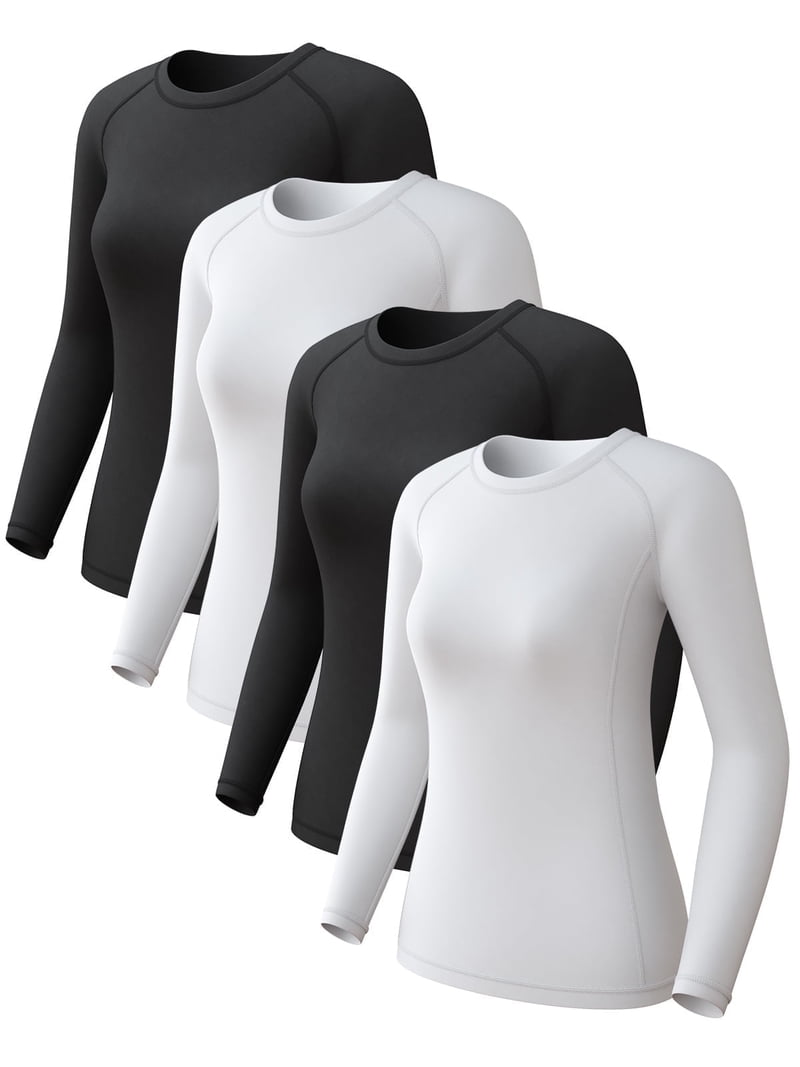
Credit: www.walmart.com
Frequently Asked Questions
How Can I Dry Gym Clothes Quickly Without A Dryer?
You can speed up drying by wringing out excess water, hanging clothes in a ventilated area, and using a fan to increase airflow. If you have a heated rack, that also helps. Rolling clothes in a dry towel before hanging can remove extra moisture.
Is It Safe To Tumble Dry Gym Clothes?
Most gym clothes can be tumble dried, but always check the care label. Use a low heat setting to avoid damaging elastic materials. High heat can cause shrinkage and reduce the lifespan of your clothes.
Why Do My Gym Clothes Still Smell After Drying?
Odor comes from bacteria that survive washing. If gym clothes are not dried quickly, bacteria can multiply. Wash clothes with antibacterial detergent or add vinegar to the rinse. Dry in sunlight to kill more bacteria.
Can I Hang Gym Clothes Outside In Winter?
Yes, but drying will take longer. Cold air holds less moisture, so clothes dry slowly. If possible, hang clothes inside near a heater or use a fan. Turn clothes inside out to expose damp areas.
How Do I Know If Gym Clothes Are Fully Dry?
Check thick areas like seams and underarms. Feel for coolness—if they feel cold, they may still be damp. Smell the fabric; a musty odor means they need more drying. Wait until clothes are completely dry before storing or wearing.
Drying gym clothes efficiently is important for comfort, hygiene, and keeping your gear in good condition. By understanding fabric types, drying methods, and practical tips, you can make sure your gym clothes are always ready for your next workout. Remember, small changes—like using a fan or choosing quick-dry fabrics—can make a big difference.
Stay fresh, stay active, and keep your gym clothes in top shape with these simple drying strategies.
