

Why Do Positive Affirmations Work? Unlocking Their True Power
Why Do Positive Affirmations Work
Life often feels overwhelming. We face stress, self-doubt, and negative thoughts every day. In the middle of this storm, positive affirmations have become a popular tool for self-improvement. You may see people repeating statements like “I am confident” or “I can handle anything.” But do these simple phrases really work? Why do so many people, including athletes, business leaders, and therapists, use them?
The answer is more interesting than you might expect. Positive affirmations are not magic words. They are based on how our brains process information, how habits form, and how mindset shapes our actions. This article will explain the science behind positive affirmations, how they actually work, and how you can use them in your life.
Along the way, you’ll discover practical tips, surprising facts, and common mistakes to avoid.
Understanding Positive Affirmations
To see why positive affirmations work, it’s important to first understand what they are. A positive affirmation is a short, clear statement that you repeat to yourself. Its purpose is to encourage positive thinking and reduce negative self-talk. For example, someone might say, “I am worthy of success” or “I stay calm under pressure.
”
Affirmations are usually written in the present tense. This helps your mind accept the idea as true right now, not just in the future. They focus on strengths, values, or goals. For example:
- “I am strong and capable.”
- “I am learning and growing every day.”
- “I attract positive energy.”
While these statements sound simple, they are carefully designed to shape your beliefs and actions.
The Science Behind Positive Affirmations
Many people are surprised to learn that positive affirmations have a basis in psychology and neuroscience. They are not just wishful thinking. Here are some key scientific ideas that explain why affirmations work:
Self-affirmation Theory
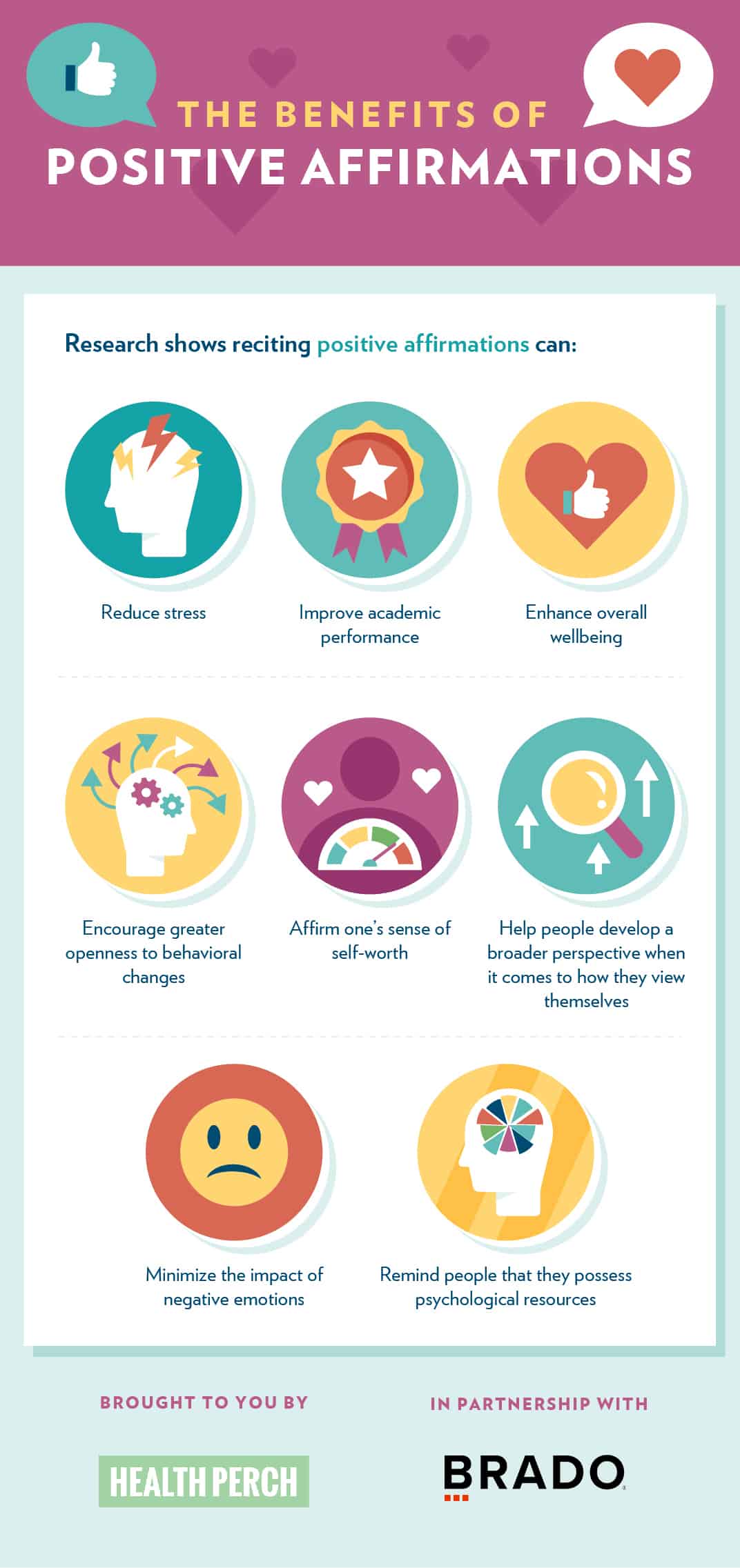
Self-affirmation theory is a well-known concept in psychology. It says that people want to see themselves as good, capable, and worthy. When we face threats to this self-image—like criticism or failure—we feel stress. Positive affirmations help by reminding us of our values and strengths. This reduces stress and protects our self-worth.
Neuroplasticity
Our brains have the ability to change and grow. This is called neuroplasticity. When you repeat a thought or action, your brain builds stronger connections for that pattern. If you often think negative thoughts, your brain gets better at it. But if you practice positive affirmations, you can build new, healthier pathways.
The Role Of The Reticular Activating System (ras)
The reticular activating system is a part of the brain that acts like a filter. It helps you notice things that match your beliefs and goals. If you keep telling yourself “I am confident,” your RAS will start to look for proof of your confidence in daily life.
Cognitive Behavioral Principles
Positive affirmations use ideas from cognitive behavioral therapy (CBT). CBT says that our thoughts, feelings, and actions are connected. Changing the way we think can change how we feel and what we do. Affirmations are a tool to shift thinking in a positive direction.
Credit: www.northwestpharmacy.com
How Positive Affirmations Affect The Mind
Repeating affirmations is not just about saying words. It’s about changing the way your brain works. Here’s what happens when you use positive affirmations regularly:
Rewiring Negative Thought Patterns
Most people have automatic negative thoughts. These might sound like, “I’m not good enough” or “I always fail. ” Over time, these thoughts can become habits. Affirmations break this cycle by introducing new, positive ideas. When you repeat “I am capable,” you start to believe it.
Your brain learns to replace old, negative patterns with new, empowering ones.
Building Self-confidence
Confidence is not something you are born with. It is built through experience and self-talk. Affirmations like “I believe in myself” can boost your confidence over time. When you feel confident, you are more likely to take action, try new things, and recover from setbacks.
Reducing Stress And Anxiety
Repeating positive statements can help calm your mind. For example, saying “I am at peace” or “I trust the process” can lower stress levels. Studies have shown that using affirmations reduces the impact of stress and helps people handle difficult situations better.
Supporting Goal Achievement
Affirmations are often linked to goals. For example, “I am focused on my goals” keeps your mind on what you want to achieve. This helps you stay motivated and overcome obstacles.
Enhancing Resilience
Life is full of ups and downs. Affirmations like “I can handle whatever comes my way” build mental strength. This makes it easier to bounce back after setbacks.
Practical Ways To Use Positive Affirmations
Knowing that affirmations work is not enough. You need to use them correctly to see results. Here are some practical steps and tips:
- Choose Statements That Matter to You: Pick affirmations that feel true or that you want to believe. If the statement feels fake, it won’t work.
- Use the Present Tense: Say “I am confident,” not “I will be confident.” This tells your brain it is happening now.
- Keep Them Short and Simple: Short statements are easier to remember and repeat.
- Repeat Regularly: Say your affirmations in the morning, before bed, or during stressful moments. Repetition is key.
- Say Them Out Loud: Speaking the words helps your brain process them more deeply.
- Write Them Down: Writing your affirmations in a journal adds another layer of engagement.
- Visualize Them: Imagine yourself living the affirmation. This makes it feel more real.
- Believe in the Process: If you doubt the power of affirmations, they won’t work as well. Give them a chance.
Example Affirmations For Different Goals
- For self-confidence: “I am worthy of respect.”
- For stress: “I am calm and relaxed.”
- For success: “I achieve my goals with ease.”
- For health: “My body is strong and healthy.”
Data And Research On Affirmations
You might wonder, “Is there real proof that affirmations work?” Many studies have tested the effects of positive self-talk and affirmations. Here are some findings:
- Research published in the journal Social Cognitive and Affective Neuroscience showed that self-affirmation activates parts of the brain involved in self-processing and reward.
- Studies have found that students who use affirmations before tests have lower stress and better performance.
- In a workplace study, employees who used daily affirmations reported higher job satisfaction and lower burnout.
To make this clearer, here is a simple comparison:
| Group | With Affirmations | Without Affirmations |
|---|---|---|
| Students (Exam Stress) | Lower stress, better performance | Higher stress, average performance |
| Employees (Job Satisfaction) | Higher satisfaction, less burnout | Lower satisfaction, more burnout |
While results vary, the trend is clear: regular use of positive affirmations can bring measurable benefits.
Common Myths And Misunderstandings
Many people have the wrong idea about positive affirmations. Let’s clear up some common myths:
“affirmations Are Just Wishful Thinking”
Some believe affirmations are only about pretending problems don’t exist. This is not true. Affirmations are about changing your mindset so you can handle problems better.
“you Must Believe The Affirmation Right Away”
Actually, it is normal to feel some doubt at first. Over time, repetition helps your brain accept the new idea.
“affirmations Replace Hard Work”
Affirmations are not a shortcut. They support your actions, but you still need to put in effort toward your goals.
“they Work Instantly”
Building new habits takes time. You may not see results right away, but with regular practice, changes happen.
How Affirmations Compare To Other Self-help Tools
Affirmations are not the only way to improve your mindset. How do they compare to other methods?
| Technique | Main Benefit | Time Required | Can Combine With Affirmations? |
|---|---|---|---|
| Positive Affirmations | Change self-talk, boost mood | 2-5 min/day | Yes |
| Meditation | Reduce stress, improve focus | 10-20 min/day | Yes |
| Gratitude Journaling | Increase happiness | 5-10 min/day | Yes |
| Therapy | Deep emotional support | Weekly sessions | Yes |
Affirmations are quick and easy, but they work even better when combined with other tools like meditation or journaling.
Mistakes To Avoid When Using Affirmations
Many beginners make small mistakes that limit the power of affirmations. Here’s what to watch out for:
- Using Negative Words: Avoid phrases like “I am not anxious.” Instead, use “I am calm.”
- Making Them Too Complicated: Keep affirmations clear and focused.
- Giving Up Too Soon: Real change takes time. Stick with your practice.
- Choosing Unrealistic Statements: Pick affirmations that you can believe, even a little bit.
- Not Taking Action: Affirmations support action but do not replace it.
A non-obvious insight: If an affirmation feels too far from your reality, try a “bridge statement.” For example, “I am learning to feel more confident every day.” This feels more believable and still moves you forward.
Examples From Real Life
Many well-known people use affirmations to reach their goals. For example:
- Athletes often use statements like “I am strong and prepared” before competitions.
- Public speakers repeat “I speak with clarity and confidence” to calm nerves.
- Students say “I am ready to learn” before tests.
Even people facing serious challenges, like illness or job loss, use affirmations to stay hopeful. In one study, cancer patients who used affirmations reported better mood and more hope during treatment.
The Role Of Emotion In Affirmations
Words alone are not enough. Emotion gives affirmations their real power. When you say an affirmation with feeling, your brain pays more attention. Try to connect with the meaning of each statement. Smile, stand tall, or put your hand on your heart as you repeat the words.
This turns a simple phrase into a powerful tool.
How To Create Your Own Positive Affirmations
Writing your own affirmations makes them more effective. Here’s a simple process:
- Think About Your Goal: What do you want to change or improve?
- List Your Strengths: What are you already good at?
- Turn Negatives into Positives: Change “I am always anxious” to “I am learning to stay calm.”
- Use the Present Tense: Write as if it’s true now.
- Keep It Short: Simple statements are easiest to remember.
For example, if you want to be more confident at work, try: “I bring value to my team.”
How Long Does It Take To See Results?
This is a common question. The answer depends on your starting point and how often you practice. Some people feel better after a few days. For others, it may take weeks. The key is consistency. Repetition helps your brain accept new ideas.
The more you practice, the faster you’ll see results.
A non-obvious insight: Results may appear first in small ways—like feeling less nervous before a meeting or noticing you recover faster from setbacks. Track your progress in a journal to see these changes.
When Affirmations Don’t Work: What To Do
Sometimes, affirmations do not seem to help. Here’s why this might happen and how to fix it:
- You Don’t Believe the Statement: Try a bridge statement that feels more true to you.
- You Only Say Them, Not Feel Them: Add emotion and visualization to your practice.
- You Forget to Repeat Regularly: Set reminders or connect affirmations to daily habits, like brushing your teeth.
- You Ignore Real Problems: Affirmations are not a replacement for real action or professional help when needed.
If you feel stuck, talk to a coach or therapist who can help you adapt your affirmations.
Using Affirmations For Different Areas Of Life
Affirmations are flexible. You can use them for many goals:
Health
“i Treat My Body With Respect.”
“i Am Getting Stronger Every Day.”
Relationships
“i Am A Caring Friend.”
“i Attract Positive People.”
Work
“i Am Skilled And Valued At My Job.”
“i Handle Challenges With Confidence.”
Learning
“i Enjoy Learning New Things.”
“i Am Smart And Capable.”
You can even make affirmations for specific events, like job interviews or exams.
Combining Affirmations With Visualization
Visualization is a method where you imagine your goal as if it’s already true. When you combine this with affirmations, your brain gets a double signal. For example, say “I am calm and confident” while picturing yourself giving a great presentation.
This makes the affirmation much stronger.
The Power Of Community And Shared Affirmations
Some people find it hard to practice affirmations alone. Sharing affirmations with friends or groups can help. For example, some teams start meetings with a group affirmation. This builds unity and boosts confidence. In families, parents and children can say affirmations together to build support.
Cultural And Historical Roots Of Affirmations
Positive affirmations are not new. Many cultures have used similar practices for centuries. For example, mantras in meditation, prayers, or traditional sayings all use repetition to shape the mind. Modern affirmations are a new version of these old ideas, but the goal is the same—to guide thoughts toward positivity.
Tracking Your Progress With Affirmations
Keeping a record of your affirmation practice helps you stay motivated. You can use a journal, an app, or even simple notes on your phone. Write down your affirmations, how you feel, and any changes you notice. Over time, you’ll see patterns and progress.
Here’s a simple way to track your practice:
| Day | Affirmation Used | Mood Before | Mood After | Notes |
|---|---|---|---|---|
| Monday | I am capable | Anxious | Calmer | Helped before meeting |
| Tuesday | I attract good things | Tired | More hopeful | Felt motivated for the day |
This simple table helps you notice which affirmations work best and when you feel the most change.
Expert Tips For Making Affirmations Work
- Start Small: Use one or two affirmations at first. Add more as you feel comfortable.
- Stay Consistent: Practice every day, even if it’s just for a minute.
- Combine with Action: Use affirmations to support real steps toward your goals.
- Adjust as Needed: If an affirmation stops working, change it to fit your new needs.
- Get Support: Share your practice with a friend or join an online group for encouragement.
Remember, affirmations are a tool. Like any tool, they work best when you use them correctly and with purpose.
Frequently Asked Questions
What Are Positive Affirmations?
Positive affirmations are short, clear statements that you repeat to yourself to encourage positive thinking and reduce negative thoughts. They help you build new, empowering beliefs about yourself and your abilities.
How Often Should I Repeat Affirmations?
You should repeat affirmations daily for the best results. Many people say them in the morning and before bed. The key is consistency—the more often you repeat them, the stronger the effect.

Credit: www.cultureally.com
Can Affirmations Help With Anxiety Or Stress?
Yes, affirmations can help reduce anxiety and stress by replacing negative thoughts with calming, positive ones. For example, repeating “I am safe and calm” during stressful moments can help your mind and body relax.
Do I Have To Say Affirmations Out Loud?
Saying affirmations out loud is helpful, but not required. You can also write them down or repeat them silently in your mind. The most important thing is to focus on the meaning and repeat them regularly.
Credit: www.boldtuesday.com
Where Can I Learn More About The Science Behind Affirmations?
You can read more about the psychology and research behind affirmations from reliable sources like Wikipedia or scientific journals. These sources explain the theories and studies that support the use of positive affirmations.
Positive affirmations are more than just words—they are a powerful way to shape your thoughts, build confidence, and reach your goals. With the right practice and mindset, anyone can use affirmations to create real, lasting change in life.
