

Affirmation Doesn’t Work? Discover Why and What to Do Instead
Many people believe that repeating positive phrases, called affirmations, can change their lives. You might have seen books, videos, and social media posts encouraging you to say things like, “I am confident” or “I am successful,” hoping these words will bring real change. But what if you try these affirmations again and again, and nothing happens? Maybe you feel even worse, as if something is wrong with you. The truth is, affirmation doesn’t work for everyone. In fact, there’s strong evidence and real stories showing why affirmations sometimes fail, and even backfire. Understanding why can help you avoid frustration and find better ways to improve yourself.
What Are Affirmations And Why Do People Use Them?
Affirmations are short, positive sentences you say to yourself, often to change your mood or beliefs. For example, saying “I am worthy” or “I am calm.” Many self-help books and speakers suggest repeating these phrases daily to build self-confidence, reduce stress, or reach goals.
The idea is that if you tell yourself something often enough, your mind will believe it, and your life will improve. People use affirmations for many reasons:
- Boosting self-esteem when they feel low
- Motivating themselves to reach goals
- Reducing anxiety or fear
- Changing negative thought patterns
- Improving performance at work or school
Some believe affirmations are simple and harmless. But for many, the results are disappointing. Instead of feeling better, they feel stuck or even worse. Let’s see why this happens.
The Science Behind Affirmations: What Research Shows
Many studies have looked at how affirmations affect the mind. The results are not as positive as you might expect.
| Study Group | Effect of Affirmation | Notes |
|---|---|---|
| People with high self-esteem | Felt slightly better | Minor improvement |
| People with low self-esteem | Felt worse after affirming | More negative emotions |
| Mixed self-esteem | No clear effect | Results varied |
One famous experiment showed that when people with low self-esteem repeated positive statements like “I am lovable,” they felt worse, not better. Their minds argued with the affirmation, saying, “This is not true. ” Instead of feeling confident, they felt like failures for not believing the words.
Another interesting fact is that affirmations can work a little for people who already feel good about themselves. But for those who struggle with doubt or negative thoughts, affirmations may increase stress or sadness.
The main reason is that the brain does not accept ideas that feel fake. If you say, “I am successful,” but your life is full of setbacks, your mind fights back. This mental conflict can make you feel more hopeless.
Why Affirmations Don’t Work For Many People
There are several reasons why affirmations often fail. Understanding these can help you see the real problem.
1. Affirmations Can Feel Fake Or Forced
If you say something that you do not believe, your mind will resist. This is called cognitive dissonance—a mental discomfort when your words and beliefs do not match. For example, telling yourself, “I am rich,” when you are struggling with money, can make you feel even poorer.
2. Affirmations Ignore Deeper Problems
Many people use affirmations to cover up pain, fear, or past trauma. But words alone cannot heal deep emotional wounds. If you only repeat positive phrases, you might avoid facing real issues that need attention, such as low self-worth, anxiety, or relationship problems.
3. They Can Lead To Guilt And Shame
When affirmations do not work, you may blame yourself. You might think, “Others can change, but I can’t. Something is wrong with me. ” This leads to guilt, shame, and more negative feelings—the opposite of what you wanted.
4. Lack Of Action
Saying positive things is not enough to change your life. Real change needs action—learning new skills, making decisions, or building healthy habits. Affirmations can become an excuse to avoid real work.
5. Affirmations Can Block Real Emotions
Some people use affirmations to push away sadness, anger, or fear. Over time, this can create emotional numbness. You stop listening to your real feelings, which can make mental health problems worse.
6. Social Pressure And Comparison
Seeing others “succeed” with affirmations on social media can make you feel left out. The pressure to be positive all the time is unrealistic and damaging. You may feel you must hide your struggles to fit in.
7. Oversimplification Of Complex Issues
Life is complicated. Problems like depression, anxiety, or low confidence have many causes—family, work, health, or trauma. Simple phrases cannot fix these deep issues.
Common Myths About Affirmations
There are many beliefs about affirmations that are simply not true. Let’s clear up some of the biggest myths.
Myth 1: Affirmations Work For Everyone
No, they do not. As research shows, people with negative thoughts or low confidence often feel worse after using affirmations.
Myth 2: You Just Need To Repeat Them More
More is not better. Repeating something you do not believe only increases stress and mental conflict.
Myth 3: Affirmations Can Change Reality
Saying “I am successful” does not bring success. Real change needs action, skill, and sometimes, help from others.
Myth 4: Positive Thinking Is Always Good
Forcing yourself to think positive all the time can be unhealthy. It is normal to feel sad, angry, or afraid. Ignoring these feelings does not help.
Myth 5: Affirmations Have No Risks
Affirmations can increase guilt, shame, or anxiety, especially if you struggle with mental health. They are not always harmless.
When Affirmations Might Help
Despite their limits, affirmations can help in some cases. It is important to know when and how to use them safely.
- Short-term boost: Before a speech or exam, a simple positive phrase can calm nerves.
- Support for healthy beliefs: If you already have some confidence, affirmations can remind you of your strengths.
- Part of a bigger plan: Affirmations work best with therapy, self-reflection, or action steps—not as the only tool.
Real-life Examples: When Affirmations Fail
Let’s look at some real stories to see how affirmations can backfire.
- A student with low grades repeats, “I am smart and successful.” After failing another test, she feels more hopeless, blaming herself for not believing enough.
- A person with social anxiety says, “I am confident,” before parties. The statement feels fake, and his anxiety grows. He stops going out altogether.
- A man struggling with debt repeats, “I am financially free.” Bills pile up, and he feels more stressed, thinking he is doing something wrong.
In each case, affirmations created more pain, not less. The words did not match reality, and deeper issues were ignored.
What Works Better Than Affirmations?
If affirmations do not help, what should you do instead? Here are some powerful tools that can bring real change.
1. Self-compassion
Instead of forcing positive phrases, try self-compassion. This means treating yourself with kindness, as you would a friend. Say, “I’m having a hard time, and that’s okay.” Research shows self-compassion reduces anxiety and helps people grow.
2. Acceptance
Let yourself feel all emotions, even the hard ones. Say, “I feel sad right now, and that’s a normal part of life. ” Acceptance does not mean giving up. It means facing reality honestly.
3. Setting Small, Actionable Goals
Big changes come from small steps. Instead of saying, “I am confident,” set a goal like, “I will speak up once in the next meeting. ” Success builds slowly but lasts longer.
4. Cognitive Behavioral Techniques
CBT is a proven therapy that helps you notice and change negative thoughts. Instead of jumping to positive phrases, ask yourself, “Is this thought helpful? What is the evidence? ” This method is practical and backed by science.
5. Journaling
Writing your thoughts and feelings helps you understand them. You can see patterns and find solutions. Many therapists use journaling to help people grow.
6. Gratitude Practice
Focusing on what you are thankful for can slowly change your mindset. This is not the same as ignoring problems. It means seeing both the good and the bad.
7. Seeking Professional Help
If you feel stuck, talking to a therapist or counselor can make a big difference. They can help you find the root of problems and build new skills.
How To Use Positive Self-talk Safely
If you still want to use affirmations or positive self-talk, here are some tips to avoid common mistakes.
- Make it believable: Choose statements that feel true, even if small. For example, “I am learning to be more confident.”
- Focus on effort, not results: Say, “I am trying my best,” instead of “I am perfect.”
- Be specific: Instead of “I am happy,” try, “I enjoy reading in the evening.”
- Combine with action: Link your words with real steps. For example, “I am building new skills by practicing each day.”
- Allow all feelings: Remind yourself that it’s okay to feel bad sometimes. Positive words should never block real emotions.
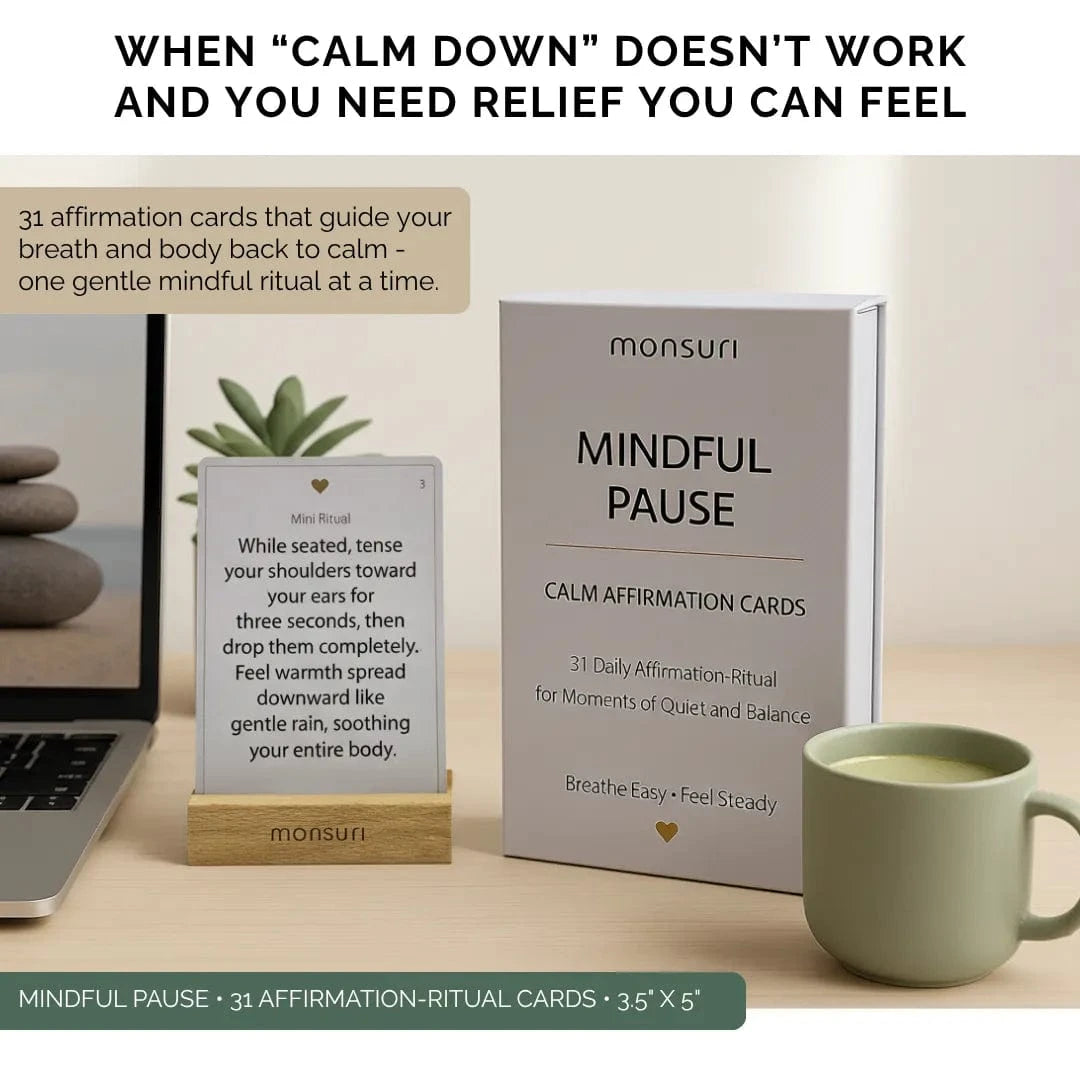
Credit: www.monsuri.com
The Role Of Culture And Society
Culture shapes how we see affirmations. In some countries, talking about yourself in a positive way is normal. In others, it can feel strange or even rude.
Social media often promotes a “just be positive” message. This can make people hide their struggles or feel ashamed for not feeling happy all the time.
It’s important to remember that your worth does not depend on being positive 24/7. Everyone faces hard times, and it is normal to struggle.
The Dark Side Of Positive Thinking
The “positive thinking” movement tells us to focus only on the good. But life is not always positive. Ignoring pain, loss, or fear can lead to bigger problems.
Psychologists call this toxic positivity. It means forcing yourself or others to be cheerful, even when suffering. This can make people feel lonely, misunderstood, and unsupported.
Research shows that accepting all emotions—good and bad—leads to better mental health. You do not need to be positive all the time to live a good life.
Comparing Affirmations With Other Self-help Tools
To see the difference, here’s a clear comparison:
| Method | How It Works | Main Benefit | Main Risk |
|---|---|---|---|
| Affirmations | Repeating positive phrases | Quick mood boost (sometimes) | Can backfire if not believed |
| Self-Compassion | Treating yourself kindly | Reduces shame and guilt | None if balanced |
| CBT Techniques | Challenging negative thoughts | Proven to reduce anxiety, depression | Needs learning and practice |
| Journaling | Writing thoughts and feelings | Better self-understanding | Time-consuming for some |
This shows that while affirmations are easy, other methods often bring deeper and longer-lasting change.
Surprising Insights About Why Affirmations Fail
Many people miss these important facts:
- Your subconscious mind is not easily fooled. It holds onto long-term beliefs, and simple phrases cannot change it overnight.
- Negative self-talk is a symptom, not the cause. Trying to cover it up with positive words ignores the deeper reasons.
- Affirmations can distract from real solutions. They can make you feel you are “doing something,” but real growth needs facing hard truths and taking real action.
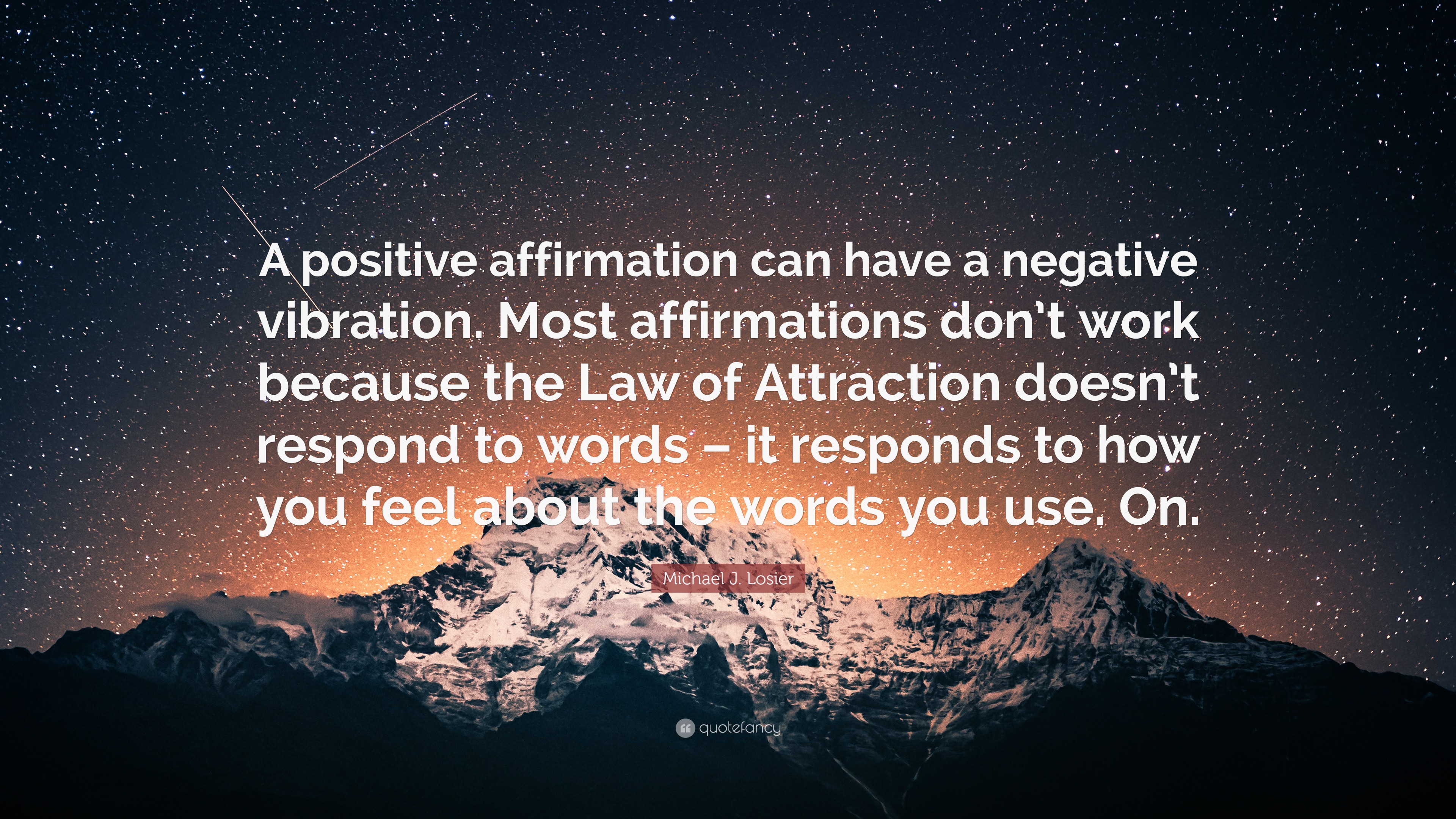
Credit: quotefancy.com
Alternatives To Affirmations For Personal Growth
Here are some ideas you can try instead of affirmations:
- Mindfulness meditation—Noticing your thoughts without judgment
- Learning new skills—Building real confidence through practice
- Asking for feedback—Hearing from others to see yourself clearly
- Volunteering or helping others—Building meaning and connection
- Physical activity—Exercise can boost mood and self-esteem
- Therapy or coaching—Professional support for real change
These methods have been shown in many studies to help people feel better and grow.
Why Do Affirmations Remain Popular?
If affirmations often do not work, why do so many people still use them?
- Easy to start: No special tools or money needed
- Popular in media: Books, videos, and social posts make them look powerful
- Promise quick results: Many want a fast fix for deep pain
- Peer pressure: Friends or influencers may promote affirmations as the key to success
But popularity does not equal effectiveness. Many people quietly struggle, thinking they are the only ones not helped by affirmations.
How To Know If Affirmations Are Hurting You
Watch for these warning signs:
- You feel worse after using affirmations
- You feel guilty or ashamed for not “believing” enough
- You avoid real problems, hoping words will fix everything
- You feel you must hide your true feelings
If you notice these, it may be time to try a different approach.
What Therapists And Experts Say
Most mental health professionals agree: affirmations are not enough for deep change. They may give a small boost, but do not heal trauma, depression, or anxiety. Therapists suggest focusing on:
- Self-compassion
- Mindfulness
- Action steps
- Support from others
If you want to read more about the science behind self-talk and positive psychology, you can visit Psychology Today.

Credit: www.amazon.com
Practical Steps To Move Beyond Affirmations
If you want real growth, try these steps:
- Notice your true feelings—Write them down honestly
- Ask what you need—Do you need rest, support, or a new skill?
- Set one small goal—Take action, even if tiny
- Celebrate small wins—Notice progress, not perfection
- Talk to someone you trust—You are not alone
These steps are simple but powerful. Over time, they build true confidence and change.
Frequently Asked Questions
Why Do Affirmations Make Me Feel Worse?
Affirmations can feel fake if you do not believe them. Your mind may argue with the positive words, making you feel even more negative. This is common, especially if you struggle with self-doubt or low confidence.
Can Affirmations Ever Help With Anxiety Or Depression?
Affirmations alone are rarely enough for serious mental health issues. They might give a short-term boost, but real help often comes from therapy, self-compassion, and practical steps. If you feel stuck, talking to a professional is the best option.
How Are Affirmations Different From Positive Self-talk?
Affirmations are repeated positive phrases, often not tied to real action or feelings. Positive self-talk means speaking kindly and honestly to yourself, even about struggles. The second method is usually safer and more helpful.
What Should I Do If Affirmations Are Not Working?
Try other tools, like journaling, mindfulness, or small goal-setting. Focus on self-compassion and acceptance. If you feel very stuck or hopeless, reach out for professional support.
Why Are Affirmations So Popular If They Do Not Work For Everyone?
Affirmations are easy to use and promoted everywhere—books, social media, and friends. People hope for a quick fix to deep problems. However, many find they do not work and quietly move on to other methods.
In the end, change is possible for everyone. You do not need to force yourself to repeat words that do not feel true. Choose tools that fit you and your real needs, and remember: real growth takes time, honesty, and self-kindness.
