

How Many Affirmation Cards in a Deck: A Complete Guide
How Many Affirmation Cards In A Deck
Affirmation cards have become a popular tool for self-growth, mental well-being, and daily inspiration. If you’ve ever browsed for a deck or wondered how many cards you should expect in a pack, you’re not alone. The answer is not as simple as you might think.
The number of affirmation cards in a deck varies widely, depending on the purpose, style, and even the brand behind the product. If you’re planning to buy, gift, or create your own affirmation deck, understanding the standard, the exceptions, and the reasoning behind different deck sizes will help you make a better choice.
Let’s explore what defines an affirmation card deck, why deck sizes matter, the most common counts, and how the number of cards can affect your experience. Along the way, you’ll find real-world examples, tips from experienced users, and practical advice for choosing or designing the right deck size for your needs.
What Are Affirmation Cards And How Are They Used?
Affirmation cards are small cards, often around the size of a playing card, each printed with a positive statement or motivational phrase. The purpose is to encourage positive thinking, build confidence, and support emotional well-being. You can use them in many ways:
- Draw a card each morning for daily guidance.
- Place cards where you see them often (mirror, desk, fridge).
- Use them as prompts for meditation or journaling.
- Share cards with friends or in group settings.
Each deck usually follows a theme, such as self-love, gratitude, or stress relief. The cards can be beautifully designed, plain and simple, or even illustrated with inspiring images.
The Range: How Many Affirmation Cards Are Usually In A Deck?
There is no single answer to how many affirmation cards you’ll find in a deck. The range is quite broad. Some decks are small and focused, while others are large and comprehensive. Here’s what you can expect:
- Small decks: 10 to 20 cards
- Medium decks: 20 to 50 cards
- Large decks: 50 to 100 cards
- Extra-large decks: 100+ cards
Most commonly, a standard affirmation deck contains between 30 and 60 cards. This range offers enough variety without feeling overwhelming.
Why So Much Variation?
Deck size depends on several factors:
- Purpose: Some decks are designed for a month-long challenge, so they have 30 or 31 cards. Others cover broad topics and have more cards.
- Target audience: Children’s decks may have fewer, simpler cards. Adult decks often include more depth and variety.
- Production costs: More cards mean higher printing costs, which can influence the final deck size.
- Creator’s vision: Some designers believe in a focused, minimal approach, while others want to offer a wide range of affirmations.
Common Deck Sizes Explained
To help you understand what to expect, let’s look at the most typical deck sizes in detail, along with real examples and the pros and cons of each.
1. 10–20 Cards: Pocket-sized Positivity
These mini decks are perfect for people who prefer simplicity and ease of use. They’re ideal for travel or for those just starting with affirmations.
Example: A set designed for children might include 15 cards, each with a simple affirmation and a cute illustration.
Pros:
- Easy to carry anywhere
- Less overwhelming for beginners
- Quick to cycle through all cards
Cons:
- Limited variety
- Can become repetitive over time
2. 21–30 Cards: One For Every Day
Many decks are designed to offer one card per day for a month. Some use 28, 30, or 31 cards to match the days in a typical month.
Example: A self-care challenge deck with 30 cards, each encouraging a different daily practice.
Pros:
- Structured for daily use
- Encourages building a habit
- Not too many cards to manage
Cons:
- Once you finish the month, cards may feel less novel
- Less room for diverse topics
3. 31–50 Cards: Balanced Variety
This range is popular among mainstream affirmation decks. It offers enough cards to keep things fresh but isn’t so large as to be intimidating.
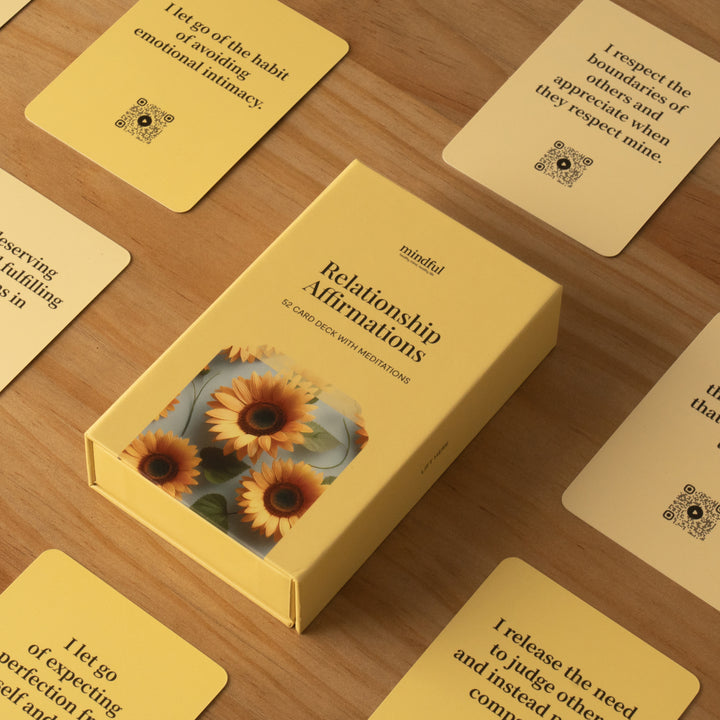
Example: A mindfulness deck with 44 unique affirmations, each with a short meditation prompt.
Pros:
- Good balance of variety and focus
- Feels substantial but not overwhelming
- Can easily be used over multiple months
Cons:
- May include some overlap in themes
- Slightly higher cost than smaller decks
4. 51–100 Cards: Deep Exploration
Larger decks often appeal to committed users who want a wide range of affirmations or who use the cards in group settings.
Example: A comprehensive deck with 80 cards, exploring themes like gratitude, resilience, love, and healing.
Pros:
- High variety, unlikely to repeat often
- Suitable for group use or therapy sessions
- Covers many topics and moods
Cons:
- Can feel overwhelming to beginners
- More expensive to produce and buy
5. 100+ Cards: The Ultimate Collection
Some decks go beyond 100 cards, offering a truly exhaustive set. These are rare but valued by serious enthusiasts or professionals.
Example: A deck for coaches with 120 cards, each tailored to different coaching scenarios.
Pros:
- Maximum variety, almost endless combinations
- Great for professionals or frequent users
Cons:
- Bulky, not easy to carry
- Can be too much for casual users
Real-world Data: Popular Decks And Their Card Counts
To give you a sense of what’s out there, here’s a comparison of popular affirmation decks and their card counts:
| Deck Name | Number of Cards | Target Audience |
|---|---|---|
| The Universe Has Your Back | 52 | Adults |
| Affirmators! Deck | 50 | Adults |
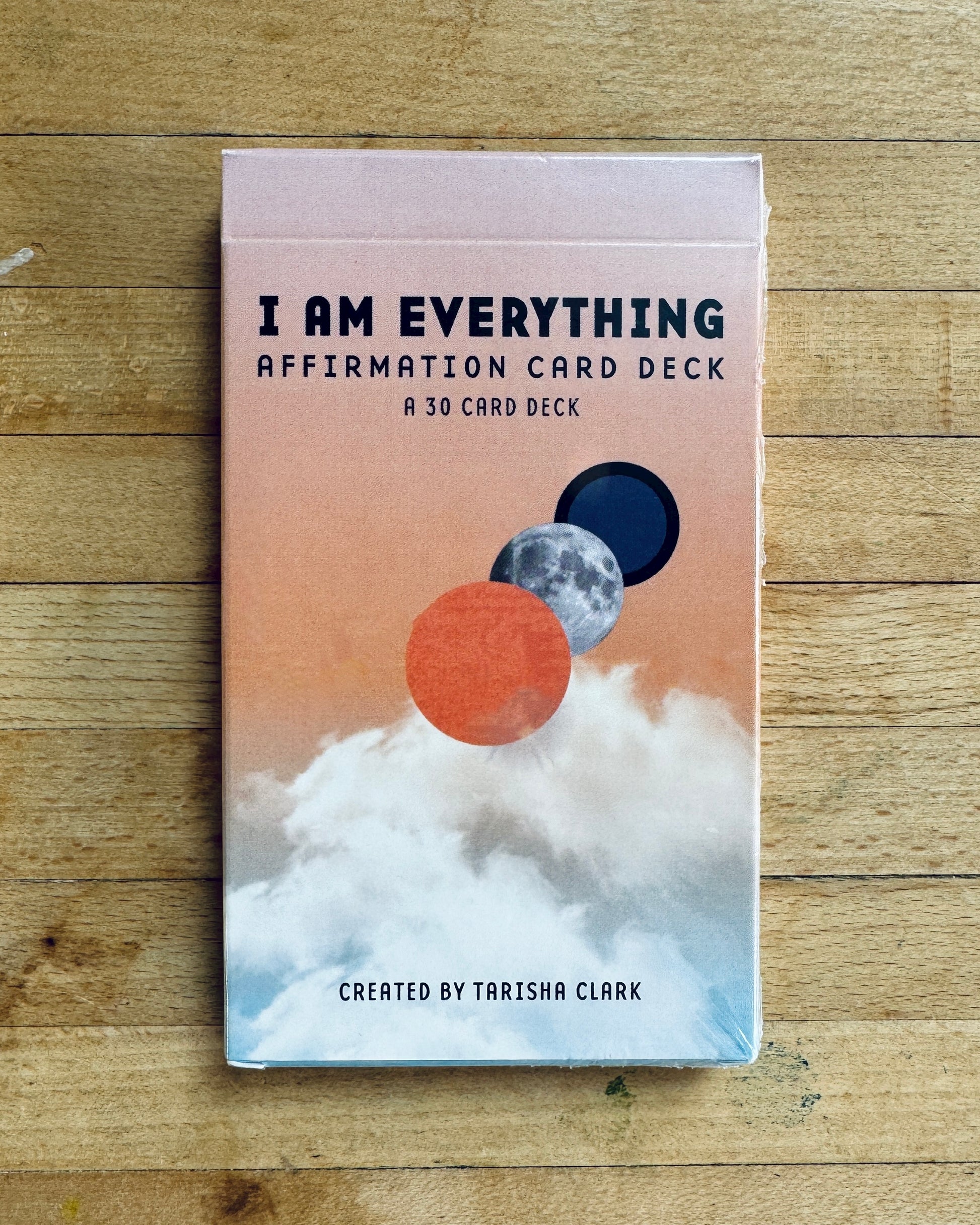
| I Am Everything Affirmation Cards | 30 | Adults |
| Kid’s Mindfulness Cards | 20 | Children |
| Super Attractor Cards | 52 | Adults |
As you can see, most commercial decks fall between 20 and 52 cards, with 30 and 52 being especially popular numbers.
Why Does The Number Of Cards Matter?
You might wonder why deck size is important. It’s more than just a number—it shapes your entire experience.
Variety Vs. Focus
A bigger deck provides more variety. You’re less likely to pull the same card often, which keeps things interesting. However, too many cards can make it hard to form a strong connection with each affirmation. In contrast, a smaller deck allows for focused repetition, which can help embed key messages in your mind.
Habit Formation
Decks designed around a specific number—such as 30 or 31 cards—make it easy to develop a daily affirmation habit. You simply draw a new card each day for a month.
Practical Use
Larger decks can be bulky and harder to shuffle. If you want a portable option, a smaller deck might be better. For group activities, such as in classrooms or workshops, larger decks offer more choices and prevent repetition.
Emotional Impact
With fewer cards, you may see the same affirmation multiple times, which can deepen its emotional effect. With a larger deck, you’re exposed to a greater range of ideas, which can help you discover new perspectives.
How Are Deck Sizes Decided?
Deck creators often choose a size based on:
- Theme or topic: A focused theme might need fewer cards, while a broad topic calls for more.
- User feedback: Some brands adjust deck size based on what customers like or request.
- Production cost: Every card adds to the printing expense, so cost is a factor.
- Design limitations: Some decks come in specially designed boxes that fit only a certain number of cards.
Some creators use the deck size as a unique selling point, such as “One affirmation for every week of the year” (52 cards) or “A card for each day of the month” (30 or 31 cards).
Examples Of Deck Sizes And Their Unique Features
Let’s look at specific decks and what makes their size special.
30-card Decks: Month-long Journeys
Many creators design decks with 30 cards so you can use one card per day for a month. This structure offers a clear start and finish, making it great for people who like a sense of completion.
44-card Decks: Symbolic Numbers
Some decks use numbers considered lucky or meaningful, such as 44. It stands out as a spiritual or symbolic number in some cultures, which adds extra appeal for certain buyers.
52-card Decks: Weekly Practice
A 52-card deck lets you use one card each week for a year. This pace suits users who prefer to focus on a single affirmation for several days, making it easier to go deeper.
100+ Card Decks: All-in-one Resource
These are usually aimed at therapists, teachers, or coaches who need a wide variety to suit many situations. The extra cards allow for more customization and flexibility.
How To Choose The Right Affirmation Deck Size For You
Choosing the right deck size depends on your personality, goals, and lifestyle. Here are some tips to help you decide:
1. Beginner Or Experienced?
If you’re new to affirmations, start with a smaller deck (20–30 cards) to avoid overwhelm.
2. Intended Use:
Daily solo use? Go for 30–52 cards. Group or classroom use? Consider 50+ cards for more options.
3. Portability:
Want to keep the deck in your bag or car? Smaller decks are easier to carry.
4. Budget:
More cards usually mean a higher price. Decide what’s worth it for your needs.
5. Theme Preference:
A focused theme (like gratitude) may need fewer cards, while a broad theme (general well-being) can benefit from more.
6. Personal Connection:
Some people prefer to connect deeply with a few affirmations, repeating them often. Others enjoy exploring new messages each day.
Credit: mamamademinis.com
Creating Your Own Affirmation Card Deck: How Many Cards Should You Include?
If you want to design your own deck, deciding on the number of cards is one of the first steps. Here’s what to consider:
Purpose And Audience
Are you creating the deck for yourself, friends, children, or clients? A personal deck can be any size you want. For gifts or commercial use, stick to common sizes (30, 44, or 52) to meet expectations.
Theme And Scope
A tightly focused theme may only need 20 affirmations. A broader topic could require 50 or more to cover all angles.
Practical Tips
- Print a prototype with 10–20 cards first to test the feel.
- Ask friends or potential users for feedback on size.
- Remember: The best deck is one you’ll actually use.
The Impact Of Deck Size On Daily Practice
How does the number of cards affect your affirmation routine? Here are a few scenarios:
Consistency And Routine
A 30-day deck encourages you to check in daily for a month, reinforcing a habit. A larger deck may mean you don’t repeat cards often, which some people prefer for variety.
Emotional Resonance
With fewer cards, you’ll see the same affirmations more often. This repetition can help those words become part of your self-talk. With more cards, you get a wider range of messages, which may spark new insights but could feel less personal.
Group Activities
Larger decks are a good choice for group activities, workshops, or therapy sessions. They allow everyone to pick a different card and keep the experience fresh.
How Deck Size Can Influence Affirmation Effectiveness
Some research suggests that repetition is key to making affirmations stick. With a smaller deck, you’re more likely to repeat cards, which can help reinforce the message. However, too much repetition may lead to boredom or disengagement.
A larger deck keeps things novel and interesting, which can make you more likely to stick with the practice long-term. The best choice depends on your own habits and preferences.
Non-obvious Insights About Affirmation Deck Sizes
- Thematic Cohesion vs. Diversity:
Decks with fewer cards usually stick closely to a single theme, making the experience more focused. Larger decks often mix several themes, which can be both a benefit and a drawback. Beginners often overlook the importance of thematic cohesion—it can make affirmations feel more relevant to a specific goal.
- Shuffling and Handling:
Physical usability matters. Larger decks can be hard to shuffle, especially for children or older adults. Some users prefer to split a big deck into smaller groups based on themes or moods for easier handling.
- Retention and Recall:
With fewer cards, you’re more likely to remember and internalize the affirmations. This can boost the actual impact of the practice, as repetition helps with retention.
- Display and Accessibility:
Smaller decks can be displayed fully on a vision board or wall, making affirmations visible all at once. Larger decks often require storage, so you only see one card at a time.
Comparing Deck Sizes: What’s Right For Different Purposes?
Here’s a practical comparison to help you see which deck size might fit different needs:
| Deck Size | Best For | Drawbacks |
|---|---|---|
| 10–20 cards | Travel, beginners, children | Limited variety, can become repetitive |
| 21–30 cards | Month-long challenges, habit building | May not cover all themes |
| 31–50 cards | Regular personal use, balanced variety | Some thematic overlap possible |
| 51–100 cards | Group settings, advanced users | Bulky, harder to manage |
| 100+ cards | Professionals, all-in-one resources | Expensive, overwhelming for most users |
The Role Of Digital Affirmation Decks
With the rise of mobile apps, digital affirmation decks are becoming popular. The digital format removes physical limits—some apps offer hundreds or even thousands of affirmations. However, many users still prefer the tactile experience of drawing a physical card.
Digital decks allow for easy customization, letting users choose how many cards they see each day. This flexibility is great, but the experience is different from shuffling and selecting a real card.
Tips For Using Affirmation Cards Effectively, No Matter The Deck Size
1. Be Consistent:
Use your deck daily, even if it’s just for a minute.
2. Reflect On Each Card:
Take a moment to think about what the affirmation means to you.
3. Mix It Up:
If your deck feels stale, combine cards from different decks or pull more than one at a time.
4. Create A Ritual:
Draw your card at the same time each day—maybe during breakfast or before bed.
5. Share With Others:
Involve friends, family, or coworkers. Group sharing can deepen the impact.
6. Personalize Your Practice:
If you outgrow your deck, add your own affirmations or write on blank cards.
What If You Want More Or Fewer Cards?
If you find that your deck is too small or too large for your liking:
- Too few cards? Supplement with online resources or write your own additional affirmations.
- Too many cards? Divide your deck into themes and use only one group at a time.
Affirmation practice is personal—customize it to fit your needs.
Credit: shop.mindful.org
Where To Buy Or Find Affirmation Decks
You can find affirmation cards in bookstores, online marketplaces, specialty wellness shops, or directly from creators. Some reputable sources include:
- Major online retailers
- Official creator websites
- Mindfulness or yoga studios
For more information about the psychology of affirmations, you can visit Wikipedia.
Frequently Asked Questions
How Many Affirmation Cards Should A Beginner Deck Have?
For beginners, a deck with 20 to 30 cards is ideal. This size offers enough variety to keep things interesting but is still easy to use and not overwhelming. It’s a manageable way to start building an affirmation habit.
Is There A Standard Number Of Cards In Affirmation Decks?
There is no official standard, but most commercial decks contain 30, 44, or 52 cards. These numbers are popular because they match common time cycles (a month, symbolic numbers, or weeks in a year). However, deck sizes vary by brand and purpose.
Can I Make My Own Affirmation Cards, And How Many Should I Include?
Yes, you can absolutely make your own affirmation cards. The number is up to you, but most people start with 10 to 30 cards for personal use. If you plan to share or sell your deck, consider common sizes like 30, 44, or 52 for broader appeal.
Does The Number Of Cards Affect How Effective My Affirmation Practice Is?
The number of cards can influence your practice. Fewer cards mean more repetition, which helps embed the affirmations in your mind. More cards offer greater variety and can keep things fresh. The best choice depends on your goals and preferences.
Are Digital Affirmation Decks As Effective As Physical Ones?
Digital decks offer convenience and endless variety, but many people find physical cards more engaging. The tactile act of drawing a card can make the experience feel more personal. Try both and see which format works best for you.
Affirmation cards are a simple but powerful tool for self-growth. Whether you choose a pocket-sized deck or a comprehensive collection, the key is to use them regularly and thoughtfully. Whatever the size, the most important thing is finding affirmations that truly resonate with you.

Credit: www.amazon.com
