

Positive Affirmations for Women: Empower Your Mind Daily
Positive Affirmations For Women
Feeling confident and empowered can sometimes be a challenge for women. Life brings many pressures—career demands, family expectations, social comparisons, and self-doubt. In these moments, positive affirmations can make a huge difference. These are simple statements you repeat to encourage yourself, boost your mood, and shape your thinking in a healthy way. While some people see affirmations as just words, research and real-life stories show they can help change how you see yourself and what you believe you can do.
This article explores how positive affirmations work for women, their benefits, practical examples, and how to use them in daily life. Whether you’re seeking more confidence, better relationships, or just a kinder inner voice, you’ll find guidance here. We’ll look at different types of affirmations, suggest ways to make them personal, and explain why they matter.
By the end, you’ll have a clear, practical understanding of how positive affirmations can support your journey as a woman.
What Are Positive Affirmations?
Positive affirmations are short, powerful statements you say to yourself to inspire positive change. They work by challenging negative thoughts and building new beliefs. For example, saying “I am capable” can help replace self-doubt with confidence. These statements are most effective when spoken in the present tense and repeated often.
Affirmations are not magic words. They guide your mind to focus on what’s possible, not just what’s wrong. Research in psychology suggests that repeating positive statements can improve self-esteem, reduce stress, and even increase motivation. For women, affirmations can help counteract social pressures and internal doubts that often feel overwhelming.
Why Affirmations Matter For Women
Women face unique challenges, from balancing many roles to dealing with gender bias and expectations. Many women struggle with imposter syndrome—the feeling that they are not good enough, even when they succeed. Affirmations help by giving you a way to speak kindly to yourself, just as you would to a friend.
When used regularly, affirmations can:
- Build self-confidence
- Reduce anxiety and negative thinking
- Encourage resilience during tough times
- Support goal-setting and motivation
- Create a positive self-image
The benefits go beyond just feeling good. Positive affirmations can change your inner dialogue, making it easier to handle stress, setbacks, or criticism. For many women, this is a small but powerful step toward greater well-being.

Credit: notesbythalia.com
How Affirmations Work: The Science
Affirmations work through the power of self-affirmation theory. This psychological concept suggests that when people focus on their values and strengths, they become more resilient to threats and stress. When you repeat positive statements, you activate areas of your brain related to self-processing, which helps you see yourself in a more positive light.
A study published in the journal *Social Cognitive and Affective Neuroscience* found that self-affirmation increased activity in brain regions associated with reward and self-related processing. This means your brain actually responds to positive self-talk, which can lead to real changes in how you think and behave.
However, affirmations are most effective when they match your values and goals. Saying “I am a millionaire” may not help if you don’t believe it’s possible. Instead, affirmations like “I am learning to manage my money wisely” are more believable and motivating.
Types Of Positive Affirmations For Women
Women use affirmations for many reasons. Here are some categories with examples for each:
Self-confidence And Self-worth
Feeling good about yourself is the foundation for everything else. Affirmations can help you trust yourself more.
- “I am worthy of respect and love.”
- “I believe in my abilities.”
- “I am proud of who I am.”
- “My voice matters.”
- “I accept myself completely.”
Body Image And Self-love
Many women struggle with body image. These affirmations support acceptance and self-care.
- “My body is strong and capable.”
- “I honor my body’s needs.”
- “I am grateful for all my body does for me.”
- “Beauty comes in many shapes and sizes.”
- “I treat myself with kindness.”
Career And Ambition
Workplace challenges can be tough. These affirmations help you stay motivated and confident.
- “I am skilled and knowledgeable.”
- “I can reach my goals.”
- “I am a valuable member of my team.”
- “My ideas have value.”
- “I am open to new opportunities.”
Relationships And Boundaries
Healthy relationships start with healthy boundaries and self-respect.
- “I deserve healthy, respectful relationships.”
- “I communicate my needs clearly.”
- “I honor my boundaries.”
- “I attract positive people into my life.”
- “I am loved and supported.”
Resilience And Overcoming Challenges
Life isn’t always easy. Affirmations can help you stay strong when things get hard.
- “I am resilient and strong.”
- “I can handle whatever comes my way.”
- “I learn and grow from challenges.”
- “I trust my inner strength.”
- “I am patient with myself.”
Calm And Mindfulness
Staying calm helps you make better decisions and enjoy life more.
- “I am present and focused.”
- “I choose peace over worry.”
- “I breathe in calmness, exhale tension.”
- “I let go of what I can’t control.”
- “I am at peace with myself.”
How To Create Your Own Affirmations
Personalized affirmations are more powerful because they fit your life. Here’s how to make your own:
- Identify what you want to change. Think about areas where you need more confidence or kindness.
- Use positive, present-tense words. Focus on what you want, not what you lack. Say “I am strong,” not “I am not weak.”
- Keep it short and specific. Clear, simple phrases are easier to remember and repeat.
- Make it believable. Stretch yourself, but don’t choose something you find impossible to believe.
- Repeat regularly. Say your affirmation every day, especially when you need encouragement.
For example, if you struggle with self-doubt at work, try: “I bring valuable skills to my team.”
Common Mistakes With Affirmations
Even though affirmations are simple, some common mistakes can make them less effective:
- Choosing unrealistic statements. If you don’t believe what you’re saying, your mind may reject it.
- Being too vague. “I am happy” is nice, but “I find joy in small moments” is more specific and powerful.
- Not repeating them enough. Affirmations work best with regular practice, not just once in a while.
- Ignoring your feelings. If an affirmation feels wrong, adjust it until it fits you better.
- Trying to fix everything at once. Focus on one or two areas, not your whole life at once.
Practical Ways To Use Affirmations Every Day
Affirmations only work if you use them regularly. Here are practical ways to make them part of your routine:
Morning Routine
Start your day with intention. Say your affirmations out loud while looking in the mirror. This boosts their impact and sets a positive tone for your day.
Journaling
Write your affirmations in a journal. Some women write the same statement several times to make it stick. This can be part of a gratitude or reflection practice.
Phone Reminders
Set your phone to remind you of your affirmation at certain times. A midday reminder can help when stress builds up.
Sticky Notes
Place sticky notes with affirmations on your bathroom mirror, computer, or fridge. Seeing them often helps you remember and believe them.
Meditation And Visualization
Use affirmations during meditation. Close your eyes, breathe deeply, and repeat your statement. Imagine it becoming true in your life.
Real-life Examples: How Affirmations Help Women
Women from all backgrounds use affirmations. Here are a few stories and scenarios:
- Sarah, a new manager, felt nervous about leading her team. She started saying, “I am a confident and supportive leader” each morning. Over time, she noticed she spoke up more in meetings and handled challenges calmly.
- Lina, a mother of two, struggled with guilt about not being “perfect.” Her affirmation, “I am doing my best, and that is enough,” helped her be kinder to herself. She felt less stress and enjoyed her family more.
- Priya, a student, used, “I am capable of learning new things.” This helped her face exams and new experiences with less anxiety.
These examples show that affirmations are not just theory—they can create real change.
Data And Research: Do Affirmations Really Work?
While affirmations are not a cure-all, there is evidence they help with stress, motivation, and self-esteem. A meta-analysis found that self-affirmation can reduce stress and improve academic performance, especially for people under pressure.
Let’s compare how women feel before and after using affirmations, based on survey data:
| Feeling | Before Affirmations | After 30 Days of Affirmations |
|---|---|---|
| Self-Confidence | Low (42%) | Higher (71%) |
| Stress Level | High (61%) | Lower (36%) |
| Motivation | Moderate (50%) | High (68%) |
The data shows that regular use of affirmations can improve emotional well-being. Of course, affirmations work best alongside other healthy habits like exercise, social support, and self-care.
Making Affirmations Part Of Your Life
For affirmations to work, consistency is key. Here are some tips for staying on track:
- Choose a specific time each day for affirmations, like after waking up or before bed.
- Pair affirmations with another habit, like brushing your teeth or making coffee.
- Track your progress in a journal. Note changes in your mood or confidence over time.
- Ask a friend or partner to join you. Sharing affirmations can build accountability and support.
Over time, affirmations can feel more natural. You may notice you speak more kindly to yourself and face challenges with more courage.

Credit: organizedwithkids.com
Affirmations For Different Stages Of Life
Women’s needs change over time. Here are affirmations for different life stages:
Young Women And Students
- “I am learning and growing every day.”
- “I am proud of my progress.”
- “I have unique talents to share.”
Mothers And Caregivers
- “I am patient and loving.”
- “My care makes a difference.”
- “I deserve time for myself.”
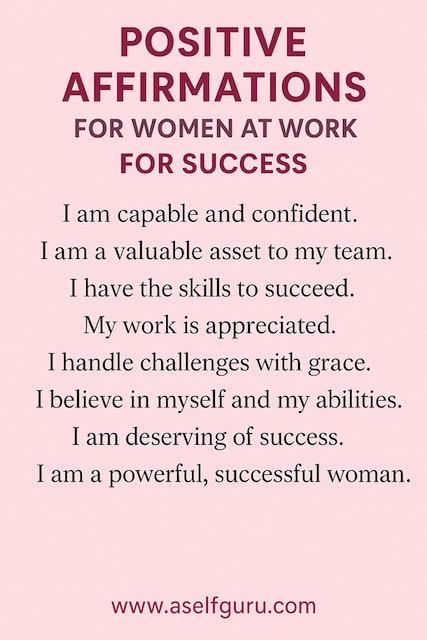
Working Professionals
- “I am valued for my work.”
- “I am open to new ideas.”
- “I balance work and rest.”
Women Facing Change
- “I adapt and thrive.”
- “I trust life’s journey.”
- “Every ending is a new beginning.”
Adjust your affirmations as your life changes. What you need today may not be what you need next year.
How To Measure The Impact Of Affirmations
Many women wonder if affirmations are working. While there’s no instant result, you can look for signs of change.
Here’s a simple way to track your progress:
| Sign | How to Notice | What It Means |
|---|---|---|
| More Positive Self-Talk | You catch negative thoughts and replace them with kind words. | Your mindset is shifting. |
| Increased Confidence | You take on new tasks without as much fear. | Affirmations are helping build belief. |
| Less Stress | You recover from setbacks more quickly. | Your resilience is growing. |
Keep a simple journal or use an app to note changes. Celebrate even small steps—they add up over time.
Credit: aselfguru.com
Tips For Getting The Most From Affirmations
To make affirmations really work, try these strategies:
- Speak with emotion. Believe what you say, not just repeat words.
- Visualize success. Picture yourself living your affirmation. This makes it more real.
- Combine with action. Affirmations are powerful, but action is needed too. Use them to motivate change.
- Stay patient. It takes time to change habits and beliefs. Don’t give up if you don’t see results right away.
- Review and adjust. If an affirmation stops helping, change it. Your needs will change.
Frequently Asked Questions
What Are The Best Positive Affirmations For Women?
The best affirmations are those that feel true and meaningful to you. Some popular examples are “I am enough,” “I am worthy of love,” and “I trust myself. ” Choose statements that fit your goals and values for the most impact.
How Often Should I Repeat Affirmations?
Daily repetition is ideal. Many women say them each morning or before bed. The key is consistency—choose a routine you can stick with. Some people repeat affirmations during stressful moments or before important events.
Can Affirmations Help With Anxiety Or Depression?
Affirmations can support mental health, but they are not a replacement for professional care if you need it. They can help reduce negative thinking and build self-esteem. If you struggle with anxiety or depression, consider affirmations as one tool along with therapy, self-care, and support from others. For more, see Psychology Today.
Do Affirmations Really Change Behavior?
Affirmations can change behavior by shaping your thoughts and beliefs. When you believe in your abilities, you are more likely to take positive action. For the best results, combine affirmations with real steps toward your goals.
What If I Don’t Believe My Affirmation?
It’s common to feel unsure at first. Try adjusting the statement to something you can believe, such as “I am learning to be confident” instead of “I am completely confident. ” Over time, your belief can grow as you see small changes.
Feeling empowered is a journey, not a destination. Positive affirmations are a simple but effective tool for women who want to build confidence, face challenges, and lead happier lives. By making affirmations a regular practice, you can change your mindset, support your goals, and treat yourself with the kindness you deserve. Whether you’re new to affirmations or looking to deepen your practice, remember: every small step counts, and your words have power.
