

How to Do Positive Affirmations With Kids: A Simple Guide
How To Do Positive Affirmations With Kids
Most parents want their children to grow up feeling confident, strong, and happy. But in today’s fast-moving world, kids often face stress, doubts, and negative thoughts. That’s where positive affirmations can help. These simple, powerful statements can shape a child’s mind, boost self-esteem, and encourage healthy thinking. But how do you introduce affirmations to young minds, and what’s the best way to make them stick? This guide will help you understand, plan, and practice positive affirmations with kids—step by step.
What Are Positive Affirmations?
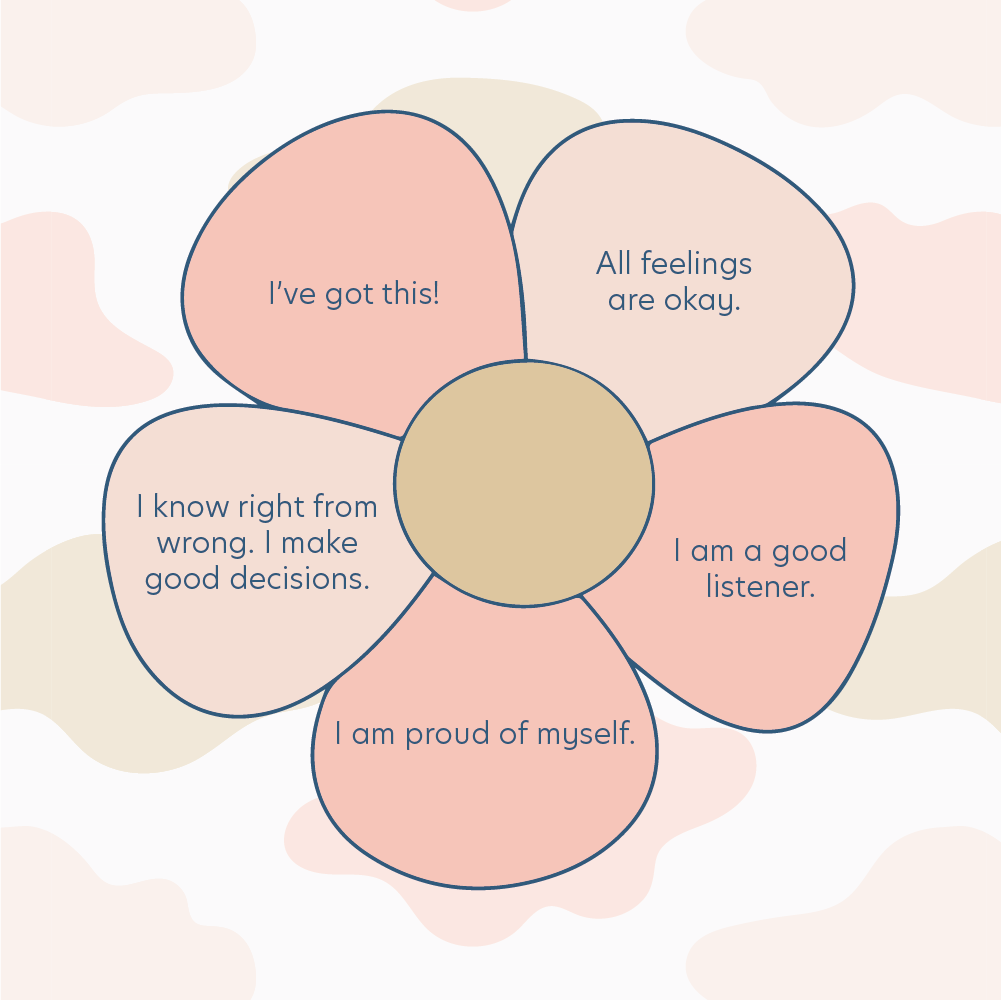
Positive affirmations are short, encouraging phrases that children (or adults) say to themselves. These phrases focus on strengths, values, or good qualities. For example, “I am kind,” “I can do hard things,” or “I am a good friend.” When repeated regularly, affirmations help kids build a better self-image and manage negative thoughts.
Affirmations work best when they are:
- Short and easy to remember
- Personal to the child
- Stated in the present tense
The goal is to replace doubt and fear with hope and confidence. For kids, this can mean the difference between giving up and trying again.
Why Positive Affirmations Matter For Kids
Children are like sponges. They absorb the words, feelings, and attitudes around them. When children hear negative messages—“I’m not smart,” “I can’t do this”—they start to believe them. Negative self-talk can limit what children try and how they see themselves.
Research shows that positive self-talk can improve mental health, lower stress, and even lead to better school performance. A study published in the journal *Child Development* found that children who practiced positive thinking were more resilient during stressful events. Another study from the American Psychological Association highlighted how self-affirmation activities can reduce anxiety in students before tests.
But affirmations are not magic words. They work best as part of a routine and with support from adults. When used thoughtfully, positive affirmations can help kids:
- Build self-confidence
- Develop a growth mindset
- Manage stress and anxiety
- Improve focus and motivation
When To Start Positive Affirmations With Kids
You can start positive affirmations with children as young as three or four years old. At this age, they are learning about themselves and the world. Simple phrases like “I am loved” or “I am brave” are easy to understand.
As children grow older, affirmations can become more detailed. For example, a 7-year-old might say, “I am a good problem-solver,” while a teenager might use, “I handle challenges with courage. ”
The key is to match the language and message to the child’s age and needs. Younger kids need short, clear phrases. Older kids may want to help create their own affirmations.
How To Choose The Right Affirmations
Choosing the right affirmations is important. If a phrase feels fake or too hard to believe, kids may ignore it. The best affirmations are:
- Believable: They match the child’s real strengths or values.
- Relevant: They connect to what the child is facing (for example, a school challenge or a new sport).
- Positive: They focus on what the child wants, not what they fear.
Here are some example affirmations for different situations:
| Situation | Sample Affirmation |
|---|---|
| Feeling anxious about school | I am ready to learn new things. |
| Trying a new sport | I am strong and I can keep trying. |
| Making new friends | I am friendly and kind. |
| Dealing with mistakes | Mistakes help me grow. |
| Facing a fear | I am brave even when I feel scared. |
Encourage kids to help pick or adjust their affirmations. This makes the process personal and meaningful.
How To Teach Positive Affirmations To Kids
Teaching affirmations is about more than just repeating words. It’s about making the words feel real. Here’s a simple plan:
1. Explain What Affirmations Are
Start by talking about thoughts and feelings. You might say, “Sometimes our minds say things that aren’t true. Affirmations are strong words we use to remind ourselves of the truth. ”
Keep the explanation simple. Young children respond well to stories or examples. For instance, share a time when you used a positive thought to help yourself.
2. Pick The Right Time And Place
Choose a calm moment—maybe before school, after breakfast, or at bedtime. Make sure the setting is quiet and free from distractions.
3. Model Affirmations Yourself
Kids learn by example. Say your own affirmations out loud: “I am patient,” or “I can solve problems.” Let your child see you practicing.
4. Make It A Daily Habit
Repetition is key. Try saying affirmations every day at the same time. You could:
- Repeat them together in the mirror each morning
- Write them on sticky notes and place them where your child can see
- Add affirmations to bedtime routines
5. Encourage Expression And Emotion
Affirmations should be said with feeling. Encourage kids to stand tall, smile, and speak clearly. Sometimes, adding a gesture (like a hand over the heart) helps the words feel true.
6. Adjust As Needed
If an affirmation doesn’t feel right or your child loses interest, change it. The goal is to keep the practice fresh and meaningful.
Creative Ways To Practice Affirmations With Kids
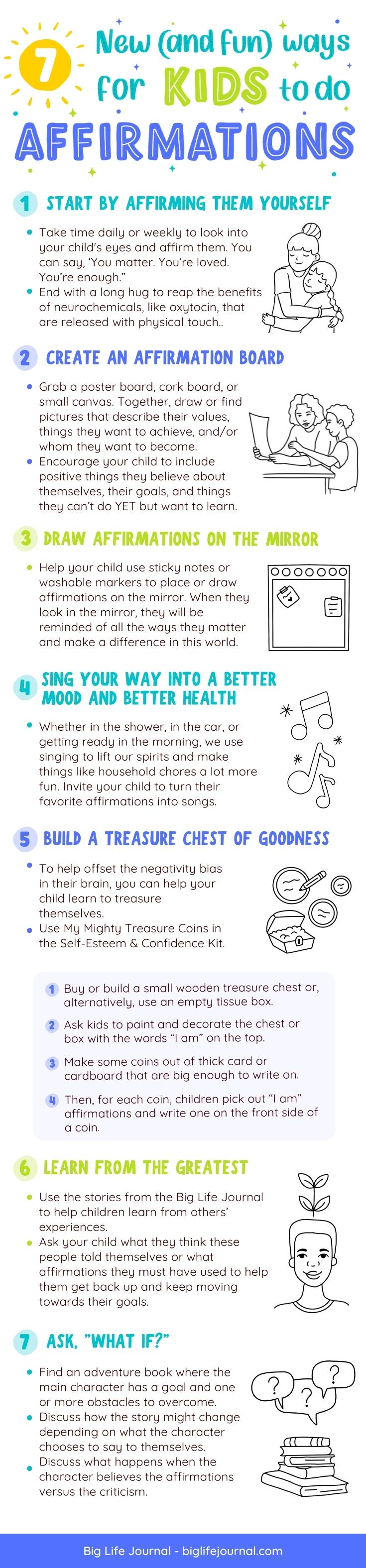
Repeating the same words every day can get boring. Here are some creative methods to keep affirmations fun and engaging:
Affirmation Jars
Write positive phrases on slips of paper and put them in a jar. Each morning, your child picks one and repeats it throughout the day.
Affirmation Art
Let kids decorate affirmation cards with markers, stickers, or drawings. Hang these cards in their room or on the fridge.
Mirror Messages
Use dry-erase markers to write affirmations on the bathroom mirror. Seeing positive words first thing in the morning can set a good tone for the day.
Affirmation Songs And Chants
Turn affirmations into short songs or chants. Kids remember tunes more easily than plain words.
Affirmation Bracelets
Make simple bracelets with beads. Each color can stand for a different affirmation. When your child sees the bracelet, they remember the words.
Affirmation Stories
Create short stories where the main character uses affirmations to overcome challenges. Ask your child to help write or act out the story.
Non-obvious insight: Kids are more likely to believe affirmations when they have helped create them or connect them to something they enjoy, like music or art.
Common Mistakes And How To Avoid Them
Even with good intentions, some parents make mistakes when using affirmations with kids. Here are some to watch out for:
Too Complicated
Long or confusing phrases are hard for kids to remember. Stick to 3-7 words for young children.
Ignoring The Child’s Feelings
If a child feels sad or upset, forcing affirmations can backfire. First, listen to how they feel. Then help them find a positive statement that fits.
Inconsistent Practice
Affirmations work best with daily practice. Skipping days can make the habit fade. Make it part of an existing routine, like brushing teeth.
Saying What Isn’t Believed
If a child says, “I am the best at everything,” but knows it’s not true, the affirmation feels fake. Focus on real strengths or growth, like “I try my best every day. ”
Not Explaining Why
Kids may wonder why they’re saying these words. Explain the purpose in simple terms: “These words help us remember we’re strong inside.”
Non-obvious insight: Sometimes, older kids see affirmations as “silly” or “babyish.” In these cases, use more mature language or let them design their own phrases.
Adapting Affirmations For Different Ages
Kids at different ages need different approaches. Here’s how to adjust affirmations based on age:
| Age Group | Best Practice | Sample Affirmations |
|---|---|---|
| 3-6 years | Use rhymes, simple words, and repetition. Pair with actions or songs. | I am loved. I am strong. I am a helper. |
| 7-10 years | Let kids help choose phrases. Use stories and art to reinforce messages. | I can solve problems. I am a good friend. Mistakes help me learn. |
| 11-13 years | Use more complex ideas. Connect affirmations to personal goals. | I am responsible. I can handle new challenges. I believe in myself. |
| 14+ years | Encourage teens to write their own affirmations. Focus on values and independence. | I can make good choices. I am learning every day. I trust myself. |
Supporting Affirmations With Actions
Affirmations are powerful, but words alone aren’t enough. Kids need to see that actions match the words. Here’s how to help:
- Celebrate effort, not just results. When your child tries hard, say, “You showed perseverance, just like your affirmation!”
- Connect affirmations to daily life. If your child says, “I am brave,” remind them of a time they faced a fear.
- Model positive self-talk. Share your own affirmations and how they help you.
If children see positive words in action, they are more likely to believe them.
How To Handle Resistance
Not all kids will enjoy affirmations at first. Some might laugh, feel shy, or say the words don’t help. This is normal. Here’s how to respond:
- Don’t force the practice. Invite them gently, but don’t insist.
- Try new methods (songs, art, stories) to find what feels right.
- Ask for their ideas. Let them choose or create affirmations.
- Be patient. It takes time for affirmations to become a habit.
Remember, even adults sometimes struggle to believe positive words. Give kids space to grow into the practice.
Combining Affirmations With Other Positive Habits
Affirmations work best when they are part of a bigger routine. Here are ways to build a positive environment:
- Practice gratitude: Share one thing you’re thankful for each day.
- Use mindfulness: Take deep breaths together before saying affirmations.
- Encourage goal-setting: Set small, achievable goals and use affirmations to support them.
Building these habits together helps kids develop a strong, healthy mindset.
Real-life Examples Of Positive Affirmations In Action
Stories help kids understand and remember. Here are three real-life examples:
1. Ella’s Soccer Game
Ella was nervous before her first soccer game. She practiced the affirmation, “I can try my best. ” Each time she felt scared, she repeated the words. She played well and felt proud, even though her team didn’t win.
2. Liam’s Test Anxiety
Liam often worried about math tests. His mom taught him to say, “I am ready and prepared. ” Before each test, they said it together. Over time, Liam felt calmer and started to enjoy math.
3. Maya’s New School
Maya moved to a new school and felt lonely. Her dad suggested, “I am friendly and open to new friends. ” Maya wrote the words in her notebook. By the end of the month, she had made two new friends.
These stories show that affirmations are more than just words—they are tools for building courage and resilience.
Credit: biglifejournal.com
Tracking Progress And Celebrating Success
Progress with affirmations can be slow and hard to see. But celebrating small wins keeps kids motivated. Here’s how:
- Keep an affirmation journal: Write down which phrases help and when they are used.
- Share success stories: At the end of each week, talk about a time an affirmation made a difference.
- Create a reward system: Give stickers or points for using affirmations, but focus on the effort, not perfection.
Watching for signs of change—like more confidence or a happier mood—lets kids see the value of the practice.
When To Seek Extra Help
Positive affirmations are helpful, but they are not a substitute for professional support. If your child shows signs of ongoing sadness, anxiety, or low self-worth, it’s important to talk with a counselor, teacher, or pediatrician.
Some signs to watch for:
- Trouble sleeping or eating
- Withdrawing from friends or activities
- Frequent negative self-talk (“I’m not good at anything”)
- Strong reactions to small problems
Affirmations can support emotional health, but deeper issues may need expert care. For more information, you can visit the American Psychological Association.
Credit: brightpathkids.com
Frequently Asked Questions
What Age Is Best To Start Positive Affirmations With Kids?
You can start as early as three or four years old, using simple words and clear examples. Adjust the language as children grow older to keep it relevant and understandable.
How Many Affirmations Should My Child Use Each Day?
One to three affirmations are enough for most kids. Focus on quality, not quantity. Repeating the same phrase helps build a strong habit.
What If My Child Thinks Affirmations Are Silly?
This is common, especially with older children. Try using songs, art, or stories to make the practice more engaging. Let your child create their own affirmations for a sense of ownership.
Can Affirmations Help With Anxiety Or Stress?
Yes, when used regularly, affirmations can help children manage anxiety and stress. They work best as part of a routine and with support from adults. For ongoing anxiety, consult a mental health professional.
How Long Does It Take To See Results?
Results vary. Some children feel more confident in a few weeks, while others need months. Consistency is key. Celebrate small improvements to keep kids motivated.
Final Thoughts
Positive affirmations are simple, but they can make a big difference in a child’s life. When used with care, creativity, and patience, affirmations help kids build confidence, handle stress, and develop a healthy self-image. The real power comes from making affirmations a daily habit and connecting them to real actions and feelings. Every child is unique, so try different methods until you find what works. Over time, these small words can shape a stronger, happier future for your child.

Credit: www.thepathway2success.com
