

Good Affirmation for Health: Transform Your Wellness Today
Good Affirmation For Health
Everyone wants to feel strong, energetic, and happy in their body. But sometimes, health problems, stress, or low motivation can make it hard. This is where affirmations for health can help. Affirmations are simple, positive statements that you repeat to yourself. They help change your mindset and create healthy habits. You might have heard athletes, actors, or even doctors talk about using affirmations to stay focused and positive. But how do these words actually help your health? And what are the best affirmations to use?
This article will guide you through everything you need to know about good affirmations for health. You’ll learn how they work, see examples, and discover practical ways to use them in your daily life. We’ll also look at the science behind affirmations, common mistakes, and how to make your affirmations powerful.
By the end, you’ll feel confident to start your own health affirmation routine and see real changes in your body and mind.
What Are Health Affirmations?
Health affirmations are positive sentences you say to yourself about your body, mind, or well-being. The idea is simple: when you repeat good words, your brain starts to believe them. This belief can lead to better choices, less stress, and more motivation.
For example, if you often feel tired, saying “I am full of energy and strength” can help you feel more active. If you’re worried about your health, affirmations like “I trust my body to heal and recover” may reduce anxiety.
Health affirmations can cover many areas:
- Physical health (energy, strength, healing)
- Mental health (calmness, confidence, stress relief)
- Lifestyle (exercise, eating habits, sleep)
These statements are not magic. They work best when you combine them with real actions, like eating well or exercising. The power of affirmations comes from changing your thinking, which then changes your behavior.
Why Do Affirmations Work?
Many people wonder if affirmations are just wishful thinking. But research shows they can actually change how your brain works. When you repeat positive statements, your brain starts to form new connections. This is called neuroplasticity. These connections help you feel more confident and make better choices.
Here are some reasons why affirmations are effective:
- Reduce Stress: Positive words can calm your mind and lower stress hormones.
- Increase Motivation: When you believe in your ability to be healthy, you’re more likely to take action.
- Build Healthy Habits: Affirmations can help you stick to routines like exercise or healthy eating.
- Boost Self-Esteem: Feeling good about yourself makes it easier to care for your body.
A study by researchers found that people who used affirmations felt less anxious and were more likely to follow health advice. It’s important to note that affirmations work best when you believe them and repeat them often.
Good Health Affirmations: Examples For Every Need
Choosing the right affirmations depends on your goals. Here are examples for different health areas:
Physical Health
- “My body is strong and healthy.”
- “I am full of energy every day.”
- “Every cell in my body supports my health.”
- “I heal quickly and completely.”
- “I love and care for my body.”
Mental Health
- “I am calm and peaceful.”
- “I choose positive thoughts.”
- “I am confident in my ability to handle stress.”
- “I accept myself fully.”
- “My mind is clear and focused.”
Healthy Habits
- “I enjoy eating nutritious foods.”
- “Exercise is easy and fun for me.”
- “I sleep deeply and wake up refreshed.”
- “I make healthy choices every day.”
- “I respect my body’s needs.”
Healing And Recovery
- “My body knows how to heal itself.”
- “I trust the process of recovery.”
- “I am patient and gentle with myself.”
- “I am grateful for my progress.”
- “Every day, I feel better and stronger.”
Weight And Fitness
- “I am proud of my body’s strength.”
- “I reach my fitness goals with ease.”
- “I enjoy moving and exercising.”
- “My weight is perfect for me.”
- “I celebrate my healthy body.”
Not all affirmations will feel right for you. Pick the ones that match your health goals and values. You can also create your own by focusing on what you want to feel or achieve.
How To Create Your Own Health Affirmations
Making personal affirmations is simple, but a few tips can help make them stronger:
- Use Present Tense: Say “I am healthy” instead of “I will be healthy.” This helps your mind believe it is true now.
- Be Positive: Avoid negative words like “not” or “don’t.” Focus on what you want, not what you want to avoid.
- Keep It Simple: Short statements are easier to remember and repeat.
- Make It Personal: Use words that matter to you. If you like running, say “I enjoy running every day.”
- Believe It: Choose affirmations you can accept, even if they feel a bit challenging.
Here’s a quick example. If you want to stop eating junk food, instead of saying “I don’t eat unhealthy food,” use “I choose foods that nourish my body. ”

Credit: www.amazon.com
Practical Ways To Use Health Affirmations
Affirmations are most effective when you use them regularly. Here are practical steps:
1. Morning Routine
Start your day with three health affirmations. Say them out loud while looking in the mirror. This can set a positive tone for your day.
2. Before Exercise
Repeat an affirmation before you work out. For example, “I am strong and enjoy moving my body. ” This can boost motivation and help you push through tough moments.
3. During Stressful Times
When you feel anxious or upset, pause and repeat a calming affirmation like “I am peaceful and relaxed. ” This helps your mind reset.
4. Writing Practice
Write your health affirmations in a journal every day. The act of writing makes them feel more real and helps you track your progress.
5. Visual Reminders
Place sticky notes with your favorite affirmations around your home—on the fridge, bathroom mirror, or desk. Seeing them often keeps your mind focused on health.
6. Meditation
During meditation, repeat your health affirmations silently. This deepens your belief and relaxes your body.
7. Affirmation Apps
Many apps let you record your affirmations and play them throughout the day. This is helpful if you’re busy or want reminders.
Common Mistakes With Health Affirmations
Many beginners struggle to make affirmations work. Here are mistakes to avoid:
- Being Too Vague: “I want to be healthy” is not specific enough. Try “I eat healthy foods every day.”
- Repeating Without Feeling: Just saying words isn’t enough. Feel the meaning as you say them.
- Ignoring Action: Affirmations alone won’t change your health. Combine them with healthy actions.
- Choosing Unrealistic Statements: If your mind doesn’t believe the affirmation, it won’t work. Start with what feels possible.
- Giving Up Too Soon: Change takes time. Repeat your affirmations daily for several weeks.
A non-obvious insight: Many people try too many affirmations at once. It’s better to focus on 2-3 that matter most. Another common mistake is forgetting to update affirmations as your goals change. Review and adjust them regularly.
The Science Behind Affirmations And Health
Researchers have found that affirmations can change the way the brain responds to stress and challenge. One study used brain scans to show that people who practiced affirmations had more activity in the reward centers of the brain. This means they felt more hopeful and motivated.
Affirmations can also help with physical health. In one experiment, people who used health affirmations before medical appointments felt less nervous and reported better outcomes. The impact is strongest when affirmations are combined with healthy habits.
Here’s a comparison of how affirmations affect health versus other methods:
| Method | Effect on Health | Time Needed | Best For |
|---|---|---|---|
| Affirmations | Improves mindset, reduces stress, supports healthy habits | 5-10 minutes daily | Motivation, self-esteem |
| Meditation | Reduces anxiety, improves focus, lowers blood pressure | 10-30 minutes daily | Stress relief |
| Exercise | Strengthens body, boosts mood, improves sleep | 30-60 minutes several times a week | Physical health |
Affirmations are not a replacement for medical care or exercise, but they are a useful tool to support overall health.
How To Make Affirmations More Powerful
If you want your health affirmations to work better, try these advanced tips:
1. Visualization
Imagine yourself healthy and strong while you say your affirmation. This makes the message clearer to your brain.
2. Add Emotion
Smile or feel gratitude as you repeat your affirmation. Emotion makes the words stick.
3. Combine With Action
Pair your affirmation with a healthy habit. For example, say “I nourish my body” as you prepare a meal.
4. Use Trigger Times
Repeat affirmations during key moments, like before eating, before sleep, or after exercise. These times help the message settle.
5. Group Support
Share your affirmations with friends or join a group. Saying affirmations together can boost confidence and make it more fun.
A non-obvious insight: Affirmations work better when you change the wording over time. As your health improves, update your statements to reflect your new goals.
Affirmations For Specific Health Conditions
Some health challenges need special affirmations. Here are examples for common conditions:
Stress And Anxiety
- “I am calm and safe.”
- “I let go of worry and embrace peace.”
- “My breath brings relaxation.”
Chronic Pain
- “My body is learning to heal.”
- “I am gentle with myself.”
- “I focus on comfort and ease.”
Illness Recovery
- “Every day, my body grows stronger.”
- “I am supported by my body and mind.”
- “I trust my healing journey.”
Healthy Aging
- “I celebrate my body’s wisdom.”
- “I care for myself with love.”
- “I am grateful for every healthy day.”
Not every affirmation will suit every person. Listen to your needs and adjust your statements.
Data: Affirmation Usage And Health Outcomes
Let’s look at some data to see how people use health affirmations and what results they get.
| Health Goal | Percentage Using Affirmations | Reported Improvement |
|---|---|---|
| Stress Reduction | 65% | 74% felt calmer |
| Healthy Eating | 42% | 58% made better choices |
| Exercise Motivation | 39% | 61% exercised more |
| Sleep Quality | 33% | 54% slept better |
These numbers show that many people use affirmations for health, and most see positive changes. The key is to repeat affirmations daily and combine them with healthy habits.
Affirmations For Children And Teens
Young people also face health challenges, like stress, poor eating habits, or low self-esteem. Simple affirmations can help them build confidence and develop healthy routines.
Examples for kids:
- “I am strong and healthy.”
- “I make good choices for my body.”
- “I am proud of myself.”
Examples for teens:
- “I care for my mind and body.”
- “I am in control of my health.”
- “I feel good about who I am.”
Parents can encourage children by repeating affirmations together and making it a fun activity.
Affirmations For Healthy Relationships
Health is not just about the body. Healthy relationships affect your well-being. Affirmations can help build trust, reduce conflict, and support emotional health.
Examples:
- “I listen and respect others.”
- “I am surrounded by caring people.”
- “I share kindness and support.”
Try repeating relationship affirmations before family meals or during stressful moments.
Affirmations For Healthy Work Habits
Many people struggle with stress or poor health at work. Affirmations can help you stay focused, manage stress, and build healthy habits.
Examples:
- “I balance work and rest easily.”
- “I enjoy learning and growing.”
- “I stay calm and focused at work.”
You can use these affirmations during breaks or before starting your workday.
Comparing Affirmation Methods
There are several ways to use affirmations. Let’s compare the most common methods.
| Method | How It Works | Best Use |
|---|---|---|
| Spoken | Say affirmations aloud | Morning routine, before exercise |
| Written | Write affirmations in a journal | Tracking progress, deep reflection |
| Audio | Record and play affirmations | Busy schedules, multitasking |
| Visual | See affirmations on notes or screens | Reminders throughout the day |
Choose the method that fits your lifestyle. You can mix methods to keep your routine interesting.
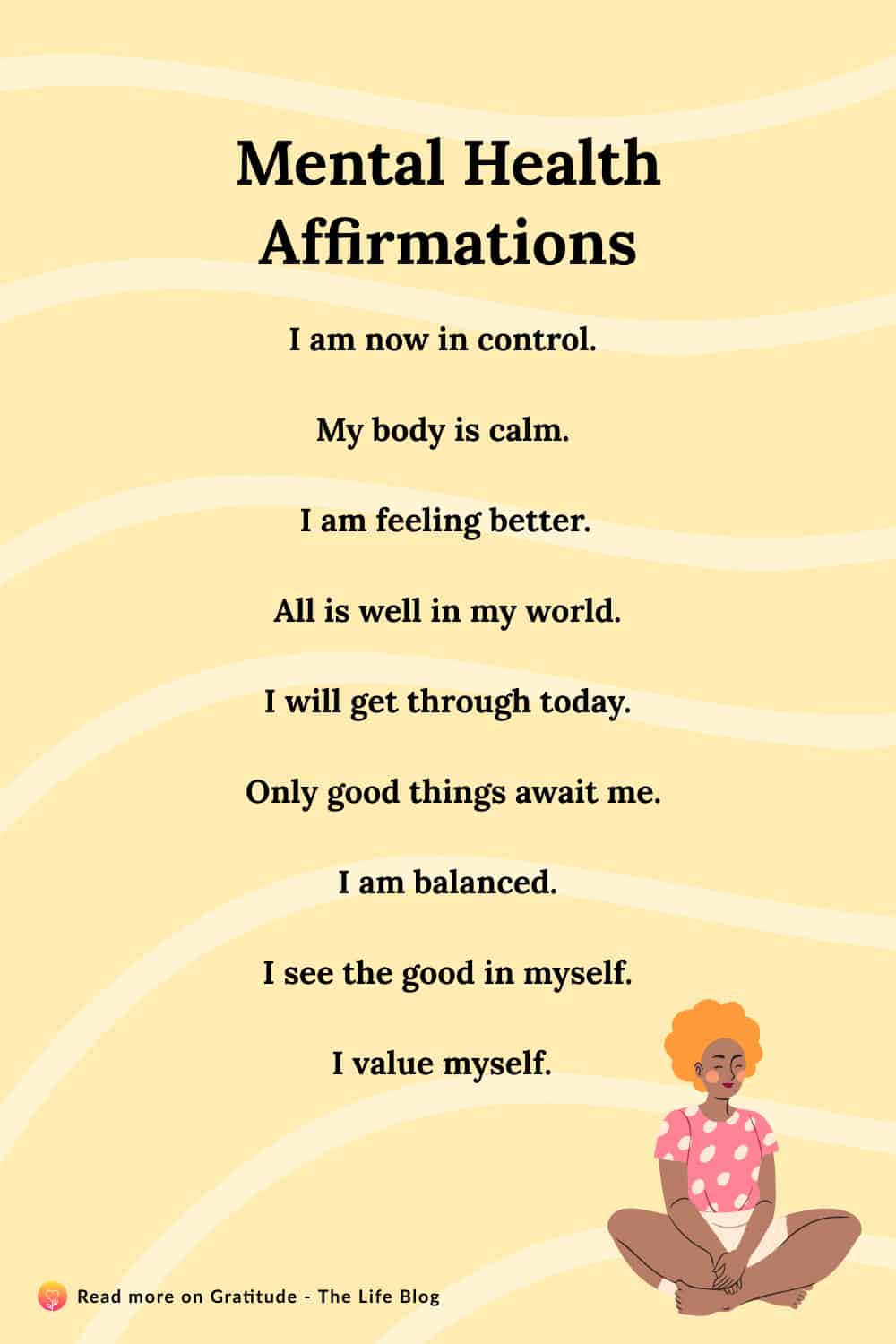
Credit: blog.gratefulness.me
Using Affirmations With Other Health Tools
Affirmations work best when you combine them with other health tools:
- Nutrition: Repeat affirmations while making healthy meals.
- Exercise: Use affirmations to boost motivation before workouts.
- Mindfulness: Pair affirmations with meditation or breathing exercises.
- Medical Care: Use affirmations to stay calm before doctor visits.
A practical tip: If you find it hard to stick to a healthy habit, add an affirmation before the activity. For example, say “I am excited to move my body” before going for a walk.
How To Overcome Doubt About Affirmations
Sometimes, people feel silly or doubtful when using affirmations. This is normal, especially if you’re new. Here’s how to overcome doubt:
- Start Small: Choose one or two affirmations that feel comfortable.
- Repeat Often: The more you repeat, the more natural it feels.
- Notice Results: Look for small changes in mood or habits. Celebrate them.
- Learn from Others: Read stories or join online groups for support.
- Keep Going: Even if you don’t see big changes at first, stick with your routine.
Doubt fades as you see positive results. Remember, affirmations are a tool, not a test.
Affirmations For Difficult Times
Health problems, loss, or stress can make affirmations feel hard. But these times are when affirmations are most helpful.
Examples:
- “I am strong enough to handle this.”
- “I trust that better days are ahead.”
- “I give myself patience and love.”
Repeat these affirmations during tough moments. They won’t solve every problem, but they help you stay hopeful and calm.
Real-life Examples Of Health Affirmations
Let’s look at how people use affirmations in real life:
- Maria struggled with stress at work. She started each day by saying, “I am calm and ready for anything.” After a month, she noticed she felt less anxious and handled problems more easily.
- Alex wanted to eat healthier. He put sticky notes with “I nourish my body” on his fridge. This reminder helped him choose better meals.
- Sam used affirmations before his gym sessions: “I am strong and capable.” He found he could push himself further and enjoyed exercise more.
These examples show that small changes can lead to big results.
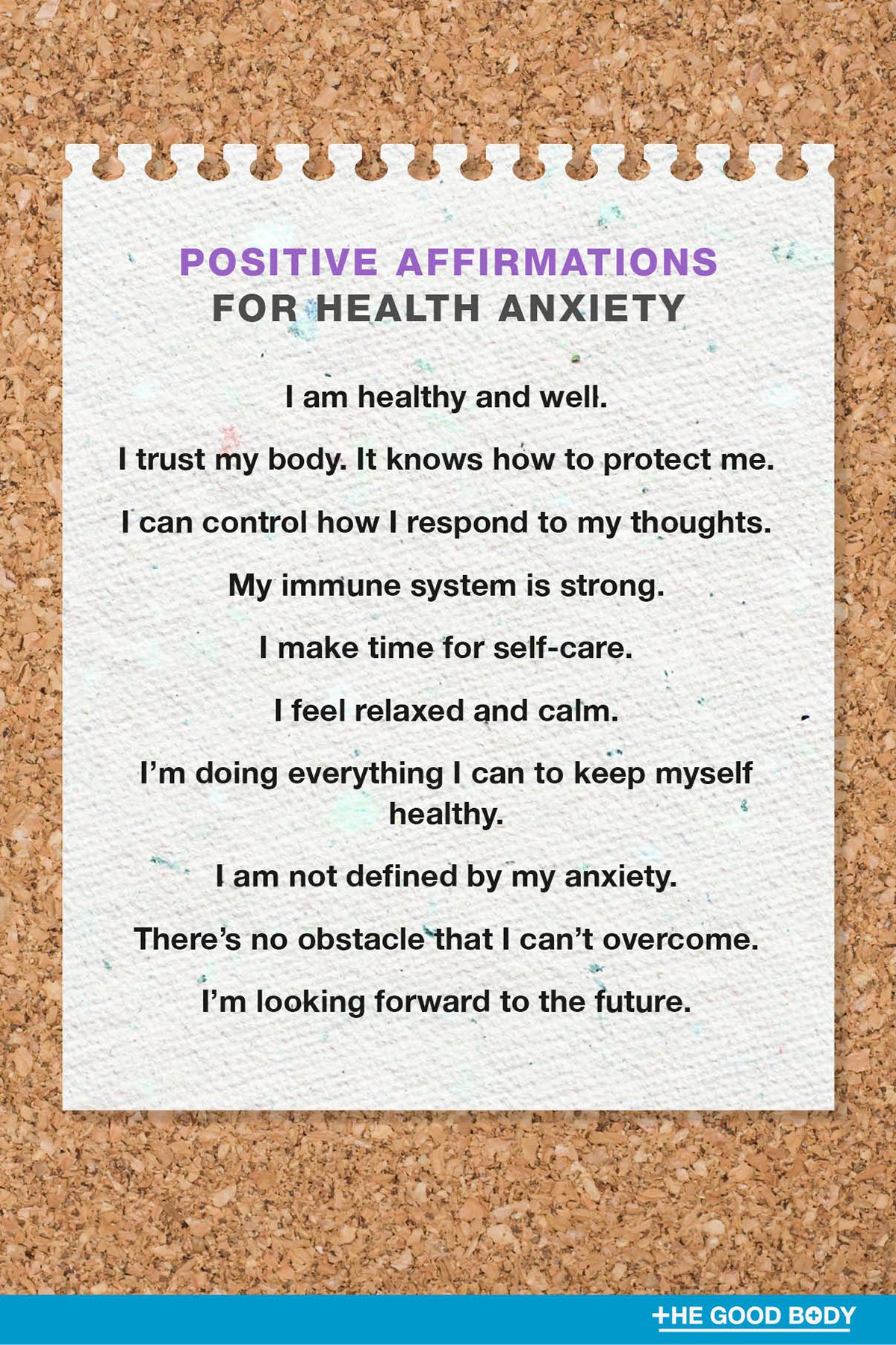
Credit: www.thegoodbody.com
How Often Should You Repeat Health Affirmations?
Consistency is key. Most experts recommend repeating affirmations:
- At least once every morning
- Before or during health activities (exercise, meals)
- Before sleep for calmness
Some people repeat affirmations 3-5 times a day. The best routine is the one you can stick to. If you miss a day, don’t worry. Just start again.
How Long Until You See Results?
Many people ask how long it takes for affirmations to work. There is no exact answer, but most see changes in mood or habits within a few weeks. If you combine affirmations with healthy actions, you’ll see faster results.
A practical insight: Keep a journal of your affirmations and note any changes. This helps you see progress and stay motivated.
Resources For Health Affirmations
If you want to learn more or find new affirmations, check these resources:
- Online affirmation communities
- Health and wellness websites
- Meditation apps
- Books about positive thinking
One useful link: Psychology Today offers articles on positive psychology and health.
Frequently Asked Questions
What Are The Best Health Affirmations To Start With?
Good choices are “My body is healthy and strong,” “I make healthy choices every day,” and “I am calm and peaceful. ” Start with 2-3 that fit your goals.
Can Affirmations Help With Chronic Illness?
Affirmations can support a positive mindset and help manage stress, but they are not a replacement for medical treatment. Use them alongside your doctor’s advice.
How Do I Know If My Affirmations Are Working?
Look for changes in mood, motivation, or habits. If you feel more positive and make healthier choices, your affirmations are working. Keeping a journal helps track progress.
Should I Use The Same Affirmation Every Day?
It’s helpful to repeat the same affirmation until you see results. But you can change them as your goals or feelings shift. Update your affirmations regularly.
Is It Normal To Feel Silly Saying Affirmations?
Yes, many people feel awkward at first. This feeling goes away with practice. Remember, affirmations are a simple tool for health—not a test of your confidence.
Health affirmations are easy to start and can bring real benefits. The key is to choose statements that fit your goals, repeat them often, and combine them with healthy actions. Over time, you’ll see changes in your mindset, habits, and well-being.
Whether you’re aiming for more energy, less stress, or better habits, affirmations are a powerful tool to support your health journey.
