

Best Daily Affirmations for Kids: Boost Confidence and Positivity
Best Daily Affirmations For Kids
Daily affirmations are simple, positive statements that can help children feel confident, safe, and happy. For kids, these words are more than just sentences—they become tools to build a strong self-image, reduce stress, and encourage healthy habits. When children repeat affirmations regularly, they start to believe in themselves, handle challenges better, and develop a resilient mindset.
Parents, teachers, and caregivers often use affirmations to help kids grow mentally and emotionally, but knowing which affirmations work best and how to use them can make a big difference.
Many adults underestimate the power of spoken words. But research shows that positive self-talk improves self-esteem, motivation, and emotional health. In fact, studies from psychology and education suggest that children who use affirmations regularly are more likely to show better academic performance, less anxiety, and healthier relationships with others.
Still, not every affirmation is equally effective. Some are too complex, while others may not connect with a child’s feelings or needs. The best affirmations for kids are simple, clear, and relevant to their daily life.
Let’s explore the world of daily affirmations for kids. You’ll learn how affirmations work, why they matter, and see a collection of the best ones to use. We’ll cover practical tips, common mistakes, and ways to make affirmations part of your child’s routine.
Whether you are a parent, teacher, or someone who cares about kids’ well-being, this guide will help you unlock the power of positive words.
Why Daily Affirmations Matter For Kids
Children are constantly learning about themselves and the world. Their minds are like sponges—soaking up experiences, words, and beliefs. Positive affirmations can guide this process, helping children build a strong sense of self-worth and confidence.
Building Confidence
Children who hear and repeat positive statements about themselves begin to see their own strengths. For example, saying “I am brave” or “I can do hard things” helps kids feel capable of facing challenges. This confidence is not just about school or sports—it affects how they handle friendships, family changes, and even failures.
Reducing Anxiety
Many kids experience stress, whether from schoolwork, social situations, or changes at home. Affirmations like “I am calm and relaxed” or “I am safe” can help reduce feelings of anxiety. By focusing on positive thoughts, children learn to manage worries and feel more secure.
Encouraging Healthy Habits
Positive self-talk often leads to healthier choices. When children say “I take care of my body” or “I make good choices,” they are more likely to eat well, exercise, and avoid risky behaviors. These habits start early and can last a lifetime.
Supporting Emotional Growth
Affirmations teach children to understand and accept their feelings. Statements like “It’s okay to feel sad” or “I can ask for help” show kids that emotions are normal and manageable. This helps them build emotional intelligence, which is important for relationships and personal growth.
How Affirmations Work In A Child’s Mind
The way affirmations affect children is both simple and powerful. When kids repeat positive phrases, their brains start to believe these words. This is known as neuroplasticity—the brain’s ability to change and grow based on experiences and thoughts.
The Science Behind Affirmations
Research in psychology explains that regular use of affirmations can rewire thinking patterns. Children develop new connections in their brains, making positive thoughts easier to access. Over time, negative beliefs fade, and positive ones become stronger.
For example, a child who thinks “I am not good at math” can slowly change this belief by repeating “I can learn new things. ” This doesn’t happen overnight, but with practice, the child’s confidence grows, and they become more willing to try.
Practical Example
Imagine a child who is nervous about speaking in front of the class. If they repeat “I am confident” each morning, their anxiety may decrease. The child starts to believe they can handle public speaking. After a few weeks, they may raise their hand more often or volunteer for school presentations.
Best Daily Affirmations For Kids
Choosing the right affirmations is important. The best statements are short, positive, and easy for children to understand. Here are some of the most effective daily affirmations for kids:
- I am loved.
- I am safe.
- I am brave.
- I can do hard things.
- I am kind.
- I believe in myself.
- I am important.
- I am grateful.
- I am strong.
- I make good choices.
- I can learn new things.
- I am a good friend.
- I am creative.
- I can ask for help.
- I am proud of myself.
- I am calm and relaxed.
- It’s okay to make mistakes.
- I try my best every day.
- I listen to others.
- I care about people.
These affirmations cover a range of needs—from confidence and kindness to learning and friendship. Using different affirmations each day helps children grow in many areas.
Customizing Affirmations
Every child is unique. Sometimes, an affirmation needs to be adjusted to fit a child’s personality or situation. For example, if a child struggles with shyness, you might use “I can talk to new people” or “I enjoy making friends.
” If a child faces learning difficulties, “I am smart in my own way” may be more helpful.
Ask your child what matters to them, and create affirmations together. This makes the statements more meaningful and increases their impact.
Making Affirmations Part Of Your Child’s Routine
Affirmations work best when they are used regularly. Here are practical ways to make daily affirmations a habit for your child:
Morning Rituals
Start the day with a positive statement. You can say affirmations together during breakfast, while getting dressed, or on the way to school. Some families use sticky notes on the bathroom mirror or fridge to remind children of their affirmations.
Bedtime Reflections
Ending the day with affirmations helps children feel safe and valued. Before bed, ask your child to repeat their favorite affirmation or share something good about their day. This creates a sense of peace and closure.
Classroom Activities
Teachers can use affirmations during circle time, before a test, or after recess. Group activities make affirmations fun and encourage children to support each other. For example, students can take turns saying an affirmation aloud or write their own on cards.
Creative Projects
Kids love art and creativity. Let them decorate affirmation cards, posters, or journals with their favorite statements. Drawing, painting, or writing affirmations helps the words sink in and become personal.
Using Technology
Apps and digital reminders can also help. Some parents set daily affirmation alerts on their child’s device. Others use audio recordings or videos to make affirmations engaging.
Common Mistakes When Using Affirmations For Kids
Even with good intentions, adults sometimes make mistakes when introducing affirmations. Understanding these pitfalls helps you avoid problems and make affirmations more effective.
Making Affirmations Too Complex
Children need simple, clear statements. Complicated affirmations, such as “I am capable of achieving greatness in all areas of my life,” may confuse younger kids. Stick to short phrases that are easy to remember and repeat.
Ignoring A Child’s Feelings
If a child is upset or anxious, forcing affirmations can feel fake. Instead, acknowledge their feelings first. For example, say “I see you are sad. Let’s try saying ‘I am strong’ together. ” This shows empathy and builds trust.
Using Negative Words
Avoid affirmations with negative words, even if the intent is positive. For example, “I am not afraid” can focus a child’s mind on fear. Instead, use “I am brave” or “I feel safe. ”
Being Inconsistent
Affirmations only work when used regularly. Skipping days or forgetting to repeat them reduces their impact. Set a routine and stick to it.
Not Explaining The Purpose
Children are curious. If you simply tell them to say affirmations without explaining why, they may lose interest. Teach your child that affirmations help them feel good, learn new things, and grow stronger.
Real-life Examples: How Affirmations Change Kids’ Lives
To understand the power of daily affirmations, let’s look at some real-world situations where affirmations made a difference.
Case Study: Overcoming Test Anxiety
Sarah, a nine-year-old student, struggled with math tests. She often said, “I can’t do this,” and felt anxious before exams. Her teacher introduced the affirmation “I can learn new things. ” Each morning, Sarah repeated this statement with her teacher.
Within a month, Sarah’s attitude changed—she felt less nervous and tried harder. Her test scores improved, and she became more confident in other subjects too.
Case Study: Building Friendships
Tommy, age seven, was shy and found it hard to make friends. His parents started using “I am a good friend” and “I can talk to new people” as daily affirmations. They practiced these statements before school and after playdates.
Tommy slowly became more outgoing, joined group activities, and made new friends. His teachers noticed the change and praised his kindness.
Case Study: Coping With Family Changes
Emma, age ten, experienced her parents’ divorce. She felt sad and unsure about the future. Her counselor suggested affirmations like “I am loved” and “It’s okay to feel sad. ” Emma repeated these statements during therapy and at home. Over time, she learned to accept her feelings, talk openly with her family, and find comfort in positive self-talk.
Data And Statistics: The Impact Of Affirmations
Affirmations are not just feel-good statements—they are backed by research and data. Here is a comparison of outcomes for children who use daily affirmations versus those who do not:
| Outcome | With Affirmations | Without Affirmations |
|---|---|---|
| Self-Esteem | Higher (up to 30% increase) | Lower |
| Academic Performance | Improved (more participation, better grades) | Average or below |
| Anxiety Levels | Reduced (less stress, better coping) | Higher (more worry, avoidance) |
| Social Skills | Better (more friendships, teamwork) | Limited |
These numbers show that using affirmations can have a real, measurable impact on a child’s life. While every child is different, the benefits are clear.
Choosing The Right Affirmations For Different Ages
Affirmations should fit a child’s age and stage of development. Here’s how to select the best statements for each group:
Early Childhood (ages 3–6)
Young children need very simple words. Focus on feelings, safety, and love.
- I am loved
- I am safe
- I am happy
- I am strong
- I am a good helper
Elementary School (ages 7–12)
Kids in this age range can handle slightly more complex ideas. Include statements about learning, friendships, and problem-solving.
- I can do hard things
- I am a good friend
- I can learn new things
- I make good choices
- It’s okay to make mistakes
Teens (ages 13+)
Teenagers benefit from affirmations about independence, emotional intelligence, and self-worth.
- I am unique
- I control my thoughts
- I trust myself
- I can handle challenges
- I respect myself and others
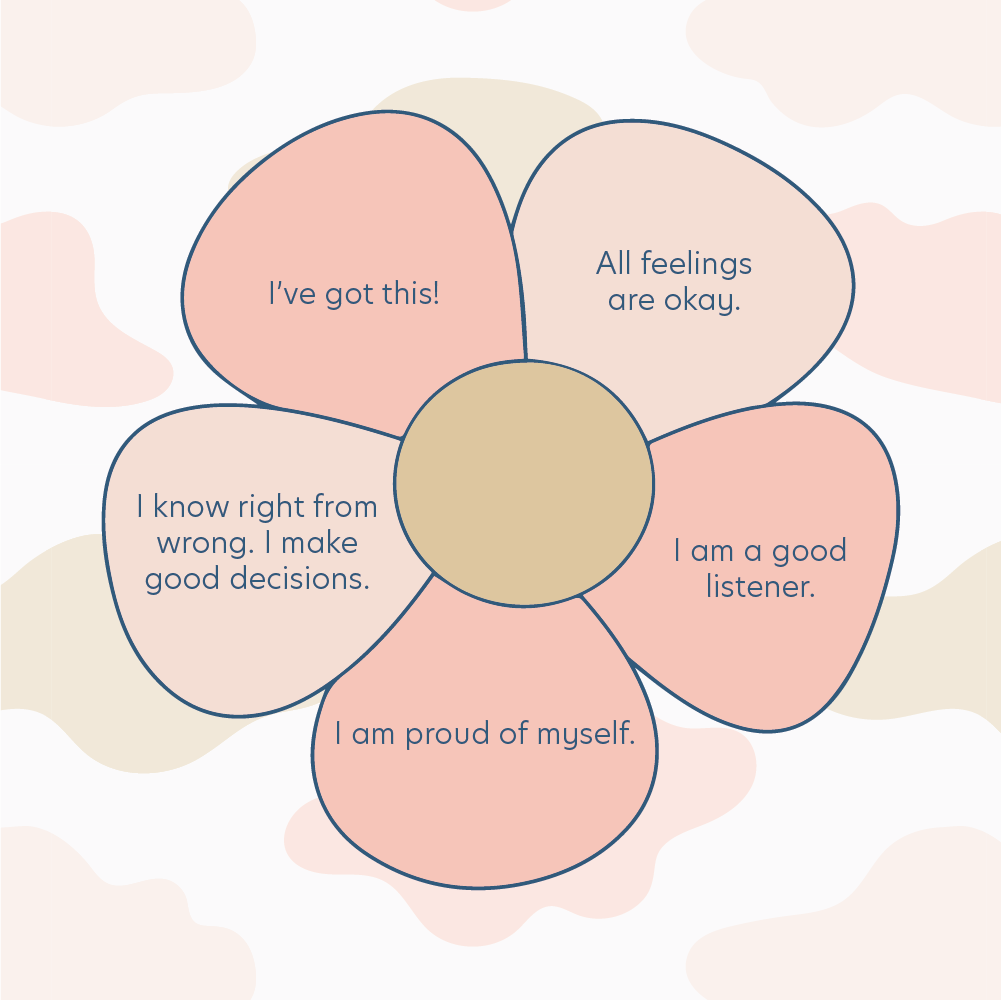
Credit: brightpathkids.com
Comparing Different Types Of Affirmations
Affirmations can focus on different areas of a child’s life. Here’s a table showing the main types and examples:
| Type of Affirmation | Focus Area | Example |
|---|---|---|
| Self-Esteem | Confidence, self-image | I am important |
| Emotional | Feelings, coping | It’s okay to feel sad |
| Social | Friendship, teamwork | I am a good friend |
| Learning | Growth, curiosity | I can learn new things |
| Health | Body, wellness | I take care of my body |
Using a mix of these types helps children grow in all areas, not just one.
Tips For Parents And Teachers: Maximizing The Power Of Affirmations
Getting the most from daily affirmations requires more than just saying words. Here are some practical strategies:
1. Make It Interactive
Let children choose or create their own affirmations. This increases motivation and ownership. For example, you can ask, “What do you want to feel today? ” and help them turn that feeling into an affirmation.
2. Use Visuals
Visual reminders, like posters, cards, or drawings, make affirmations more memorable. Put these in places your child sees often, such as their bedroom or locker.
3. Lead By Example
Children learn by watching adults. Say affirmations yourself, and let your child hear you use positive self-talk. This models healthy behavior.
4. Keep It Positive
Always focus on positive words and ideas. Avoid negative phrasing, and encourage your child to use uplifting language.
5. Celebrate Progress
Notice when your child shows growth or uses an affirmation in real life. Praise their effort, not just the outcome. For example, “I saw you try your best today—that’s wonderful!”
6. Be Patient
Change takes time. Children may not respond right away, but with consistent practice, affirmations will become part of their thinking.
7. Adjust As Needed
As your child grows, their needs change. Review and update affirmations regularly to keep them relevant.

Credit: www.thepathway2success.com
Addressing Challenges: What If Affirmations Don’t Seem To Work?
Sometimes, affirmations don’t have the expected effect right away. This can be frustrating, but it’s important to understand why and what to do next.
The Child Doesn’t Believe The Affirmation
If a child feels disconnected from an affirmation, start smaller. For example, if “I am smart” feels untrue, try “I can learn” or “I try my best. ” Build up confidence slowly.
Resistance Or Lack Of Interest
Some kids may resist saying affirmations, especially if they feel embarrassed or shy. Make it a game, use music, or let them write their own. The goal is to make affirmations fun, not a chore.
Emotional Struggles
When a child is dealing with big emotions, affirmations alone may not be enough. Combine affirmations with other support, such as talking, listening, or professional help if needed.
External Influences
Peers, media, and school can affect a child’s self-image. Remind your child that their value comes from within, and affirmations help them focus on their strengths.
Long-term Benefits Of Daily Affirmations
The impact of daily affirmations goes far beyond childhood. Children who use affirmations regularly develop habits and mindsets that last into adulthood.
Improved Resilience
Kids learn to handle setbacks, failures, and changes with a positive attitude. They become more adaptable and less afraid of challenges.
Stronger Relationships
Affirmations about kindness, empathy, and listening help children build healthy connections with others. They learn to respect themselves and those around them.
Healthier Choices
Positive self-talk encourages children to make decisions that support their well-being. This includes eating well, exercising, and avoiding risky behavior.
Lifelong Confidence
Children who believe in themselves become confident adults. They pursue goals, overcome obstacles, and lead fulfilling lives.
Comparing Affirmation Techniques: Which Approach Works Best?
Different families and schools use various methods to introduce affirmations. Here’s a comparison of the most popular techniques:
| Technique | How It Works | Effectiveness |
|---|---|---|
| Verbal Repetition | Saying affirmations aloud daily | High (builds confidence quickly) |
| Written Affirmations | Writing statements in a journal | Moderate (good for reflection) |
| Visual Reminders | Posters, cards, sticky notes | High (reinforces memory) |
| Creative Projects | Art, music, drawing affirmations | Moderate to high (engages creativity) |
| Group Activities | Classroom or family sharing | High (builds community and support) |
Mixing these techniques provides the strongest results. Choose what fits your child’s personality and your family’s routine.
Non-obvious Insights: What Most Parents Miss
While many families use affirmations, there are some less obvious tips that can boost their impact:
- Timing matters. Affirmations are most powerful when spoken during emotional moments—before a test, after a tough day, or during big changes.
- Link affirmations to actions. Encourage your child to pair a statement with a behavior, like “I am kind” followed by helping someone.
- Use affirmations for specific goals. If your child wants to improve in a sport or subject, create targeted affirmations, such as “I am improving in soccer” or “I am learning new words.”
These small changes make affirmations more relevant and effective.
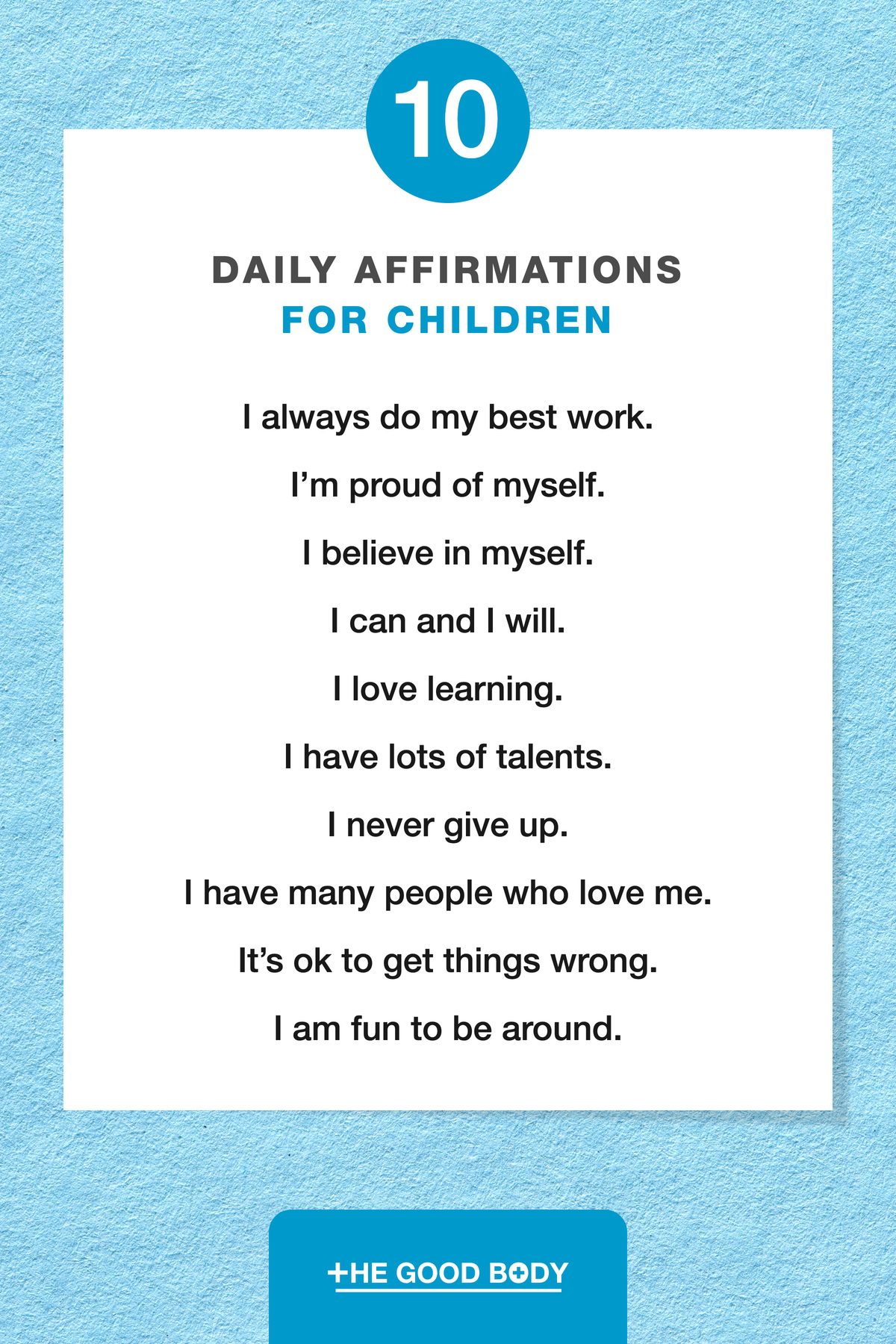
Credit: www.thegoodbody.com
Frequently Asked Questions
What Age Should Children Start Using Daily Affirmations?
Children as young as three can start using affirmations. At this age, keep statements very simple and focus on feelings and safety. Older children can handle more complex ideas and use affirmations for learning, friendships, and self-confidence.
How Many Affirmations Should Kids Use Each Day?
One to three affirmations per day is a good number. Too many can be overwhelming, while too few may not create enough impact. Let your child choose their favorites and use them regularly.
Can Affirmations Help Kids With Learning Difficulties Or Adhd?
Yes, affirmations can support children with learning challenges or ADHD. Positive self-talk builds confidence, reduces anxiety, and encourages persistence. For best results, pair affirmations with other support strategies and adapt them to your child’s needs.
Should Affirmations Be Spoken Aloud Or Written?
Both methods are effective. Speaking affirmations aloud builds confidence and self-expression. Writing them in a journal helps with reflection and memory. Using both approaches gives the best results.
Where Can I Find More Resources On Daily Affirmations For Kids?
You can explore research, parenting sites, and educational guides. For credible information, visit Psychology Today, which offers articles and expert advice on positive self-talk and child development.
Positive words can change a child’s life. By using daily affirmations, you give your child the tools to face challenges, grow stronger, and believe in themselves. Start today, and watch your child flourish with confidence and joy.
