

Benefits of Morning Affirmations: Boost Your Day with Positivity
Waking up in the morning can set the tone for the whole day. Some people start with coffee. Others check their phones. But there’s a growing practice that can change how you feel, think, and act—morning affirmations. These are short, positive statements you say to yourself at the start of the day. Many successful people use them, and there’s real science behind why they work.
You might wonder: “Can simple words really make a difference?” The answer is yes. The right affirmations can boost your mood, focus, and self-confidence. They help you handle stress, set goals, and even improve your relationships. In this article, you’ll learn the many benefits of morning affirmations, how to use them, and what common mistakes to avoid. You’ll also see practical examples, research data, and answers to questions people often ask about this powerful habit.
What Are Morning Affirmations?
Morning affirmations are positive statements you repeat to yourself soon after you wake up. The goal is to shape your mindset for the day ahead. They can be about anything—confidence, health, success, relationships, or simply feeling grateful.
For example, saying “I am capable of handling whatever comes my way today” is a morning affirmation. It’s not just wishful thinking. When you say these words with focus, you start to believe them, and your brain acts as if they are true.
How Morning Affirmations Work
Your brain is most open to suggestion when you first wake up. This is because your mind is in a relaxed state, sometimes called the alpha state. In this state, you’re more likely to accept positive ideas. Affirmations take advantage of this time. They help you replace negative thoughts with positive ones.
Studies show that repeating positive statements can change how you think and act. When you focus on good things, you see more opportunities and solutions. This mental shift helps you feel stronger and more in control.
The Science Behind Affirmations
You don’t have to take affirmations on faith. Researchers have studied how affirmations affect our brains and behavior. The results are impressive.
Neuroplasticity And Self-talk
The brain can change and adapt over time. This ability is called neuroplasticity. When you repeat positive affirmations, you create new pathways in your brain. These pathways help you think and act in healthier ways.
For example, if you often say “I am confident in my abilities,” your brain starts to believe it. Over time, you naturally feel and act more confident. This is not magic—it’s how the brain learns from repeated experience.
Affirmations And Stress Reduction
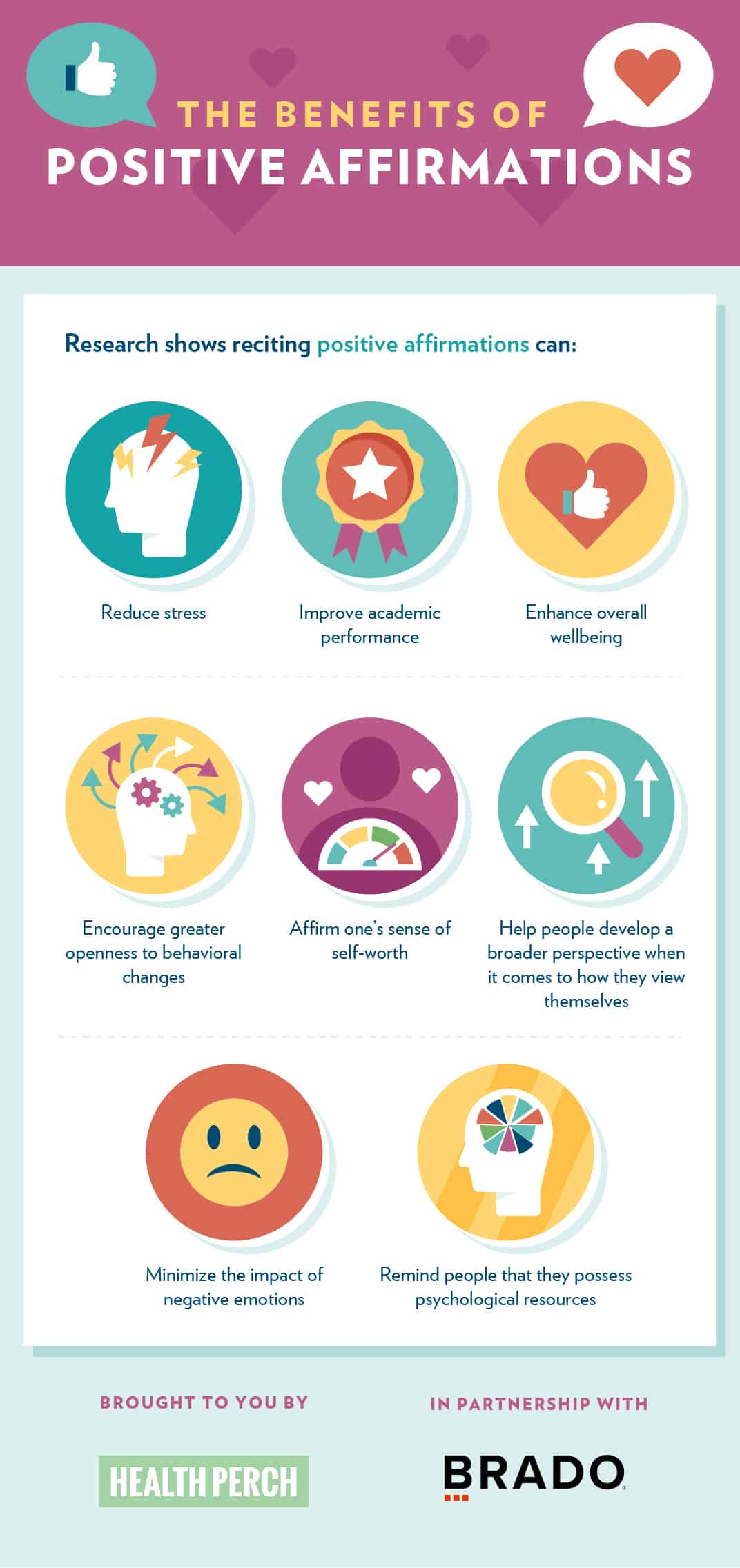
A study published in the journal *Social Cognitive and Affective Neuroscience* found that affirmations can reduce stress. When people practiced affirmations, their brains showed less activity in areas linked to stress and fear. This means that starting your day with positive words can help you stay calm, even in tough situations.
Motivation And Goal Achievement
Affirmations also support motivation. One study found that students who used affirmations before a test felt less anxious and performed better. The reason is simple: when you believe you can succeed, you try harder and don’t give up easily.
Comparison Of Brain States
Here’s a simple table to show the difference in brain activity when you use affirmations versus when you focus on negative thoughts:
| Brain State | Effect of Affirmations | Effect of Negative Self-Talk |
|---|---|---|
| Prefrontal Cortex (decision-making) | More active, better choices | Less active, poor decisions |
| Amygdala (emotions) | Less stress response | Higher stress response |
| Hippocampus (memory) | Improved recall and learning | More negative memories recalled |
This shows why starting your day with positive self-talk is powerful.
Credit: biteoutoflifenutrition.com
Key Benefits Of Morning Affirmations
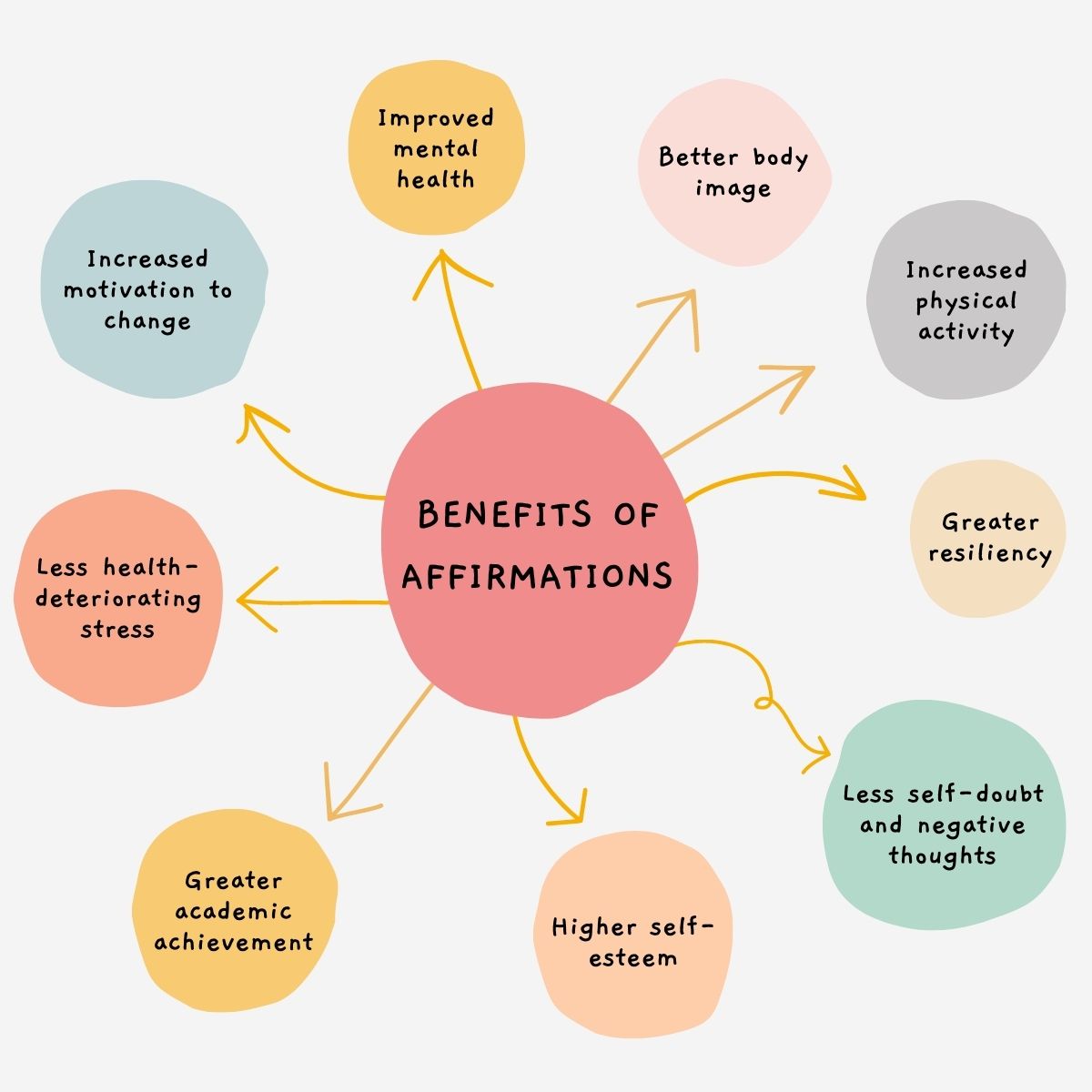
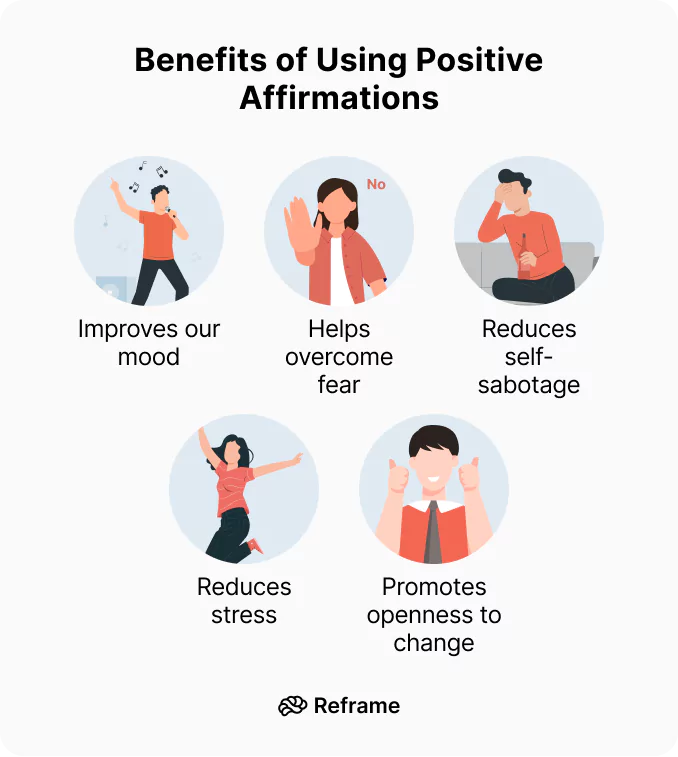
Morning affirmations offer many benefits. They go beyond just “feeling good.” Here are the main ways they can help you:
1. Boosts Self-esteem And Confidence
When you say positive things about yourself, you start to believe them. Over time, this builds your self-esteem. You’re less likely to doubt yourself or fear failure. For example, saying “I am worthy of success” can push you to try new things and take smart risks.
Insight: Confidence from affirmations is not just about repeating words. It’s about choosing statements that match your real goals and values.
2. Sets A Positive Tone For The Day
How you feel in the morning often shapes your whole day. If you start with stress or worry, it’s hard to shake off. But if you begin with positive words, you feel lighter and more hopeful.
People who use affirmations report feeling more motivated and happier during the day. Even if problems come up, they handle them better.
3. Reduces Negative Self-talk
Many people have a “critical inner voice. ” This voice points out mistakes and doubts. Affirmations help you replace that voice with something kinder and more supportive.
For example, if you often think “I never do anything right,” you can switch to “I learn and improve every day. ” Over time, you stop being your own worst critic.
Non-obvious tip: If you struggle to believe a positive statement, try “I am learning to…” instead of “I am.” This feels more true and still helps.
4. Improves Focus And Productivity
Affirmations can help you focus on what matters. When you start the day by saying “I will use my time wisely,” you remind yourself to avoid distractions. You become more aware of your actions and choices.
A survey by the American Psychological Association found that people who set positive intentions in the morning are more productive and less likely to procrastinate.
5. Supports Emotional Resilience
Life is full of ups and downs. Affirmations help you bounce back from setbacks. By repeating phrases like “I am strong and can handle challenges,” you build mental strength.
People who use affirmations are better at handling criticism and failure. They see problems as temporary, not permanent.
6. Encourages Healthy Habits
Morning affirmations can support other good habits. For example, if you say “I take care of my body and mind,” you’re more likely to eat well, exercise, or meditate. The words you say influence your actions.
7. Reduces Stress And Anxiety
As mentioned earlier, affirmations calm the brain. This makes you less likely to feel overwhelmed. People who practice affirmations often report fewer headaches, better sleep, and lower blood pressure.
Example: “I am calm and centered, no matter what happens today.”
8. Improves Relationships
How you feel about yourself affects how you treat others. Affirmations can help you be more patient, understanding, and kind. For example, “I communicate with love and respect” leads to better conversations.
People who use affirmations are less likely to argue or react with anger. They listen better and solve problems more peacefully.
9. Increases Gratitude
Saying affirmations like “I am grateful for today” helps you notice good things in your life. Gratitude is linked to happiness, better health, and strong relationships.
10. Promotes Growth Mindset
A growth mindset means you believe you can improve through effort. Affirmations like “I can learn anything I set my mind to” encourage you to try new things and learn from mistakes. This mindset leads to success in work, school, and life.
Examples Of Effective Morning Affirmations
Here are some examples you can use or adapt:
- “I am ready for a great day.”
- “I believe in myself and my abilities.”
- “I am grateful for the people in my life.”
- “I choose to focus on what I can control.”
- “I am strong, confident, and calm.”
- “Today, I will make progress toward my goals.”
- “I am open to new opportunities.”
- “I am learning and growing every day.”
- “I forgive myself and move forward.”
- “I am healthy, happy, and at peace.”
Non-obvious insight: The best affirmations are personal. They should match what you need most. If you struggle with stress, focus on calm and peace. If you want success, use words about growth and achievement.
How To Use Morning Affirmations
Saying affirmations is simple, but a few steps can make them much more effective.
Step 1: Choose Your Affirmations
Pick 2–5 statements that feel right for you. Write them down. You can create your own or use examples from above.
Step 2: Say Them Aloud
Speak your affirmations clearly. Use a calm, steady voice. Saying them out loud makes them stronger.
Step 3: Repeat With Focus
Repeat each affirmation 3–5 times. Don’t rush. Feel the meaning of the words.
Step 4: Visualize Success
As you say each statement, picture yourself living it. For example, if you say “I am confident,” imagine yourself acting with confidence.
Step 5: Make It A Habit
Do your affirmations at the same time each morning. Right after waking up works best. You can do them while looking in the mirror or during a quiet moment.
Step 6: Adjust As Needed
Change your affirmations if your goals or feelings change. Keep them fresh and meaningful.
Common Mistakes And How To Avoid Them
Many people try affirmations but give up too soon. Here are common mistakes and how to fix them:
1. Choosing Unrealistic Statements
If you pick affirmations that feel false (“I am a billionaire”), your mind will resist. Start with what you can believe or are working toward.
2. Being Inconsistent
Doing affirmations once or twice won’t create change. Make it a daily habit for the best results.
3. Lack Of Emotion
If you say the words without feeling, they don’t work as well. Try to connect emotionally with each statement.
4. Ignoring Negative Feelings
Affirmations are not about denying problems. If you feel sad or stressed, acknowledge it and choose affirmations that offer comfort or hope.
5. Not Personalizing Affirmations
Generic affirmations may not help much. Make them fit your needs and life.
6. Giving Up Too Soon
Change takes time. Stick with your affirmations for a few weeks before judging if they work.
Who Can Benefit From Morning Affirmations?
Affirmations are not just for one type of person. Almost anyone can benefit, including:
- Students who want to improve focus and confidence
- Professionals seeking more productivity and less stress
- Parents who want patience and energy
- Athletes aiming for better performance
- People dealing with anxiety or self-doubt
Even children can use simple affirmations to build self-esteem.
Comparison: Morning Affirmations Vs. Other Morning Routines
Many people start their day with different routines. Here’s how affirmations compare to other popular habits:
| Routine | Main Benefit | Time Needed | Stress Reduction | Self-Esteem Boost |
|---|---|---|---|---|
| Affirmations | Mindset shift | 2–5 min | High | High |
| Meditation | Calm and focus | 5–15 min | High | Medium |
| Exercise | Physical health | 10–30 min | Medium | Medium |
| Checking phone | Information | 1–10 min | Low | Low |
Affirmations are quick, easy, and offer unique mental benefits. They can be used alone or with other routines.
Real-world Examples And Success Stories
You don’t need to be famous to benefit from affirmations, but many successful people use them.
- Athletes often use affirmations before games. For example, a tennis player might repeat “I trust my skills” to stay focused under pressure.
- Entrepreneurs use affirmations to build confidence before big meetings.
- Teachers teach affirmations to students to help them face exams or social challenges.
One beginner’s insight: Some people find it hard to say positive things about themselves. This discomfort is often a sign that affirmations are needed most. The more you practice, the easier and more natural it feels.
How To Write Your Own Affirmations
Writing personal affirmations makes them more powerful. Here’s how:
1. Be Positive
Use words like “I am,” “I can,” or “I choose. ” Focus on what you want, not what you don’t want.
2. Keep It Present
Use present tense. Say “I am strong,” not “I will be strong. ”
3. Make It Specific
Instead of “I am successful,” try “I am making progress in my career every day. ”
4. Use Emotion
Add feeling words. For example, “I am excited about today’s opportunities. ”
5. Keep It Short
Simple, clear statements work best.
Example: If your goal is to stay calm under pressure, your affirmation could be “I am calm and focused, even when things are busy.”
Practical Tips To Get The Most From Affirmations
- Write your affirmations on sticky notes and put them on your mirror or desk.
- Record yourself saying your affirmations and listen while getting ready.
- Pair affirmations with deep breaths to calm your body and mind.
- Combine with gratitude by adding “I am grateful for…” statements.
- Review and update your affirmations every few weeks.
Beginner tip: If you forget your affirmations, set a phone reminder or add them to your morning checklist.
How Long Does It Take To See Results?
Affirmations can improve your mood right away. But bigger changes—like more confidence or less anxiety—take time. Many people notice a difference in 2–4 weeks of daily practice.
One thing beginners often miss: Progress is not always obvious. You may react differently to stress or notice more positive self-talk. Celebrate small wins along the way.
Credit: ecogreenlove.com
Data: Popularity And Effectiveness Of Affirmations
More people are using affirmations than ever before. Here’s some data to show their rise and effectiveness:
| Survey Group | % Using Affirmations | Main Reported Benefit | % Noticing Positive Change |
|---|---|---|---|
| General Public | 35% | Better mood | 68% |
| Students | 41% | Less anxiety | 72% |
| Professionals | 28% | More productivity | 65% |
This data shows that many people find real value in affirmations.
Myths And Misunderstandings About Affirmations
Some people hear about affirmations and think they’re just wishful thinking. But that’s not true. Here are some common myths:
- “Affirmations are lying to yourself.”
Affirmations are not about pretending. They are about focusing on your strengths and what you can achieve.
- “You have to believe them 100% for them to work.”
It’s normal to feel doubtful at first. The practice is what builds belief over time.
- “They replace hard work.”
Affirmations support action; they don’t replace it. They help you stay motivated and focused.
- “They’re only for positive people.”
Anyone can use affirmations, especially when struggling.
- “They are the same as meditation.”
Affirmations focus on positive self-talk. Meditation is more about calming your mind.
Non-obvious insight: Affirmations work best with action. Use them to inspire real steps toward your goals.
How To Know If Affirmations Are Working
You might wonder how to measure your progress. Here are signs that affirmations are helping:
- You feel more positive in the morning.
- You handle stress or setbacks better.
- You notice less negative self-talk.
- You are more willing to try new things.
- Others notice you seem happier or more confident.
Keep a simple journal to track changes in your mood, actions, or thoughts.
When Affirmations Might Not Be Enough
Affirmations are powerful, but they are not a cure-all. If you struggle with deep sadness or anxiety, you may need extra support. It’s okay to talk to a mental health professional. Affirmations can be part of your self-care, but they don’t replace therapy or medical help.
Credit: www.joinreframeapp.com
Additional Resources
If you want to learn more about the science behind affirmations and positive thinking, check out this Wikipedia article on self-affirmation. It provides more details and links to research studies.
Frequently Asked Questions
What Are The Best Times To Practice Morning Affirmations?
The best time is right after you wake up, when your mind is clear and open. You can also use affirmations while getting ready, during breakfast, or on your commute.
Can I Write My Own Affirmations?
Yes. Writing your own is often better because they match your personal goals and feelings. Just remember to keep them positive, present, and specific.
How Long Does It Take For Affirmations To Work?
You may feel better right away, but lasting change takes time—usually a few weeks of daily practice. Be patient and consistent.
Do I Have To Say Affirmations Out Loud?
Saying them out loud is more powerful, but you can also write them or think them quietly if you prefer. The key is to focus and believe in the words.
Can Children Use Morning Affirmations?
Absolutely. Simple affirmations can boost a child’s confidence, help them handle stress, and encourage kindness. Just use words that are easy for them to understand.
Starting your day with morning affirmations is a small habit that brings big rewards. Whether you want more confidence, less stress, or a brighter outlook, the right words can help you create the life you want.
