

Morning Gratitude Affirmations: Transform Your Day With Positivity
Waking up with a grateful heart can change the way your day unfolds. Many people start their mornings feeling rushed or worried, but a few simple morning gratitude affirmations can shift your mindset fast. Instead of focusing on problems, you learn to notice blessings. This practice is not new, but only recently have studies shown how powerful daily affirmations can be for happiness, stress, and even health. If you want to feel more positive, calm, and motivated every day, using gratitude affirmations is one of the easiest ways to begin.
Understanding why gratitude is so important in the morning, how affirmations work, and how to build this habit are key. In this article, you’ll discover everything you need to know: the science, practical tips, common mistakes, and plenty of real examples. Whether you’re new to affirmations or want to deepen your routine, you’ll find advice that fits your life. Let’s explore how a few words can brighten your morning and improve your outlook.
Why Morning Gratitude Affirmations Matter
Starting your day with gratitude does more than just make you feel good. It creates a positive mental environment that helps you handle challenges better. Scientific research shows that gratitude can reduce stress hormones, boost immune function, and improve relationships. When you use affirmations, you train your brain to focus on the positive.
How Gratitude Shapes Your Morning
In the morning, your mind is fresh and more open to new thoughts. If you begin with worry or stress, these feelings often carry through your day. But if you start with thankfulness, you set a strong foundation. Gratitude reminds you of what’s going well, even when life feels hard.
For example, imagine two people. One wakes up and thinks, “I have so much to do, I’m tired, I don’t want to go to work. ” The other wakes up and says, “I’m thankful for my home, for my job, for this new day.
” Their attitudes shape how they see opportunities and challenges. Positive thinking is not magic, but it prepares your mind for better results.
Even in difficult times, gratitude helps shift your perspective. For instance, if you are facing a busy day, focusing on gratitude can reduce feelings of overwhelm. Saying “I am thankful for the chance to learn new things today” can help you approach your tasks with more energy and less fear.
Many people find that starting the day with gratitude makes it easier to notice small joys, like a sunny morning, a warm cup of tea, or a kind word from a friend.
The Science Behind Affirmations
Affirmations are positive statements you repeat to yourself. When you say them regularly, your brain starts to believe these ideas. This is called neuroplasticity—the brain’s ability to change and adapt. Studies show that people who practice affirmations feel less stress, more confidence, and greater well-being.
Gratitude affirmations combine this effect with the power of thankfulness. Researchers found that people who write or say gratitude affirmations in the morning feel happier and less anxious. They handle problems better and notice more good things around them.
A simple example: One study found that people who kept a daily gratitude journal for just three weeks reported higher levels of optimism and satisfaction with their lives. These changes were not only emotional but also physical, such as having fewer headaches and better sleep. The science is clear—our thoughts really do shape our experiences.
Non-obvious Benefits
Many beginners think gratitude is just about feeling good. But there are deeper effects:
- Improved decision-making: When you feel grateful, your mind is clearer. You make better choices, especially under pressure.
- Greater resilience: Gratitude builds emotional strength. You bounce back faster from setbacks.
Some people also notice that gratitude helps them become more patient and less reactive. For example, if you often feel irritated by traffic or delays, starting your day with gratitude can help you stay calm when things don’t go as planned.
Over time, these small changes add up, leading to a more peaceful and productive life.
How Morning Gratitude Affirmations Work
To use gratitude affirmations effectively, you need to understand how to create, repeat, and believe them. It’s not about saying random positive words. The process involves intentional focus and consistency.
Creating Powerful Affirmations
A good affirmation is simple, specific, and personal. It should reflect something you truly appreciate or wish to strengthen. For example:
- “I am grateful for my healthy body.”
- “I appreciate the support of my family.”
- “I welcome new opportunities with gratitude.”
Avoid vague statements like “I’m happy. ” Instead, focus on real things you value.
It helps to use language that feels natural to you. Some people prefer to say “I am thankful for…” while others use “I feel blessed because…” Choose words that feel true to your heart. If you’re unsure where to start, think about what made you smile yesterday, or who helped you in a small way.
Personal affirmations are also more powerful when they connect to your deeper values. For example, if independence is important to you, you might say, “I am grateful for my ability to make my own choices. ” If you value learning, try, “I appreciate every chance to grow and learn today.
”
When And How To Repeat Them
The best time for gratitude affirmations is right after waking up. Your mind is relaxed and not yet crowded with stress. You can say them aloud, write them in a journal, or think them quietly. Some people combine affirmations with breathing exercises or meditation.
Repeat each affirmation slowly, focusing on the meaning. Try to feel the emotion behind the words. If you just repeat them without feeling, the effect is weaker.
You may find it helpful to speak your affirmations while looking in the mirror. This makes the words feel more real and helps you connect with yourself. If mornings are busy, set a reminder on your phone or write your affirmations on a card next to your bed.
For people who enjoy writing, keeping a “gratitude notebook” can turn your practice into a daily ritual.
Common Mistakes Beginners Make
- Rushing through affirmations: This makes them feel empty. Take your time.
- Using unrealistic statements: If you don’t believe the affirmation, it won’t work. Start with things you truly feel grateful for.
- Skipping days: Consistency is key. Even five minutes each morning can make a difference.
A less obvious mistake is trying to use too many affirmations at once. It’s better to focus on a few meaningful ones than to repeat a long list you don’t connect with. Also, if you find yourself repeating the same affirmation every day and it starts to feel dull, try changing the wording or focusing on a different aspect of your life.
Example Routine
Here’s a simple morning routine for gratitude affirmations:
- Sit comfortably for 2–3 minutes after waking up.
- Take deep breaths and close your eyes.
- Say or write three gratitude affirmations.
- Visualize the things you are grateful for.
- Smile and begin your day.
This routine can be adapted to fit your schedule and preferences.
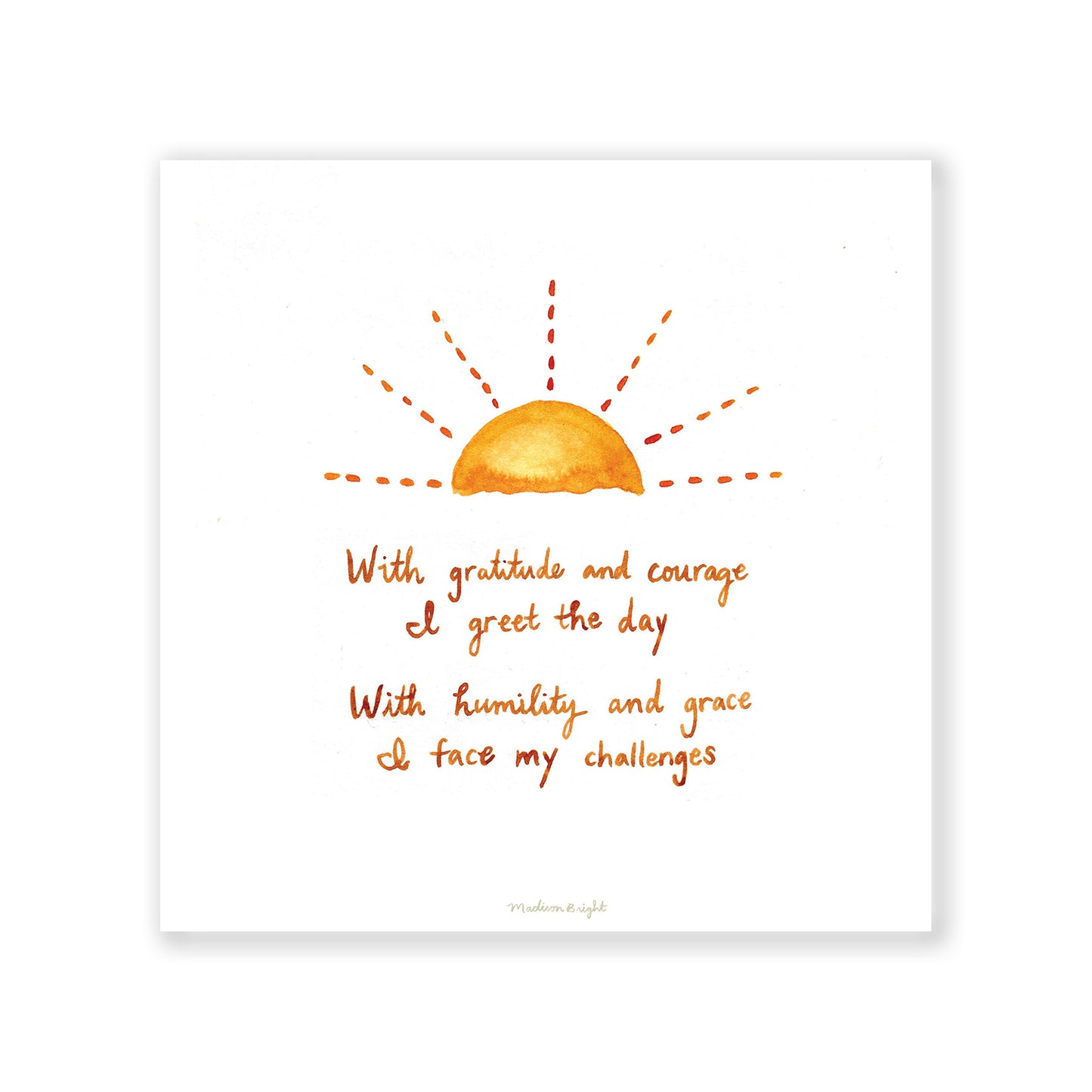
Another way to deepen your practice is to end your routine by setting an intention for your day. For example, after your affirmations, say, “Today, I choose to notice the good. ” This simple step can help keep gratitude on your mind throughout the day.
Credit: maddieandthemoon.com
Choosing The Right Morning Gratitude Affirmations
Not all affirmations are equal. Choosing ones that match your life and goals will make the practice more effective. Think about what matters to you and what you want to feel grateful for.
Types Of Gratitude Affirmations
- Personal Health: “I am thankful for my strong body.”
- Relationships: “I appreciate the love and support around me.”
- Opportunities: “I am grateful for new chances to learn.”
- Nature: “I feel blessed by the beauty outside my window.”
- Inner Strength: “I am grateful for my determination.”
Mix and match these types to create a set that feels right.
It can also help to write affirmations for different areas of your life. For example, if you’re working on your career, try, “I am grateful for the skills I am building at work. ” If you’re focusing on personal growth, use, “I appreciate my ability to learn from my mistakes.
” Over time, you may discover which types of affirmations give you the biggest boost.
Sample Affirmations For Different Needs
- If you are struggling with stress: “I am grateful for moments of peace.”
- If you want more confidence: “I appreciate my unique abilities.”
- If you want motivation: “I am thankful for my energy and focus.”
You can change your affirmations as your life changes. It’s good to update them regularly.
Here are a few more examples based on common life situations:
- For overcoming fear: “I am grateful for my courage to face new challenges.”
- For healing: “I appreciate my body’s ability to heal and renew itself.”
- For relationships: “I am thankful for the laughter I share with friends.”
Comparison Table: Generic Vs. Personalized Affirmations
Below you’ll see how generic affirmations compare to personalized ones in terms of impact.
| Type | Example | Effectiveness | Emotional Impact |
|---|---|---|---|
| Generic | "I am grateful" | Low | Minimal |
| Personalized | "I am grateful for my supportive friend Sarah" | High | Strong |
| Generic | "Today is a good day" | Medium | Moderate |
| Personalized | "I appreciate the fresh air during my morning walk" | High | Strong |
Personalized affirmations connect better with your feelings and are more likely to create lasting change.
The Benefits Of Morning Gratitude Affirmations
Practicing gratitude affirmations every morning brings many benefits. These effects are supported by research and real-life stories.
Emotional Well-being
People who use morning gratitude affirmations often feel:
- Happier: Focusing on positive things lifts your mood.
- Less stressed: Gratitude lowers anxiety and tension.
- More motivated: You start your day with energy and purpose.
Over time, many people notice they react to problems more calmly. For instance, if you spill coffee or miss a bus, you can say, “At least I have coffee to enjoy,” or “This gives me time to think. ” This attitude can turn daily frustrations into small, manageable events.
Physical Health
Gratitude can improve your health in ways you might not expect:
- Better sleep: Studies show grateful people sleep longer and better.
- Lower blood pressure: Gratitude reduces stress, which helps the heart.
- Stronger immune system: Thankfulness boosts resilience against illness.
Some people also report fewer headaches and less muscle tension. Stress affects the body, so reducing it with gratitude has real health benefits. One non-obvious insight is that gratitude can help lower levels of inflammation, which is linked to many chronic illnesses.
Relationships
Gratitude improves how you connect with others:
- You notice kindness and respond with appreciation.
- You communicate more positively.
- Conflicts are easier to resolve.
By starting your day with gratitude, you’re more likely to say “thank you” and recognize the good in others. This can create a ripple effect, making your home or workplace a happier place.
Performance And Productivity
Starting with gratitude helps you focus and achieve more. You feel less distracted and more ready to tackle tasks.
When you’re grateful, you spend less time worrying and more time doing. This means you can accomplish more, with less stress. Some top athletes and business leaders use gratitude affirmations to keep their minds sharp and motivated.
Data Table: Benefits Of Daily Morning Gratitude Affirmations
Below is a comparison of key benefits with and without morning affirmations.
| Aspect | With Affirmations | Without Affirmations |
|---|---|---|
| Mood | Positive, calm | Anxious, stressed |
| Productivity | High, focused | Low, distracted |
| Sleep Quality | Improved | Unchanged |
| Relationships | Strong, positive | Neutral, tense |
| Resilience | Greater | Lower |
Building A Sustainable Morning Gratitude Habit
Making gratitude affirmations a daily habit is simple, but not always easy. It takes a little effort to stay consistent. Here are practical steps to help you make this routine stick.
Step-by-step Guide
- Start Small: Begin with one or two affirmations. Don’t overwhelm yourself.
- Pick a Trigger: Link your affirmations to something you already do, like brushing your teeth or making coffee.
- Use Visual Reminders: Put sticky notes or reminders where you’ll see them in the morning.
- Track Progress: Keep a journal of your affirmations and how you feel each day.
- Review and Adjust: Every week, update your affirmations if needed.
It’s helpful to prepare your affirmations the night before. This way, you won’t have to think about what to say in the morning. Some people like to use a special notebook or app to keep their affirmations organized.
Common Mistakes To Avoid
- Skipping when busy: Even on busy days, take a minute for gratitude.
- Expecting instant change: Results come slowly, but they are real.
- Copying others’ affirmations: Use words that matter to you.
Another mistake is not being patient with yourself. Habits take time to build. If you miss a day, don’t give up—just start again the next morning. Also, don’t judge yourself if you don’t “feel” grateful every day. The practice is about gentle progress, not perfection.
Practical Examples
A beginner might start with: “I am grateful for my cozy bed.” Over time, they might add: “I appreciate my ability to learn new skills.” The habit grows as you notice more positive things in your life.
For parents, involving children in the morning gratitude routine can help kids start their day happy and confident. For example, share one thing you’re grateful for at breakfast. This not only builds your habit but also teaches children the value of gratitude.
Data Table: Habit Strength Over Time
Below is a sample table showing how habit strength increases with daily practice.
| Day | Consistency | Emotional Impact | Motivation |
|---|---|---|---|
| 1 | Low | Minimal | Low |
| 7 | Medium | Moderate | Medium |
| 30 | High | Strong | High |
Habit strength grows as you stay consistent. Most people notice a shift after a few weeks.
Real-life Stories And Examples
Many people have shared their experiences with morning gratitude affirmations. Their stories show how this simple habit can change lives.
Sarah’s Story
Sarah was always stressed in the morning. She started using gratitude affirmations like “I am grateful for my loving family” and “I appreciate the quiet moments before work. ” After a month, she felt less anxious and more confident. Her relationships improved, and she handled challenges better.
Sarah also noticed that she started looking forward to her mornings, rather than dreading them. She said that thinking about what she was thankful for helped her deal with unexpected problems at work and made her feel calmer during busy days.
Tom’s Experience
Tom struggled with low motivation. He began each day with “I am thankful for my creative ideas” and “I appreciate my skills. ” He noticed his productivity increased, and he felt happier.
Tom also shared that his affirmations helped him overcome self-doubt. He started to believe in his abilities and took on new projects he would have avoided before. This led to a promotion at work and a stronger sense of purpose.
Common Patterns
Most people report:
- Feeling more positive.
- Noticing small blessings.
- Handling stress better.
- Improving relationships.
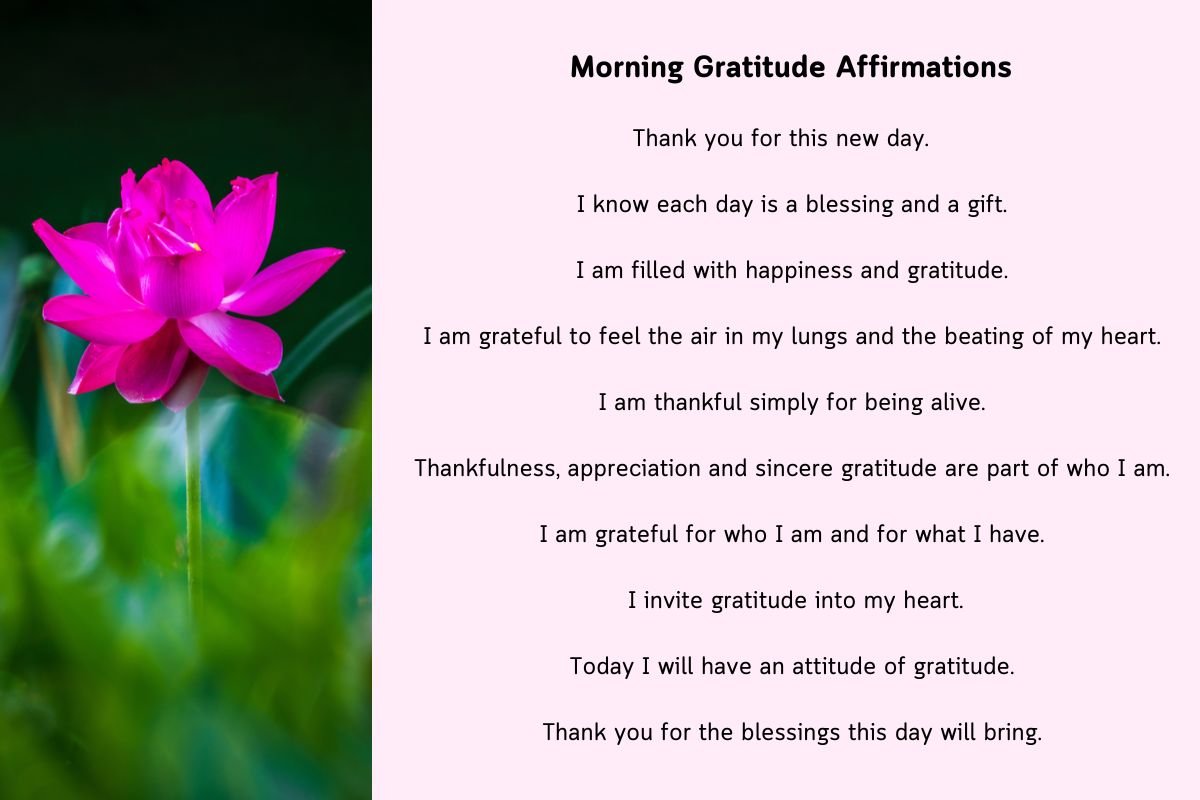
Another common pattern is that people start to inspire those around them. When you express gratitude, others notice. For example, coworkers may start sharing what they are thankful for, creating a friendlier workplace. Even small changes in attitude can spread positivity.
These patterns confirm the benefits seen in research.
Credit: www.inwardboundnetwork.com
Advanced Tips For Morning Gratitude Affirmations
Once you’re comfortable with basic affirmations, you can enhance your practice with advanced techniques.
Combine Affirmations With Visualization
Visualizing what you’re grateful for makes affirmations stronger. For example, as you say “I am grateful for my health,” picture yourself feeling energetic and active.
You can also use all your senses: imagine the sights, sounds, and feelings connected to your gratitude. This makes the experience richer and helps your brain anchor the positive emotions.
Use Music Or Sounds
Some people play soft music or nature sounds while repeating affirmations. This creates a relaxing environment and helps focus.
Try creating a playlist of calming tunes or natural sounds, such as birdsong or gentle rain. Listening to these sounds while saying affirmations can help your mind stay present and peaceful.
Group Practice
Share gratitude affirmations with a friend or family member. Discuss what you’re grateful for together. Group practice increases motivation and builds stronger connections.
In a group setting, you might take turns sharing one thing you appreciate. This can be a morning ritual with your partner or a quick message in a family group chat. Hearing others’ gratitude can remind you of blessings you might overlook.
Try Written Affirmations
Writing your gratitude affirmations in a journal adds clarity. You can review them later and see how your mindset has changed.
Journaling also helps you track your growth. On tough days, reading past entries can remind you of good times and help you stay positive.
Update Affirmations Regularly
Life changes, so your affirmations should too. Review them every month and add new ones as needed.
If you reach a goal or face a new challenge, adjust your affirmations. For example, after finishing a big project, shift your focus to rest or learning something new. This keeps your practice fresh and meaningful.
Frequently Asked Questions
What Are Morning Gratitude Affirmations?
Morning gratitude affirmations are positive statements you say or write each morning to focus on what you appreciate in your life. This habit helps shift your mindset from worry to thankfulness, leading to greater happiness and less stress.
How Long Does It Take To See Results From Morning Gratitude Affirmations?
Most people notice changes in their mood and outlook within a few weeks. Consistency is important. The more regularly you practice, the stronger the effects. It’s normal for results to come slowly at first.
Can I Use Morning Gratitude Affirmations With Other Self-care Practices?
Yes, you can combine affirmations with meditation, breathing exercises, or journaling. Many people find that combining practices creates a deeper sense of well-being and helps build a strong morning routine.
For example, start your day with deep breathing, then repeat your gratitude affirmations, and finish by writing a quick journal entry. This combination can help calm your mind and prepare you for the day ahead.
How Many Gratitude Affirmations Should I Use Each Morning?
Start with 2–3 affirmations that feel meaningful to you. As you become comfortable, you can add more or change them. Quality matters more than quantity—focus on affirmations you truly believe.
Where Can I Find More Examples Or Guidance For Morning Gratitude Affirmations?
You can explore expert advice and research on gratitude practices at Positive Psychology. This site offers exercises, tips, and scientific explanations.
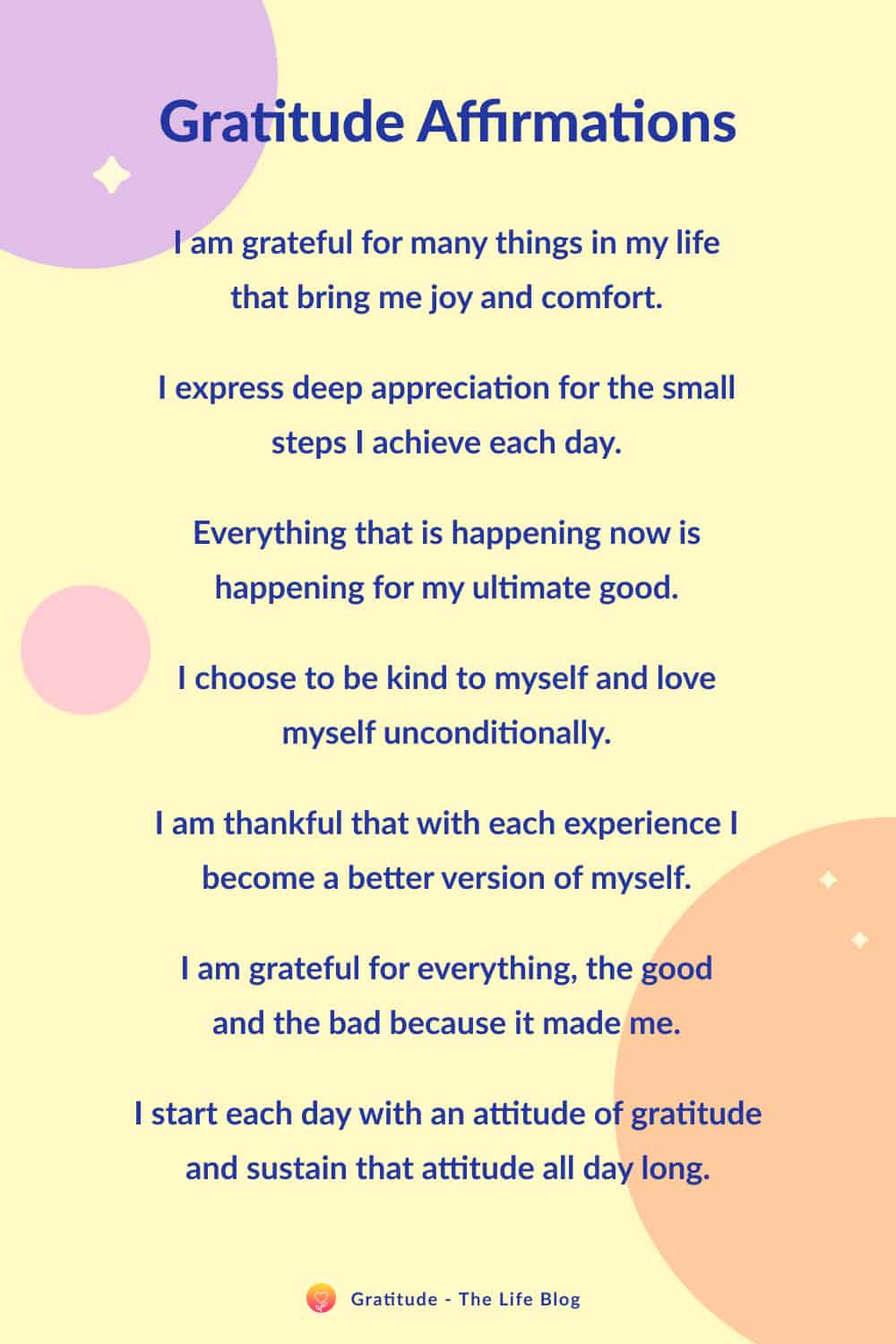
Waking up with gratitude is a small step that can bring big changes. Morning gratitude affirmations are simple, yet powerful. They help you build a positive mindset, reduce stress, and improve your relationships and health. Start with one affirmation, make it a daily habit, and notice how your days become brighter.
This practice is for everyone, no matter your background or goals. If you want to feel happier and stronger, give morning gratitude affirmations a real try.
Credit: blog.gratefulness.me
