

What Does Morning Affirmation Mean? Unlock Your Day’s Potential
What Does Morning Affirmation Mean
Most people have heard about positive thinking or daily mantras, but morning affirmation is more than just repeating words. It is a practice that can shape your day, your mindset, and even your life over time. If you have ever wondered why some people seem energized and motivated each morning, morning affirmations might be their secret. Let’s explore what morning affirmation truly means, how it works, and why it is gaining so much attention around the world.
Understanding Morning Affirmation
The term morning affirmation refers to a simple practice: repeating positive statements about yourself or your goals at the start of your day. These statements are designed to focus your mind, encourage positive emotions, and set the tone for the hours ahead. The idea is not new, but more people are now realizing its power to change habits, thinking, and results.
What Makes It Unique
Morning affirmation is different from regular positive thinking in two ways. First, it is deliberate—you set aside time, usually right after you wake up, to say or think these statements. Second, it is regular, which means you do it daily. This repetition helps your brain form new patterns, a process called neuroplasticity.
Common Types Of Morning Affirmations
Affirmations can focus on many areas, but some of the most popular themes include:
- Self-worth: "I am enough." "I am confident."
- Goals: "I am getting closer to my dreams each day."
- Gratitude: "I am thankful for this new day."
- Calmness: "I am at peace with myself and my surroundings."
- Health: "I care for my body and mind."
These statements are always positive, present-tense, and personal.
The Science Behind Morning Affirmations
Some people think affirmations are just wishful thinking, but research shows there is more happening in the brain. When you repeat a statement, especially early in the day, your brain starts to treat it as a direction.
How Affirmations Affect The Brain
Your brain is always looking for clues about what to expect. When you use affirmations, you give your mind a clear message. This helps reduce negative thoughts and increases positive feelings. Studies using brain scans have shown that self-affirmation activates areas linked to self-worth and motivation.
Impact On Stress And Performance
Affirmations can actually lower stress. In one study, people who used affirmations before stressful events had lower levels of the stress hormone cortisol. They also performed better on tasks, felt more confident, and were less likely to give up when things got hard.
Why Morning Matters
Your mind is most open in the morning. Right after you wake up, your brain is still in a relaxed state, known as theta waves. This makes it easier for new ideas to take root. Morning affirmations use this window of opportunity to set your mood and focus for the day.
Benefits Of Morning Affirmations
People use morning affirmations for many reasons. Let’s look at the most common benefits, as well as a few surprising advantages that beginners often miss.
1. Boosts Confidence
When you start your day by telling yourself positive things, you build self-confidence. Over time, you start to believe these statements, and this changes how you act and react.
2. Improves Focus
Affirmations can help you clear your mind and focus on what matters. By repeating your goals or intentions, you remind yourself what is important.
3. Reduces Negative Self-talk
Everyone has an inner voice. Sometimes, it is not kind. Affirmations help you replace negative thoughts with positive ones, which can lower anxiety and stress.
4. Increases Motivation
Starting your morning with powerful statements gives you a burst of motivation. This can help you finish tasks, try new things, or keep going when you feel tired.
5. Encourages Consistency
Affirmations are most effective when done daily. This regular practice builds discipline and helps you create other healthy habits.
6. Supports Physical Health
Research shows that positive thinking, including affirmations, can improve your immune system and lower blood pressure. When you feel good mentally, your body follows.
7. Strengthens Resilience
When you face challenges, affirmations remind you of your strengths. This makes it easier to bounce back from setbacks.
8. Improves Relationships
When you feel good about yourself, you are more patient and kind with others. Affirmations can help you build better connections at work and home.
Two Insights Beginners Miss
- Timing really matters: Doing affirmations before checking your phone or talking to others lets you set your own tone, not react to outside influences.
- Belief grows with action: If you combine affirmations with small daily actions, your belief in yourself grows even faster.
How To Create Effective Morning Affirmations
Not all affirmations work the same way. For best results, your affirmations should be personal, believable, and positive. Here’s how to create ones that work for you.
Step 1: Identify What You Need
Start by asking yourself what you want to improve or change. Are you looking for more confidence, better health, or less stress? Choose one or two areas to focus on.
Step 2: Write In The Present Tense
Affirmations should sound like they are true right now. For example, say “I am learning new things every day” instead of “I will learn new things. ”
Step 3: Keep It Positive
Avoid negative words. Instead of “I am not afraid,” say “I am brave. ”
Step 4: Make It Believable
If your affirmation feels too far from the truth, your mind may resist. Start with statements that feel possible, like “I am becoming more confident each day. ”
Step 5: Be Specific
Instead of “I am successful,” try “I am making progress toward my goals at work. ”
Step 6: Repeat And Review
Say your affirmations out loud every morning. You can write them down or even record and listen to them. Review your list every few weeks and update it as you grow.

Credit: www.centervention.com
Morning Affirmation Vs. Other Practices
You might wonder how morning affirmation compares to other popular practices like meditation, visualization, or journaling. Each has its unique role, but they can also work together.
Here’s a look at how they differ:
| Practice | Main Focus | Best Time | Key Benefit |
|---|---|---|---|
| Morning Affirmation | Positive self-talk | Right after waking | Boosts mindset |
| Meditation | Calm and awareness | Anytime | Reduces stress |
| Visualization | Imagining success | Morning or night | Sharpens goals |
| Journaling | Reflection and growth | Morning or night | Tracks progress |
Morning affirmation is powerful because it is simple and requires only a few minutes. However, combining it with other practices can make your routine even stronger.
Common Mistakes With Morning Affirmations
Many people start morning affirmations but give up when they do not see results right away. Here are some common mistakes and tips to avoid them.
1. Using Vague Statements
If your affirmation is too general, it might not connect with your real feelings. Make your statements specific and personal.
2. Only Saying, Not Feeling
Saying words without emotion does not have much power. Try to feel the meaning as you speak.
3. Skipping Days
Consistency is key. Skipping your practice breaks the habit and slows progress.
4. Expecting Instant Results
Affirmations work over time. Be patient and trust the process.
5. Ignoring Negative Emotions
Affirmations are not about ignoring real problems. If you feel sad or worried, acknowledge it first, then use affirmations to shift your mood.
6. Overloading With Too Many Affirmations
Focusing on too many statements at once can be confusing. Start with three to five and add more as you get comfortable.
Two Insights Beginners Miss
- Writing works better than just thinking: Writing your affirmations by hand helps your brain remember and believe them.
- Morning environment matters: Try to do your affirmations in a quiet, peaceful place to help your mind focus.
Step-by-step Morning Affirmation Routine
You do not need a lot of time or special tools to start with morning affirmation. Here is a simple routine that fits any schedule.
- Wake Up and Sit Up: Find a comfortable spot. You can stay in bed or sit by a window.
- Take Three Deep Breaths: This clears your mind and helps you focus.
- Say Your Affirmations Out Loud: Speak clearly and with feeling.
- Visualize Success: Picture yourself living the words you say.
- Smile and Start Your Day: A smile helps your brain release positive chemicals.
This whole process can take less than five minutes but can change the way you feel all day.
Sample Morning Affirmations For Different Goals
If you are not sure where to start, here are some examples for different goals.
For Confidence
- "I am confident in my abilities."
- "I trust myself to make good choices."
- "I am proud of who I am."
For Motivation
- "I am excited to start this day."
- "I have all the energy I need."
- "I am making progress every day."
For Calmness
- "I am calm and at peace."
- "I handle challenges with grace."
- "I let go of what I cannot control."
For Health
- "I care for my body with healthy choices."
- "I am strong and full of energy."
- "I listen to my body’s needs."
For Success
- "I am open to new opportunities."
- "I attract success by working hard."
- "I am creating my own future."
Choose the ones that speak to you, or change the words to fit your life.

Credit: www.affirmations.online
Morning Affirmations In Different Cultures
The idea of starting the day with positive words is not new. Many cultures have their own versions of morning affirmation, even if they use different names.
Example 1: Mantras In India
In India, people often begin their day with mantras—short phrases said aloud or in the mind. These can be spiritual, like “Om Shanti,” which means peace.
Example 2: Prayer In Christian Traditions
Morning prayers in Christian traditions often include words of thanks and hope, similar to affirmations.
Example 3: Qi Gong In China
Qi Gong is a practice that combines movement, breath, and positive words to focus the mind each morning.
Example 4: Japanese Naikan Practice
Naikan is a Japanese method of self-reflection that includes thinking about what you receive from others and giving thanks.
These practices show that morning affirmation is a universal idea with many forms.
Real Examples: How People Use Morning Affirmations
To see how affirmations work in real life, let’s look at a few examples.
Case 1: The Busy Parent
Maria, a working mother, felt overwhelmed each morning. She started saying, “I am patient and strong for my family. ” After a few weeks, she noticed she was calmer, even during busy mornings.
Case 2: The Job Seeker
John was looking for a new job and felt discouraged. He used the affirmation, “I am valuable and ready for new opportunities. ” This helped him stay positive and confident during interviews.
Case 3: The Student
Nina, a college student, was nervous about exams. She used, “I am well-prepared and smart. ” This boosted her focus and lowered her anxiety.
Each person found that starting the day with positive words changed how they felt and acted.
Comparing Morning Affirmations: Alone Vs. With A Group
Morning affirmations can be a solo or group activity. Here’s how they compare:
| Setting | Main Benefit | Drawback | Best For |
|---|---|---|---|
| Alone | Personal focus | Less accountability | Private practice |
| With a Group | Support and energy | May feel less personal | Team-building |
If you find it hard to stay motivated, joining a group or sharing your affirmations with a friend can help you stick to the routine.
How Long Does It Take To See Results?
People often ask how fast morning affirmations work. The answer depends on your goals and your consistency. Most people notice small changes in a few days—like a better mood or more focus. Bigger changes, such as higher confidence or new habits, may take several weeks.
One insight that many beginners miss is that progress is not always obvious at first. Sometimes, you only notice the change when you look back after a month or two.
Can Morning Affirmations Replace Other Self-help Tools?
Morning affirmations are powerful, but they are not a magic solution. They work best with other healthy habits, such as exercise, good sleep, and mindful eating. If you are facing serious mental health challenges, affirmations can support you, but professional help is sometimes needed.
A useful resource on the science of affirmation and positive self-talk is this Positive Psychology guide.
Adapting Morning Affirmations For Different Needs
Every person’s life is different. You can adjust your morning affirmations based on your situation.
For Busy Schedules
If you have little time, choose one strong affirmation and repeat it while brushing your teeth or making coffee.
For Children
Simple affirmations like “I am a good friend” can help children start the day with confidence.
For Older Adults
Affirmations about wisdom and gratitude can help older adults feel valued and positive.
For Difficult Times
When life is hard, use gentle affirmations, such as “I am doing my best” or “I am strong enough to get through this. ”
Credit: www.thegoodtrade.com
Practical Tips For Lasting Success
To get the most from morning affirmations, try these practical tips:
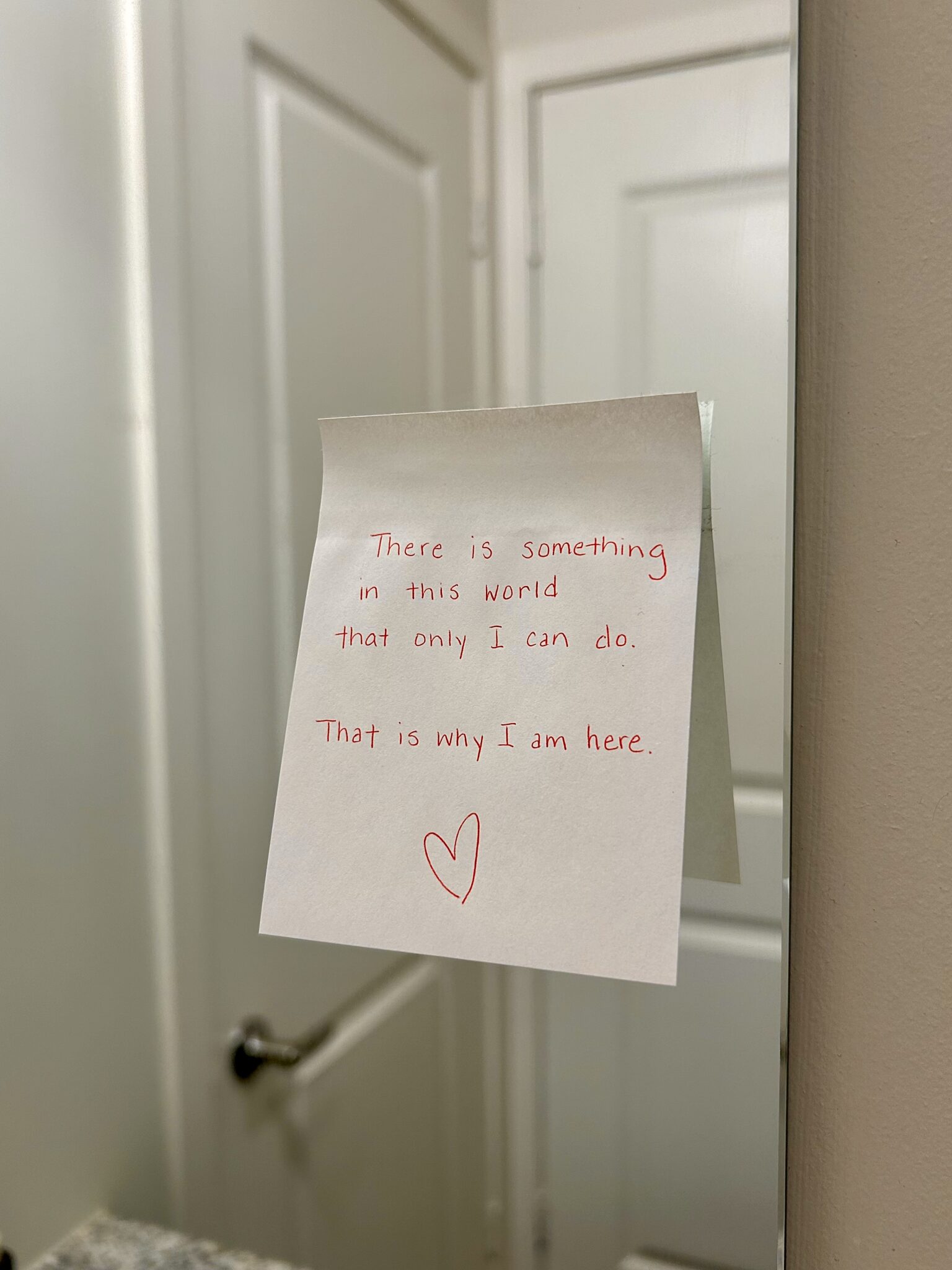
- Use reminders: Place sticky notes with your affirmations on your mirror or fridge.
- Record your voice: Listen to your own affirmations while you get ready.
- Pair with movement: Do a gentle stretch or walk as you repeat your statements.
- Track progress: Write down one thing that went well each day, connected to your affirmation.
- Celebrate small wins: Notice when your thinking or actions change, even in small ways.
When Affirmations Don’t Work
Sometimes, people try affirmations and feel nothing changes. There are a few reasons why this happens:
- You do not believe the words: Start with statements that feel possible.
- You only repeat, not act: Affirmations work best when you also take small steps.
- You focus on what you lack: Make your statements about what you are building, not what you are missing.
If this happens, adjust your affirmations or add actions that support your goals.
Using Technology For Morning Affirmations
Technology can make affirmations easier. There are apps that send you daily reminders or let you record your own voice. You can also set your phone wallpaper with your favorite affirmation or join online groups for support.
Morning Affirmations In The Workplace
Businesses are starting to see the value of morning affirmations. Some teams begin meetings with a group affirmation to boost morale and focus. This is especially helpful in high-pressure jobs, where a positive mindset can improve performance and teamwork.
The Role Of Gratitude In Morning Affirmations
Adding gratitude to your morning routine can make affirmations even more powerful. For example, start with “I am thankful for my health” before your main affirmation. Gratitude shifts your focus from what is missing to what is already good.
Comparing Affirmation Length: Short Vs. Long
Affirmations can be short or long. Here’s a quick comparison:
| Type | Example | Best For |
|---|---|---|
| Short | "I am strong." | Quick boost, busy mornings |
| Long | "I am strong and capable of handling any challenge today." | Deep focus, personal growth |
Start with short affirmations, then try longer ones as you build the habit.
Frequently Asked Questions
What Is The Main Purpose Of A Morning Affirmation?
The main purpose is to set a positive tone for your day. By repeating positive statements, you help your mind focus on your strengths, goals, and what you want to achieve. This can improve your confidence, mood, and actions throughout the day.
How Long Should I Spend On Morning Affirmations?
You only need two to five minutes each morning. The key is to be consistent. Even a short practice, done daily, is more effective than a long session once in a while.
Can I Write My Own Affirmations?
Yes, writing your own affirmations is often more powerful. Make them personal, positive, and present-tense. If you use words that feel true to you, your mind will accept them more easily.
Do Morning Affirmations Really Work?
Research and personal stories show that morning affirmations can reduce stress, boost confidence, and improve focus. Results vary for each person, but most people see benefits when they are consistent.
Should I Say Affirmations Out Loud Or In My Mind?
Both ways can work. Saying them out loud helps you focus and remember. If you are in a place where you cannot speak, you can think or write your affirmations instead.
Ending your morning with positive words is a small step that can lead to big changes. By understanding what morning affirmation means and how to use it, you give yourself the best chance for a focused, calm, and successful day.
Try it tomorrow—your mind and life might thank you.
