

Plus Size Activewear That Flatters Every Workout Moment
Updated on: February 8, 2026
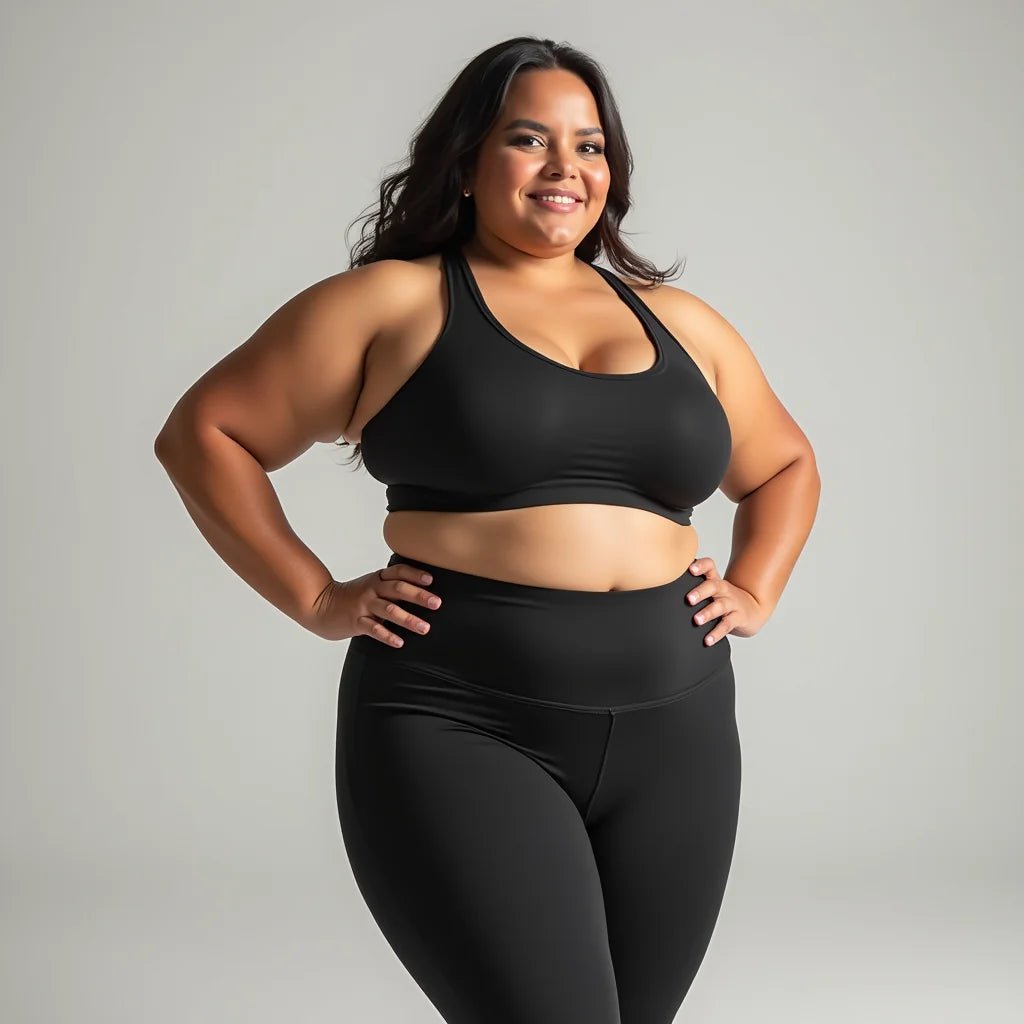
Finding workout gear that actually fits your body isn't a luxury—it's a basic human right. Plus size activewear has evolved from "barely functional" to downright fabulous, offering comfort, style, and performance that doesn't compromise. Whether you're hitting the gym, practicing yoga, or just living your best life, the right activewear transforms how you move and feel. Discover the game-changing essentials, common pitfalls, and expert tips to build a wardrobe that celebrates your body exactly as it is.
Table of Contents
- Common Mistakes When Shopping for Bigger Sizes
- Buyer's Checklist for Quality Activewear
- Frequently Asked Questions
- Wrap-Up and Final Thoughts
- Questions and Answers
Why Plus Size Activewear Deserves Your Attention Right Now
Let's be real: finding activewear that fits properly used to feel like searching for a unicorn in a retail wasteland. But the fitness fashion landscape has shifted dramatically. Brands are finally catching on that bodies come in every magnificent shape and size, and that includes people who want to crush their fitness goals without squeezing into clothing designed for someone else's frame.
The market for larger-sized athletic wear has exploded because manufacturers realized something revolutionary: bigger customers have bigger wallets and bigger loyalty. Today's plus size activewear options deliver genuine performance features—moisture-wicking fabrics, strategic seaming, breathable materials, and designs that actually account for real body curves. This isn't consolation-prize clothing; this is innovation driven by actual demand and respect for diverse bodies.
Whether you're into high-intensity interval training, swimming, yoga, or simply existing comfortably in your daily life, quality activewear elevates everything. The right fit boosts confidence, improves mobility, and makes movement feel genuinely enjoyable instead of like an uncomfortable endurance test.
Common Mistakes When Shopping for Bigger Sizes
Even with better options available, plenty of people still sabotage their own shopping experience. Let's break down the most frequent blunders:
Settling for "Close Enough" Fit
Just because something technically fits doesn't mean it actually works. Baggy sleeves that slip during movement, waistbands that ride up, or fabric that bunches in weird places will undermine your comfort and confidence. You deserve activewear that feels like a second skin, not a costume that doesn't quite belong.
Ignoring Fabric Composition
Cotton might feel good initially, but once you're sweating, it becomes a soggy weight around your body. Look for performance fabrics like polyester blends, nylon, or specialized moisture-wicking materials that dry quickly and maintain their shape through countless washes. Your future self will thank you when your clothes don't turn into a sad, stretched-out mess after three months.
Overlooking Seam Placement
Strategic seaming isn't just aesthetic—it's functional. Seams that run along your natural curves instead of cutting across them prevent chafing, reduce bulk, and create smooth lines under your clothing. This is where thoughtful design matters tremendously.

Diverse body shapes stretching confidently in properly fitted athletic gear
Buying Without Checking Return Policies
Online shopping requires trust, and that trust should include hassle-free returns. Always purchase from retailers offering generous return windows. You shouldn't feel locked into a purchase if something doesn't perform as expected.
Ignoring Quality Construction Details
Cheap activewear develops holes, loses elasticity, and fades quickly. Examine stitching quality, check whether seams are reinforced, and verify that elastic casing is sturdy. A slightly higher upfront investment in well-made pieces pays dividends over time.
Buyer's Checklist for Quality Activewear
Use this checklist to evaluate any piece of larger-sized athletic gear before committing:
- Fabric Check: Does the material have quality moisture-wicking properties? Does it feel durable and substantial?
- Fit Assessment: Can you move freely? Do straps stay put? Does the waistband sit comfortably without rolling or cutting in?
- Seam Quality: Are seams reinforced? Do they run along curves rather than across them?
- Length and Coverage: Are sleeves the right length? Does the hemline provide adequate coverage during activity?
- Elasticity Test: When you stretch the fabric, does it spring back or does it feel loose and saggy?
- Color Durability: Has the color remained vibrant or does it look faded? (Check reviews for fading reports)
- Size Range Transparency: Does the brand offer your size genuinely, or are they just stretching smaller sizes?
- Care Requirements: Are washing and care instructions practical for regular use?
- Price Justification: Does the price reflect the quality, or are you paying for marketing hype?
- Return Policy: Can you return items within a reasonable timeframe without complications?
- Supportive Features: If needed, does the piece provide adequate support for your activity level?
- Brand Reputation: What are other customers saying about longevity and fit consistency?
Pro tip: Try items on with the clothes you'll actually wear underneath. That matters more than you'd think. Check out quality leggings options that tick all these boxes.
The Psychology of Feeling Good in Your Activewear
Here's something retailers rarely talk about: activewear is psychology. When you feel genuinely comfortable and supported in what you're wearing, your entire workout mentality shifts. You move with more confidence, you push harder, and you show up more consistently because you're not battling discomfort the whole time.
Clothes that fit properly also send a powerful message to your brain: you matter enough to invest in quality. You're worth the effort. That might sound silly, but confidence is a performance enhancer as real as any training technique.

Person confidently stretching in well-fitted athletic wear, mirrors reflecting empowerment
Studies consistently show that people exercise more frequently and with greater intensity when they feel confident in their clothing. It's not vanity—it's biomechanics meeting psychology. When you're not constantly adjusting straps, tugging at fabric, or feeling self-conscious about fit, you can focus on what matters: moving your body and enjoying the experience.
Building Your Activewear Capsule Wardrobe
You don't need fifty pieces of athletic wear. You need strategic pieces that work together and cover different scenarios. Start with basics: quality leggings in neutral colors serve as your foundation. Add supportive sports bras or crop tops designed for your size and activity level. Incorporate breathable shirts in moisture-wicking fabrics. Consider versatile rash guards that work for water activities and layering. Round it out with an athletic jacket or cover-up for practical functionality.
Quality pieces mix and match, so you can create multiple complete outfits from fewer items. This approach saves money, simplifies decision-making, and ensures you always have clean, comfortable gear available. Focus on items you'll actually wear repeatedly rather than trendy pieces you'll abandon after one season.
Frequently Asked Questions
How do I know if plus size activewear is actually sized generously?
Read reviews specifically mentioning fit and sizing. Look for comments from customers discussing whether items run small, true to size, or large. Many retailers now include detailed size charts with actual measurements, which beats vague descriptions every time. Don't hesitate to contact customer service asking for honest fit feedback before purchasing.
Is expensive activewear always better quality?
Not necessarily. Higher prices sometimes reflect branding or marketing costs rather than superior construction. However, extremely cheap activewear rarely performs well long-term. Aim for mid-range quality from reputable brands that prioritize proper sizing rather than assuming most expensive equals most functional.
Should I size up if between sizes?
Generally, no. Activewear should fit snugly enough to support movement but comfortably enough that you're not restricting circulation. If you're between sizes, order both if possible and return the one that doesn't work. Many retailers offer free returns, making this approach practical.
How often should I replace my activewear?
With proper care, quality pieces last 12-18 months of regular use. Signs of replacement timing include pilling, stretched-out elastic, fading, or compromised moisture-wicking properties. Well-constructed items extend this timeline significantly.
What fabric is best for sensitive skin?
Look for moisture-wicking blends that minimize bacteria growth and irritation. Some people do better with nylon blends, while others prefer polyester combinations. Test small areas first, and always check reviews from customers with similar skin concerns.
Wrap-Up and Final Thoughts
Settling for mediocre activewear is refusing yourself basic dignity. You deserve athletic gear that actually works with your body, supports your goals, and makes you feel genuinely fantastic. The plus size activewear revolution isn't about charity or pity sizing—it's about recognizing market reality and respecting diverse customers who deserve excellence.
Your body is worthy of investment. Your comfort matters. Your confidence in your clothing directly impacts your performance and consistency. Start with this checklist, identify your non-negotiables, and build a wardrobe that actually supports your life instead of complicating it.
Stop wasting money on clothes that don't fit. Stop settling for uncomfortable compromises. Your future self—the one crushing fitness goals in gear that actually fits properly—is counting on you to make the switch today. Explore inspiring collections designed for real bodies, real movement, and real confidence.
Questions and Answers
What makes activewear "plus size" different from just larger versions of standard sizes?
Properly designed plus size activewear accounts for different proportions and curves. Sleeves sit at different lengths, necklines are positioned for different body shapes, and seaming strategically considers where curves naturally exist. It's not simply scaling up a smaller design—it's reimagining construction for different body architecture.
Can I wear regular sports bras if I'm a larger size?
Sports bras specifically engineered for larger cup and band sizes provide superior support and comfort. Regular bras often lack adequate support structure, creating discomfort and potential strain. Investing in properly sized sports bras is genuinely important for comfort and breast health during activity.
How do I prevent chafing in activewear?
Choose seamlessly designed pieces or items with strategic seam placement along curves. Apply anti-chafe products to areas prone to friction. Ensure your activewear fits snugly but not restrictively—too much movement causes friction, but over-tight clothing also creates problems. Moisture-wicking fabrics help tremendously by reducing friction-causing moisture.
What activities benefit most from properly fitting activewear?
All of them. Whether you're running, swimming, practicing yoga, or doing strength training, proper fit improves performance and comfort across every activity level. Try specialized pieces designed for specific movement types to maximize your investment.
How do I care for activewear to extend its lifespan?
Wash in cold water with gentle detergent, avoid fabric softener which breaks down moisture-wicking properties, and air-dry rather than machine drying. Turn items inside-out before washing to protect graphics and colors. Following care instructions seriously extends garment life by 50 percent or more.
Should I buy activewear online or in-store?
Both have advantages. In-store shopping lets you test fit immediately, but online shopping often provides better size selection and reviews from actual customers. Whichever route you choose, prioritize retailers with straightforward return policies to eliminate purchase anxiety.
Is there activewear designed for different body shapes, not just sizes?
Yes. Forward-thinking brands recognize that bodies with similar sizes can have different proportions. Some offer multiple cut options, varied neckline styles, and different sleeve lengths within the same size. This approach respects individual variation rather than treating all bodies uniformly.
What's the difference between activewear and regular comfortable clothing?
Activewear uses performance fabrics engineered to wick moisture, resist bacteria growth, maintain elasticity, and provide support during movement. Regular clothing, even comfortable regular clothing, typically lacks these technical properties and degrades quickly under sweating and athletic stress.
About the Author
Ryver Greene
Ryver Greene is a fitness and activewear specialist with seven years of experience helping people find clothing that actually works for their bodies. With expertise in fabric technology, sizing accessibility, and inclusive design, Ryver believes that comfort and confidence shouldn't require a treasure hunt. When not researching performance fabrics, Ryver enjoys practicing yoga, hiking, and reminding everyone that their body is absolutely worthy of investment. Connect with Ryver for real talk about activewear that actually delivers.
