

Eco-Friendly Fabrics: Practical Tips for Greener Wardrobes
Updated on: March 2, 2026
Ready to dress your body like you actually care about the planet? Sustainable fabrics are no longer just for granola enthusiasts and climate scientists—they're becoming the rebellious choice for anyone who refuses to be a walking advertisement for environmental destruction. Discover why eco-friendly fabrics are the real deal, how to spot the greenwashing nonsense, and why your wardrobe deserves better than fast fashion's disposable mentality.
Table of Contents
- Key Benefits of Sustainable Fabrics
- How to Choose Eco-Friendly Materials
- Popular Types of Sustainable Textiles
- Environmental Impact and Real Change
- Frequently Asked Questions
- Summary and Final Thoughts
Why Sustainable Textiles Matter More Than Ever
Let's be honest: the fashion industry is basically a vampire that feeds on natural resources and spits out pollution like it's going out of style. Every single day, mountains of fabric hit landfills, water gets poisoned by chemical dyes, and workers in distant factories bust their humps for pennies. But here's the revolution part—eco-friendly fabrics are the antidote to this madness. These materials are crafted with intention, respect for the planet, and actual consideration for human beings involved in production. Whether you're interested in organic cotton, linen, hemp, or regenerated fibers, choosing sustainable textiles is like giving your conscience a high-five while simultaneously looking absolutely killer in what you wear.
Key Benefits of Sustainable Fabrics
- Lower Environmental Footprint: Sustainable textiles require significantly less water, fewer pesticides, and reduced chemical processing than conventional fabrics. Your choice literally keeps toxins out of our water systems.
- Better for Your Skin: No harsh chemical residues means your skin breathes easier and stays happier. Eco-friendly materials are gentler, hypoallergenic, and won't leave you itching like a wild animal at midnight.
- Superior Durability: Quality sustainable fabrics actually last longer, meaning you buy fewer items and waste less money. Revolutionary concept, right?
- Supporting Ethical Labor: Sustainable brands typically prioritize fair wages and safe working conditions. Your purchase becomes a vote for human dignity.
- Biodegradable and Compostable: When these garments eventually reach end-of-life, many break down naturally without leaving permanent toxic ghosts in the environment.
- No Microplastic Pollution: Unlike synthetic fabrics that shed microplastics every time you wash them, natural sustainable materials keep our oceans cleaner and our lungs safer.

Natural plant fibers growing in sustainable fields with morning dew and organic growth patterns
How to Choose Eco-Friendly Materials Like a Pro
Step 1: Look for Certifications That Actually Mean Something
Don't fall for vague "green" marketing nonsense. Hunt for legit certifications like GOTS (Global Organic Textile Standard), Fair Trade Certified, OEKO-TEX, or Cradle to Cradle. These aren't just fancy badges—they're proof that someone actually audited the supply chain and didn't find dead bodies in the closet.
Step 2: Research the Brand's Origin Story
Visit their website like you're investigating a suspicious dating profile. Do they transparently discuss their manufacturing processes? Can you actually track where materials come from? Real sustainable brands are proud of their sourcing and won't hide behind corporate mystery. They're basically the opposite of fast fashion's "we dunno, somewhere overseas probably" approach.
Step 3: Check the Fiber Content Label
Know what you're buying. Organic cotton, linen, hemp, bamboo viscose (made responsibly), Tencel, and recycled polyester are solid choices. Avoid blends with too many synthetic materials unless they're specifically recycled or lab-grown alternatives.
Step 4: Calculate the Real Cost Per Wear
Yes, sustainable garments cost more upfront. But when you actually wear them for years instead of tossing them after one season, the price per wearing becomes embarrassingly cheap compared to disposable fashion disasters. Math works in your favor here, and so does your self-respect.
Step 5: Embrace Quality Over Quantity
Buy fewer items but make them count. Invest in timeless pieces that work with multiple outfits. Consider quality rash guards and versatile activewear that combines sustainable materials with designs you'll actually want to wear repeatedly.
Popular Types of Sustainable Textiles Changing the Game
Organic Cotton: The Classic Rebellion
Grown without synthetic pesticides or fertilizers, organic cotton is basically cotton's cooler, less toxic cousin. It uses less water than conventional cotton and protects farm workers from chemical exposure. Perfect for basic tees, undergarments, and anything that touches your skin regularly.
Linen: Ancient Wisdom Meets Modern Fashion
Derived from flax plants, linen is incredibly durable, biodegradable, and requires minimal chemical processing. It gets softer with every wash and develops character like fine wine. Summer clothes made from linen are your ticket to actually being comfortable while looking intentional.
Hemp: Nature's Tough Guy
One of the strongest natural fibers available, hemp grows without pesticides and regenerates quickly. It's perfect for durable workwear, bags, and anything needing serious staying power. Plus, growing hemp actually improves soil quality. It's like the plant that keeps on giving.
Bamboo Viscose: The Sustainable Stretch
When processed responsibly using closed-loop systems, bamboo becomes incredibly soft viscose fabric. It's breathable, moisture-wicking, and grows like crazy without pesticides. Just make sure you're buying from brands using responsible production methods, because some bamboo processing is sketchy.
Recycled Polyester and Regenerated Fibers
Old plastic bottles and textile scraps get new life as functional fabrics. Brands like those offering sustainable leggings often incorporate recycled materials. These fabrics reduce landfill waste and prevent new petroleum extraction.

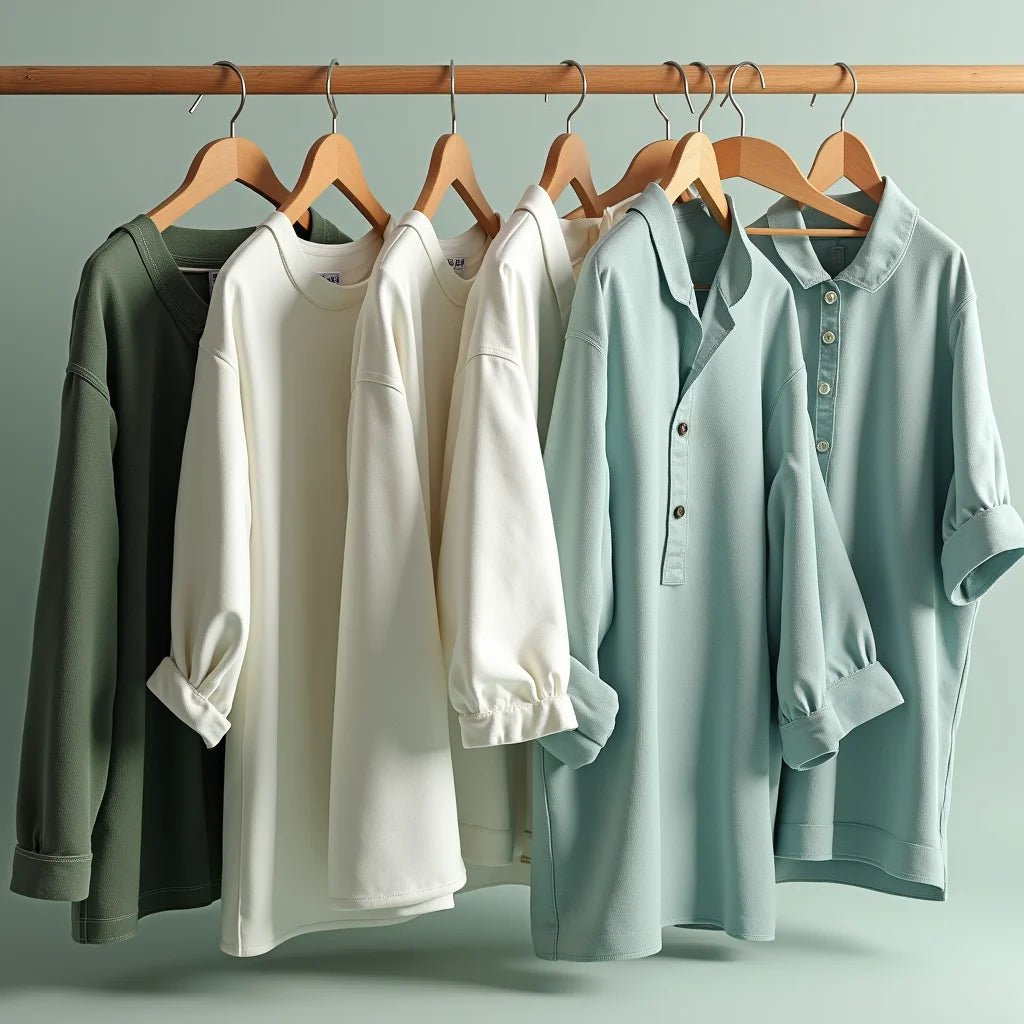
Various sustainable fabric textures and weaves displayed in natural earth tones and neutral colors
Environmental Impact and Real Change You Can Actually Track
Choosing eco-friendly fabrics isn't just about feeling good about yourself (though that's a solid bonus). The actual environmental impact is measurable and significant. Traditional textile manufacturing gobbles up 92 trillion liters of water annually and produces 10 percent of global carbon emissions. Conventional cotton farming, despite occupying only 2.5 percent of cultivated land, uses 16 percent of the world's pesticides. That's insane.
When you switch to sustainable alternatives, you're directly reducing demand for these destructive practices. Every purchase sends a market signal that consumers care about the planet. Brands notice. Supply chains shift. Manufacturing processes evolve. It's not magic—it's economics working in favor of the environment for once.
The water savings alone are staggering. Organic cotton requires 91 percent less water than conventional cotton. Hemp needs virtually no irrigation. These aren't trivial differences when you're talking about a planet where freshwater is increasingly scarce. Plus, sustainable practices protect soil health, preserve biodiversity, and keep toxic chemicals out of groundwater.
Workers benefit too. Sustainable fashion companies typically implement living wages, safe conditions, and reasonable hours. When you buy from brands that prioritize ethical production, you're funding systems where people aren't exploited. Revolutionary concept in an industry built on labor abuse.
Frequently Asked Questions About Sustainable Fabrics
Are eco-friendly fabrics actually more expensive, or is that just a marketing trick?
They do cost more upfront, but it's not entirely a trick. Sustainable production involves better wages, safer processes, lower-impact materials, and actual quality standards. You're paying for real value, not just a green label. However, when you factor in durability and longevity, sustainable pieces often become cheaper per wear than fast fashion's disposable nightmare.
How can I tell if a brand is actually sustainable or just greenwashing?
Look for transparent supply chain information, third-party certifications, and detailed impact reporting. If a brand can't explain where materials come from or how they're processed, they're probably hiding something. Visit their transparency page, check if they publish sustainability reports, and read independent reviews. Real sustainable brands are proud to share details.
Will sustainable fabrics hold up in the washing machine, or will they fall apart?
Quality sustainable fabrics are incredibly durable when cared for properly. Natural fibers like linen and hemp actually improve with washing. Follow basic care instructions—gentle cycles, appropriate water temperatures, and avoiding harsh chemicals—and your sustainable pieces will outlast most conventional garments. They're built to last, not designed for landfill.
Summary and Final Thoughts
Sustainable fabrics aren't some trendy fad that'll disappear when the next fast fashion trend explodes. They're the intelligent, rebellious choice for anyone who refuses to participate in planetary destruction while looking cute doing it. From organic cotton to recycled polyester, the options are expanding rapidly. These materials offer real environmental benefits, support ethical labor practices, and actually feel better against your skin.
The revolution starts with your wardrobe. Make intentional choices. Invest in quality pieces that align with your values. Support brands that genuinely prioritize sustainability rather than just slapping green labels on garbage. Your closet can be armor against mediocrity and a statement of resistance against the throwaway culture.
Ready to upgrade your sustainable style? Explore collections that combine eco-conscious materials with designs that actually slap. Check out options like sustainable rash guards and eco-friendly leggings that prove you don't have to compromise on style or values. Your wardrobe is your canvas—paint it with intention, sustainability, and unapologetic style. Go rogue. Live wild. Dress responsibly.
About the Author
Ryver Greene is a sustainable fashion advocate and content strategist passionate about exposing greenwashing while championing genuine eco-conscious alternatives. With years of experience researching textile production, environmental impact, and ethical labor practices, Ryver breaks down complex sustainability topics into witty, actionable guidance. When not investigating fabric supply chains, Ryver enjoys exploring the intersection of style, rebellion, and planetary responsibility. Follow along for more unfiltered takes on sustainable living.
For additional resource exploration, check out Kg2g.store for more product recommendations and insights.
