

Workout Triceps And Shoulders: Build Strength and Definition Fast
Workout Triceps And Shoulders
Building strong, defined upper arms and shoulders is a goal shared by many people who work out. These muscle groups do more than just look good—they help you lift, push, and carry things in daily life. When you focus on triceps and shoulders, you also improve your posture and prevent injuries. Many beginners wonder how to train these muscles effectively without wasting time or risking injury. This article will guide you step-by-step through what matters most for triceps and shoulder workouts.
You’ll learn how these muscles work, which exercises deliver real results, and how to create a smart training plan. We’ll cover essential tips, mistakes to avoid, and how to adjust your routine for different goals—like building strength or muscle size.
Whether you’re new to exercise or want to improve your current routine, you’ll find clear, practical advice you can use right away.
Understanding Triceps And Shoulders
To train your arms and shoulders well, you need to know a little about how these muscles work.
The Triceps Muscle
The triceps are on the back of your upper arm. They have three parts, or “heads”: long, lateral, and medial. All three help you straighten your arm at the elbow. Any pushing movement—like a push-up or bench press—uses your triceps.
When people want bigger arms, they often focus on biceps (the front), but the triceps actually make up about two-thirds of your upper arm’s size. That’s why a strong triceps workout is key for arm growth.
The Shoulder Muscles
Your shoulders—called the deltoids—are made of three main parts:
- Front (anterior) deltoid: Raises your arm forward.
- Side (lateral) deltoid: Lifts your arm to the side.
- Rear (posterior) deltoid: Moves your arm backward.
Shoulders are used in nearly every upper body movement. Weak shoulders can lead to poor posture and increase your risk of injury.
Why Train Them Together?
The triceps and shoulders often work together during pushing exercises. For example, a bench press or overhead press trains both muscle groups at once. Training them together saves time and creates balanced, functional strength.
Key Principles For Effective Training
If you want to see results, you need more than just random exercises. Here are the essential principles to follow:
- Progressive overload: Gradually increase the weight, reps, or difficulty over time. This forces your muscles to grow and get stronger.
- Good form: Proper technique protects your joints and targets the right muscles. Bad form leads to injuries and poor results.
- Recovery: Muscles need time to heal and grow. Training triceps and shoulders too often can slow your progress or cause pain.
- Balanced routine: Work all parts of the triceps and shoulder for a well-rounded look and strength.
- Variety: Change exercises, rep ranges, or equipment every few weeks to avoid plateaus.
Non-obvious insight: Many people forget that the triceps have three heads, and most exercises only target one or two. Using a mix of movements ensures all areas get worked.
Another beginner mistake is ignoring the rear deltoid. This small muscle is crucial for shoulder health and a balanced look.
Best Triceps Exercises
You don’t need dozens of exercises. Focus on a few that work well and use good form.
1. Close-grip Bench Press
This bench press variation shifts more work to the triceps. Use a shoulder-width grip, lower the bar to your chest, and press up.
Tip: Keep elbows close to your body for maximum triceps activation.
2. Triceps Dips
Using parallel bars or a bench, lower your body by bending your elbows, then push back up.
Tip: Leaning forward works more chest; staying upright targets triceps.
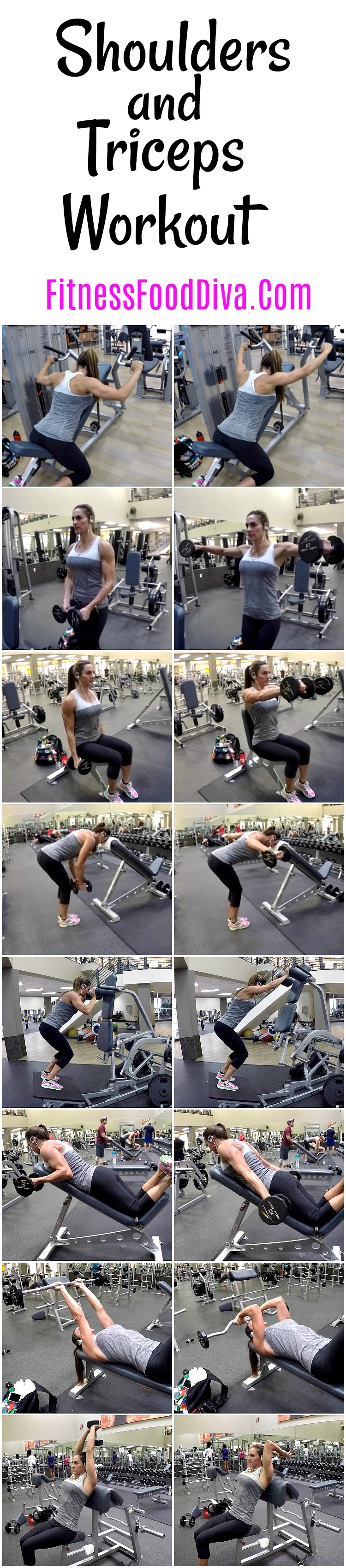
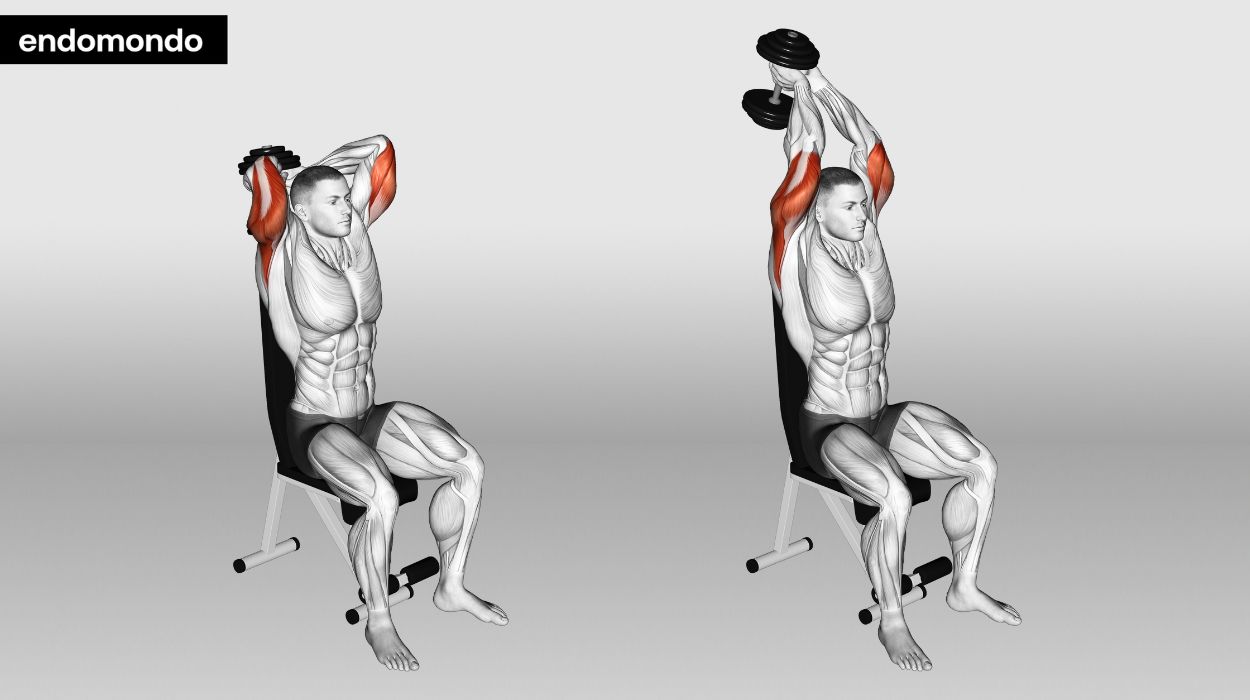
3. Overhead Triceps Extension
Use a dumbbell or cable. Lift the weight overhead and lower it behind your head, then extend your arms.
Tip: This move stretches the long head of the triceps, which many other exercises miss.
4. Skull Crushers (lying Triceps Extension)
Lie on a bench with a barbell or dumbbells. Lower the weight towards your forehead, then extend back up.
Tip: Use a controlled motion to avoid hitting your head and to protect your elbows.
5. Triceps Pushdown
Use a cable machine with a straight or rope attachment. Keep elbows at your sides and push the handle down until your arms are straight.
Tip: Don’t swing your body—focus on using only your triceps.
6. Diamond Push-ups
Place your hands close together under your chest, forming a diamond shape with your fingers. Lower your body, then push up.
Tip: This push-up style is harder but very effective for triceps growth.
| Exercise | Main Triceps Head Targeted | Equipment Needed |
|---|---|---|
| Close-Grip Bench Press | Lateral & Long | Barbell, Bench |
| Triceps Dips | All three heads | Parallel Bars/Bench |
| Overhead Extension | Long Head | Dumbbell/Cable |
| Skull Crushers | Lateral & Long | Barbell/Dumbbells |
| Pushdown | Lateral Head | Cable Machine |
| Diamond Push-Up | All three heads | Bodyweight |
Best Shoulder Exercises
Well-developed shoulders need moves for all three parts of the deltoid. Here are the top choices:
1. Overhead Shoulder Press
This classic move can be done with dumbbells, a barbell, or a machine. Press the weight from shoulder level to overhead.
Tip: Keep your core tight to protect your lower back.
2. Lateral Raises
Hold dumbbells at your sides, raise your arms outward to shoulder height, then lower.
Tip: Use light weights and don’t swing—feel the side deltoids doing the work.
3. Front Raises
Lift a dumbbell or plate straight in front of you to shoulder height, then lower.
Tip: This exercise works the front deltoid. Don’t use momentum; keep movement slow and controlled.
4. Rear Delt Flyes
Bend forward with a flat back, hold dumbbells, and lift your arms out to the sides.
Tip: Focus on squeezing your shoulder blades together.
5. Arnold Press
Start with dumbbells in front of your shoulders, palms facing you. As you press up, rotate your arms so palms face forward at the top.
Tip: This move works all three deltoid heads.
6. Face Pulls
Use a cable machine with a rope attachment. Pull the rope towards your face, elbows high.
Tip: This is excellent for rear deltoids and shoulder health.
| Exercise | Main Shoulder Area Targeted | Equipment Needed |
|---|---|---|
| Overhead Press | Front & Side | Barbell/Dumbbells/Machine |
| Lateral Raises | Side | Dumbbells |
| Front Raises | Front | Dumbbells/Plate |
| Rear Delt Flyes | Rear | Dumbbells |
| Arnold Press | All three | Dumbbells |
| Face Pulls | Rear | Cable Machine |
Credit: igrs.itu.edu.tr
Sample Triceps And Shoulder Workout Routines
Here are two routines: one for beginners, one for intermediate level. Both can be done 1–2 times per week with at least 48 hours between sessions.
Beginner Routine
- Overhead Shoulder Press: 3 sets of 10–12 reps
- Lateral Raises: 3 sets of 12–15 reps
- Triceps Pushdown: 3 sets of 10–12 reps
- Overhead Triceps Extension: 2 sets of 12–15 reps
Rest: 60–90 seconds between sets. Focus on learning good form.
Intermediate Routine
- Arnold Press: 4 sets of 8–10 reps
- Lateral Raises: 3 sets of 12–15 reps
- Rear Delt Flyes: 3 sets of 12–15 reps
- Close-Grip Bench Press: 4 sets of 8–10 reps
- Skull Crushers: 3 sets of 10–12 reps
- Triceps Dips: 2 sets to failure
Rest: 60 seconds for isolation exercises, 90 seconds for presses.
Non-obvious insight: For more muscle growth, pause for 1–2 seconds at the hardest part of each rep (top of raise, bottom of pushdown) to increase time under tension.
How To Structure Your Training Week
You can train triceps and shoulders in several ways:
- Push-Pull-Legs split: Shoulders and triceps are trained together with chest on “push” day.
- Upper/Lower split: Shoulders and triceps are trained with all upper body muscles.
- Full-body split: One or two exercises for each muscle in a session, three times a week.
Tip: If you do chest and shoulders/triceps on different days, leave at least 48 hours between them. These muscles need time to recover.
| Split Type | Frequency per Week | Sample Schedule |
|---|---|---|
| Push-Pull-Legs | 2x | Mon: Push, Wed: Pull, Fri: Legs |
| Upper/Lower | 2–3x | Mon: Upper, Tue: Lower, Thu: Upper, Fri: Lower |
| Full-Body | 3x | Mon/Wed/Fri: Full-Body |
Credit: www.endomondo.com
Common Mistakes In Triceps And Shoulder Workouts
Even experienced lifters make errors that slow progress or cause pain.
1. Using Too Much Weight
Chasing heavy weights with poor form increases injury risk, especially for the shoulders. Use weights you can control for the full range of motion.
2. Ignoring Rear Deltoids
Many people train only the front and side delts. This creates muscle imbalances and can lead to shoulder pain.
3. Poor Elbow Position
Letting elbows flare out during triceps exercises puts stress on your joints. Keep elbows close to your body unless the exercise calls for a different angle.
4. Neglecting Warm-up
Jumping into heavy presses without warming up can strain your shoulder joints. Always start with light weights or dynamic stretches.
5. Overtraining
Working triceps and shoulders too often can lead to fatigue and injuries. Twice a week is enough for most people.
Practical tip: If your elbows or shoulders hurt, stop and check your form. Pain is not normal and can be a sign you need to rest or adjust your technique.
Advanced Techniques For More Growth
If you’ve been training for a while and want to break a plateau, try these methods:
Drop Sets
After your last set, reduce the weight and do more reps until you can’t continue. This increases muscle fatigue and growth.
Supersets
Do two exercises back-to-back with no rest. For example, do a set of lateral raises, then immediately do a set of overhead press.
Slow Negatives
Lower the weight slowly (3–5 seconds) during the lowering phase of each rep. This challenges your muscles in a new way.
Note: These techniques are best for people with at least 6 months of consistent training.
Equipment Choices: Free Weights Vs. Machines Vs. Bodyweight
Each type of equipment has pros and cons.
- Free weights (dumbbells, barbells): Great for building strength and coordination. Let you use a natural range of motion.
- Machines: Good for beginners or for isolating muscles. Safer if you’re training alone.
- Bodyweight: Push-ups, dips, and handstand presses are effective and need no equipment.
Example: A triceps dip can be done on parallel bars (more difficult) or with hands on a bench (easier).
Non-obvious tip: If you have joint pain, try cables or machines—they allow smoother motion and less stress on elbows and shoulders.
How To Warm Up Safely
Warming up prepares your muscles and joints for harder work. It reduces injury risk and improves performance.
Warm-up steps:
- 5–10 minutes of light cardio (jogging, cycling, jumping jacks)
- Arm circles and shoulder rotations
- Light sets of your first exercise with low weight
Example: Before overhead press, do 2 sets with just the bar or light dumbbells.
Recovery And Stretching
Muscle growth happens during rest, not just in the gym. Recovery includes sleep, nutrition, and stretching.
- Sleep: Aim for 7–9 hours per night.
- Protein: Eat enough protein to help muscles repair.
- Stretching: After training, stretch your triceps and shoulders gently to improve flexibility and reduce soreness.
Tip: Use a foam roller on sore muscles to speed up recovery.
How To Progress: When To Add Weight Or Reps
If you can do the top number of reps for every set with good form, increase the weight a little next time. If you add weight but lose form, drop back and build up slowly.
Example: If you did 3 sets of 12 reps at 10 lbs, try 12 lbs next session. If you can only do 8 reps, stick with that weight until you reach 12 reps again.

Credit: www.youtube.com
Nutrition Tips For Bigger Arms And Shoulders
Even the best workout won’t work if you don’t eat well.
- Calories: Eat a little more than you burn to gain muscle.
- Protein: Try for at least 0.7 grams per pound of body weight per day.
- Carbs and fats: Both give energy for hard workouts.
- Water: Stay hydrated for muscle function and recovery.
Non-obvious advice: Eating after your workout (a meal with protein and carbs) helps your muscles repair faster.
For more on sports nutrition, you can check the Academy of Nutrition and Dietetics.
Adjusting Your Workout For Different Goals
Your routine should match your personal goal:
- Muscle size (hypertrophy): 3–4 sets of 8–12 reps, moderate weight, short rest (60–90 seconds).
- Strength: 4–5 sets of 4–6 reps, heavier weight, longer rest (2–3 minutes).
- Endurance: 2–3 sets of 15–20 reps, lighter weight, short rest (45–60 seconds).
Practical tip: Don’t be afraid to try different rep ranges. Some people build muscle better with higher reps, others with lower.
Injury Prevention For Triceps And Shoulders
Strong arms and shoulders are only useful if they’re healthy. Here’s how to avoid common injuries:
- Warm up and stretch before and after workouts.
- Don’t “lock out” your elbows at the top of presses—keep a slight bend.
- Use good form, not momentum.
- Don’t ignore pain—rest and see a professional if needed.
- Balance pushing and pulling exercises to avoid shoulder imbalances.
Non-obvious insight: Shoulder injuries often come from weak rotator cuff muscles. Add light external rotations or face pulls to every upper body workout.
How To Track Your Progress
Keeping a record helps you see what works and stay motivated.
- Write down your sets, reps, and weights for each workout.
- Take photos every 4–6 weeks to see muscle changes.
- Notice if daily tasks (like carrying groceries) feel easier.
Practical advice: Progress is not always visible week-to-week, but over months you’ll see real change if you’re consistent.
Frequently Asked Questions
How Often Should I Work Out Triceps And Shoulders?
Most people get best results training these muscles 1–2 times per week. This gives enough time for recovery and growth. If you do other pushing exercises (like bench press), your triceps and shoulders are already working, so adjust your direct training as needed.
What’s The Best Exercise For Bigger Triceps?
There’s no single “best” exercise, but close-grip bench press and triceps dips are both highly effective. They let you use heavier weights and work all three heads of the triceps. Combine them with isolation moves like pushdowns or extensions for best results.
Should I Train Triceps And Shoulders On The Same Day?
You can train them together or on separate days. Many routines combine them because both are used in pushing movements. If you do both in one session, train shoulders first when you’re fresh, then triceps.
How Do I Avoid Shoulder Pain During These Workouts?
Warm up well, don’t use too much weight, and focus on good form. Include rear deltoid and rotator cuff exercises to balance your shoulder muscles. If pain continues, rest and see a medical professional.
Can I Build Strong Triceps And Shoulders Without Weights?
Yes, you can use bodyweight exercises like push-ups, dips, and handstand presses. These can be challenging and effective, especially if you focus on slow, controlled reps and increase difficulty over time.
Building your triceps and shoulders takes effort and smart planning, but the rewards go far beyond looks. Strong arms and shoulders support your daily life, protect you from injury, and make other exercises easier. Use the advice above to guide your training, stay consistent, and enjoy your progress.
With patience and effort, you’ll see—and feel—the difference.
