

Workout for Top Glute: Proven Routines for Maximum Results
Workout For Top Glute
Many people want strong, round, and toned glutes—not just for looks, but for better movement and health. Your glute muscles play a big role in walking, running, jumping, and lifting. If your glutes are weak, you may have back pain, poor posture, and slower progress in sports or exercise. Whether you want to build your glutes for strength, fitness, or shape, knowing the right workouts and techniques is important. This guide will show you how to target your glutes, explain the science behind glute training, and help you avoid common mistakes beginners make. You will learn which exercises really work, how to train for your goals, and how to measure your progress.
Understanding The Glute Muscles
The glutes are made of three main muscles: the gluteus maximus, gluteus medius, and gluteus minimus. Each muscle has a special job, and together they help you move, balance, and stay stable.
- Gluteus maximus: The largest muscle, responsible for hip extension, outward rotation, and giving your glutes their shape.
- Gluteus medius: Located on the side, helps with hip abduction and stabilizes your pelvis when you walk or run.
- Gluteus minimus: The smallest, sits under the medius, also helps with abduction and stability.
Many beginners believe that squats are enough for glute growth. But science shows that hip thrusts and other focused moves can activate the glutes much more. Also, some people do not realize that glute exercises can help reduce knee and lower back pain.
Why Training Glutes Matters
Strong glutes are not just about appearance. They improve athletic performance, help prevent injuries, and make daily movements easier. Here are some key benefits:
- Better posture: Glutes support your pelvis and lower back.
- More power and speed: Glute strength helps you jump higher, sprint faster, and lift heavier.
- Lower injury risk: Weak glutes can cause knee, hip, and back pain.
- Improved balance: Glutes stabilize your hips, especially during single-leg movements.
Many people overlook glute training, thinking it is only for athletes or those wanting a certain body shape. But everyone benefits, from office workers to runners.
Top Glute Workout Exercises
To build strong glutes, you need exercises that target all three muscles. Here are the most effective moves, with details on how to do them safely and get the best results.
1. Hip Thrusts
Hip thrusts are known for high glute activation. They are better than squats for targeting the gluteus maximus.
- Sit on the ground with your upper back against a bench.
- Roll a barbell or place a weight across your hips.
- Plant your feet flat, shoulder-width apart.
- Push your hips up until your thighs are parallel to the ground.
- Squeeze your glutes at the top, then lower down.
Tips: Use a pad for comfort, focus on slow movement, and avoid arching your back.
2. Barbell Squats
Squats work your glutes, legs, and core. To make them more glute-focused, use a wider stance.
- Stand with feet slightly wider than shoulder-width.
- Hold a barbell on your upper back.
- Lower down, keeping your chest up and knees out.
- Stop when your thighs are parallel or lower.
- Push through your heels to stand up.
Tips: Go deep, but keep your form. Do not let your knees cave in.
3. Bulgarian Split Squats
This single-leg move hits the gluteus maximus and medius.
- Stand in front of a bench.
- Place one foot on the bench behind you.
- Lower your hips until your front thigh is parallel to the floor.
- Push through your front heel to rise back up.
Tips: Keep your chest upright, and do not let your knee go too far forward.
4. Deadlifts
Deadlifts build overall strength and target the glutes, hamstrings, and lower back.
- Stand with feet hip-width apart.
- Hold a barbell with both hands.
- Bend at the hips, keeping your back flat.
- Lift the bar by pushing your hips forward.
- Lower the bar with control.
Tips: Keep the bar close to your body, and do not round your back.
5. Glute Bridges
Similar to hip thrusts, glute bridges are great for beginners.
- Lie on your back with knees bent.
- Place feet flat on the floor.
- Push hips up, squeezing glutes.
- Lower down with control.
Tips: Pause at the top, and do not use your lower back to lift.
6. Step-ups
Step-ups are simple but very effective.
- Stand in front of a bench or box.
- Place one foot on the bench.
- Push through your heel to stand up.
- Lower back down with control.
Tips: Use a high enough bench, but keep your knee safe.
7. Lunges
Lunges work glutes, quads, and balance.
- Stand upright.
- Step forward with one leg.
- Lower your hips until both knees are bent.
- Push back to start position.
Tips: Do not let your knee go past your toes.
8. Cable Kickbacks
This machine move isolates the glutes.
- Set cable to low position.
- Attach ankle strap.
- Stand facing the machine.
- Kick your leg back, squeezing glutes.
Tips: Keep your torso stable, and use slow, controlled movements.
9. Clamshells
Clamshells target gluteus medius and minimus.
- Lie on your side with knees bent.
- Keep feet together.
- Lift top knee up, keeping feet touching.
- Lower back down.
Tips: Do not rotate your hips or lift your whole leg.
10. Fire Hydrants
This move helps stabilize your hips.
- Start on hands and knees.
- Lift one knee out to the side.
- Lower back down.
Tips: Keep your core tight and hips level.
Glute Workout Plan For Beginners
If you are new to glute training, start simple. Here is a sample plan for two days per week:
Day 1:
- Hip Thrusts: 3 sets x 10-12 reps
- Bulgarian Split Squats: 3 sets x 8 reps each leg
- Glute Bridges: 3 sets x 15 reps
- Clamshells: 3 sets x 12 reps each side
Day 2:
- Barbell Squats: 3 sets x 10 reps
- Deadlifts: 3 sets x 8 reps
- Lunges: 3 sets x 10 reps each leg
- Fire Hydrants: 3 sets x 12 reps each side
Tips: Rest for 60-90 seconds between sets. Focus on form over weight. Track your progress.
Advanced Glute Training Techniques
Once you master the basics, you can add new methods to make your glutes grow and get stronger.
Progressive Overload
To build muscle, you need to add weight, reps, or sets over time. Progressive overload means challenging your glutes every week.
Mind-muscle Connection
Focus on squeezing your glutes, not just moving weight. Studies show that thinking about your glutes during exercise can boost activation.
Unilateral Training
Single-leg moves like split squats and lunges help balance and activate glutes more than both-leg exercises.
Training Frequency
Research suggests training glutes 2–3 times per week gives better results than once weekly.
Range Of Motion
Full range of motion—like deep squats or full hip thrusts—leads to more muscle growth. Do not cut your reps short.
Using Bands
Resistance bands add tension and help activate smaller glute muscles. Try banded squats or bridges.
Comparing Glute Exercises
Not all glute moves are equal. Here is a comparison of glute activation for common exercises, based on EMG studies:
| Exercise | Glute Activation (Maximus) | Glute Activation (Medius) | Difficulty |
|---|---|---|---|
| Hip Thrusts | Very High | Medium | Medium |
| Squats | High | Low | Medium |
| Bulgarian Split Squats | High | High | High |
| Deadlifts | Medium | Low | High |
| Clamshells | Low | Very High | Low |
Insight: Hip thrusts are best for gluteus maximus, while clamshells and split squats target medius.
Common Glute Training Mistakes
Many people make errors that slow their progress or cause injuries. Here are mistakes to avoid:
- Neglecting form: Using heavy weights but poor technique.
- Not using full range: Doing half-reps, missing full muscle activation.
- Skipping single-leg moves: Focusing only on squats misses medius and minimus.
- Ignoring glute activation: Not squeezing glutes during exercises.
- Doing too much cardio: Excessive running can reduce muscle gains.
- Not resting enough: Muscles need recovery to grow.
Glute Training For Different Goals
Glute workouts can be adjusted for muscle growth, strength, or endurance. Here is how you can tailor your plan:
Muscle Growth (hypertrophy)
- Use moderate weights.
- Do 8–12 reps per set.
- Train glutes 2–3 times per week.
- Include hip thrusts, squats, and split squats.
Strength
- Use heavier weights.
- Do 4–6 reps per set.
- Focus on deadlifts, squats, hip thrusts.
Endurance
- Use lighter weights.
- Do 15–20 reps per set.
- Add step-ups, lunges, and banded exercises.
Note: You can mix goals, but focus on one for best results.

Credit: pr-development.se
Nutrition For Glute Growth
Exercise is important, but what you eat matters too. Muscles need protein to grow. Here are nutrition tips:
- Eat 1.2–2 grams of protein per kg of body weight.
- Include lean meats, eggs, beans, or protein shakes.
- Get enough calories—do not diet too hard.
- Eat after workouts to help recovery.
Example: If you weigh 60 kg, aim for 72–120 grams of protein per day.
Tracking Your Progress
Many people forget to track their glute workouts. Keeping records helps you see results and stay motivated.
- Write down weights, reps, and sets.
- Take monthly photos to track shape changes.
- Measure your hips and thighs.
- Note how you feel—stronger, more stable, less pain.
Advanced tip: Use apps or journals to spot plateaus and adjust your plan.
Glute Training For Women Vs. Men
Both men and women can build strong glutes, but there are small differences in approach.
| Factor | Women | Men |
|---|---|---|
| Muscle Fiber Type | More endurance fibers | More strength fibers |
| Training Focus | Higher reps, more volume | Heavier weights, lower reps |
| Common Goals | Shape, tone | Strength, power |
| Exercise Preferences | Hip thrusts, banded moves | Squats, deadlifts |
Key point: Women may benefit from higher reps and volume, while men often focus on heavier lifts.
Glute Activation In Daily Life
You can work your glutes outside the gym. Small changes in daily movement make a big difference.
- Take stairs instead of elevators.
- Stand from a chair using glute power.
- Walk with longer strides, focusing on glute squeeze.
- Do quick glute squeezes while sitting.
Insight: Consistency adds up. Even daily habits help build stronger glutes.
How To Stretch And Warm Up Glutes
Before your workout, warming up and stretching prevents injury and helps performance.
Dynamic Warm-up
- Bodyweight squats: 2 sets x 15 reps
- Walking lunges: 2 sets x 10 reps
- Leg swings: 2 sets x 15 reps
Glute Activation Moves
- Banded walks: 2 sets x 15 steps
- Glute bridges: 2 sets x 10 reps
Stretching After Workout
- Pigeon stretch: Hold for 30 seconds each side
- Figure-four stretch: Hold for 30 seconds each side
Tip: Never skip warm-up. It wakes up your muscles and prepares your body.
Best Equipment For Glute Training
Some exercises need special tools. Here are popular choices:
- Barbells: For squats, deadlifts, hip thrusts.
- Dumbbells: For lunges, step-ups, split squats.
- Resistance bands: For clamshells, banded walks, bridges.
- Cable machines: For kickbacks and abductions.
- Benches: For hip thrusts, split squats, step-ups.
| Equipment | Main Use | Price Range | Home Friendly |
|---|---|---|---|
| Barbell | Heavy lifts | $100-$300 | No |
| Dumbbell | Variety moves | $30-$100 | Yes |
| Resistance Band | Activation | $10-$30 | Yes |
| Cable Machine | Isolation | $300-$1000 | No |
| Bench | Support | $50-$150 | Yes |
Non-obvious tip: A simple resistance band can replace many machines and is easy to use at home.
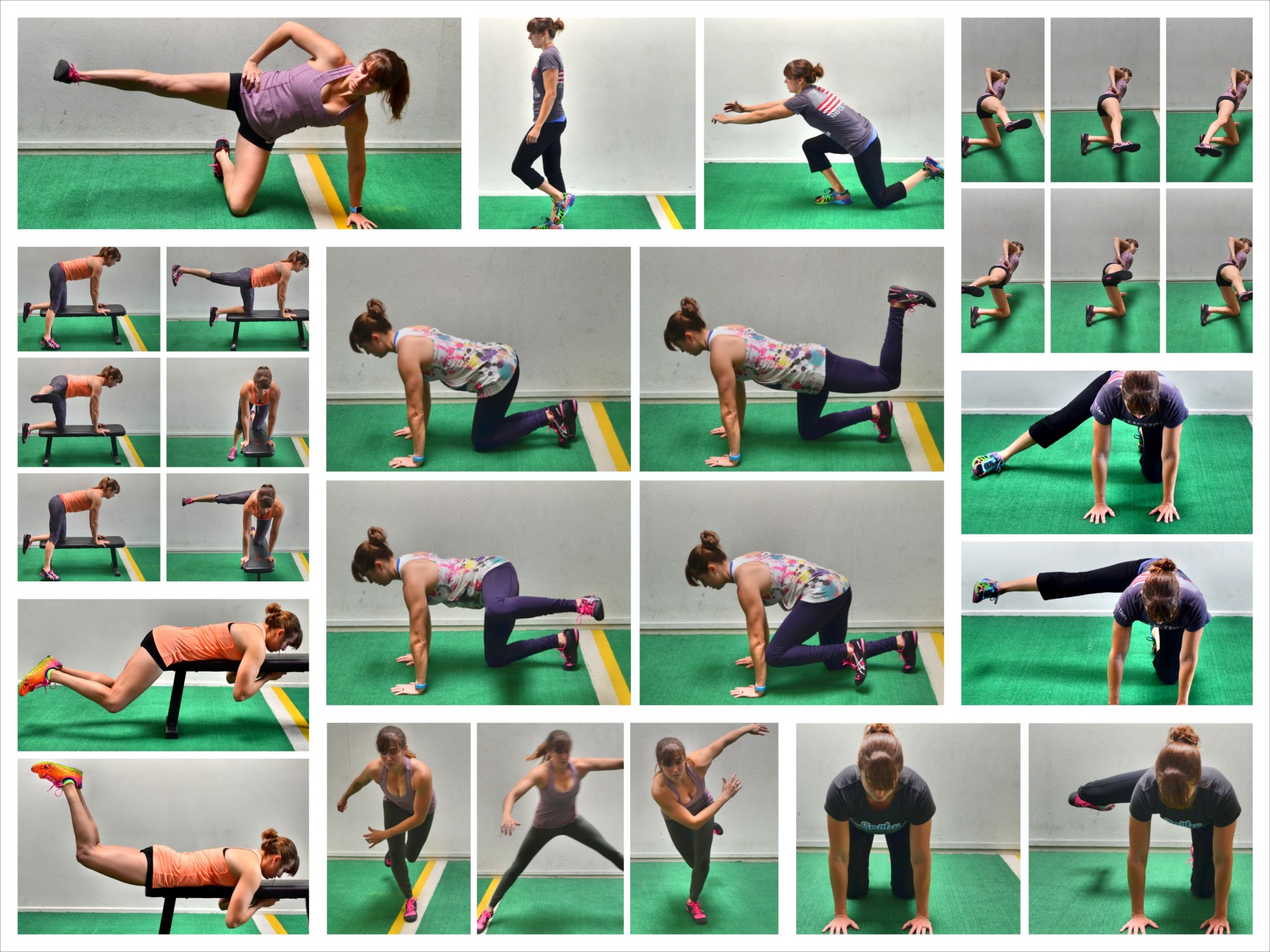
Credit: redefiningstrength.com
Glute Training For Special Groups
Some people need extra care when training glutes. For example:
Seniors
- Use lighter weights and higher reps.
- Focus on balance and stability.
- Try step-ups and glute bridges.
Teens
- Learn proper form first.
- Avoid heavy weights until ready.
Athletes
- Mix strength and power moves.
- Add plyometrics, like jump squats.
People With Injuries
- Start with bodyweight exercises.
- Avoid deep squats or heavy deadlifts.
- Consult a physical therapist.
How Long Does Glute Growth Take?
Building visible glutes takes time. Most people see progress in 8–12 weeks if they train consistently and eat well. Genetics, age, and training style affect results. Do not rush—focus on steady improvement.
Real insight: Some beginners notice changes in strength before shape. This is normal. Muscle growth comes after your body adapts.
Glute Training Myths
Many myths confuse people about glute workouts. Here are facts:
- Squats alone are not enough: You need hip thrusts and single-leg moves.
- Spot reduction is impossible: You cannot lose fat only in your glutes.
- Women will not get bulky: Glute training shapes, not bulks, most bodies.
- Cardio does not build glutes: Running helps health, but strength moves grow muscle.
Glute Training For Runners And Cyclists
Endurance sports use glutes, but they need extra strength work.
- Add hip thrusts and lunges to your routine.
- Focus on stability moves like clamshells.
- Stretch glutes often to prevent tightness.
How To Avoid Plateaus
If your glute progress stalls, try these:
- Change your exercises every 4–6 weeks.
- Add weight or reps.
- Try new moves, like cable kickbacks.
- Increase training days.
Tip: Plateaus are normal. Adjust your plan and stay patient.
Using Technology In Glute Training
Apps, trackers, and online videos help you train smarter.
- Use fitness apps to log workouts.
- Watch videos for form tips.
- Wear activity trackers to monitor steps and movement.
Insight: Technology helps with motivation and tracking, but do not rely only on numbers.
Glute Training For Home Workouts
You do not need a gym for strong glutes. Here is a home routine:
- Banded squats: 3 sets x 15 reps
- Step-ups (using stairs): 3 sets x 12 reps
- Glute bridges: 3 sets x 20 reps
- Clamshells: 3 sets x 15 reps each side
- Fire hydrants: 3 sets x 15 reps each side
Tip: Use household items for resistance, like water bottles or backpacks.
Best Recovery Practices For Glutes
Muscle recovery is as important as training.
- Sleep 7–9 hours per night.
- Use foam rollers to relax glutes.
- Stretch after workouts.
- Eat protein-rich snacks for muscle repair.
Non-obvious tip: Light walking or cycling helps blood flow and speeds recovery.
Science Behind Glute Growth
Muscle growth depends on resistance, nutrition, and rest. Studies show that hip thrusts activate glutes up to 1.5 times more than squats. Training glutes with full range and enough load is key. For more scientific details, you can read research at PubMed Central.
Frequently Asked Questions
How Often Should I Train My Glutes?
Most experts recommend 2–3 times per week for best results. This gives enough stimulus and recovery. Training too often can lead to fatigue and slow progress.
Can I Build Glutes Without Weights?
Yes, you can use bodyweight exercises like glute bridges, banded squats, step-ups, and clamshells. However, adding resistance with bands or household items helps faster growth.
How Long Until I See Results?
Most people notice strength changes in 4–6 weeks and shape changes in 8–12 weeks. Progress depends on consistency, nutrition, and genetics.
Do Squats Alone Build Strong Glutes?
Squats help, but hip thrusts and single-leg moves are better for glute growth. Combine squats with hip thrusts, lunges, and split squats for best results.
What Should I Eat For Glute Growth?
Eat protein-rich foods like lean meats, eggs, beans, and dairy. Aim for 1.2–2 grams of protein per kg of body weight. Also, get enough calories and healthy fats.

Credit: www.youtube.com
Final Thoughts
Building strong, toned glutes is possible for everyone with the right workout, form, and nutrition. Focus on exercises that target all glute muscles, use progressive overload, and track your progress. Avoid common mistakes like poor form and skipping single-leg moves.
Remember, consistency and patience bring results. Whether you want better shape, more power, or just healthier movement, glute training can help you reach your goals. Start today with the tips and routines from this guide, and enjoy the benefits of strong glutes in daily life, sports, and fitness.
