

Why Does My Tricep Hurt After Working Out? Causes and Solutions
Why Does My Tricep Hurt After Working Out
Many people experience tricep pain after exercising, especially after activities like weightlifting, push-ups, or sports that involve arm movements. You might wonder if this pain is normal or if it signals something more serious. Understanding why your tricep hurts can help you recover faster, avoid injuries, and improve your workout results. In this article, we’ll explore the causes of tricep pain after working out, how to recognize different types of pain, ways to prevent discomfort, and strategies for safe recovery.
What Is The Tricep And Why Does It Matter?
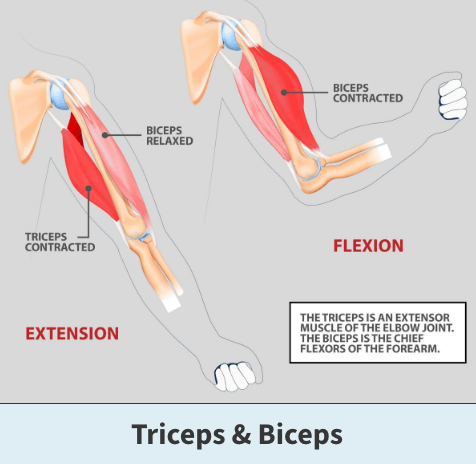
The tricep muscle sits at the back of your upper arm. It has three parts or “heads” — the long, lateral, and medial heads. The main job of the tricep is to extend your elbow, which means straightening your arm. This muscle is active during many daily movements, from pushing open a door to lifting objects overhead. In workouts, exercises like bench presses, dips, and tricep extensions target this muscle.
A healthy tricep is important for both strength and appearance. It helps balance your arm muscles, improves performance in sports, and prevents injuries. If your tricep hurts after working out, it could affect your ability to exercise, work, or even do simple tasks like reaching for something.
Common Causes Of Tricep Pain After Exercise
Tricep pain can have several causes. Some are normal, while others may need attention. Let’s look at the most frequent reasons:
1. Delayed Onset Muscle Soreness (doms)
One of the most common reasons for pain is DOMS. This soreness usually starts 12 to 24 hours after exercise and peaks in the next few days. DOMS happens when you do new movements, increase workout intensity, or use heavy weights. Tiny tears occur in the muscle fibers, which leads to inflammation and pain.
- Symptoms: Stiffness, tenderness, and dull pain in the tricep.
- Duration: Usually lasts 2–5 days.
2. Muscle Strain
A muscle strain is a more intense injury. This means you have overstretched or torn some fibers in the tricep. Strains can happen from lifting too much weight, poor technique, or not warming up.
- Symptoms: Sharp pain, swelling, weakness, and sometimes bruising.
- Duration: Mild strains heal in a few days, severe strains can take weeks.
3. Tendonitis
Tricep tendonitis is inflammation of the tendon where the muscle attaches to the elbow. It’s often caused by repeated stress, such as many push-ups or heavy bench presses.
- Symptoms: Aching, swelling near the elbow, pain with arm extension.
- Duration: Can last weeks, especially if not treated.
4. Improper Technique
If your exercise form is wrong, you may put extra stress on your tricep. For example, letting your elbows flare out during bench presses or dips increases strain.
- Symptoms: Soreness, sharp pain during certain movements.
- Duration: Pain continues if technique isn’t fixed.
5. Overuse
Doing too many tricep-focused exercises without rest can lead to overuse injuries. The muscle and tendon don’t get enough time to recover.
- Symptoms: Persistent soreness, fatigue, reduced performance.
- Duration: Pain lasts as long as overuse continues.
6. Nerve Issues
Sometimes, pain isn’t from the muscle itself, but from a nerve. Pinched nerves near the shoulder or elbow can cause tricep pain.
- Symptoms: Tingling, numbness, shooting pain down the arm.
- Duration: Depends on cause; may need medical attention.
7. Other Medical Conditions
Rarely, pain may come from conditions like arthritis, infection, or other health issues. These usually have additional symptoms.
- Symptoms: Swelling, warmth, fever, joint pain.
- Duration: Ongoing; needs doctor evaluation.
Credit: www.floridaortho.com
Recognizing The Type Of Tricep Pain
Understanding your pain helps you choose the right action. Here’s how to tell the difference:
| Type of Pain | Symptoms | Action Needed |
|---|---|---|
| DOMS | Dull, tender, stiff | Rest, gentle stretching |
| Strain | Sharp, swelling, bruising | Ice, rest, seek help if severe |
| Tendonitis | Aching near elbow, swelling | Rest, avoid aggravating moves |
| Nerve | Tingling, numbness, shooting pain | See a doctor |
Non-obvious insight: Beginners often confuse DOMS with strains. Strains usually have sharper pain and sometimes visible swelling, while DOMS is more general soreness.
How Exercise Choices Affect Tricep Pain
Different exercises place unique demands on the tricep. Let’s look at some popular movements:
| Exercise | Tricep Involvement | Risk of Pain |
|---|---|---|
| Bench Press | High | Moderate (if elbows flare out) |
| Push-up | Moderate | Low to Moderate |
| Tricep Extension | Very High | High (if too heavy or poor form) |
| Dips | Very High | High (shoulder and elbow stress) |
| Overhead Press | Medium | Low |
Some exercises are riskier because they put more stress on the tricep or involve awkward angles. For example, dips and tricep extensions can easily cause pain if performed incorrectly or with too much weight.
Common Mistakes That Lead To Tricep Pain
Many people get tricep pain because of avoidable mistakes. Here are frequent errors:
- Skipping Warm-Up: Not warming up increases injury risk. Muscles need gentle movement before hard work.
- Poor Technique: Wrong form, like flared elbows or fast reps, puts extra stress on the tricep.
- Overtraining: Doing tricep exercises daily without rest causes overuse injuries.
- Too Heavy Weights: Lifting more than you can handle strains the muscle and tendon.
- Ignoring Pain Signals: Working through pain can turn mild soreness into a serious injury.
- Not Stretching: Tight muscles are more likely to be injured.
- Sudden Changes in Routine: Jumping from light weights to heavy or adding new exercises too fast.
Practical advisor tip: If you feel sharp pain during a workout, stop the exercise. Continuing can make things worse.
Preventing Tricep Pain After Working Out
Prevention is always better than cure. Here’s how to keep your triceps healthy:
Warm Up Properly
A good warm-up increases blood flow and prepares your muscles. Try arm circles, light push-ups, or gentle stretching for 5–10 minutes before training.
Use Correct Technique
Focus on form rather than weight. Keep elbows close to your body during pressing movements. Control the speed of each rep.
Avoid Overtraining
Give your triceps at least 48 hours of rest between hard workouts. Mix up your routine so you’re not hitting the same muscles every day.
Stretch After Exercise
Stretching helps muscles recover. Hold tricep stretches for 20–30 seconds. This reduces tightness and soreness.
Gradually Increase Intensity
Build strength slowly. Increase weights, sets, or reps by small amounts. Sudden jumps in intensity lead to injuries.
Listen To Your Body
Pain is a warning. If you feel unusual discomfort, stop and rest. It’s better to lose one workout than risk weeks of injury.
Stay Hydrated
Muscles work better when hydrated. Drink water before, during, and after exercise.
Use Support When Needed
If you have weak elbows or past injuries, consider elbow sleeves or wraps for extra support.
Non-obvious insight: Many beginners believe more workouts equal faster gains. In reality, recovery is just as important as exercise. Muscles grow and repair during rest.

Credit: www.sports-injury-physio.com
How To Treat Tricep Pain At Home
If your pain is mild and feels like DOMS, you can manage it yourself. Here’s what helps:
Rest
Rest is the most important part. Avoid activities that stress the tricep until the pain goes away.
Ice
Apply ice packs for 15–20 minutes at a time. This reduces swelling and helps numb pain.
Compression
A compression sleeve can limit swelling and support the muscle.
Elevation
Keep your arm raised to reduce swelling, especially after intense workouts.
Gentle Stretching
Once the initial pain fades, light stretching can help restore movement.
Over-the-counter Medication
Pain relievers like acetaminophen or ibuprofen can help, but use them as directed.
Nutrition
Eat enough protein, vitamins, and minerals. These help muscle repair.
Straight-to-the-point helper tip: If you see bruising or can’t move your arm, visit a doctor. These signs point to a more serious injury.
When To See A Doctor About Tricep Pain
Most soreness goes away in a few days. But some signs mean you need medical help:
- Severe pain that doesn’t improve
- Swelling, redness, or warmth near the elbow
- Bruising or visible deformity
- Weakness or loss of arm function
- Numbness or tingling
- Fever or general illness
Doctors may use physical tests, X-rays, or MRI scans to check for serious injuries. Early treatment prevents long-term problems.

Credit: www.breathephysio.com
Long-term Solutions For Healthy Triceps
If you want strong, pain-free triceps, you need a smart routine. Here’s how to build lasting muscle health:
Balanced Training
Work all arm muscles, not just triceps. Balanced training prevents overuse and keeps joints stable.
Proper Recovery
Use rest days and recovery tools like foam rollers or massage.
Varied Exercises
Change your routine every few weeks. Use bodyweight, free weights, and machines for variety.
Regular Mobility Work
Include mobility drills for elbows and shoulders. Good joint movement protects muscles.
Monitor Progress
Track your workouts, weights, and soreness. This helps spot patterns and avoid overtraining.
Comparing Recovery Methods For Tricep Pain
Different recovery methods work for different types of pain. Here’s a comparison:
| Recovery Method | Best For | Effectiveness |
|---|---|---|
| Rest | All pain types | Very High |
| Ice | Strain, swelling | High |
| Stretching | DOMS, mild strain | Moderate to High |
| Compression | Swelling | Moderate |
| Medication | Severe soreness | Moderate |
| Physical Therapy | Chronic or severe pain | Very High |
Experience-based guide note: Not all pain needs medication. Sometimes, simple rest and stretching are more effective.
Tips For Safe Tricep Workouts
To avoid pain and injury, follow these proven tips:
- Warm up before every session
- Use proper form — ask a trainer if unsure
- Increase weight slowly
- Rest at least 48 hours between tricep workouts
- Stretch after training
- Avoid locking out elbows during exercises
- Stop at the first sign of sharp pain
- Use variety in your routine
- Stay hydrated
- Eat a balanced diet for muscle repair
Common mistake: Many people skip rest days, thinking it speeds up progress. This actually slows gains and increases injury risk.
Real-life Examples Of Tricep Pain
Let’s look at some practical cases:
- Case 1: Sarah started doing tricep extensions with heavy weights. After two sessions, she felt sharp pain near her elbow. She continued training, hoping it would go away. The pain worsened, and her arm became swollen. A doctor diagnosed tendonitis. Sarah had to rest, ice her arm, and start physical therapy.
- Case 2: John added dips to his routine. He felt soreness the next day — a dull, stiff pain. He rested, stretched, and the pain faded after three days. This was normal DOMS.
- Case 3: Mike felt tingling and numbness in his tricep after intense bench presses. He also noticed his grip was weak. He saw a doctor and learned he had a pinched nerve. Recovery needed special exercises and rest.
These examples show how the type of pain and response can vary.
How Age, Fitness Level, And Other Factors Influence Tricep Pain
Your risk for tricep pain changes based on several factors:
- Age: Older people have less flexible tendons and slower recovery. They are more prone to strains and tendonitis.
- Fitness Level: Beginners may get DOMS more often because their muscles aren’t used to the stress. Advanced athletes risk overuse injuries.
- Previous Injuries: Old injuries can make the tricep weaker and more likely to hurt.
- Health Conditions: Diabetes, arthritis, or other health issues can affect muscle healing.
Calm expert tip: Adjust your workout plan based on your age and history. If you’ve been injured before, use lighter weights and pay extra attention to form.
The Role Of Rest And Recovery In Muscle Health
Muscles grow stronger during rest, not during exercise. Every workout creates tiny tears in the muscle fibers. Rest and nutrition repair these fibers, making them bigger and stronger.
If you skip recovery, your muscles stay damaged. This leads to pain, poor performance, and higher risk of injury. Signs of poor recovery include:
- Constant soreness
- Weakness
- Trouble sleeping
- Mood changes
Plan rest days and recovery activities just like you plan workouts.
Nutrition For Tricep Recovery
Food helps your muscles heal. Focus on:
- Protein: Builds and repairs muscle. Include chicken, fish, eggs, beans, or tofu.
- Carbohydrates: Fuel for workouts and recovery. Choose whole grains, fruits, and vegetables.
- Healthy fats: Support joint health. Use olive oil, nuts, seeds, and avocado.
- Vitamins and minerals: Calcium, magnesium, and vitamin D aid muscle function.
Friendly mentor tip: After workouts, eat a meal with protein and carbs within two hours. This speeds up recovery.
How To Return To Exercise After Tricep Pain
When the pain is gone, return slowly:
- Start with light weights and fewer reps.
- Focus on perfect form.
- Avoid exercises that caused pain.
- Increase intensity gradually.
- Watch for any signs of pain.
If pain returns, stop and rest. Don’t rush your comeback.
When Tricep Pain Means A Serious Injury
Most soreness fades quickly. But some signs suggest a bigger problem:
- Sudden, sharp pain during exercise
- Popping sound in the arm
- Severe weakness or inability to move the arm
- Large swelling or bruising
- Numbness or tingling
These could mean a torn muscle, tendon rupture, or nerve injury. Get medical help right away.
Key Takeaways For Pain-free Triceps
- Soreness after exercise is normal, but sharp or lasting pain needs attention.
- Proper warm-up, technique, and rest prevent injuries.
- If pain is severe, see a doctor.
- Nutrition and recovery are as important as training.
- Adjust your routine for age, fitness, and injury history.
For more information about muscle injuries and recovery, you can visit Mayo Clinic.
Frequently Asked Questions
Why Does My Tricep Hurt More After Certain Exercises?
Some movements place more strain on the tricep, especially if the form is wrong or weight is too heavy. Exercises like dips, tricep extensions, and bench presses can cause pain if performed incorrectly. Always check your technique and use manageable weights.
Is It Normal For Triceps To Be Sore After Working Out?
Yes, mild soreness is common, especially after new or intense workouts. This is called DOMS and means your muscles are adapting and getting stronger. If the pain is sharp or lasts more than a week, it could be an injury.
How Can I Tell If My Tricep Pain Is Serious?
Serious pain is often sharp, comes with swelling or bruising, or affects movement. If you feel numbness, tingling, or weakness, or cannot use your arm, see a doctor right away. Mild soreness that fades with rest is usually safe.
What Should I Do If My Tricep Hurts After Every Workout?
If your tricep hurts often, review your workout plan. Check your technique, lower weights, and add more rest days. Stretch after exercise and stay hydrated. If pain continues, consult a healthcare professional.
How Long Should I Rest After Tricep Pain?
Rest until the pain fades completely. For mild soreness, 2–5 days is usually enough. For strains or tendonitis, you may need longer. Returning too soon can make the injury worse. Always listen to your body.
Tricep pain after working out is common, but you can manage and prevent it with smart habits. Understanding your pain, using good technique, and prioritizing recovery will keep your arms strong and healthy for the long term.
