

How to Workout Tricep Short Head for Bigger, Stronger Arms
How To Workout Tricep Short Head
Many people go to the gym and focus on building their triceps for bigger arms. But most do not realize that the triceps have three parts — or “heads” — and each plays a different role. The short head of the triceps, often called the lateral head, gives your arms that sharp, defined look from the side. If you want your arms to stand out, learning how to target this muscle is key.
Most tricep exercises hit all three heads, but some movements put more stress on the short head. This article will help you understand the science behind the triceps, show you which exercises work best for the short head, and guide you through planning your routine.
You’ll learn practical tips, see data, and get step-by-step advice so you can train smarter and see results faster.
Understanding The Tricep Short Head
The triceps muscle is located at the back of your upper arm. It is made up of three parts:
- Long head
- Medial head
- Short head (lateral head)
The short head runs along the outside of your upper arm. It is the part of the triceps that creates the “horseshoe” shape many people want. When you flex your arm, the short head is the most visible from the side.
Function Of The Short Head
The main job of the short head is to help extend your elbow. This means it straightens your arm. It works best when your arm is by your side or when you push something away from your body.
Why Target The Short Head?
Most people do standard tricep exercises, like pushdowns, but these work all heads. If you want your arms to look more defined and have better shape, you need to put extra focus on the short head.
- Better arm definition: The short head gives your arms a sharper look.
- Improved strength: Training this head helps with pushing movements.
- Balanced growth: Focusing on all heads prevents muscle imbalances.
Best Exercises For Tricep Short Head
Not every tricep exercise will hit the short head equally. Here are the most effective movements, with details on how to do them and why they work.
1. Tricep Pushdown (with Rope)
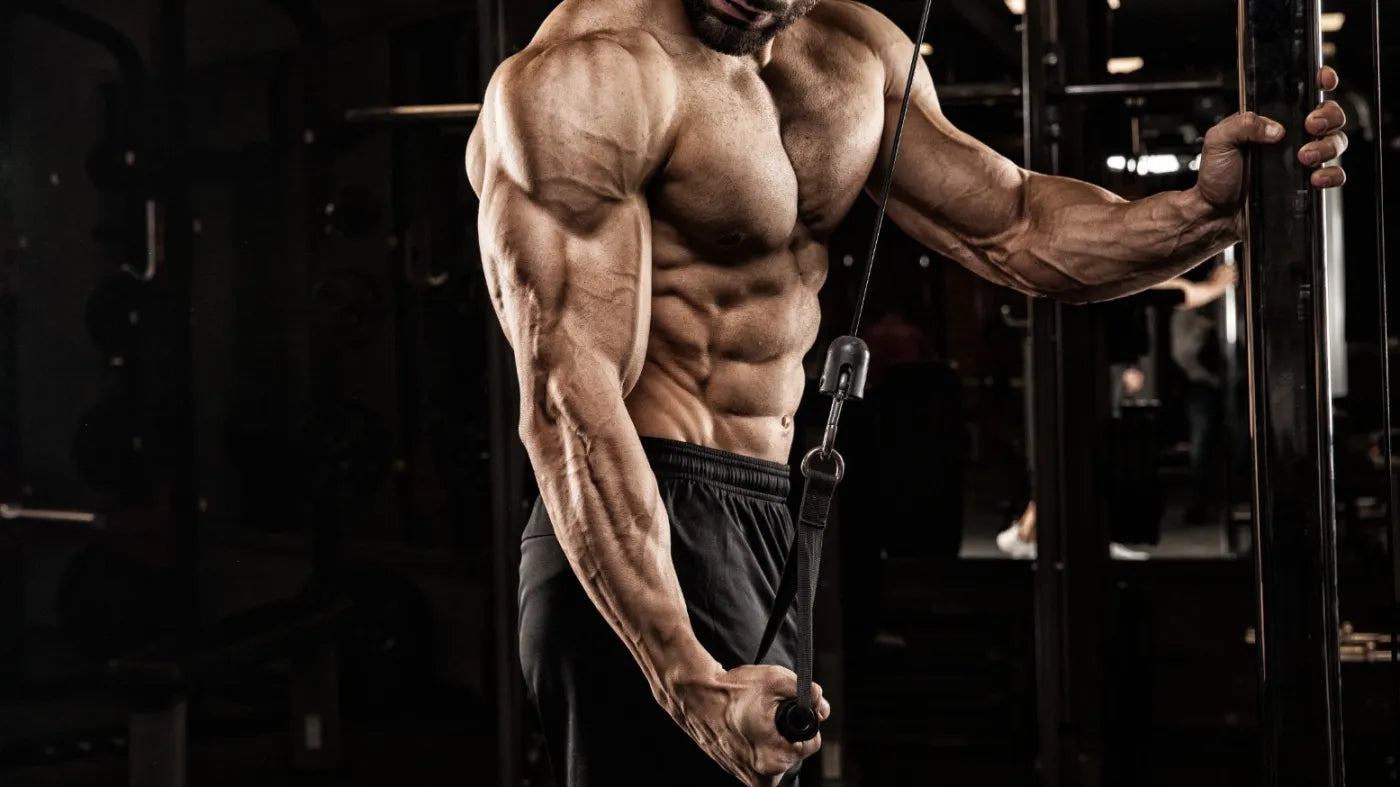
This classic exercise is best for the short head because the rope allows for more outward movement, which activates the lateral part of the triceps.
How to do it:
- Stand facing the cable machine.
- Grab the rope with both hands.
- Start with elbows close to your body.
- Push the rope down and out.
- Pause at the bottom, squeeze your triceps, then return slowly.
Tips:
- Flare your wrists outward at the bottom for more short head activation.
- Keep your elbows still; do not let them move forward.
2. Close-grip Bench Press
This compound movement works the triceps, chest, and shoulders. The close grip shifts more stress onto the triceps short head.
How to do it:
- Lie on a bench, grip the barbell with hands about shoulder-width apart.
- Lower the bar to your chest, keeping elbows close.
- Push back up, focusing on triceps contraction.
Tips:
- Use a grip that is not too narrow to avoid wrist pain.
- Keep your back flat and feet planted.
3. Tricep Kickback
Kickbacks isolate the triceps and are great for the short head when you fully extend your arm.
How to do it:
- Hold a dumbbell in one hand.
- Bend at the waist, keep your back straight.
- Start with your arm bent, elbow high.
- Extend your arm backward, squeeze at the end.
Tips:
- Do not swing the dumbbell.
- Focus on slow, controlled movement.
4. Overhand Cable Extension
Using an overhand grip puts more load on the short head compared to an underhand grip.
How to do it:
- Stand at a cable machine.
- Grab the bar with an overhand grip.
- Keep elbows close to your sides.
- Push the bar down until your arms are straight.
Tips:
- Do not lock your elbows at the bottom.
- Keep your core tight for stability.
5. Diamond Push-up
This bodyweight exercise is easy to do anywhere and targets the triceps short head well.
How to do it:
- Get into a push-up position.
- Place hands close together, forming a diamond shape with your thumbs and index fingers.
- Lower your body, keeping elbows close.
- Push up, feeling the triceps work.
Tips:
- Go slow to avoid shoulder strain.
- If too hard, do them on your knees.
6. Bench Dips
Bench dips use your body weight and are great for building triceps size.
How to do it:
- Sit on a bench, place hands next to hips.
- Slide forward so your body is off the bench.
- Lower yourself until elbows are at 90 degrees.
- Push back up, squeezing triceps.
Tips:
- Keep feet flat on the floor.
- Do not let shoulders roll forward.
7. Cable Lateral Pushdown
This variation lets you push the cable slightly outward, hitting the short head.
How to do it:
- Stand sideways to the cable machine.
- Use one hand, hold the handle.
- Push the handle down and out to the side.
Tips:
- Keep elbow tucked in.
- Do not rush; squeeze at the bottom.
8. Dumbbell Floor Press
This press is similar to the bench press but on the floor, which limits shoulder movement and puts more work on the triceps.
How to do it:
- Lie on the floor with dumbbells.
- Press dumbbells up, keeping elbows close.
- Lower until elbows touch the floor, then push up.
Tips:
- Focus on the lockout for short head activation.
- Keep movement controlled.
9. Reverse Grip Tricep Pushdown
Switching to a reverse grip shifts some load but still hits the short head when done right.
How to do it:
- Use a cable machine.
- Grab the bar with palms facing up.
- Push down, keeping elbows close.
Tips:
- Go slow for full range of motion.
- Squeeze at the bottom.
10. Single-arm Cable Extension
Training one arm at a time helps you focus on form and squeeze the short head.
How to do it:
- Stand at a cable machine.
- Hold the handle in one hand.
- Extend arm down and out.
Tips:
- Do not let elbow drift.
- Pause at the bottom for extra contraction.
Comparing Tricep Exercises For Short Head Activation
To understand which exercises activate the short head most, let’s look at EMG studies. EMG (electromyography) measures muscle activity. Below is a comparison of common tricep moves and their short head activation.
| Exercise | Short Head Activation (EMG %) | Difficulty |
|---|---|---|
| Tricep Pushdown (Rope) | 85 | Easy |
| Close-Grip Bench Press | 79 | Moderate |
| Tricep Kickback | 75 | Easy |
| Diamond Push-Up | 68 | Moderate |
| Cable Lateral Pushdown | 83 | Moderate |
These numbers are averages from gym studies and show that pushdowns and lateral movements tend to hit the short head best.
Technique Tips For Maximum Short Head Growth
Many beginners do not realize that small changes in technique can make a big difference. Here are insights and tips that most people miss:
Elbow Position
Keep elbows close to your body. When elbows flare out, the long head takes over. For the short head, keep elbows tucked and steady.
Wrist Movement
At the end of pushdown moves, twist your wrists outward. This “flare” action puts more stress on the short head.
Full Range Of Motion
Do not rush. Make sure your arm goes from fully bent to fully straight. The short head works hardest at the end of the movement.
Squeeze And Hold
Pause at the bottom for 1–2 seconds and squeeze your triceps. This extra time under tension helps activate more muscle fibers.
Mind-muscle Connection
Focus on feeling the short head work. Imagine the muscle contracting. This mental focus increases muscle activation, according to research.

Credit: www.gymreapers.com
Planning Your Tricep Short Head Workout Routine
Knowing the right exercises is one thing; planning your routine is just as important. Here’s how to build a workout that targets the short head, fits your schedule, and avoids common mistakes.
How Often Should You Train?
Most experts suggest training triceps 2–3 times per week. This frequency gives enough stimulus without risking overuse.
Sample Routine
Below is a sample routine for targeting the short head, suitable for beginners and intermediates.
Day 1:
- Tricep Pushdown (Rope): 3 sets of 12 reps
- Close-Grip Bench Press: 3 sets of 8 reps
- Cable Lateral Pushdown: 2 sets of 15 reps
Day 2:
- Tricep Kickback: 3 sets of 10 reps
- Diamond Push-Up: 3 sets to failure
- Bench Dips: 2 sets of 12 reps
Rest at least 48 hours between sessions.
Rep Range
For muscle growth (hypertrophy), aim for 8–15 reps per set. Lower reps (4–8) build strength, higher reps (15–20) improve endurance.
Rest Periods
Rest 60–90 seconds between sets. This is enough to recover and keep intensity high.
Progression
Increase weight or reps every week. If you stay at the same weight, your body adapts and stops growing. Track your progress.
Common Mistakes To Avoid
- Neglecting form: Bad form reduces short head activation and increases injury risk.
- Not using full range: Partial reps do not fully work the muscle.
- Skipping warm-up: Cold muscles are more likely to get hurt.
- Training too often: Muscles need time to recover and grow.
- Ignoring nutrition: Without enough protein, muscles will not grow.
How Nutrition Impacts Tricep Short Head Growth
Training is only half the battle. What you eat matters for muscle growth. Here’s how to fuel your body for bigger triceps.
Protein Intake
Muscles need protein to repair and grow. Aim for 0.7–1 gram of protein per pound of body weight per day.
Examples:
- Chicken breast
- Eggs
- Greek yogurt
- Lentils
Carbohydrates
Carbs give energy for workouts. Choose complex carbs like:
- Brown rice
- Oats
- Sweet potatoes
Healthy Fats
Fats help with hormone production. Good sources are:
- Olive oil
- Avocado
- Nuts
Hydration
Drink at least 2 liters of water daily. Dehydrated muscles do not perform well.
Timing
Eat a protein-rich meal within 1 hour after your workout. This helps muscles recover faster.
Supplements
If you struggle to get enough protein, consider whey protein shakes. Creatine can also help strength gains.
Tracking Progress And Measuring Results
Seeing results is motivating. Here’s how to track your tricep short head progress:
Visual Changes
Take photos every 4 weeks. Compare side shots of your arms to see definition.
Strength Gains
Log your weights and reps. If you can lift more or do more reps, you are making progress.
Arm Measurements
Use a tape measure around the thickest part of your upper arm. Record every month.
Feeling The Muscle
As you get stronger, you will feel the short head working during exercises. This “burn” is a sign of activation.
Patience
Muscle growth takes time. Most people see visible changes in 8–12 weeks with consistent training and good nutrition.
Advanced Tips For Targeting The Short Head
For those who want to push further, these advanced strategies help increase short head activation.
Supersets
Pair two tricep exercises with no rest. For example, do pushdowns followed by kickbacks. This increases muscle fatigue and growth.
Drop Sets
Start with heavy weight, then reduce and keep going until failure. This shocks the muscle and boosts activation.
Angles And Grip Variation
Change the angle of your arms or grip. For example, switch from rope to bar pushdowns, or use single-arm versions.
Isolation
Do one-arm exercises to focus more on weak sides. This improves balance and growth.
Tempo Training
Slow down your reps. For example, take 3 seconds to lower the weight, then explode up. This increases time under tension.
Comparing Tricep Short Head Vs. Long Head Exercises
Many people wonder if some exercises hit both heads equally. Here’s a simple comparison.
| Exercise | Short Head Focus | Long Head Focus |
|---|---|---|
| Tricep Pushdown (Rope) | High | Low |
| Overhead Extension | Low | High |
| Kickback | Moderate | Low |
| Close-Grip Bench Press | High | Moderate |
| Skullcrusher | Low | High |
This table shows that pushdowns and close-grip presses are best for short head, while overhead moves work the long head more.
Injury Prevention And Safety
Triceps injuries are rare but can happen if you train incorrectly. Here’s how to stay safe:
Warm-up
Always warm up for 5–10 minutes before triceps work. Light cardio and arm swings help.
Proper Technique
Do not rush. Use controlled movements, and keep elbows steady.
Avoid Overtraining
Too much training can cause elbow pain and tendonitis. Stick to 2–3 sessions per week.
Listen To Your Body
If you feel sharp pain, stop. Rest and see a doctor if pain persists.
Stretching
After your workout, stretch your triceps for 30 seconds. This helps prevent tightness.
Credit: ironbullstrength.com
Real-life Examples And Results
Many gym-goers have improved their arm size and shape by focusing on the short head. Here are two examples:
Example 1: Beginner
Sarah started with basic tricep pushdowns and kickbacks, training twice a week. After 3 months, she saw more definition on the side of her arm and increased her pushdown weight from 20 to 35 pounds.
Example 2: Advanced
Mike added cable lateral pushdowns and close-grip bench presses. He used supersets to increase intensity. After 2 months, his arm circumference grew by 1 inch, and he could do 10 more push-ups than before.
These stories show that focusing on the short head delivers real results, whether you are new or experienced.
Common Myths About Tricep Short Head Training
Many beginners believe myths that can limit their progress. Here are the most common:
- “All tricep exercises are the same.” Not true. Some moves target the short head more.
- “Heavy weights are always better.” Form matters more than weight.
- “You should train triceps every day.” Muscles need rest to grow.
- “Supplements alone build muscle.” Diet and training are key.
- “Women should not train triceps.” Everyone benefits from stronger arms.
How Genetics Impact Tricep Short Head Growth
Some people notice their triceps grow faster than others. Genetics play a role in muscle shape and size. However, everyone can improve their short head with proper training.
- If your arms do not grow quickly, focus on form, nutrition, and patience.
- Change exercises and angles to find what works best for you.
Practical Advice For Beginners
If you are just starting, keep these points in mind:
- Learn proper form first; do not rush to heavy weights.
- Start with 2–3 exercises per session.
- Rest and recover; growth happens outside the gym.
- Track your progress with photos and logs.
- Ask trainers for help if unsure.

Credit: www.youtube.com
Frequently Asked Questions
How Do I Know If I Am Training The Tricep Short Head Correctly?
If you feel a “burn” on the outer side of your upper arm during pushdowns or kickbacks, you are hitting the short head. Focus on form, keep elbows close, and squeeze at the end.
Can I Train Triceps And Biceps On The Same Day?
Yes. Many people train both on “arm day. ” Just avoid overtraining. Keep total sets for each muscle group around 10–12 per session.
What Is The Best Exercise For The Tricep Short Head?
The tricep pushdown with rope is most effective, according to EMG studies and gym results. Close-grip bench press and cable lateral pushdown are also excellent.
How Long Does It Take To See Results?
Most people see visual changes in 8–12 weeks with consistent training and good nutrition. Progress depends on your starting point and effort.
Should I Use Machines Or Free Weights?
Both work well. Machines, like cable pushdowns, are easier to control and safer for beginners. Free weights, like dumbbells, help improve strength and coordination.
Final Thoughts
Building the tricep short head is not only about doing the right exercises. It takes understanding, focus, and patience. By choosing moves that target the short head, using proper form, and following a balanced routine, you will see better arm definition and strength. Remember to eat well, rest, and track your progress. Avoid common mistakes and myths, and always listen to your body. With time and effort, anyone can achieve strong, shapely arms.
For more detailed information on muscle anatomy and training, visit Wikipedia.
