

Which Tricep Exercises Work the Long Head Best for Mass?
Which Tricep Exercises Work The Long Head
Building well-developed triceps is often more challenging than many expect. Most people focus on the visible muscle on the back of the upper arm, hoping for those defined lines and fuller arms. But the secret to truly impressive triceps lies in understanding the different parts of this muscle group—and knowing which exercises target each one. The long head of the triceps is especially important. If you want your arms to look bigger from every angle, you can’t ignore it.
Many gym-goers unknowingly miss the long head by repeating the same exercises with little variety. This article will help you break that cycle. Here, you'll discover which tricep exercises actually work the long head, how to perform them for best results, and the science behind their effectiveness.
Whether you’re a beginner or have years of training, these insights will help you avoid wasted effort and see real progress.
Understanding Triceps Anatomy
Before jumping into the best exercises, it's important to understand the structure of your triceps. The triceps brachii has three separate “heads,” or parts:
- Long head
- Lateral head
- Medial head
The long head is the biggest section and runs along the back of your arm. It starts from your shoulder blade (scapula) and attaches to your elbow. This unique origin means it can be worked in ways the other two heads can’t.
Why does this matter? A well-trained long head adds mass and shape to your upper arm, especially when viewed from the side or behind. It also plays a key role in overhead movements and supports overall arm strength.
Why Most Triceps Exercises Miss The Long Head
Many classic tricep moves, like pushdowns or close-grip bench presses, mostly target the lateral and medial heads. These exercises don’t stretch the long head enough or position your arm in a way that fully activates it. To hit the long head, you need exercises where your elbow is above or behind your head, stretching the long head during the movement.
Key Principles For Long Head Activation
To get the most out of your triceps training, you need to adjust your routine in a few smart ways:
- Use Overhead Positions: The long head is best worked when your arms are overhead or your shoulders are flexed.
- Include Full Range of Motion: Deep stretches and full extensions help activate the long head.
- Focus on Form: Small mistakes in positioning can shift the work away from the long head.
- Balance Your Routine: Don’t neglect the lateral or medial heads, but give special attention to the long head if you want bigger arms.
Top Tricep Exercises For The Long Head
Some exercises are better than others for building the long head. Below are the most effective ones, how to perform them, and what makes each unique.
1. Overhead Triceps Extension (dumbbell Or Cable)
This is one of the best moves for the long head because it puts the arm overhead, stretching the muscle from the shoulder.
- How to do it: Sit or stand holding a dumbbell with both hands. Lift it above your head, then bend your elbows to lower the weight behind your head. Extend your arms fully to return to the top.
- Tip: Keep your elbows close to your head for maximum stretch. Go slow to avoid swinging.
Common Mistakes
- Letting elbows flare out reduces long head tension.
- Using too much weight and cutting the range of motion.
2. Incline Skullcrusher
This is a twist on the classic skullcrusher but done on a bench set at a slight incline. It provides a deeper stretch for the long head.
- How to do it: Lie back on an incline bench (about 30–45 degrees). Hold an EZ bar or dumbbells above your chest. Lower the weight behind your head, keeping your upper arms steady. Extend back up.
- Tip: Move the bar behind your head, not toward your face, for more long head activation.
3. Overhead Cable Triceps Extension (rope)
Cables give constant tension and let you adjust the angle easily.
- How to do it: Attach a rope to a low cable pulley. Grab the rope, turn away from the machine, and bring your hands overhead. Extend your arms forward.
- Tip: Squeeze at the top and control the negative (lowering) phase.
4. Single-arm Overhead Dumbbell Extension
This single-arm move helps you focus on each side and fix muscle imbalances.
- How to do it: Hold a dumbbell in one hand, lift it overhead, and bend your elbow to lower it behind your head. Extend up.
- Tip: Keep your upper arm still; only move your forearm.
5. Lying Triceps Extension (french Press)
Another classic, but with careful positioning, it can target the long head very well.
- How to do it: Lie flat on a bench with a barbell or EZ bar. Lower the weight toward your head, allowing your elbows to move slightly backward. Extend back up.
- Tip: Don’t lock your elbows at the top; keep tension on the muscle.
6. Triceps Kickback (with Arm Behind Body)
This move, when done with the upper arm lifted behind your torso, gives the long head a final squeeze.
- How to do it: Bend at the waist with a dumbbell in one hand. Raise your upper arm until it’s behind your body, then extend your elbow fully.
- Tip: Pause at the end for a strong contraction.
7. Close-grip Push-up With Hands Overhead
A bodyweight variation that can be done anywhere. Hands are placed slightly above shoulder level.
- How to do it: Set up as for a regular push-up but move your hands a bit forward. Keep elbows close to your sides as you push up and down.
- Tip: This angle stretches the long head, especially if you keep your body straight.
8. Overhead Barbell Triceps Extension
Good for heavy loading, which helps build strength and size.
- How to do it: Stand or sit with a barbell overhead. Lower it behind your head, then press up. Keep core tight.
- Tip: Grip should be comfortable—not too wide, not too narrow.
9. Incline Dumbbell Triceps Extension
Works similar to the skullcrusher but allows for more stretch and less shoulder strain.
- How to do it: Lie on an incline bench, hold dumbbells above your chest, and lower them behind your head. Extend up.
- Tip: Use lighter weights to start; the stretch is intense.
10. Dumbbell Pullover (with Triceps Focus)
When done with a focus on elbow movement, this classic chest move can also hit the triceps long head.
- How to do it: Lie back on a bench with a dumbbell held with both hands. Lower the weight behind your head, then pull it back up, extending at the elbows.
- Tip: Don’t turn it into a lat exercise—keep elbows slightly bent and focus on triceps.
11. Overhead Band Triceps Extension
Great for home or travel workouts.
- How to do it: Stand on a resistance band, hold the other end overhead, and extend your arms. Slowly return to the start.
- Tip: Adjust band length for more or less resistance.
Comparing Effectiveness: Exercises For Long Head Activation
Research and EMG (electromyography) studies show that certain movements hit the long head better. Here’s a quick comparison of some top choices:
| Exercise | Long Head Activation | Equipment Needed |
|---|---|---|
| Overhead Dumbbell Extension | Very High | Dumbbell |
| Incline Skullcrusher | High | EZ Bar/Dumbbells |
| Triceps Kickback | Moderate | Dumbbell |
| Pushdown | Low | Cable Machine |
| Overhead Cable Extension | Very High | Cable Machine |
As you can see, overhead extensions consistently show the most activation for the long head, while classic pushdowns do not.
How To Structure Your Triceps Workout
You can’t just do one exercise and expect great results. It’s important to build a balanced routine that works all parts of the triceps, but with special attention on the long head.
Example Triceps Routine Focusing On Long Head
- Overhead Dumbbell Extension: 3 sets of 10–12 reps
- Incline Skullcrusher: 3 sets of 8–10 reps
- Rope Overhead Cable Extension: 3 sets of 12–15 reps
- Triceps Kickback: 2 sets of 15 reps
Tips For Better Results
- Start with compound exercises: Do overhead movements before you’re tired.
- Vary your grip and angle: Small changes can shift focus to different triceps heads.
- Use full range: Don’t cut the stretch short.
- Control every rep: Rushing reduces effectiveness.
Common Mistakes That Limit Long Head Growth
Many people make mistakes that hold back their progress. Watch for these issues:
- Not training overhead: Only doing pushdowns or dips misses the long head.
- Using too much weight: Sacrificing form for heavier loads leads to injury and poor activation.
- Shortening the movement: Stopping short of a full stretch means the long head isn’t worked fully.
- Neglecting warmup: Jumping into heavy extensions cold can risk injury.
Advanced Techniques To Boost Long Head Gains
Once you’ve mastered the basics, you can push your progress further with advanced methods.
1. Rest-pause Sets
After reaching failure, rest 10–15 seconds, then do more reps with the same weight. This forces the long head to work harder.
2. Slow Negatives
Lower the weight slowly (3–4 seconds) on each rep. This increases muscle tension and growth.
3. Supersets
Pair overhead exercises with another triceps move, like overhead extensions followed by kickbacks. This maximizes fatigue and muscle activation.
4. Stretch Emphasis
At the bottom of an overhead extension, pause for 2 seconds. The long head responds well to stretch and time under tension.
How Long Head Training Changes Arm Size And Shape
Some people wonder if focusing on the long head will really change their arms. The answer is yes. The long head forms most of the triceps’ volume, especially the part that hangs below the arm when flexed. Well-developed long heads make your arms look fuller and rounder, even from the front.
Data On Triceps Contribution To Arm Size
Studies suggest that the triceps make up about two-thirds of your upper arm’s mass. Of that, the long head is the largest section. So, if you want bigger arms, training biceps alone is not enough—the triceps long head is your secret weapon.

Credit: 1stphorm.com
Best Equipment For Long Head Triceps Training
You don’t need a fancy gym to hit the long head, but some tools make it easier.
| Equipment | Best For | Example Exercise |
|---|---|---|
| Dumbbells | Home workouts, single-arm training | Overhead Dumbbell Extension |
| Cable Machine | Constant tension, adjustable angle | Rope Overhead Extension |
| EZ Bar | Wrist comfort, heavy loads | Incline Skullcrusher |
| Resistance Bands | Travel, variety | Overhead Band Extension |
| Bench (Flat/Incline) | Support, new angles | Incline Skullcrusher |
Try mixing equipment to keep your workouts interesting and effective.
Sample 4-week Long Head Focus Program
To see real results, you need a plan. Here’s a simple 4-week schedule for building your long head. Add these workouts to your usual upper body routine.
Week 1–2: Foundation
- Overhead Dumbbell Extension: 3x12
- Incline Skullcrusher: 3x10
- Triceps Kickback: 2x15
Week 3–4: Intensity
- Overhead Cable Extension: 4x10 (try rest-pause on last set)
- Incline Dumbbell Extension: 3x12 (add slow negatives)
- Close-Grip Push-Up (hands overhead): 2x max reps
Rest 60–90 seconds between sets.
Practical tip: Track your weights and reps each week. Aim to add a little weight or one more rep every session. Progress matters more than changing exercises.

Credit: www.youtube.com
How To Avoid Long Head Overuse And Injury
Overhead triceps exercises are powerful but can strain the elbows or shoulders if done incorrectly.
Prevention strategies:
- Warm up with light weights or resistance bands
- Do not lock elbows harshly at the top of each rep
- Use a comfortable grip that does not stress your wrists
- If you feel pain in your shoulder or elbow, stop and rest
Many beginners push through discomfort, thinking it’s normal. But sharp pain is a warning sign. Listen to your body.
Who Should Prioritize Long Head Training?
While all lifters benefit from balanced triceps, certain people should focus extra on the long head:
- Bodybuilders: For complete arm shape and symmetry.
- Athletes: Overhead strength aids sports like basketball, volleyball, and swimming.
- Anyone with “flat” arms: If your arms look big from the front but not the side, your long head is probably under-trained.
Triceps Training For Women
Many women avoid triceps exercises, fearing bulky arms. But the truth is that training the long head helps with arm definition and supports overhead movements, which are common in daily life. Overhead triceps moves will not make your arms “too big,” but they will make them stronger and more toned.
Nutrition Tips For Muscle Growth
No matter how good your workout is, you won’t see results without the right nutrition.
- Eat enough protein: Aim for at least 0.8 grams per pound of body weight daily.
- Hydrate well: Muscles are 70% water. Dehydration hurts performance.
- Don’t fear carbs: Carbs fuel your workouts and help with recovery.
- Add healthy fats: For hormone support and joint health.
Stretching And Mobility For Healthy Triceps
Tight triceps limit your range of motion and can cause elbow pain. Add these stretches to your routine:
- Overhead triceps stretch: Raise one arm overhead, bend the elbow, and use your other hand to gently push back.
- Cross-body shoulder stretch: Pull your straight arm across your chest and hold.
Hold each stretch for at least 20–30 seconds after your workout.
When To Change Up Your Triceps Routine
If your progress stalls, it might be time to switch up your exercises, reps, or equipment. Signs you need a change:
- No increase in reps or weight for 2–3 weeks
- Boredom or lack of motivation
- Elbow or shoulder pain
Try swapping in a new long head exercise or adjusting the angle. Even small changes help break through plateaus.
Triceps Long Head Training For Beginners
If you’re just starting, focus on learning proper form, not lifting heavy. Here’s a simple plan:
- Overhead Dumbbell Extension: 2x10
- Incline Skullcrusher: 2x10
- Triceps Kickback: 2x12
Rest at least one day between triceps workouts. Mastering technique now will prevent injury and set you up for bigger gains later.
Real-world Example: Progress From Long Head Training
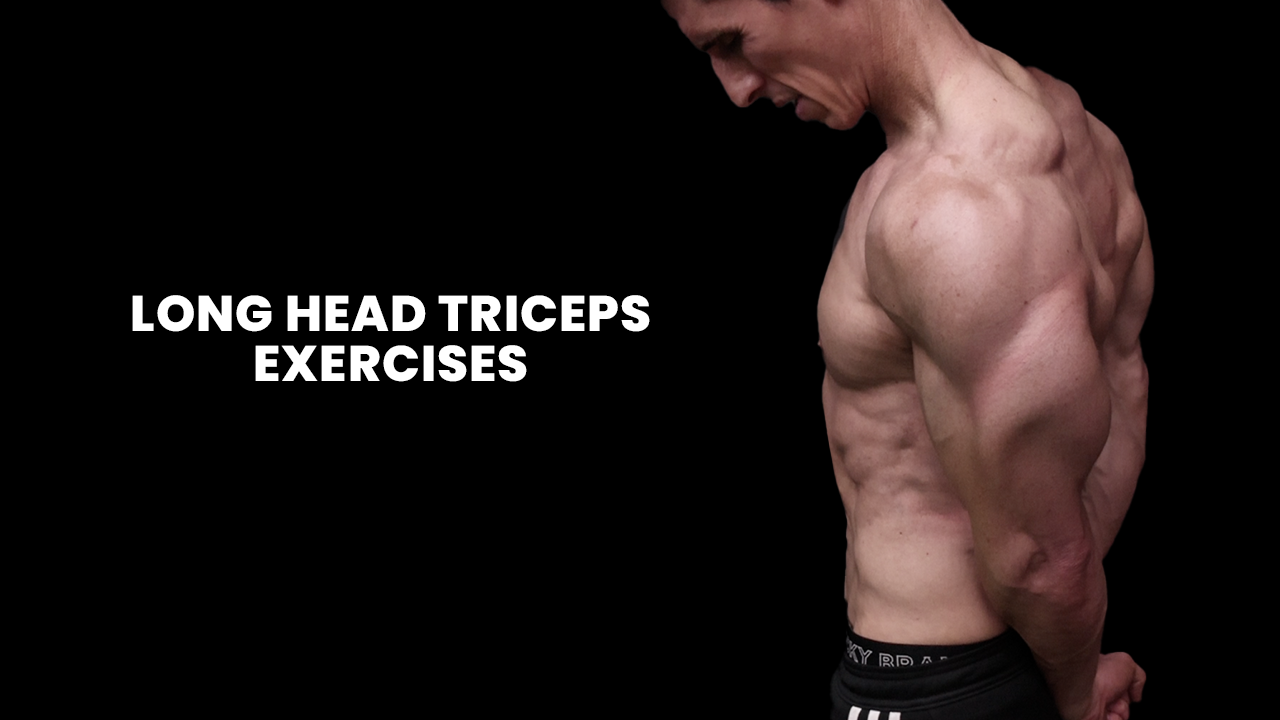
Take the case of a lifter who switched from only doing pushdowns to adding overhead extensions and incline skullcrushers. Within two months, their upper arm measurement increased by half an inch, and their pressing strength improved. This is because the long head responds well to stretch and new angles, quickly adding size.
Credit: learn.athleanx.com
How To Measure Triceps Progress
Instead of just looking in the mirror, track your progress with these methods:
- Upper arm circumference: Measure at the widest point, relaxed and flexed.
- Photo comparisons: Take monthly pictures from the side and back.
- Strength gains: Track weight and reps for overhead extensions.
Small, steady improvements show your routine is working.
The Role Of Genetics In Triceps Shape
Some people naturally have better triceps shapes. But even if your long head is “stubborn,” you can improve it with smart training. Genetics set your starting point, not your limit. Consistency matters much more.
Supporting Research And Resources
Many strength coaches and studies agree on the importance of overhead movements for the long head. For more technical details, see this research article on triceps anatomy and activation.
Frequently Asked Questions
What Is The Long Head Of The Triceps?
The long head is one of the three parts of the triceps muscle. It runs from the shoulder blade down the back of your arm to the elbow. It’s the largest part and is best worked with exercises that stretch the arm overhead.
How Often Should I Train The Triceps Long Head?
You can train your triceps, including the long head, 2–3 times per week, allowing at least one day of rest between sessions. Make sure to include both overhead and pushing movements.
Are Overhead Triceps Exercises Safe For Everyone?
Most people can do overhead triceps moves safely, but those with shoulder or elbow injuries should use lighter weights and perfect form. Always warm up first.
Can I Build Big Arms Without Training The Long Head?
You can build some arm size, but neglecting the long head will limit your results. The long head adds most of the mass and shape to the triceps.
Is It Better To Use Free Weights Or Machines For The Long Head?
Both work well. Free weights like dumbbells and EZ bars allow natural movement, while cables and machines provide constant tension. Mixing both can give you the best results.
Training the long head of your triceps is one of the most effective ways to build impressive, strong arms. By choosing exercises that stretch and activate this part of the muscle, you’ll see better definition and more upper arm mass.
Remember to use good form, track your progress, and stay consistent. The right mix of exercises, smart programming, and patience will help you reach your goals faster and more safely.
