

What is the Purpose of Triceps: Key Functions Explained
What Is The Purpose Of Triceps
The human body is a complex machine with many muscles working together for movement, strength, and stability. Among these, the triceps play a key role that often goes unnoticed until we face tasks that involve pushing, extending the arm, or lifting objects overhead. If you have ever wondered why your upper arm feels sore after a day of carrying bags, or why athletes focus on triceps exercises, you are not alone. Understanding the purpose of triceps can help you appreciate their importance—not just in the gym, but in daily life.
Many people think of arm muscles and immediately picture the biceps. However, the triceps are actually larger and make up most of the muscle mass in your upper arm. They are not only essential for specific movements but also crucial for overall arm stability, injury prevention, and functional strength.
This article explores what the triceps are, how they work, their primary functions, and why they matter for everyone from athletes to office workers. You will also learn about triceps anatomy, their involvement in sports, training tips, common problems, and answers to frequent questions.
Understanding Triceps Anatomy
To truly grasp the purpose of triceps, it helps to know where they are and how they are built. The triceps brachii, or triceps for short, is a muscle located at the back of your upper arm. The word “triceps” means “three heads,” which refers to the three separate parts that make up this muscle.
The Three Heads Of The Triceps
Each head of the triceps has its own starting point, but all three join together at the elbow. Here’s a breakdown:
- Long head: Starts from the shoulder blade (scapula) and runs down the back of the upper arm.
- Lateral head: Begins on the upper part of the humerus (the large bone in your upper arm), toward the outside.
- Medial head: Also starts on the humerus, but on the inside and a bit lower down.
All three heads come together and attach to the olecranon process—the bony point of your elbow. The triceps cover about two-thirds of the upper arm’s muscle mass, making them the dominant muscle in this area.
How The Triceps Work
The triceps are activated whenever you straighten your arm. This action is called “elbow extension.” For example, when you push open a heavy door, reach up to a shelf, or do a push-up, your triceps are the main muscle at work. The triceps do not work alone; they act in balance with the biceps, which bend the elbow.
This balance between the two muscles is important. If one is much stronger than the other, it can cause joint problems or make certain movements harder. That’s why fitness trainers often recommend working both sets of muscles for overall health.
Primary Functions Of The Triceps
The triceps are more than just a muscle for bodybuilders. Their main functions are deeply tied to everyday movement and overall health.
Elbow Extension
The most direct and important job of the triceps is elbow extension. This means straightening your arm at the elbow joint. It might sound simple, but this movement is critical for many activities:
- Pushing: Whether you are doing a push-up, pushing a door, or moving a shopping cart, your triceps are at work.
- Throwing: In sports such as basketball, baseball, or even darts, the final part of the throw comes from the triceps extending the arm.
- Reaching: When you reach up to grab something, especially above your head, you need your triceps to extend the elbow fully.
- Getting up from a chair: When you press down on the arms of a chair to stand, your triceps help push your body up.
Shoulder Stabilization
A less obvious, but equally important, function is shoulder stabilization. The long head of the triceps starts at the shoulder blade. When you move your arm, especially during overhead tasks or when carrying weight, the triceps help keep the shoulder joint steady.
Without strong triceps, the shoulder can become less stable, leading to a higher risk of injury. This is especially true during activities that involve holding or moving weight above the head, such as lifting boxes or performing overhead presses in the gym.
Supporting Complex Movements
The triceps are involved in many compound movements, which use more than one joint and muscle group. For example:
- Bench press: Works the chest, shoulders, and triceps together.
- Dips: Use the triceps, chest, and shoulders.
- Overhead press: Triceps assist the shoulders in lifting weight above the head.
In these movements, the triceps are not always the main muscle, but they play a crucial supporting role. Weak triceps can limit your ability to perform these exercises safely and effectively.
Arm And Elbow Health
Strong triceps help protect the elbow joint. The muscles and tendons around the elbow absorb shock and help control movement. If the triceps are weak, more stress is placed on the elbow itself, increasing the risk of injuries like strains or tendonitis.
/images/vimeo_thumbnails/258073730/PywEHuQ3qk0vcScj30A_overlay.png)
Credit: www.kenhub.com
Everyday Importance Of Triceps
You may not realize how much you use your triceps until they are sore or injured. Here are some real-life examples where triceps strength makes a difference.
Daily Tasks
- Lifting objects: Picking up groceries, carrying a child, or moving furniture all require triceps power.
- Pushing movements: From closing a car door to pushing a lawn mower, the triceps are always involved.
- Personal care: Washing your hair, brushing your teeth, or reaching for something in the bathroom all use triceps extension.
Workplace Activities
For people with desk jobs, triceps are still important. Typing, using a mouse, and reaching across your desk use the triceps for stabilization and small movements. People in manual labor jobs rely even more on triceps strength for tasks like hammering, drilling, or stacking boxes.
Sports And Recreation
Athletes, dancers, and fitness fans all need strong triceps. In sports that involve throwing, swimming, or racquet use, triceps strength can make a big difference in performance and injury prevention.
Triceps In Sports And Performance
The triceps are critical for many sports. Here’s how they help in specific athletic situations:
Throwing And Striking Sports
In basketball, the final “snap” of the arm for a shot uses the triceps. In baseball and softball, pitchers and fielders rely on triceps for the acceleration and control of their throws. Boxers use triceps to extend their arms for powerful punches.
Gymnastics And Calisthenics
In gymnastics, athletes perform movements like handstands, push-ups, and dips, all requiring strong triceps. Calisthenics routines, such as muscle-ups and planches, also depend on triceps strength for control and stability.
Swimming
The triceps play a major role in the underwater phase of strokes like freestyle and butterfly. After the hand enters the water, the triceps help push the body forward by straightening the arm.
Weightlifting And Powerlifting
Triceps are vital in the lockout phase of exercises like the bench press and overhead press. Weak triceps can limit your ability to complete these lifts, even if your chest or shoulders are strong.
Comparison Of Triceps Activation In Popular Exercises
Here is a quick look at how much the triceps are used during different upper body exercises:
| Exercise | Main Muscles Worked | Triceps Activation Level |
|---|---|---|
| Bench Press | Chest, Shoulders, Triceps | Moderate |
| Overhead Press | Shoulders, Triceps | High |
| Push-Up | Chest, Triceps, Shoulders | Moderate |
| Dips | Triceps, Chest, Shoulders | Very High |
| Triceps Extension | Triceps | Maximum |
As seen above, while many exercises use the triceps, some put them at the center of the movement.
The Role Of Triceps In Injury Prevention
Triceps are not just for building strong arms—they also help protect the body from injuries.
Supporting Joint Health
The triceps stabilize the elbow joint during movement. When you catch yourself during a fall, the triceps help absorb the impact and prevent the elbow from bending the wrong way. This support is especially important for athletes and older adults.
Balanced Muscle Development
Many injuries happen because of muscle imbalances. If your biceps are much stronger than your triceps, it can pull the elbow out of alignment, causing pain or even long-term damage. Training both muscles equally helps keep the joint healthy and reduces injury risk.
Reducing Overuse Injuries
People who do a lot of repetitive arm movements—such as tennis players, carpenters, or computer users—are at risk for overuse injuries like tendonitis. Strong triceps help share the workload, lowering the chance of strain.
Common Triceps Injuries
Some common problems involving the triceps include:
- Triceps tendonitis: Inflammation of the tendon that connects the triceps to the elbow. It causes pain and limits movement.
- Muscle strains: Overstretching or tearing the triceps, often from lifting too much weight or sudden movements.
- Tendon rupture: A rare but serious injury where the tendon tears away from the bone, usually requiring surgery.
Early signs of triceps injury include pain, swelling, weakness, and trouble extending the arm. Rest, ice, and proper stretching can help prevent minor problems from becoming serious.
Training The Triceps: Key Principles
For those who want stronger, more functional arms, training the triceps is essential. But there is more to it than just doing push-ups.
Types Of Triceps Exercises
The best triceps training programs use a mix of exercises that target all three heads of the muscle. Here are some popular options:
- Triceps dips: Use your body weight to work the triceps hard.
- Overhead triceps extension: Focuses on the long head.
- Triceps pushdown: Often done with a cable machine, hits the lateral head.
- Close-grip bench press: Uses a narrow grip to increase triceps activation.
- Diamond push-ups: Place your hands close together for more triceps involvement.
Sample Weekly Triceps Workout Routine
Here’s a practical example of how you might structure triceps training in a week:
| Day | Exercise | Sets x Reps |
|---|---|---|
| Monday | Triceps Dips | 3 x 10-12 |
| Wednesday | Overhead Triceps Extension | 3 x 8-10 |
| Friday | Close-Grip Bench Press | 3 x 8-12 |
This schedule allows for rest between sessions, which is important for muscle growth and recovery.
Tips For Effective Triceps Training
- Use proper form: Bad technique can reduce results and increase injury risk.
- Vary the exercises: Change up movements to hit all three heads of the muscle.
- Don’t overtrain: Triceps are used in many other exercises, so more is not always better.
- Stretch and warm up: Prepare your muscles to avoid strains.
- Progress slowly: Increase weight or reps gradually.
Mistakes To Avoid
Beginners often make these common errors:
- Neglecting the triceps: Focusing only on biceps or chest and ignoring triceps leads to weak, unbalanced arms.
- Poor range of motion: Not fully extending the arm means the triceps don’t work as hard.
- Using too much weight: This can lead to bad form and injury.
- Not resting enough: Muscles grow when you rest, not just when you work out.
Triceps And Aesthetic Appeal
While function is most important, many people also care about how their arms look. Well-developed triceps add shape and definition to the upper arm. In fact, because triceps make up the majority of upper arm muscle, they have a bigger impact on arm size than biceps.
Triceps Vs. Biceps: Which Matters More For Size?
A common question is whether the triceps or biceps are more important for big arms. Here’s a simple comparison:
| Muscle | Location | Percent of Upper Arm Mass | Main Function |
|---|---|---|---|
| Triceps | Back of Upper Arm | ~60-70% | Arm Extension |
| Biceps | Front of Upper Arm | ~30-40% | Arm Flexion |
As shown, focusing on triceps development will make a bigger difference in arm size and shape than working only on biceps.
Non-obvious Insights For Better Triceps Shape
- Hitting all three heads: Many people only train the lateral head with pushdowns. Including overhead and pressing movements ensures full development.
- Mind-muscle connection: Focusing mentally on the triceps during exercise can improve activation and results.
Triceps In Aging And Rehabilitation
The purpose of triceps changes as we age. For older adults, triceps strength is key for independence and safety.
Maintaining Independence
Activities like getting out of a chair, using a walker, or reaching overhead all require strong triceps. Weak triceps can make daily tasks hard or unsafe, leading to greater reliance on others.
Preventing Falls
When someone tries to break a fall with their arms, the triceps help slow and control the movement. Strong triceps can reduce the risk of elbow or shoulder injuries in these situations.
Rehabilitation After Injury
After an injury or surgery, rebuilding triceps strength is part of many physical therapy programs. Therapists use simple movements like assisted arm extensions to gradually restore muscle function. Without this focus, recovery can be slower and less complete.
Tips For Older Adults
- Use light resistance: Bands or water bottles are enough for many people.
- Focus on form and safety: Controlled movements are better than heavy weights.
- Work with a professional: Physical therapists can design safe, effective routines.
Triceps And Gender Differences
Men and women both need strong triceps, but there are some differences in how the muscle is built and trained.
Muscle Mass And Hormones
Men tend to have more muscle mass, including in the triceps, due to higher levels of testosterone. However, women can build strong, defined triceps with proper training. Both genders benefit equally from strong triceps in daily life.
Training Approaches
Women sometimes avoid triceps exercises for fear of “bulking up,” but this is a myth. Building noticeable muscle takes effort and time. Instead, triceps training helps tone the arms and improve function.
Examples Of Triceps Use In Women’s Sports
- Volleyball: Spiking and serving use triceps for power.
- Tennis: Serving and overhead shots require triceps strength.
- Rowing: Every stroke uses the triceps to extend the arms.
The Science Behind Triceps Development
Research shows that training the triceps improves not only arm strength but also overall upper body function. Here are some key findings:
- Muscle growth: Studies show that the triceps respond well to both high and low repetitions, as long as the muscle is pushed close to fatigue.
- Injury prevention: Strong triceps reduce the risk of elbow injuries in athletes and manual workers.
- Functional improvements: Triceps training leads to better performance in push-ups, overhead lifts, and daily tasks.
For more on muscle anatomy and function, the National Center for Biotechnology Information provides detailed resources.

Credit: www.youtube.com
Frequently Asked Questions
What Happens If The Triceps Are Weak?
Weak triceps can make it hard to straighten your arm fully. You may struggle with pushing, lifting, or overhead tasks. Over time, weak triceps can lead to elbow pain, poor posture, and even increased risk of injury, especially in the shoulder and elbow joints.
How Can I Tell If My Triceps Are Underdeveloped?
Signs include difficulty with push-ups, dips, or overhead lifts. Your arms may look less defined, and you might feel discomfort in your elbows when doing pressing movements. If you find pushing tasks harder than pulling, your triceps may need more work.
Are Triceps Only Important For Athletes?
No. Everyone needs strong triceps for daily activities like lifting, pushing, and reaching. Office workers, parents, seniors—everyone benefits from triceps strength for joint protection and functional tasks.
What Is The Best Exercise For Triceps Development?
There is no single “best” exercise. A mix of pushdowns, overhead extensions, and dips is ideal. Focus on using proper form and working all three heads of the triceps for balanced growth and strength.
Can I Train Triceps Every Day?
It’s not recommended. Triceps need time to recover, just like any other muscle. Training them 2–3 times per week with rest days in between is enough for most people. Overtraining can lead to soreness or injury.
The purpose of triceps goes far beyond building strong, good-looking arms. They are essential for almost every pushing movement, help protect joints, support athletic performance, and maintain independence as we age. Whether you are aiming for better sports results, injury prevention, or simply easier daily living, strong triceps play a key role. By understanding their function and training them wisely, you can improve not just your arms, but your overall quality of life.
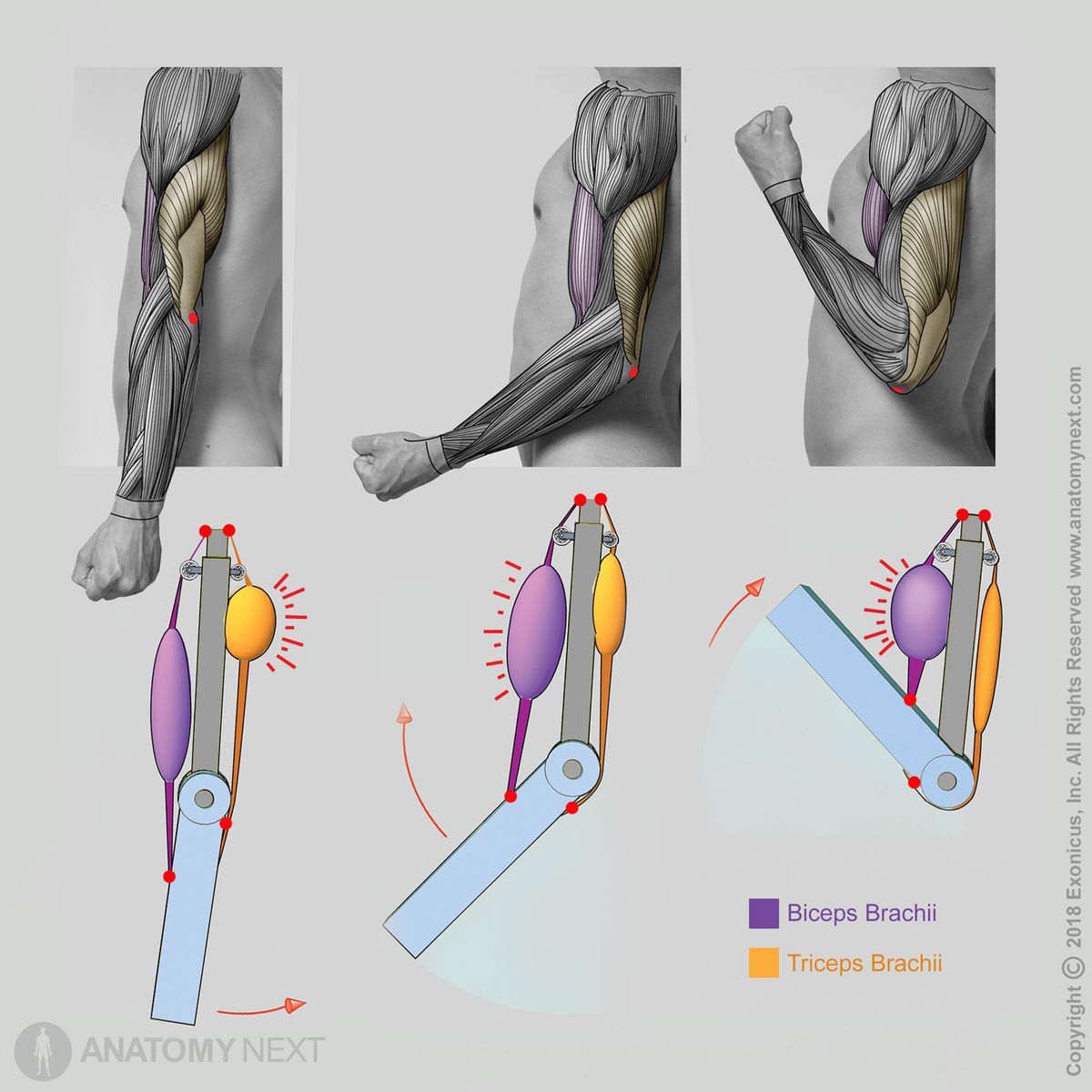
Credit: anatomy.app
