

Thigh And Glute Workout
Strong thighs and glutes do more than shape your body. They give you power to walk, run, climb stairs, and lift heavy objects. Building these muscles also helps prevent injuries, improve posture, and burn more calories. Many people want toned legs and a firm backside, but they don't know the right exercises or how to train safely.
This guide will help you understand how to build your thighs and glutes, what exercises work best, and how to avoid common mistakes. Whether you're new to fitness or want to take your routine to the next level, you’ll find practical steps and expert advice here.
Why Thighs And Glutes Matter
Your thighs and glutes are two of the largest muscle groups in your body. The thighs include the quadriceps (front) and hamstrings (back), while the glutes cover the gluteus maximus, gluteus medius, and gluteus minimus.
These muscles:
- Support your hips and knees
- Help you stand, sit, and move
- Protect your lower back
- Boost athletic performance
- Shape your body’s lower half
Having strong thighs and glutes can reduce risk of injuries like knee pain, hip problems, and lower back strain. They also help you burn more calories because big muscles use more energy—even when you rest.
How Muscles Grow: The Science
When you exercise, you put stress on your muscles. This causes tiny tears in the muscle fibers. Your body repairs these tears, making the muscles stronger and sometimes larger. This process is called muscle hypertrophy.
For best results, you need:
- Progressive overload (gradually increasing weight or difficulty)
- Proper nutrition (enough protein and calories)
- Rest and recovery (sleep and days off)
If you only do the same routine or never increase weight, your muscles will stop growing. Change your exercises, add weight, or do more reps over time to keep challenging your body.
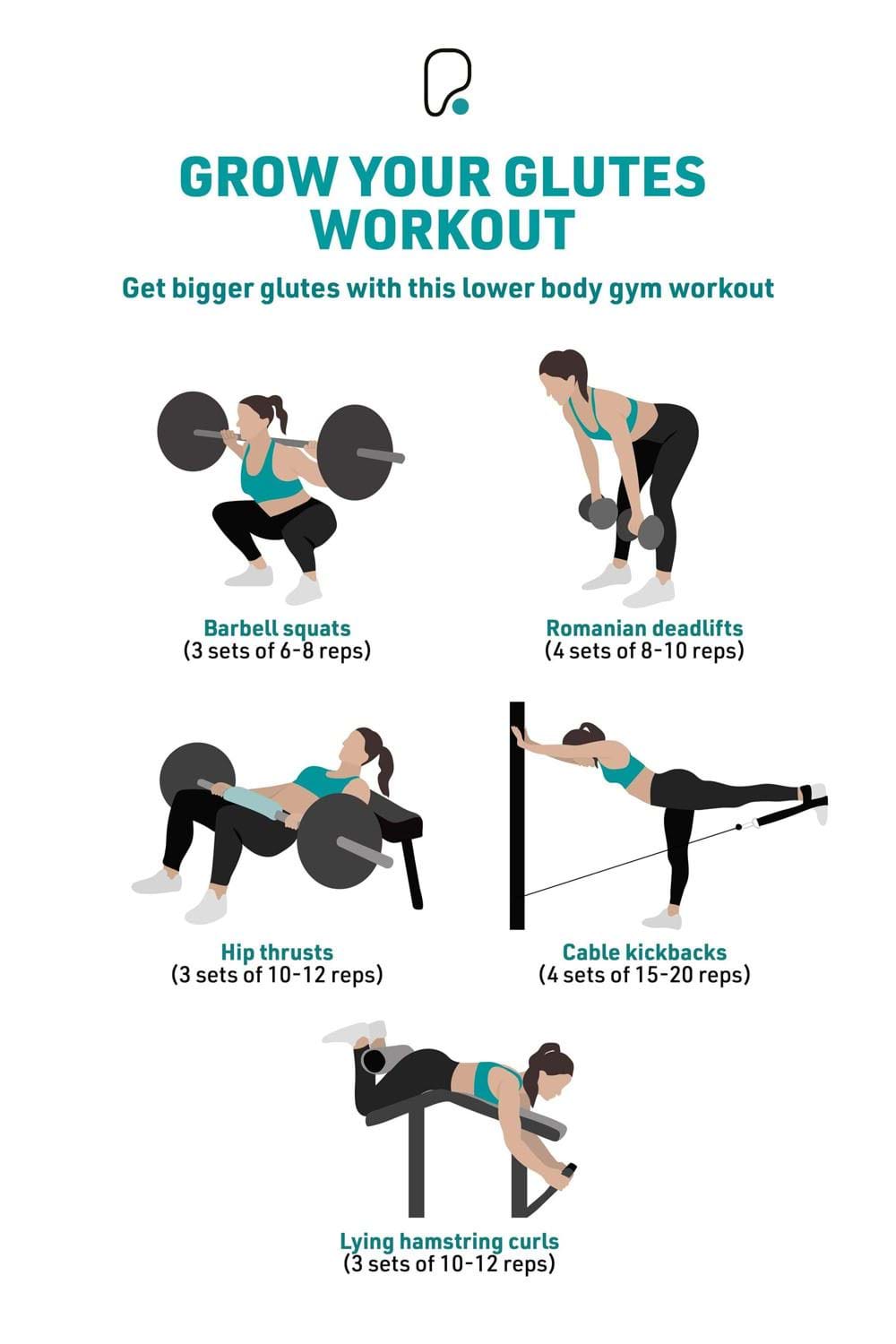
Credit: www.puregym.com
Key Exercises For Thighs And Glutes
Some exercises are better than others for building these muscles. Below are the top movements, with clear instructions and tips.
1. Squats
The squat is a classic lower body exercise. It works your thighs, glutes, and even your core.
How to do it:
- Stand with feet shoulder-width apart.
- Keep your chest up and back straight.
- Lower your body as if sitting in a chair.
- Go down until your thighs are parallel to the floor.
- Push through your heels to stand back up.
Tips:
- Keep knees in line with toes.
- Avoid rounding your back.
- Start with bodyweight, then add dumbbells or a barbell.
2. Lunges
Lunges target the thighs, glutes, and improve balance.
How to do it:
- Stand tall.
- Step forward with one leg.
- Lower your body until both knees are bent at 90 degrees.
- Push off the front foot to return to start.
Tips:
- Alternate legs each rep.
- Keep your core tight.
- Add weights for more challenge.
3. Hip Thrusts
Hip thrusts hit the glutes harder than most exercises.
How to do it:
- Sit on the ground with your upper back against a bench.
- Roll a barbell or hold a dumbbell across your hips.
- Bend knees, feet flat on floor.
- Lift hips by squeezing your glutes until your body forms a straight line.
- Lower hips back down.
Tips:
- Pause at the top for a strong squeeze.
- Focus on pushing through your heels.
4. Deadlifts
Deadlifts work the hamstrings, glutes, and lower back.
How to do it:
- Stand with feet hip-width apart.
- Hold a barbell (or dumbbells) in front of thighs.
- Bend knees slightly, keep back straight.
- Lower weights by hinging at hips.
- Raise back up by squeezing glutes.
Tips:
- Keep the weights close to your body.
- Do not round your back.
- Start light to learn proper form.
5. Step-ups
Step-ups are great for thighs, glutes, and coordination.
How to do it:
- Stand in front of a sturdy bench or platform.
- Step one foot up onto the bench.
- Push through your heel to lift your body.
- Step back down.
Tips:
- Alternate legs.
- Hold weights for more resistance.
6. Bulgarian Split Squats
This exercise isolates each leg and challenges your balance.
How to do it:
- Stand in front of a bench.
- Place one foot behind you on the bench.
- Lower your body until front thigh is parallel to the floor.
- Push through front heel to rise.
Tips:
- Keep your torso upright.
- Start with bodyweight.
7. Glute Bridges
Similar to hip thrusts but easier for beginners.
How to do it:
- Lie on your back, knees bent, feet flat.
- Lift hips by squeezing glutes.
- Lower back down.
Tips:
- Squeeze glutes at the top.
- Add a weight for extra challenge.
8. Sumo Squats
Sumo squats hit inner thighs and glutes.
How to do it:
- Stand with feet wider than shoulders, toes pointed out.
- Lower body as in a regular squat.
- Push through heels to stand up.
Tips:
- Keep knees tracking over toes.
9. Leg Press
A gym machine that targets thighs and glutes.
How to do it:
- Sit on the machine, feet on platform.
- Lower platform by bending knees.
- Push back up.
Tips:
- Do not lock knees at the top.
- Adjust foot position for different muscle focus.
10. Donkey Kicks
Donkey kicks are simple but effective for glutes.
How to do it:
- Get on hands and knees.
- Lift one leg behind you, keeping knee bent.
- Lower back down.
Tips:
- Keep movement slow and controlled.
- Do not arch your back.
Sample Thigh And Glute Workout Routine
Below is a sample routine for beginners and intermediate level. It combines the best exercises with clear sets and reps.
Beginner Routine:
- Bodyweight squats – 3 sets of 12 reps
- Lunges – 3 sets of 10 reps per leg
- Glute bridges – 3 sets of 15 reps
- Step-ups – 2 sets of 10 reps per leg
Intermediate Routine:
- Barbell squats – 4 sets of 8 reps
- Bulgarian split squats – 3 sets of 10 reps per leg
- Hip thrusts – 4 sets of 12 reps
- Deadlifts – 3 sets of 8 reps
- Sumo squats – 3 sets of 12 reps
Rest: Take 60–90 seconds between sets. Repeat this routine 2–3 times per week.
Exercise Comparison: Which Builds More Muscle?
To help you choose, here’s a comparison of popular thigh and glute exercises:
| Exercise | Main Muscles Worked | Muscle Growth Potential | Difficulty |
|---|---|---|---|
| Squats | Quads, Glutes | High | Medium |
| Hip Thrusts | Glutes | Very High | Medium |
| Deadlifts | Hamstrings, Glutes, Lower Back | High | Hard |
| Lunges | Quads, Glutes | Moderate | Medium |
| Glute Bridges | Glutes | Moderate | Easy |
Hip thrusts and squats are best for muscle growth in the glutes and thighs. Deadlifts challenge more muscles but need good form.
Training Tips For Faster Results
Many people waste time in the gym or get slow results. Try these smart strategies:
- Focus on form: Proper technique prevents injury and builds muscle faster.
- Progress slowly: Add weight or reps gradually.
- Use full range of motion: Go deep in squats, extend hips in bridges.
- Increase intensity: Add pauses, slow reps, or extra sets.
- Change your routine: Switch exercises every 4–6 weeks.
Two insights beginners often miss:
- Muscle activation matters: Squeeze your glutes and thighs during each rep. Mind-muscle connection boosts growth.
- Rest is important: Muscles grow when you rest, not just when you train. Sleep at least 7 hours per night.
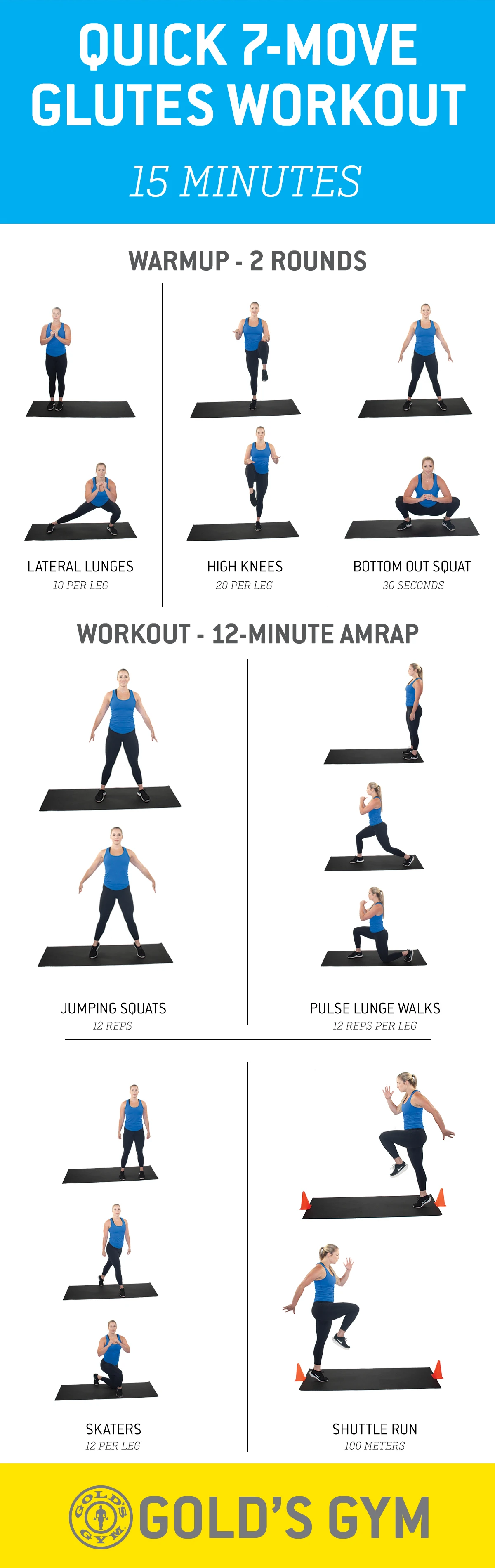
Credit: www.goldsgym.com
Nutrition For Thigh And Glute Growth
Exercise alone is not enough. Your body needs fuel to build muscle. Here’s what matters most:
- Protein: Aim for 0.7–1 gram per pound of body weight.
- Carbs: Give you energy for tough workouts.
- Healthy fats: Support hormone balance.
Eat a mix of lean meats, eggs, beans, nuts, vegetables, whole grains, and healthy oils.
Example meal for muscle growth:
- Grilled chicken breast
- Brown rice
- Roasted sweet potatoes
- Steamed broccoli
- Avocado slices
Drink plenty of water—at least 8 cups a day. Avoid skipping meals and limit junk food.
Common Mistakes To Avoid
Even experienced gym-goers make errors that slow progress. Watch out for these:
- Poor form: Rushing reps, rounding your back, or letting knees cave in.
- Skipping warm-up: Always start with 5–10 minutes of light cardio or dynamic stretching.
- Using too much weight: Form breaks down and injury risk rises.
- Neglecting rest days: Muscles need time to recover.
- Ignoring flexibility: Stretching prevents tightness and improves movement.
If you feel sharp pain (not muscle soreness), stop and check your form or see a trainer.
How Often Should You Train?
To build thighs and glutes, train them 2–3 times per week. This gives time for recovery and growth. For most people, working these muscles every other day works best.
Example weekly plan:
- Monday: Lower body workout
- Wednesday: Upper body or cardio
- Friday: Lower body workout
- Sunday: Rest or light activity
More is not always better. Training every day can lead to overuse injuries.
Cardio And Thigh/glute Training
Cardio helps burn fat and keeps your heart healthy. Some forms of cardio also strengthen your legs and glutes.
Best cardio options:
- Stair climbing: Works thighs and glutes.
- Running uphill: Extra effort boosts lower body strength.
- Cycling: Especially with high resistance.
Do cardio after your strength workout or on separate days. Limit to 2–3 sessions per week if your goal is muscle growth.
Stretching And Mobility For Thighs And Glutes
Flexible muscles move better and avoid injuries. Stretch after workouts to reduce soreness.
Good stretches:
- Standing quad stretch: Pull your foot behind you, hold for 20 seconds.
- Seated hamstring stretch: Reach for your toes.
- Figure-four glute stretch: Cross one ankle over knee, pull knee toward chest.
Try foam rolling for tight muscles. Spend 5–10 minutes stretching after every session.
Tracking Progress
It’s easy to lose motivation if you don’t see results. Track your progress to stay focused.
Ways to measure progress:
- Take photos every 4 weeks.
- Write down weights and reps in a notebook.
- Measure thigh and hip size with a tape.
- Notice improvements in daily life (climbing stairs, running, etc.)
Muscle growth takes time. Expect visible changes in 8–12 weeks if you follow the plan.
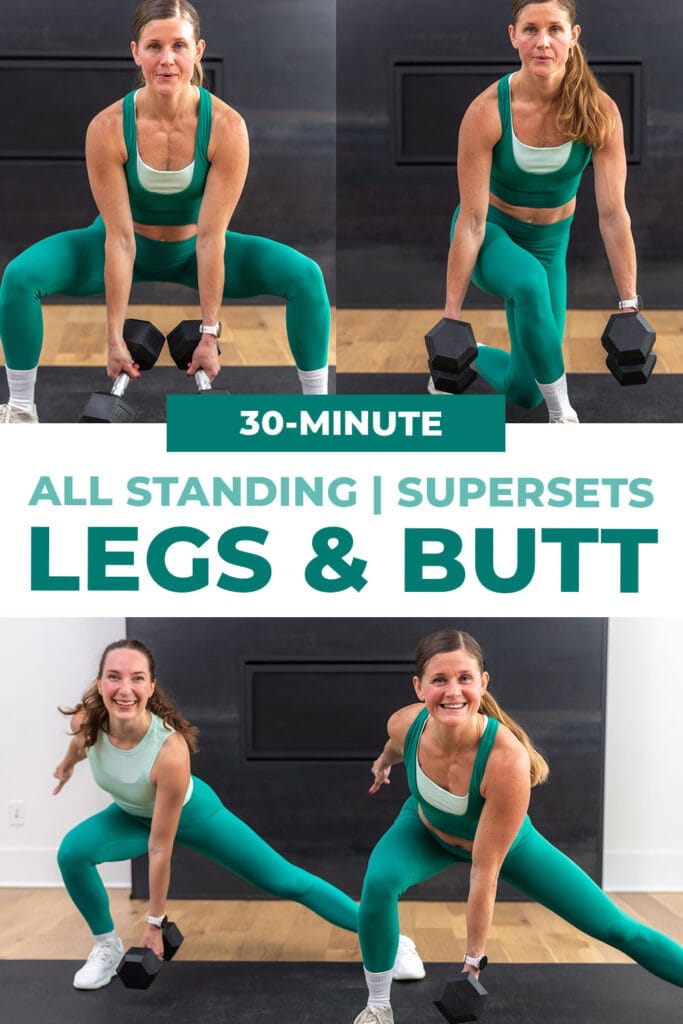
Credit: www.nourishmovelove.com
Equipment For Thigh And Glute Workouts
You don’t need fancy machines to build strong legs and glutes. Here’s a comparison of equipment:
| Equipment | Best for | Cost | Space Needed |
|---|---|---|---|
| Bodyweight | Home workouts, beginners | Free | Very little |
| Dumbbells | Adding resistance | Low | Small |
| Barbell | Heavy lifts | Medium | Moderate |
| Resistance bands | Glute activation | Low | Small |
| Gym machines | Isolation exercises | High | Large |
For most people, dumbbells and resistance bands are enough. Bands help activate glutes and keep exercises safe.
Thigh And Glute Workout For Home
You can build strong thighs and glutes at home with minimal equipment.
Sample home workout:
- Bodyweight squats – 3 sets of 15 reps
- Walking lunges – 3 sets of 12 reps per leg
- Glute bridges – 3 sets of 20 reps
- Donkey kicks – 3 sets of 15 reps per leg
- Sumo squats – 2 sets of 15 reps
Use resistance bands for extra difficulty. Place a band above your knees during squats or bridges.
Glute Activation: Why It Matters
Many people have weak or “sleepy” glutes because they sit too much. Activating your glutes before workouts helps them work harder and prevents injuries.
Simple glute activation moves:
- Monster walks: Step side to side with a band around knees.
- Clamshells: Lie on your side, knees bent, open and close top knee.
- Single-leg glute bridge: Lift one leg while doing a bridge.
Do 1–2 sets of these before your main workout.
Female Vs Male Thigh And Glute Training
Both men and women can build strong thighs and glutes, but goals and body types may differ. Women often focus more on glutes for shape, men may aim for overall strength.
Differences:
- Women tend to recover faster from lower body workouts.
- Men may build muscle slightly quicker due to higher testosterone.
- Exercise selection is similar, but women may benefit from more reps and volume.
Everyone should train both thighs and glutes for balanced results.
Advanced Training Techniques
Once you master the basics, add advanced techniques:
- Drop sets: Do an exercise, then lower the weight and continue.
- Supersets: Pair two exercises back-to-back, like squats and lunges.
- Tempo training: Slow down reps to increase muscle tension.
These boost intensity and keep workouts fun.
Injury Prevention
Lower body injuries can set you back. Protect yourself by:
- Warming up (5–10 minutes)
- Using proper form
- Not skipping rest days
- Listening to your body
If you get hurt, rest and seek advice from a doctor or physical therapist.
Real-life Benefits Of Strong Thighs And Glutes
Building these muscles helps you in daily life:
- Easier to climb stairs or lift groceries
- Better balance and less risk of falls
- Improved sports performance (running, jumping)
- Less lower back pain
You’ll notice changes not just in the gym, but everywhere.
Motivation And Mindset
Staying motivated is tough. Here are ways to keep going:
- Set small goals (add 5 pounds to your squat, do 1 extra rep)
- Train with friends or a coach
- Track progress (photos, notebook)
- Reward yourself for reaching milestones
Remember: progress is slow but steady. Celebrate every win.
Useful Resources
If you want more details on muscle growth and exercise science, check out National Center for Biotechnology Information. It explains how muscles change with training.
Frequently Asked Questions
How Long Does It Take To See Results From Thigh And Glute Workouts?
Most people notice changes in 8–12 weeks with regular training and good nutrition. You may feel stronger and see better muscle tone even sooner. Progress depends on your starting point, workout intensity, and diet.
Can I Build Thighs And Glutes Without Weights?
Yes. Bodyweight exercises like squats, lunges, bridges, and donkey kicks are effective. Using resistance bands can make these moves harder. You can build muscle and shape at home without heavy equipment.
What Is The Best Exercise For Glute Growth?
Hip thrusts are one of the best for glute size and strength. Squats, lunges, and glute bridges also work well. The key is to use good form and increase resistance over time.
Should I Do Cardio Before Or After My Thigh And Glute Workout?
It’s best to do cardio after your strength workout. This helps you save energy for building muscle. If your goal is fat loss, you can do short cardio sessions after training or on separate days.
How Can I Avoid Knee Pain During Leg Workouts?
Focus on proper form. Keep knees in line with toes, avoid locking knees, and warm up before exercise. Strengthen your hips and glutes to support your knees. If pain continues, see a trainer or doctor.
Building strong thighs and glutes is possible for everyone. Choose the right exercises, eat well, rest, and stay consistent. Your body will thank you with better strength, shape, and health.
