

How Much Tricep Exercises You Need for Maximum Growth
How Much Tricep Exercises: Finding The Right Volume For Growth
Building stronger, bigger triceps is a goal for many who step into the gym. But how much tricep exercise is enough? Do you need to train them every day, or is once a week sufficient? The answer is not as simple as just counting sets or reps. This article will guide you through everything you need to know about tricep exercise volume, how often to train, which exercises to focus on, and how to avoid common mistakes. By the end, you’ll understand how to maximize your tricep gains without overtraining.
Why Tricep Training Volume Matters
When people think about big arms, they often focus on the biceps. However, the triceps make up about two-thirds of the upper arm muscle. This means if you want larger, more defined arms, you need to pay serious attention to your triceps.
Training volume is the total amount of work you do for a muscle in a given time, usually measured by number of sets per week. The right volume is important because:
- Too little volume means slow or no progress.
- Too much can lead to overtraining, soreness, and even injury.
Volume is a key driver of muscle growth (hypertrophy). Research shows that muscle size increases as training volume increases, up to a point. But there’s a limit—doing more does not always mean better results.
Understanding Tricep Anatomy
To train the triceps well, you need to know a little about their structure. The triceps brachii has three heads:
- Long head – runs along the back of the arm, crosses both the shoulder and elbow.
- Lateral head – on the outer side, creates the "horseshoe" shape.
- Medial head – under the long head, helps with elbow extension.
Each head is activated differently depending on arm position and exercise. A good tricep routine should include exercises that work all three heads.

Credit: row.gymshark.com
How Much Tricep Exercises Per Week?
The big question: How many sets should you do for triceps each week?
Most experts and research suggest:
- Beginners: 6–8 sets per week
- Intermediate: 8–14 sets per week
- Advanced: 12–18 sets per week
These are working sets—sets done with enough weight and effort to challenge you.
But total volume includes all sets that use the triceps, not just "tricep isolation" moves. For example, bench presses and shoulder presses also work your triceps. So, if you do a lot of pushing exercises, you may need fewer direct tricep sets.
Example Of Weekly Tricep Volume
Let’s look at a sample week for an intermediate lifter:
- Monday: Bench press (3 sets), Overhead press (2 sets)
- Wednesday: Tricep pushdown (3 sets)
- Friday: Dips (3 sets)
Total tricep sets per week: 3 (bench) + 2 (overhead) + 3 (pushdown) + 3 (dips) = 11 sets
This is a balanced volume for most intermediates.
How Many Tricep Exercises Per Session?
People often ask if they should do 1, 2, or more tricep moves in one workout. The answer depends on your total weekly volume, your goals, and how your program is structured.
- Beginners: 1–2 tricep exercises per workout
- Intermediate/Advanced: 2–3 tricep exercises per workout
Most lifters do best with 2 tricep-focused exercises per upper body session.
Sample Tricep Workout Structure
- Compound push (e.g., bench press)
- Tricep isolation (e.g., rope pushdown)
- Optional: Second isolation (e.g., overhead extension)
You don't need more than 2–3 different exercises in one session. What matters most is the effort and technique you use.
Sets, Reps, And Intensity: Building Your Routine
For triceps, muscle growth happens best with moderate to high volume, moderate loads (weight), and a mix of rep ranges.
Recommended rep range: 6–15 reps per set
- 6–8 reps: Use heavier weights, focus on strength.
- 8–12 reps: Classic muscle-building range.
- 12–15 reps: Lighter weights, good for finishing sets and higher volume.
Try to include both lower-rep and higher-rep sets in your routine. This targets different muscle fibers and encourages better growth.
How Heavy Should You Go?
Pick a weight where the last 2 reps are challenging, but your form stays good. If you can easily do 16 reps, it’s time to add weight.
Compound Vs. Isolation Tricep Exercises
Not all tricep exercises are the same. There are two types:
- Compound exercises: Work multiple muscles at once (e.g., triceps, chest, shoulders).
- Isolation exercises: Focus only on the triceps.
Compounds: Bench press, push-ups, dips, overhead press
Isolations: Tricep pushdowns, overhead tricep extensions, skullcrushers
Both types matter for balanced growth. Compounds build overall strength and muscle mass, while isolations help target and shape the triceps.
Why Variety Is Important
Doing only one or two tricep exercises is a common mistake. Each tricep head is best activated by different arm angles and grips.
Switch up your exercises every few weeks. Use both overhead (for the long head) and straight-arm (for lateral/medial heads) moves.
Sample Tricep Exercise Selection
Here are some effective tricep exercises:
- Tricep pushdown (cable machine)
- Overhead tricep extension (dumbbell or cable)
- Dips (bodyweight or weighted)
- Close-grip bench press
- Skullcrushers (lying tricep extensions)
- Diamond push-ups
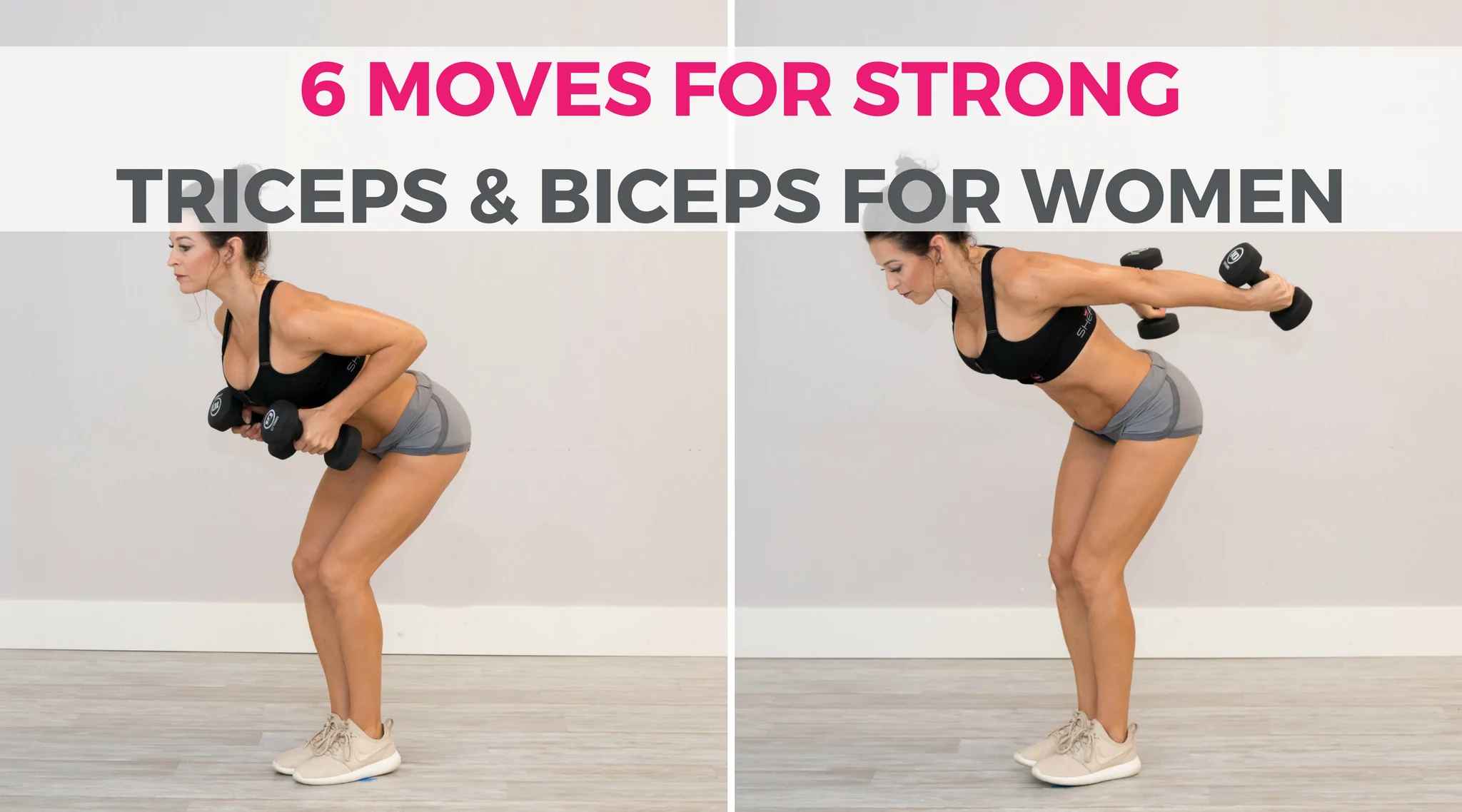
- Kickbacks (dumbbell or cable)
Choose 2–3 per workout. Rotate exercises to avoid plateaus.
Example Weekly Tricep Training Plan
Let’s put it together. Here’s a sample plan for an intermediate lifter training triceps twice a week:
Day 1:
- Close-grip bench press: 3 sets x 8 reps
- Tricep pushdown: 3 sets x 10 reps
Day 2:
- Dips: 3 sets x 8 reps
- Overhead tricep extension: 3 sets x 12 reps
Total weekly sets: 12 (a solid amount for most intermediates)
You can adjust reps and weights as you progress.
How Training Experience Changes Volume Needs
As you get more experienced, your muscles recover faster and handle more work. But more advanced lifters need to be careful about joint health and fatigue.
- Beginners: Focus on learning good form. Lower volume is safer.
- Intermediate: Add more sets and exercises. Pay attention to recovery.
- Advanced: Use higher volume, more exercise variety, and advanced techniques (supersets, drop sets).
Remember, more is not always better. If you feel sore for days or your performance drops, you may need to cut back.
Frequency: How Often Should You Train Triceps?
Should you hit triceps once, twice, or three times a week? Research and experience show that splitting your training is better than doing all sets in one session.
- 2–3 sessions per week is best for most people.
This allows for more total volume without overloading one day. It also keeps your muscles stimulated throughout the week.
Sample Frequency Comparison
Here’s how two different weekly schedules might look:
| Split | Tricep Sessions | Sets per Session | Total Weekly Sets |
|---|---|---|---|
| Once per week | 1 | 12 | 12 |
| Twice per week | 2 | 6 | 12 |
| Three times per week | 3 | 4 | 12 |
More frequent training helps with recovery and performance. But total weekly sets are what matter most.
Common Mistakes In Tricep Training
Many people struggle to grow their triceps because they make some key errors:
- Neglecting compound lifts: Relying only on isolation moves limits growth.
- Doing too much volume: More sets are not always better. Overtraining leads to fatigue and injury.
- Using poor form: Swinging weights or using momentum reduces muscle tension.
- Ignoring all three heads: Not including overhead or different grip exercises misses muscle fibers.
- Not progressing: Using the same weight and reps for months leads to no results.
Pay attention to form, not just how much weight you use. Small adjustments make a big difference.
Progressive Overload: Key To Muscle Growth
To make your triceps grow, you must progressively overload them. This means making your workouts a bit harder over time.
Ways to apply progressive overload:
- Add more weight to the exercise.
- Do more reps with the same weight.
- Add an extra set.
- Slow down your reps for more time under tension.
- Shorten rest between sets.
Write down your workouts. Try to improve at least one thing each session.
Credit: shefit.com
Recovery And Rest For Triceps
Muscles grow when you rest, not just when you train. If you work your triceps hard, they need 48–72 hours to recover before the next intense workout.
Signs you may need more rest:
- Soreness that lasts more than two days
- Drop in performance or strength
- Joints feel achy or stiff
Good nutrition, sleep, and hydration also speed up muscle recovery.
Signs You’re Doing Enough Tricep Work
How Do You Know If Your Tricep Training Is Effective?
- Arms feel pumped after training
- You get stronger in compound and isolation moves
- Triceps look bigger, more defined over time
- Soreness is mild and goes away in 1–2 days
If you see no progress in 6–8 weeks, adjust your volume or routine.

Credit: welltech.com
Tricep Training For Different Goals
How you train depends on what you want:
For Muscle Size (hypertrophy)
- 8–15 sets per week
- 8–15 reps per set
- Focus on both compound and isolation exercises
- Mix up angles and grips
For Strength
- 6–10 sets per week
- 4–8 reps per set
- Heavier weights
- More compound movements (close-grip bench, dips)
For Endurance
- 8–12 sets per week
- 15–20 reps per set
- Lighter weights
- Short rest periods
Set your weekly volume and exercise type based on your main goal.
Advanced Techniques To Boost Tricep Growth
Once you have a good base, try these advanced methods to keep your triceps growing:
- Supersets: Do two tricep exercises back-to-back with no rest.
- Drop sets: After your set, drop the weight and keep going to failure.
- Paused reps: Hold the weight for 1–2 seconds at the hardest part of the rep.
- Slow negatives: Lower the weight slowly to increase tension.
Use these with care—too much intensity can lead to overtraining.
Comparing Popular Tricep Exercises
Which tricep exercises are most effective? Here is a comparison of some top choices:
| Exercise | Muscle Activation | Joint Stress | Best For |
|---|---|---|---|
| Dips | High | Medium | Strength & size |
| Pushdowns | Medium | Low | Isolation, shaping |
| Overhead extension | High (long head) | Medium | Long head focus |
| Skullcrushers | High | Higher | Muscle growth |
| Diamond push-ups | Medium | Low | Home/gym, endurance |
Mix exercises with different activation and joint stress for best results.
Tricep Training For Women
Many women worry about getting "bulky" arms. The truth is, tricep exercises help build toned, strong arms without excess size. Women should follow the same volume rules as men but can start at the lower end (6–10 sets per week) and increase as needed.
Focus on:
- Push-ups (all types)
- Overhead extensions
- Pushdowns
- Dips (assisted if needed)
These moves help shape the back of the arms—often a common "trouble spot. "
Tricep Training At Home Vs. Gym
You don’t need a full gym to train your triceps. Here are options for both:
At Home
- Diamond push-ups
- Bench dips
- Resistance band pushdowns
- Overhead band extensions
At The Gym
- Cable pushdowns
- Skullcrushers
- Dips (parallel bars)
- Machine extensions
Even with just bodyweight or bands, you can get a great tricep workout.
When To Change Your Tricep Routine
If you stop seeing progress, feel bored, or notice pain, it’s time for a change. Good signs to switch things up:
- No strength gains in 4–6 weeks
- Muscles look the same over time
- Joints ache after every session
- Training feels dull or too easy
Try new exercises, change rep ranges, or adjust how often you train.
Nutrition For Tricep Growth
Muscles need protein to grow. Aim for about 0.7–1 gram of protein per pound of body weight daily. Good sources:
- Chicken, fish, lean beef
- Eggs
- Greek yogurt
- Beans, lentils (for vegetarians)
Also, eat enough carbs and healthy fats to fuel your workouts and recovery.
How Long Does It Take To See Results?
Visible changes take time. With consistent training and nutrition, you may notice:
- Strength increases in 2–3 weeks
- Muscle tone in 4–6 weeks
- Size gains in 8–12 weeks
Be patient and trust the process.
Tracking Your Tricep Progress
Write down your weights, reps, and sets each workout. Take arm measurements and photos every month. This helps you see real progress and adjust your routine as needed.
Real-world Example: Tricep Training Progress
Let’s look at a sample lifter, Sam:
- Week 1: 8 sets per week, 12 reps per set, 20 lbs pushdown
- Week 4: 10 sets per week, 12 reps per set, 25 lbs pushdown
- Week 8: 12 sets per week, 10 reps per set, 30 lbs pushdown
Sam sees bigger arms, more strength, and better tone over two months by slowly increasing volume and weight.
Overtraining: Risks And Solutions
Doing too much can cause problems:
- Persistent soreness
- Loss of strength
- Poor sleep
- Increased injury risk
To fix overtraining:
- Drop sets per week by 25–50% for a week or two
- Get extra sleep and nutrition
- Focus on recovery (stretching, massage, rest)
Listen to your body—quality matters more than quantity.
How Tricep Volume Fits With Overall Training
Don’t forget your triceps are part of your push muscles. Heavy chest and shoulder work also trains triceps. If you do high volume for chest/shoulders, adjust your tricep sets lower.
Here’s a balanced weekly push/pull split:
| Day | Main Focus | Tricep Sets |
|---|---|---|
| Monday | Chest + Triceps | 4–6 |
| Wednesday | Back + Biceps | 0 |
| Friday | Shoulders + Triceps | 4–6 |
Adjust as you get stronger or change goals.
Non-obvious Insights For Tricep Training
- Mind-muscle connection: Focus on feeling the triceps during each rep. Slow down and squeeze at the top. Many beginners rush and use shoulders/chest instead.
- Elbow health: Too much direct tricep work or heavy skullcrushers can hurt your elbows. Change grip and exercise type every few weeks to avoid problems.
These small changes can make a huge difference over months of training.
Frequently Asked Questions
How Do I Know If I’m Doing Too Much Tricep Work?
If you’re always sore, your elbows hurt, or your strength drops, you may be overtraining. Cut back sets or add extra rest days.
Should I Train Triceps After Chest Or Shoulders?
Yes, triceps are already warmed up from pushing exercises. Just adjust your total volume so you don’t overwork them.
Can I Build Big Triceps With Just Bodyweight Exercises?
Yes. Moves like dips and diamond push-ups are very effective. Increase difficulty by slowing reps or adding weight.
What’s Better: Heavier Weights Or More Reps For Triceps?
Both can work. Mix low, medium, and high reps for best results. Heavier weights build strength; higher reps add muscle size and endurance.
Where Can I Learn More About Muscle Building And Training Volume?
You can check out detailed studies and guides on the Strength Training Wikipedia page for more science-backed information.
Building your triceps is not just about doing endless pushdowns or skullcrushers. With the right volume, smart exercise choices, and good recovery, you’ll see results. Be patient, stay consistent, and enjoy stronger, more defined arms.
