

Glute Workout With Weights: Build Stronger, Sculpted Glutes Fast
Glute Workout With Weights
Building strong glutes is more than just a trend. Whether you want better posture, more power for sports, or simply a toned look, glute training can help you reach those goals. Adding weights to your glute workouts can speed up muscle growth and make your sessions more effective. But many people still feel unsure about how to start, what exercises really work, and how to avoid mistakes. This guide breaks everything down in simple language, giving you clear explanations, data, and practical steps to get the most from your glute workouts with weights.
Why Train Glutes With Weights?
Many people wonder if bodyweight moves are enough. The truth is, adding resistance is key to unlocking muscle growth. When you train with weights, your glute muscles face higher tension. This makes them work harder and adapt faster. Studies show that using external resistance (like dumbbells, kettlebells, barbells, or bands) leads to more strength and better muscle tone compared to bodyweight alone.
Stronger glutes help in many ways:
- Improved posture: Support for the lower back and pelvis.
- Less injury risk: Glutes stabilize the hips and knees.
- Better sports performance: More power in running, jumping, and lifting.
- Aesthetic shape: Full, rounded glutes are a popular fitness goal.
But the real game changer is progressive overload—gradually increasing the weight, reps, or difficulty of your exercises. This is what helps your glutes grow and get stronger over time.
Understanding The Glute Muscles
Your gluteal muscles are made up of three parts:
- Gluteus maximus: The largest, responsible for hip extension (moving your leg behind you).
- Gluteus medius: Located at the outer hip, it helps with moving your leg to the side and stabilizing your pelvis.
- Gluteus minimus: The smallest, deep under the medius, supporting hip stability.
When you work your glutes with weights, you want to target all three for balanced development. If one part is weak, you might have poor movement or even pain.
Example: Why All Three Glutes Matter
If your gluteus medius is weak, your knees may collapse inward when you squat or run. This can lead to knee injuries or hip pain. A balanced glute workout includes moves that hit all three muscles.
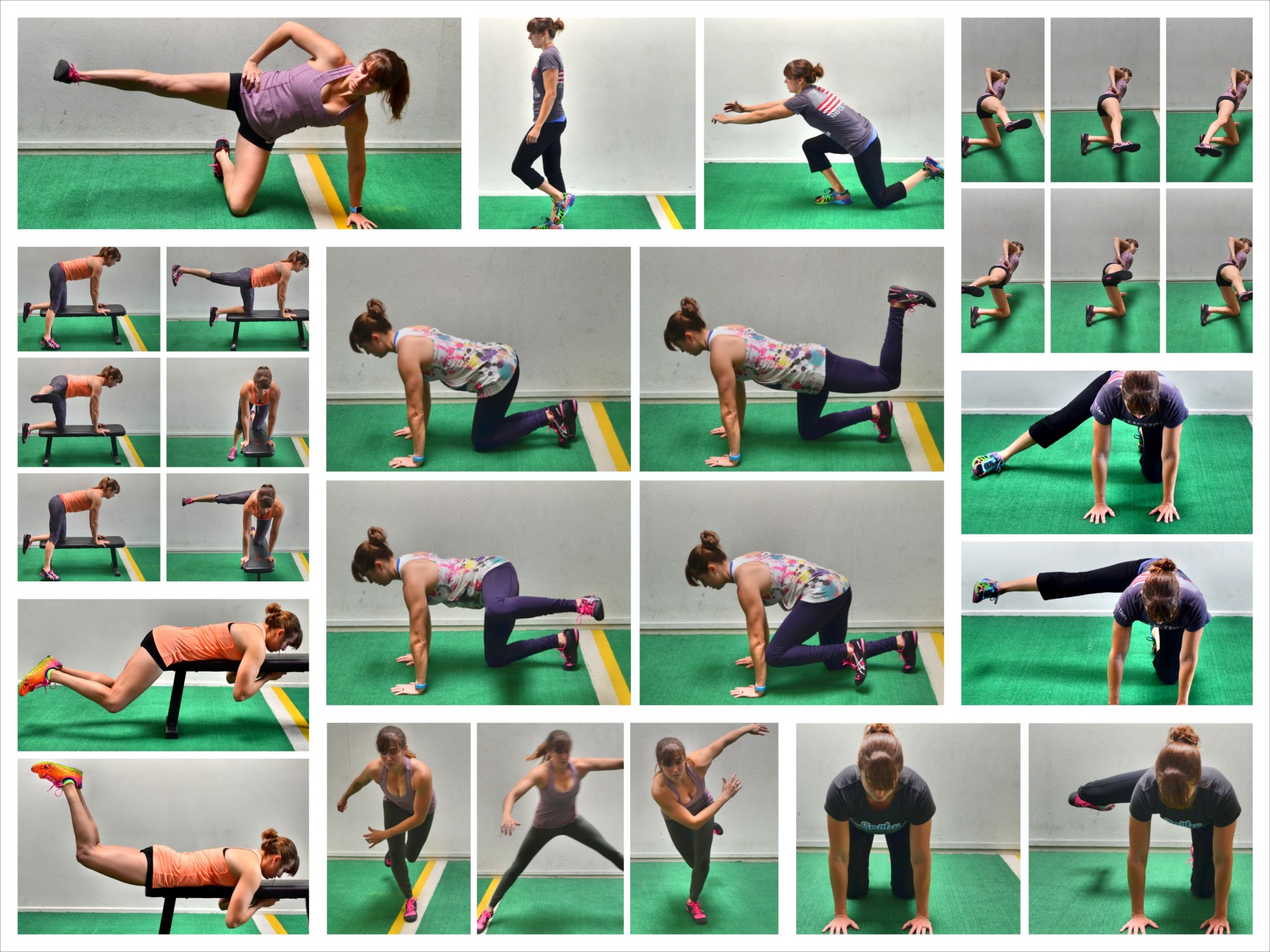
Credit: redefiningstrength.com
Essential Equipment For Weighted Glute Workouts
You don’t need a full gym to start. But having some basic equipment gives you more options and better results. Here’s what helps most:
- Dumbbells: Easy to hold for squats, lunges, and step-ups.
- Barbell: Best for hip thrusts, deadlifts, and squats.
- Kettlebell: Great for swings and goblet squats.
- Resistance bands: Useful for activating glutes and adding tension at the top of movements.
- Bench or box: Needed for step-ups, hip thrusts, and Bulgarian split squats.
- Weight plates: Can be used with barbells or held for extra resistance.
If you’re working out at home, start with dumbbells and a sturdy chair or low table as a bench. You can build your equipment over time.
Home Vs. Gym Equipment Comparison
Here’s a quick look at what you can use at home versus at the gym:
| Equipment | Home | Gym |
|---|---|---|
| Dumbbells | ✔️ | ✔️ |
| Barbell & Plates | Possible but needs space | ✔️ |
| Kettlebell | ✔️ | ✔️ |
| Bench | Chair/Box | ✔️ |
| Resistance Bands | ✔️ | ✔️ |
If you have limited space, start small. Even a single dumbbell or kettlebell can give you a full workout.
Key Principles For Effective Glute Workouts
Before jumping into exercises, it’s important to understand a few key ideas. These will help you get the most from your training and avoid wasting time.
1. Progressive Overload
To see results, you need to increase the challenge over time. This can mean using heavier weights, doing more reps, or choosing harder exercises. Without this, your glutes will stop growing.
2. Good Form
Proper form is critical. Bad technique can shift the work away from your glutes to your lower back or thighs. Always focus on quality over quantity.
3. Mind-muscle Connection
This means really feeling your glutes work during each rep. Many people let their quads (thighs) or lower back take over. Slow down, squeeze at the top, and think about the muscle you’re using.
4. Rest And Recovery
Muscles need time to repair and grow. Don’t train glutes hard every day. Two to three sessions per week is usually best, with rest or light activity in between.
5. Exercise Variety
Your glutes respond best to a mix of movements—hip thrusts, squats, lunges, and more. Don’t do the same three exercises every time.
Common Mistake: Only Doing Squats
Squats are great, but they mostly hit the gluteus maximus and quads. Moves like hip thrusts or step-ups hit the glutes in different ways for better results.
Best Weighted Glute Exercises
Let’s break down the top moves that build strong, balanced glutes. For each, you’ll find how to do it, what muscles it hits, and a practical tip.
1. Barbell Hip Thrust
The hip thrust is a glute-building superstar. It works the gluteus maximus hard, especially at the top.
How to do it:
- Sit on the floor with your upper back against a bench.
- Roll a barbell over your hips (use a pad for comfort).
- Plant your feet flat, knees bent.
- Push through your heels to lift your hips until your knees, hips, and shoulders form a straight line.
- Squeeze your glutes at the top, then lower back down.
Muscles worked: Gluteus maximus (main), medius, hamstrings.
Tip: Keep your chin tucked and ribs down to avoid arching your back.
2. Romanian Deadlift (rdl)
This move trains the glutes and hamstrings, especially the stretch at the bottom.
How to do it:
- Hold a barbell or dumbbells in front of your thighs.
- Stand tall, feet hip-width apart.
- Hinge at your hips (not waist), pushing your butt back as you lower the weights.
- Lower until you feel a stretch, then drive your hips forward to stand up.
Muscles worked: Gluteus maximus, hamstrings.
Tip: Keep your back flat and knees slightly bent. Don’t round your back.
3. Weighted Bulgarian Split Squat
This single-leg move hits the gluteus maximus and medius, plus challenges balance.
How to do it:
- Stand about two feet in front of a bench.
- Place one foot behind you on the bench.
- Hold dumbbells at your sides.
- Lower your back knee toward the floor, keeping your front knee over your ankle.
- Push through your front heel to stand up.
Muscles worked: Gluteus maximus, medius, quads.
Tip: Lean your chest forward slightly to hit the glutes more, not just the quads.
4. Dumbbell Step-up
Step-ups build explosive glute power and also work your balance.
How to do it:
- Hold dumbbells at your sides.
- Step one foot onto a bench or sturdy box.
- Push through your heel to stand up, bringing your other foot to the bench.
- Step back down and repeat.
Muscles worked: Gluteus maximus, medius, quads.
Tip: Drive through your heel and avoid pushing off the back foot.
5. Kettlebell Swing
This is a dynamic move for glute power and conditioning.
How to do it:
- Stand with feet wider than hips, kettlebell on the floor.
- Hinge at hips, grab the bell, and swing it between your legs.
- Thrust hips forward to swing the bell up to shoulder height.
- Let it swing back and repeat.
Muscles worked: Gluteus maximus, hamstrings, core.
Tip: Use your hips, not your arms, to drive the bell.
6. Weighted Glute Bridge
Like the hip thrust but with shoulders on the floor.
How to do it:
- Lie on your back, knees bent, feet flat.
- Place a weight (dumbbell or plate) on your hips.
- Push through your heels to lift hips, squeeze glutes, then lower.
Muscles worked: Gluteus maximus (main), medius.
Tip: Pause at the top for a second for maximum squeeze.
7. Goblet Squat
A squat with a dumbbell or kettlebell held at your chest.
How to do it:
- Stand with feet shoulder-width, hold a weight at your chest.
- Squat down, keeping chest up and knees out.
- Push through heels to stand.
Muscles worked: Glutes, quads, core.
Tip: Go deep for best glute activation.
8. Cable Kickback
Targets the gluteus maximus with constant resistance.
How to do it:
- Attach an ankle strap to a low cable.
- Stand facing the machine, hold support, and kick your leg back.
- Squeeze glute at the top.
Muscles worked: Gluteus maximus (main).
Tip: Control the movement; avoid swinging your back.
9. Banded Lateral Walk
Great for the gluteus medius and minimus, important for hip stability.
How to do it:
- Place a resistance band above your knees.
- Stand in a squat position.
- Step side to side, keeping tension in the band.
Muscles worked: Gluteus medius, minimus.
Tip: Stay low and keep steps controlled.
10. Dumbbell Curtsy Lunge
A lunge variation that hits the glutes from a different angle.
How to do it:
- Stand tall, hold dumbbells at your sides.
- Step one leg behind and across the other, bending both knees.
- Push back to start.
Muscles worked: Gluteus maximus, medius, inner thighs.
Tip: Don’t let your front knee twist inward.
Structuring Your Glute Workout
Now that you know the top moves, let’s build a glute workout that gets results. You want a mix of heavy lifts, single-leg moves, and isolation exercises.
Sample Weighted Glute Workout
Here’s a sample session for most fitness levels:
- Barbell Hip Thrust – 4 sets of 8-12 reps
- Romanian Deadlift – 3 sets of 8-10 reps
- Bulgarian Split Squat – 3 sets of 8-12 reps per leg
- Dumbbell Step-Up – 3 sets of 10 reps per leg
- Banded Lateral Walk – 2 sets of 20 steps each direction
Rest: 60-90 seconds between sets. This gives your muscles time to recover but keeps the session efficient.
How To Progress
- Increase weight: When you can finish all reps with good form, add more weight.
- Add reps or sets: Small increases keep your muscles challenged.
- Try harder variations: For example, pause at the top of hip thrusts, or do single-leg glute bridges.
Weekly Training Frequency
Most people get the best results training glutes 2-3 times per week. More than this can reduce recovery, especially for beginners.
Example Weekly Split
| Day | Workout Focus |
|---|---|
| Monday | Glutes + Lower Body |
| Wednesday | Upper Body |
| Friday | Glutes + Lower Body |
| Saturday | Optional Glute Accessory Work |
If you feel very sore, give your body more rest.
Common Mistakes In Glute Training
Even with the best plan, small mistakes can slow your progress. Here are the most common errors and how to fix them.
1. Using Too Much Weight Too Soon
Many people try to lift heavy before they’ve mastered the technique. This can lead to poor form and injury. Start light, focus on movement quality, and build up gradually.
2. Not Feeling The Glutes Work
If you feel your lower back or quads more than your glutes, adjust your form. Slow down, focus on squeezing your glutes, and try lighter weights until you get the feeling right.
3. Ignoring Single-leg Exercises
Single-leg moves like split squats and step-ups help fix muscle imbalances and boost glute activation. Don’t skip them.
4. Neglecting Recovery
Muscles grow when you rest, not just when you train. Overworking glutes without enough sleep, nutrition, or rest days can lead to fatigue and slow results.
5. Not Tracking Progress
It’s easy to plateau if you don’t track weights, reps, or how you feel. Write down your workouts so you know when to increase the challenge.
Nutrition Tips For Glute Growth
You can train hard, but without the right food, your muscles won’t grow as fast. Here’s what matters most:
Protein Intake
Protein is the building block for muscles. Aim for 0.7–1 gram per pound of body weight each day if you want muscle growth. Good sources are:
- Lean meats (chicken, turkey, beef)
- Fish
- Eggs
- Dairy
- Beans and lentils
- Protein powder (if needed)
Carbs And Fats
Carbs give you energy for tough workouts. Whole grains, rice, potatoes, fruit, and oats are smart choices. Healthy fats (from nuts, seeds, olive oil, avocados) support hormones and recovery.
Hydration
Don’t forget water—muscles are mostly water, and dehydration can reduce performance and muscle growth.
Example: Simple Post-workout Meal
After a hard glute session, try grilled chicken, sweet potato, and steamed broccoli. This gives you protein, carbs, and vitamins to help muscles recover.
Advanced Glute Training Tips
Once you have the basics down, these strategies can make your glute workouts even more effective.
1. Use Different Rep Ranges
Mix heavy, low-rep sets (6-8 reps) with lighter, high-rep sets (15-20 reps). This works different muscle fibers and can boost growth.
2. Try Pause Reps
Pause for 2-3 seconds at the top of hip thrusts or glute bridges. This increases time under tension and muscle activation.
3. Add Bands To Barbells
Loop a resistance band around your knees during barbell hip thrusts or squats. This forces your glute medius to work even harder.
4. Focus On The Eccentric (lowering) Phase
Lower the weight slowly (3-4 seconds) during squats or deadlifts. This increases muscle damage (in a good way) and can speed up growth.
5. Include Mobility Work
Tight hips or ankles can limit your glute training. Stretching and foam rolling before workouts can improve your form and results.
Example: Band Activation Circuit
Before your main workout, try this:
- 10 banded glute bridges
- 10 banded lateral walks each way
- 10 bodyweight squats with a band
This warms up your glutes so they fire better during heavy lifts.
Tracking Your Progress
Seeing changes keeps you motivated. Here’s how to know if your glute workouts are working.
1. Take Photos
Progress pictures every 4-6 weeks show muscle shape changes better than the scale.
2. Measure Strength
Track how much weight you use in hip thrusts, squats, and deadlifts. If you’re lifting more over time, you’re getting stronger.
3. Check Measurements
Use a tape measure around the widest part of your hips and glutes. Small changes here can mean muscle growth.
4. Notice Daily Life
Stronger glutes can make stairs, running, or sports feel easier. If you feel more powerful, your training is paying off.
Sample Progress Tracking Table
| Week | Hip Thrust Weight | Step-Up Height | Hip/Glute Circumference |
|---|---|---|---|
| 1 | 60 lbs | 12 in | 38 in |
| 4 | 75 lbs | 14 in | 38.5 in |
| 8 | 90 lbs | 16 in | 39 in |

Credit: www.twkf.gov.tr
Safety And Injury Prevention
Training with weights brings amazing benefits, but also some risks if you’re not careful.
Warm Up Properly
Start each session with 5-10 minutes of light cardio (walking, cycling) and some dynamic stretches (leg swings, hip circles). This prepares your body for heavy lifting.
Use Good Form
Always keep your back straight, knees in line with your toes, and core tight. If you’re unsure, ask a coach or use a mirror.
Don’t Ignore Pain
Muscle burn is normal, but sharp pain is not. If you feel pain in your knees, hips, or back, stop and check your form.
Increase Weight Slowly
Jumping too quickly to heavy weights can strain muscles and joints. Small, steady increases are safer and lead to better long-term progress.
Rest And Recovery
Give muscles at least 48 hours between hard glute sessions. Sleep is also key—aim for at least 7 hours per night.
Why Results Take Time
Many people want fast changes, but muscle growth is a slow process. Even with perfect training and nutrition, visible changes can take weeks or months. The key is consistency.
Here’s what usually happens:
- First 2-4 weeks: You get stronger, but muscles may not look bigger yet.
- Weeks 4-8: Some muscle growth and better shape.
- Months 2-6: Noticeable changes in glute size and tone.
If you stay patient and keep pushing, results will come.
Glute Workout Variations For Different Goals
Your glute training can be adapted for various needs—strength, muscle size, or sports performance.
For Strength
Focus on heavy hip thrusts, deadlifts, and squats. Use lower reps (4-8) and longer rest (2-3 minutes).
For Muscle Growth
Mix heavy and moderate weights. Use more total sets, a mix of rep ranges (8-20), and shorter rest (60-90 seconds).
For Athletes
Add explosive moves like kettlebell swings, box jumps, and single-leg exercises. This builds both power and stability.
For Beginners
Start with lighter weights and fewer exercises. Focus on learning good form with dumbbells or just bodyweight, then add resistance as you improve.
Glute Training For Women Vs. Men
Some people think glute training is only for women, but both men and women benefit. The main differences are usually goals and aesthetics. Women may focus more on glute size and shape, while men may want power and stability. The science shows that glutes respond the same way to training, regardless of gender.

Credit: www.youtube.com
Real-life Examples: Success Stories
Hearing how others succeeded can be motivating. Here are two brief, real stories:
- Maria struggled with knee pain from running. After 3 months of weighted glute training (hip thrusts and step-ups twice a week), her knee pain disappeared, and she felt faster.
- Jason was stuck at a squat plateau. Adding Romanian deadlifts and Bulgarian split squats with dumbbells helped him break through and add 30 pounds to his squat in 8 weeks.
The common thread? Consistent, progressive, weighted glute work.
Frequently Asked Questions
How Often Should I Do Glute Workouts With Weights?
For most people, 2-3 times per week is enough. This lets your muscles recover and grow. If you train glutes more often, use lighter weights or fewer sets some days.
Can I Grow My Glutes Without Heavy Weights?
Yes, you can build glutes with lighter weights and high reps, but progressive overload is still needed. If you don’t have heavy weights, use slow reps, pauses, and bands to increase the challenge.
What Is The Best Exercise For Glute Growth?
There’s no single “best” move, but the barbell hip thrust is one of the most effective for gluteus maximus. Combine it with Romanian deadlifts, split squats, and step-ups for best results.
How Long Before I See Results?
Most people see strength gains in 2-4 weeks, with visible glute changes in 8-12 weeks if they train consistently and eat well. Results depend on your starting point, genetics, and effort.
Where Can I Learn More About Glute Training Science?
For detailed science and more advanced tips, check resources like the Wikipedia page on Gluteus Maximus.
Building strong, shapely glutes takes effort, but it’s one of the most rewarding fitness goals you can set. Train smart, stay consistent, and don’t be afraid to challenge yourself with weights. Your body—and your glutes—will thank you.
