

Glute Muscles Workout: Best Exercises for a Stronger Booty
Glute Muscles Workout
Building strong glute muscles is about more than just looks. Your glutes—also known as your gluteal muscles—help you walk, run, climb stairs, and even stand up straight. These muscles form the powerhouse of your lower body and play a key role in sports, daily activities, and preventing injuries. Whether you want better athletic performance, less back pain, or simply a firmer backside, a targeted glute workout can make a real difference.
But many people misunderstand how to train the glutes effectively. They often do endless squats or rely on cardio, not realizing that glute training needs variety and the right technique. This article will show you how the glute muscles work, why they matter, and the best ways to train them.
You'll find expert tips, sample routines, common mistakes to avoid, and answers to the questions people ask most.
Understanding Your Glute Muscles
The glutes are actually three separate muscles:
- Gluteus maximus: The largest muscle in your body. It creates the shape of your butt and powers hip movement, such as rising from a chair or climbing stairs.
- Gluteus medius: Located on the upper outer side of your hip. It helps you move your leg sideways and keeps your pelvis stable when you walk.
- Gluteus minimus: The smallest, sitting under the medius. It also helps with hip movement and stability.
These muscles work together but can be trained in different ways. For example, the gluteus maximus is most active in movements like hip thrusts and lunges, while the medius and minimus work hard during side steps or one-legged exercises.
Why Glute Muscles Matter
Strong glutes are not just for athletes or fitness models. Here’s why everyone can benefit:
- Better posture: Weak glutes often cause the lower back to overwork, leading to slouching or pain.
- Lower injury risk: Strong glutes protect your knees and back during daily activities.
- Improved sports performance: Powerful glutes mean stronger jumps, faster sprints, and better balance.
- Everyday movement: From picking up a child to carrying groceries, glutes help you move safely and efficiently.
A common mistake is thinking squats alone will build glutes. In reality, you need a mix of exercises, proper activation, and progression.
Key Principles Of Glute Training
Before you jump into exercises, it’s important to know what makes glute training effective. Here are the main principles:
1. Mind-muscle Connection
Many people struggle to “feel” their glutes working. This is called poor mind-muscle connection. If you only use your thighs or back, your glutes won’t grow much. Focus on squeezing your glutes during each rep. Slowing down and pausing at the top of a movement helps, too.
2. Exercise Variety
The glutes respond best to a mix of movements:
- Hip extension (moving your leg behind you) for gluteus maximus
- Hip abduction (moving your leg out to the side) for gluteus medius and minimus
- Single-leg exercises for stability and balance
Changing angles and types of resistance (bodyweight, bands, weights) prevents plateaus.
3. Load And Progression
Muscles grow when you challenge them. Gradually increase the weight, number of reps, or difficulty of your exercises. This is called progressive overload. For example, add a band to your glute bridge or hold a dumbbell during lunges.
4. Frequency And Recovery
Training glutes two or three times a week is usually best. Muscles need 48–72 hours to recover and grow. Overworking can lead to soreness and slow progress.
5. Activation Before Workout
Many people have “sleepy glutes” from sitting too much. Doing a short activation routine (like band walks or glute bridges) before your main workout wakes up the muscles and helps you use them correctly.

Credit: www.youtube.com
Best Glute Exercises
A good glute workout includes exercises for all three muscles. Here are some top choices, with technique tips and variations.
1. Hip Thrust
This is a powerful move for the gluteus maximus.
- Sit with your upper back on a bench, feet flat on the floor.
- Roll a barbell or place a weight across your hips (you can start without weight).
- Push through your heels to lift your hips until your knees form a right angle.
- Squeeze your glutes at the top, then lower slowly.
Tip: Pause for one or two seconds at the top for better results.
2. Glute Bridge
Similar to the hip thrust, but with your back on the floor.
- Lie on your back, knees bent, feet hip-width apart.
- Push through your heels to lift your hips.
- Hold and squeeze your glutes at the top.
Variation: Try single-leg glute bridges for extra challenge.
3. Romanian Deadlift
This works your glutes and hamstrings.
- Stand holding a barbell or dumbbells.
- Keep your knees slightly bent and your back straight.
- Hinge at your hips, lowering the weights while your hips move back.
- Feel a stretch in your hamstrings, then return to standing.
Mistake to avoid: Rounding your lower back. Focus on hip movement.
4. Bulgarian Split Squat
A great single-leg exercise.
- Stand a few feet in front of a bench.
- Place one foot behind you on the bench.
- Lower your hips until your front thigh is parallel to the floor.
- Push up through your front heel.
Tip: Lean slightly forward to target glutes more.
5. Lateral Band Walk
Targets the gluteus medius and minimus.
- Place a resistance band around your thighs.
- Bend your knees slightly, push your hips back.
- Step sideways, keeping tension on the band.
Variation: Try monster walks (stepping forward and sideways).
6. Step-up
Uses all three glute muscles.
- Stand in front of a bench or sturdy box.
- Step up with one leg, pushing through your heel.
- Lower back down with control.
Tip: Don’t push off the back leg—let your glutes do the work.
7. Clamshell
Excellent for gluteus medius activation.
- Lie on your side, knees bent, feet together.
- Open your top knee while keeping feet touching.
- Pause, then lower slowly.
Variation: Add a mini band above your knees for more resistance.
8. Cable Kickback
Isolates the gluteus maximus.
- Attach an ankle strap to a low cable.
- Stand facing the machine, hold the support.
- Kick your leg back and up, keeping your knee straight.
- Pause at the top, then return slowly.
Tip: Don’t arch your lower back—focus on glute squeeze.
Structuring Your Glute Workout
How you put these exercises together matters. You want a balance of heavy lifts, isolation moves, and stability work. Here’s a sample routine for beginners to intermediates:
| Exercise | Sets | Reps | Rest (Seconds) |
|---|---|---|---|
| Hip Thrust | 3 | 10–12 | 60–90 |
| Bulgarian Split Squat | 3 | 8–10 (each leg) | 60 |
| Romanian Deadlift | 3 | 10–12 | 60–90 |
| Lateral Band Walk | 2 | 15–20 (each direction) | 30 |
| Clamshell | 2 | 15–20 (each side) | 30 |
You can do this routine two or three times a week, with at least one rest day in between.
Advanced Training Split
If you have more experience, you might break your glute training into two types:
- Heavy day: Focus on hip thrusts, deadlifts, and split squats with higher weight and lower reps.
- Volume day: Use bodyweight, bands, or cables for higher reps and more sets, focusing on feeling the muscle.
This approach builds both strength and muscle size.
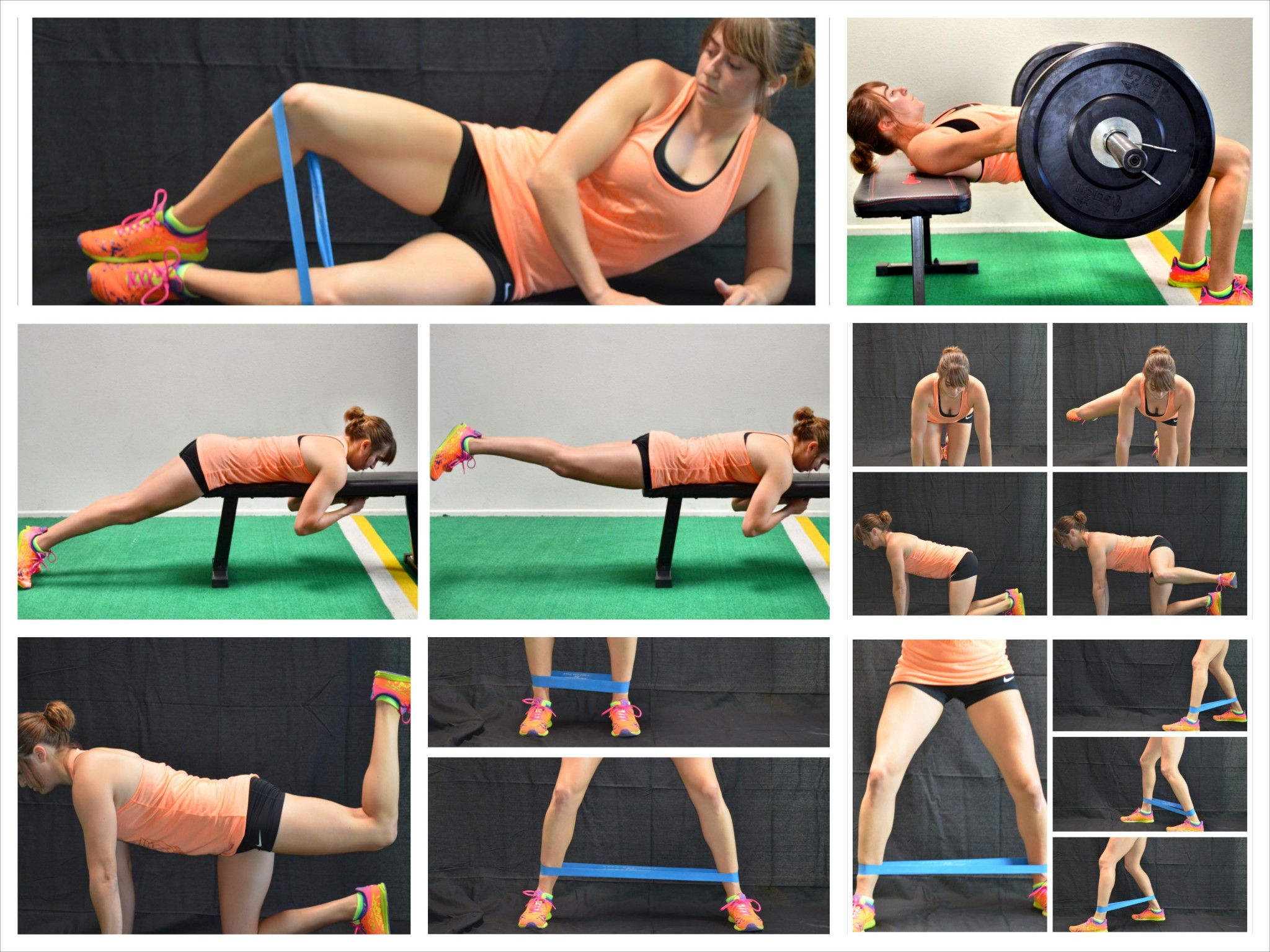
Credit: redefiningstrength.com
Common Glute Training Mistakes
Even with the best exercises, many people struggle to see results. Here are some common errors and how to fix them:
1. Using Too Much Weight
Lifting heavy is important, but only if you use the correct form. If your lower back or thighs do most of the work, your glutes won’t grow. Start lighter and focus on the squeeze.
2. Not Activating Glutes
If you don’t “wake up” your glutes before training, you’ll often feel your quads or hamstrings more. Spend five minutes doing bridges, band walks, or clamshells before your main workout.
3. Doing Only Squats
Squats are great for legs, but not enough for glutes alone. You need hip thrusts, deadlifts, and sideways movements for full development.
4. Poor Range Of Motion
Short, partial reps don’t challenge the muscle enough. Go through the full movement, pause at the top, and control the lowering phase.
5. Ignoring Recovery
Doing glutes every day can lead to overtraining. Muscles grow during rest, not just in the gym.
Glute Training For Different Goals
Not everyone trains for the same reason. Your glute workout can change depending on your goal.
For Muscle Growth (hypertrophy)
- Use a mix of heavy and moderate weights.
- Focus on 8–15 reps per set.
- Include both compound (multi-joint) and isolation moves.
- Rest 60–90 seconds between sets.
For Strength
- Use heavier weights, lower reps (5–8 per set).
- Focus on hip thrusts, deadlifts, and split squats.
- Longer rest periods (2–3 minutes).
For Endurance And Tone
- Use lighter weights or bodyweight.
- Higher reps (15–20+).
- Short rest (30–60 seconds).
- Include more single-leg and stability moves.
For Injury Prevention
- Focus on activation and stability exercises like clamshells and lateral band walks.
- Do exercises slowly, with control.
- Build up strength gradually.
Glute Training At Home Vs. Gym
You can build strong glutes anywhere, but some equipment makes it easier. Here’s a comparison:
| Home Training | Gym Training |
|---|---|
| Bodyweight moves (glute bridges, single-leg squats) | Access to barbells and machines (hip thrust, leg press) |
| Resistance bands for extra load | Heavier weights for faster strength gains |
| Easy to fit into your day, less equipment needed | More exercise variety and progression options |
Tip: If you train at home, invest in a set of mini bands and a sturdy chair or bench.
Warm-up And Activation Routine
A good warm-up prepares your glutes and reduces injury risk. Here’s a simple activation sequence you can use before your main workout:
- Glute bridge – 2 sets of 15 reps
- Clamshell (with or without band) – 2 sets of 15 reps each side
- Lateral band walk – 2 sets of 10 steps each direction
- Bodyweight squat – 2 sets of 10 reps
This only takes 5–8 minutes but makes a big difference in muscle activation.
Progressive Overload: How To Keep Improving
Your glutes will stop growing if you do the same thing every week. Progressive overload means adding more challenge over time. Here are practical ways to do it:
- Add weight (dumbbells, barbell, backpack with books)
- Do more reps or sets
- Slow down the lowering phase (eccentric)
- Pause longer at the top of the movement
- Use a tougher resistance band
Track your workouts in a notebook or app so you know when to increase the difficulty.
Glute Growth Myths
There’s a lot of confusing advice about glute training. Let’s clear up some common myths:
Myth 1: Spot Reduction Works
You can’t lose fat from your glutes by doing glute exercises. Fat loss happens across your whole body, mostly through diet and overall activity.
Myth 2: Squats Are Enough
Squats are good, but they mainly use your quads. For full glute development, you need hip thrusts, bridges, and sideways movements.
Myth 3: You Need Special Machines
Many people build strong glutes with just bodyweight and bands. Machines can help, but they’re not necessary.
Myth 4: High Reps Only
Low, medium, and high reps all have a place. Heavier weights (with good form) create more muscle growth.
Myth 5: Men And Women Need Different Exercises
Both can benefit from the same glute exercises. The main difference is personal goals and starting fitness level.
Nutrition For Glute Growth
Exercise is only part of the puzzle. Muscles need the right fuel to grow and recover.
Protein
Aim for 0.7–1.0 grams of protein per pound of body weight per day. Good sources include chicken, fish, eggs, beans, and Greek yogurt.
Carbohydrates
Carbs give you energy for workouts. Choose whole grains, fruits, and vegetables.
Fats
Healthy fats (from olive oil, nuts, avocado) support hormone health.
Hydration
Drink enough water—muscles perform best when you’re hydrated.
Practical tip: After a glute workout, have a meal or shake with protein and carbs within two hours to boost recovery.
Tracking Progress
Many people get discouraged if they don’t see quick results. Here’s how to measure your progress accurately:
- Take photos every 2–4 weeks
- Measure your hip and waist with a tape measure
- Track your workout weights and reps
- Notice how your clothes fit
Remember, muscle growth is slow—about 0.5–2 pounds per month is typical.
Glute Training For Athletes
Strong glutes help athletes in almost every sport. They improve speed, jumping, and cutting movements. Sports like soccer, basketball, and sprinting rely on powerful hip extension.
Example: Sprinting
Research shows that gluteus maximus activity is highest during sprinting compared to jogging or walking. That’s why sprinters often have well-developed glutes.
Plyometric Training
Adding jumps (like box jumps or broad jumps) to your routine can increase power, but always focus on landing softly and with control.
Preventing And Managing Soreness
It’s normal to feel sore, especially after new exercises. Here’s how to manage it:
- Use a foam roller or massage ball on your glutes
- Stretch your hip flexors and hamstrings
- Get enough sleep and protein
- Don’t train glutes hard on back-to-back days
If you feel sharp pain (not just soreness), stop and check your form or rest until it improves.
Real-world Example: Glute Workout Progress
Let’s look at how a beginner might progress over eight weeks:
| Week | Main Exercise | Weight Used | Reps/Set | Notes |
|---|---|---|---|---|
| 1 | Hip Thrust (bodyweight) | 0 lbs | 12 | Focus on form |
| 2 | Hip Thrust (dumbbell) | 15 lbs | 12 | Add weight when easy |
| 4 | Hip Thrust | 25 lbs | 12 | Better mind-muscle connection |
| 8 | Hip Thrust | 40 lbs | 15 | Noticeable glute growth |
This shows steady progress by increasing weight and reps. The key is consistency and patience.
Two Surprising Insights Most Beginners Miss
- Glutes are often inactive: If you sit most of the day, your glutes “forget” how to fire. That’s why activation is crucial before any workout. Without it, you may feel sore in your thighs or lower back instead of your glutes.
- Strengthening glutes can fix knee and back pain: Many aches in the knees or back come from weak or inactive glutes. Building glute strength often improves these pains, even if your main goal is not looks or sports.
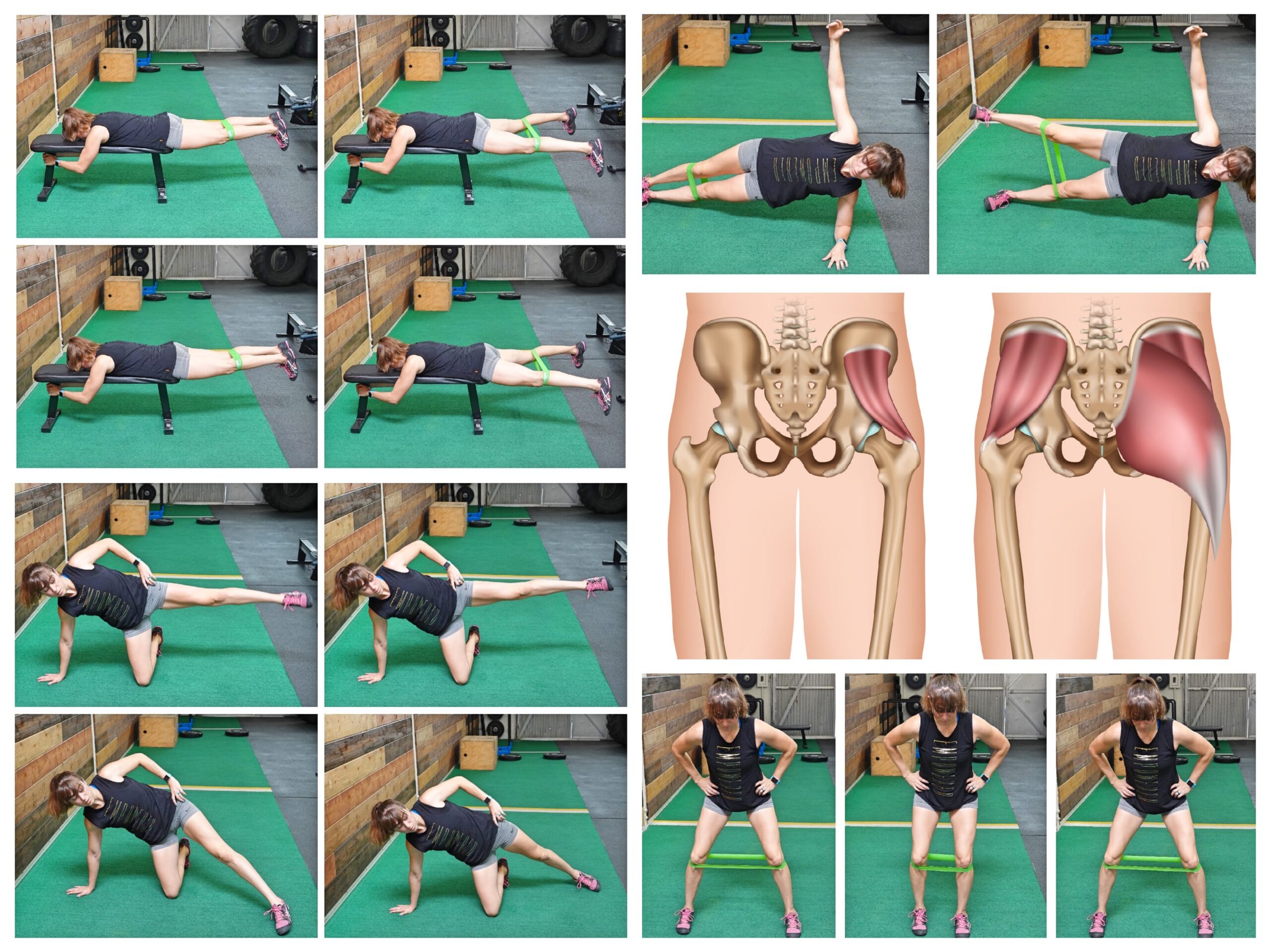
Credit: redefiningstrength.com
Frequently Asked Questions
How Long Does It Take To See Glute Growth?
Most people notice changes in 4–8 weeks of consistent training, but real muscle growth often takes several months. Progress depends on diet, genetics, and how hard you train. Take regular photos and measure your hips for best tracking.
What’s The Best Exercise For Glutes?
Hip thrusts are the most effective for the gluteus maximus, but no single move is enough. Combine hip thrusts with lunges, deadlifts, and side steps for full development.
Can I Train Glutes Every Day?
No, training glutes daily can lead to overuse injuries and slow progress. Muscles need 48–72 hours to recover. For best results, train glutes 2–3 times per week with rest days in between.
Will Glute Exercises Make My Legs Bigger?
Some glute exercises also use your quads and hamstrings, so your legs may get stronger and a bit bigger. If you want to focus only on glutes, choose moves like hip thrusts, bridges, and abductions, and avoid too much squatting.
Do I Need Gym Equipment For Glute Workouts?
No, you can make great progress with bodyweight and resistance bands at home. Gym equipment (like barbells or machines) helps add resistance as you get stronger, but it’s not required. For more ideas, check resources like ACE Fitness.
Building strong glute muscles is one of the best investments you can make for your body, health, and confidence. With the right mix of exercises, good form, and patience, your glutes will grow—and so will your strength and athletic ability.
