

Glute Workout Program: Build Stronger, Rounder Glutes Fast
A strong, well-shaped glute isn’t just for looks. Powerful glute muscles help with daily movement, protect your lower back, and boost performance in sports or workouts. Many people train their glutes, but few follow a truly complete program. If you want to build, lift, and strengthen your glutes the right way, you need more than just squats and lunges. This article will guide you step by step through an effective glute workout program—from science basics to a full weekly routine. You’ll learn how to activate your glutes properly, pick the right exercises, avoid common mistakes, and adjust the program to your needs.
Why Train Your Glutes?
Your glute muscles—the gluteus maximus, medius, and minimus—are the largest and most powerful in your body. They play a major role in hip extension, rotation, and stabilization. Here are some important reasons to focus on glute training:
- Improved posture: Strong glutes keep your hips and spine in line, reducing lower back pain.
- Better athletic performance: They power running, jumping, and lifting.
- Injury prevention: Weak glutes can cause knee, hip, or back injuries.
- Aesthetic benefits: Well-developed glutes shape your lower body.
Weak glutes often go unnoticed but can cause common issues like tight hips, sore knees, or a flat-looking backside.
Understanding Glute Anatomy And Function
Knowing what each glute muscle does helps you choose the right exercises.
- Gluteus Maximus: The largest muscle, responsible for hip extension (standing up, climbing stairs) and outward rotation.
- Gluteus Medius: Located on the side of your hip, it controls hip abduction (moving your leg out to the side) and keeps your pelvis stable when standing on one leg.
- Gluteus Minimus: Sits under the medius, helps with abduction and inward rotation.
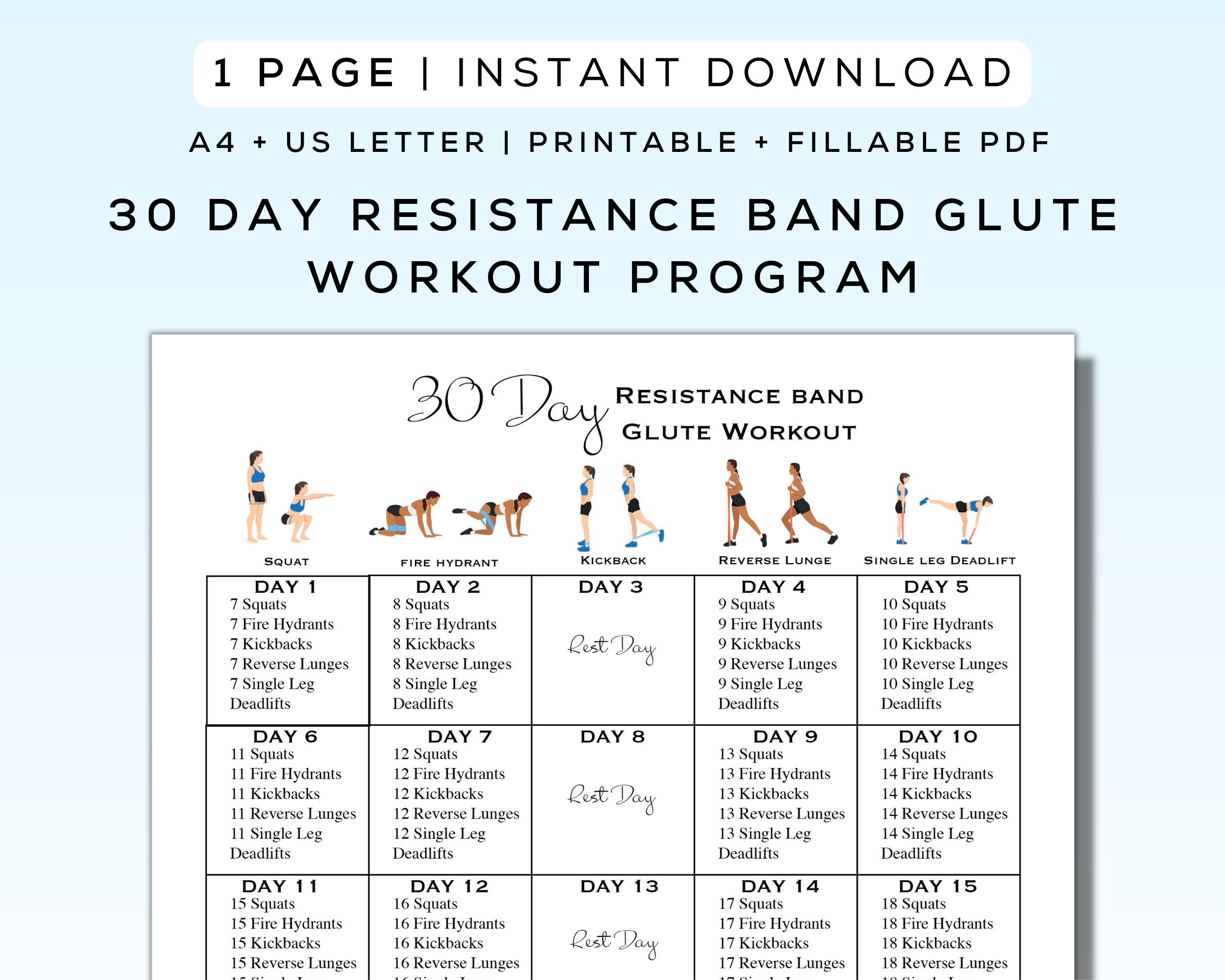
Most people focus only on the maximus, but balanced training for all three creates better shape, strength, and injury protection.
Credit: www.etsy.com
How The Glutes Work In Daily Life
You use your glutes for more than you think:
- Walking and running: Help propel your body forward and keep your pelvis stable.
- Standing up: Essential for rising from a chair or squat.
- Climbing stairs or hills: Major source of power.
- Lifting: Protect your lower back by sharing the load.
If your glutes are underused, other muscles (like your lower back or hamstrings) take over, which can lead to pain or injury over time.
Common Glute Training Mistakes
Many people train their glutes without seeing results. Here are some reasons why:
- Not activating the glutes: Some people have “sleepy glutes” that don’t fire during exercises.
- Poor exercise selection: Only doing squats or lunges won’t hit all parts of the glutes.
- Incorrect form: Bad technique leads to less muscle growth and more chance of injury.
- Not enough resistance: Using weights that are too light won’t challenge your muscles.
- Lack of variety: Repeating the same moves causes a plateau.
One non-obvious insight: Even if you’re lifting heavy, your glutes may not be doing the work. Learning proper activation is key.

Credit: www.hevyapp.com
Glute Workout Program Principles
A good glute workout program is built on these key ideas:
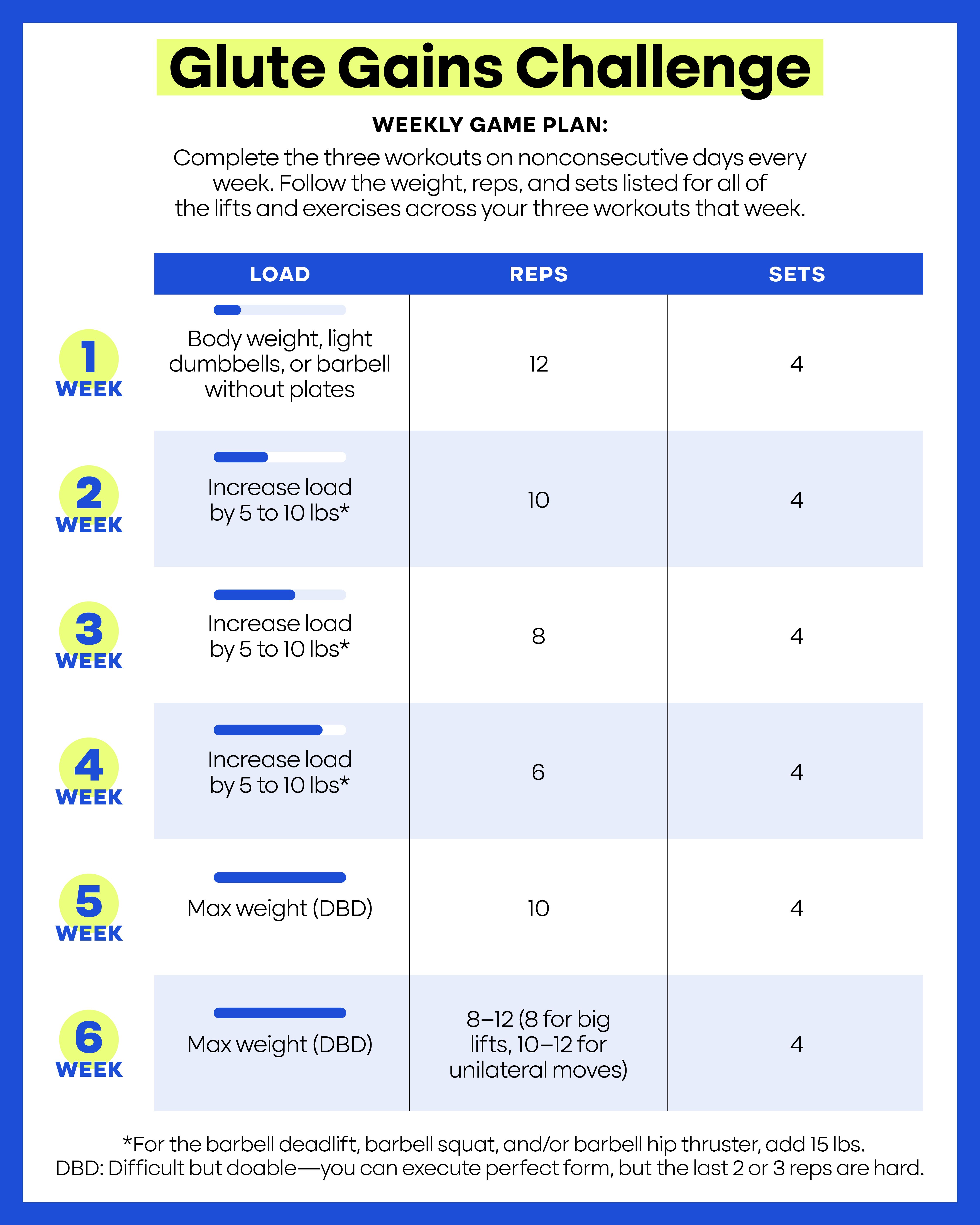
- Progressive overload: Gradually increase weight or difficulty.
- Variety: Use a mix of compound (multi-joint) and isolation (single-muscle) exercises.
- Frequency: Train your glutes 2–3 times per week for best results.
- Recovery: Muscles grow when you rest, not just when you train.
- Mind-muscle connection: Focus on squeezing the glutes during each rep.
Let’s compare how these principles stack up against a typical leg workout:
| Principle | Standard Leg Workout | Glute-Focused Program |
|---|---|---|
| Exercise Variety | Squats, lunges only | Hip thrusts, bridges, abductions, rotations |
| Frequency | 1-2x per week | 2-3x per week |
| Muscle Focus | Quads, hamstrings | All glute muscles |
| Activation Drills | Rarely used | Essential part of warm-up |
How To Activate Your Glutes
Before you start your main workout, it’s important to “wake up” your glute muscles. This helps you feel and use them during bigger lifts. Here’s how to do it:
- Glute bridges: Lie on your back, bend your knees, and press your hips up while squeezing your glutes.
- Clamshells: Lie on your side, knees bent, open your top knee while keeping your feet together.
- Quadruped hip extensions (Donkey kicks): On hands and knees, lift one leg up and back, keeping your knee bent.
Do each exercise for 2 sets of 15–20 reps as part of your warm-up. Focus on slow, controlled movement and squeezing the glutes at the top.
Essential Glute Exercises
You need a mix of movements for full development. Here are the best types, with examples:
Hip Extension Exercises
These moves target the gluteus maximus.
- Barbell hip thrusts
- Glute bridges
- Deadlifts
- Romanian deadlifts
- Good mornings
Hip Abduction Exercises
These target the gluteus medius and minimus.
- Cable or banded side leg raises
- Seated band abductions
- Standing cable abductions
- Lateral band walks
Compound Leg Exercises
These work the glutes along with other muscles.
- Squats (especially deep squats)
- Bulgarian split squats
- Reverse lunges
- Step-ups
Rotation And Stabilization
These help with functional strength and stability.
- Single-leg Romanian deadlift
- Curtsy lunge
- Cable hip external rotation
Isolation Moves
To really “finish off” the glutes at the end of a workout.
- Frog pumps
- Kickbacks
- Cable pull-throughs
Sample Weekly Glute Workout Plan
Here’s a sample plan for three glute-focused sessions per week. You can add upper body or cardio workouts on other days.
Day 1: Heavy Hip Thrust + Compound Focus
- Glute activation drills (see above)
- Barbell hip thrust – 4 sets x 8–10 reps
- Bulgarian split squat – 3 sets x 10 reps per leg
- Romanian deadlift – 3 sets x 8–10 reps
- Seated band abductions – 3 sets x 15–20 reps
- Standing cable abduction – 2 sets x 15 reps per side
Day 2: Glute Shape And Isolation
- Glute activation drills
- Deep goblet squat – 4 sets x 12 reps
- Dumbbell step-ups – 3 sets x 12 reps per leg
- Cable glute kickback – 3 sets x 15 reps per leg
- Frog pumps – 3 sets x 20 reps
- Lateral band walks – 2 sets x 20 steps
Day 3: Power, Rotation, And Stability
- Glute activation drills
- Deadlift (conventional or sumo) – 4 sets x 6–8 reps
- Curtsy lunge – 3 sets x 12 reps per leg
- Single-leg Romanian deadlift – 3 sets x 10 reps per leg
- Cable hip external rotation – 2 sets x 15 reps per side
- Glute bridge hold – 2 sets x 30 seconds
Rest 60–90 seconds between sets. Adjust weight so the last few reps are challenging but with good form.
Progression And Tracking
Muscles grow when you make them work harder over time. Here’s how to progress:
- Add weight: Increase resistance when you can finish all sets and reps with good form.
- Add reps: Try 1–2 extra reps per set before raising the weight.
- Slow down: Pausing at the top or lowering slowly increases muscle tension.
- Change angles: Small changes in foot or hip position can hit different parts of the glutes.
Keep a workout log. Write down exercises, sets, reps, and weights. Tracking helps you see progress and avoid plateaus.
Equipment: What You Need (and Don’t)
You don’t need a fancy gym for a great glute workout. Here’s a quick comparison of home vs. gym options:
| Equipment | Home | Gym |
|---|---|---|
| Resistance bands | Essential for abductions, kickbacks | Useful for warm-ups |
| Dumbbells | Step-ups, split squats, RDLs | Good for most lifts |
| Barbell | Optional (if available) | Best for hip thrusts, deadlifts |
| Cable machine | Usually not available | Great for abductions, kickbacks |
| Bench or sturdy chair | Step-ups, hip thrusts | Standard bench |
If you train at home, invest in a set of loop resistance bands and a pair of adjustable dumbbells. This is enough for most exercises.
How To Warm Up And Cool Down
Warming up is key for both performance and safety. Here’s a simple approach:
- 5 minutes light cardio: Fast walking, cycling, or jumping jacks.
- Glute activation drills: As listed earlier.
- Dynamic stretching: Leg swings, deep squats, or hip circles.
After your session, cool down with:
- Gentle stretching: Hold each glute stretch for 30 seconds.
- Foam rolling: Roll your glutes, hamstrings, and lower back gently.
One insight many beginners miss: Activation and dynamic moves before training help prevent your back and hamstrings from taking over during glute exercises.
Tips For Better Glute Gains
Here are strategies to get the most from your glute workouts:
- Focus on quality, not just quantity. Each rep should be controlled, with a strong squeeze at the top.
- Use mirrors or video. Check your form and make sure your hips aren’t twisting or dipping.
- Don’t neglect hip abduction. Side movements shape your outer glutes and help knee stability.
- Eat enough protein. Muscle growth needs fuel. Aim for 0.7–1 gram per pound of body weight if you want to build muscle.
- Rest and recover. Overtraining can lead to fatigue or injury. Take at least one full rest day per week.
Customizing Your Glute Program
Every body is different. Here’s how to adjust the program for your needs:
For Beginners
- Start with bodyweight moves and light bands.
- Focus on perfecting form and feeling the glutes working.
- Train 2 times per week at first.
For Intermediate/advanced
- Use heavier weights and slow, controlled reps.
- Try advanced moves like single-leg hip thrusts or deficit reverse lunges.
- Add drop sets or supersets for extra challenge.
For Athletes
- Include power moves like jump squats or kettlebell swings.
- Use single-leg stability exercises to prevent sports injuries.
For Aesthetics
- Add more volume (extra sets and reps) to focus on muscle size.
- Use mind-muscle connection—really concentrate on the squeeze.
If you feel pain in your knees or back, review your form and reduce weight. Glute training should challenge the muscles, not your joints.
Glute Training And Fat Loss
Many people want a toned backside. Here’s the truth: You can’t “spot reduce” fat from just your glutes, but building muscle there helps shape your body. Combining this program with a slight calorie deficit and enough protein can lead to a rounder, tighter look as you lose body fat.
A helpful tip: If fat loss is your main goal, add 2–3 sessions of moderate cardio per week, but keep your glute strength work as a priority.
How Long Until You See Results?
Most people notice small changes in 4–6 weeks with consistent training and diet. For bigger shape or strength improvements, expect 3–6 months. Progress depends on:
- Training consistency
- Nutrition (especially protein)
- Genetics
- Sleep and stress levels
Taking progress photos every few weeks helps you see changes that are easy to miss in the mirror.
Nutrition For Glute Growth
You can’t out-train a poor diet. Here are simple guidelines:
- Eat enough calories: To build muscle, you need a slight calorie surplus.
- Prioritize protein: Chicken, fish, eggs, tofu, and beans are good sources.
- Healthy fats and carbs: Fuel your workouts with whole grains and good fats (like olive oil, nuts, avocado).
- Stay hydrated: Muscles work better when you’re well hydrated.
If you’re unsure of your needs, use an online calculator to estimate your calorie and protein goals.
Tracking And Measuring Progress
Numbers on the scale don’t tell the whole story. Here’s how to track your glute gains:
- Take hip and glute measurements every 2–4 weeks.
- Use photos from the back and side in the same lighting.
- Note strength gains in exercises like hip thrusts or squats.
Another insight: Sometimes your weight stays the same, but your shape changes as muscle replaces fat.
Advanced Glute Training Techniques
Ready to take it up a notch? Try these advanced strategies:
- Paused reps: Hold the top of a hip thrust or bridge for 2–3 seconds.
- Tempo training: Lower weights slowly for 3–4 seconds, then power up quickly.
- Supersets: Pair two glute exercises back to back (like hip thrusts and abductions).
- Drop sets: After finishing a set, drop the weight and do more reps.
These methods increase muscle tension and can help break through plateaus.
Glute Training For Men Vs. Women
Both men and women benefit from glute training. The basics are the same, but here are some differences:
- Men may want to focus more on strength and power (heavier lifts, lower reps).
- Women often respond well to higher reps and more volume for shaping.
No matter your gender, the best results come from using a mix of heavy and light weights, with both compound and isolation moves.
Troubleshooting: Why Aren’t My Glutes Growing?
If you’re not seeing results, check these points:
- Are you using enough weight?
- Are you really feeling your glutes work, or do you feel it more in your back or thighs?
- Are you eating enough protein and calories?
- Are you changing exercises or reps every few weeks to keep challenging your body?
- Are you getting enough sleep?
Often, a small tweak in form or routine makes a big difference.
Sample Glute Activation Warm-up Routine
Here’s a quick routine you can do before any glute workout:
- Glute bridges: 2 sets x 15 reps
- Clamshells with band: 2 sets x 20 reps each side
- Quadruped hip extension (donkey kicks): 2 sets x 15 reps each side
- Standing lateral band walks: 2 sets x 20 steps
Do these with slow, controlled movement. Focus on feeling your glutes squeeze.
Example Progress Tracking Log
Keeping a simple log helps you stay motivated and spot trends. Here’s an example:
| Date | Exercise | Sets | Reps | Weight | Notes |
|---|---|---|---|---|---|
| May 1 | Barbell Hip Thrust | 4 | 10 | 95 lbs | Felt strong, add weight next time |
| May 4 | Bulgarian Split Squat | 3 | 12 | 25 lbs (dumbbells) | Right knee wobbled, focus on balance |
Reviewing your log weekly helps you spot patterns and adjust as needed.
Safety Tips For Glute Training
- Always warm up first to avoid muscle strains.
- Use proper form: Start with lighter weights until you master technique.
- Don’t rush: Quality beats speed for muscle growth and safety.
- Stop if you feel sharp pain: Muscle burn is normal, but joint pain is not.
- Stretch and recover: Give your muscles time to repair.
If you have any medical conditions or injuries, talk to a health professional before starting a new workout program.
For More Information
If you want to dive deeper into the science of glute training, check out this summary from the National Institutes of Health.
Credit: www.womenshealthmag.com
Frequently Asked Questions
How Often Should I Train My Glutes For Best Results?
For most people, 2–3 times per week is ideal. This lets your muscles recover and grow between sessions. If you’re new, start with 2 days and increase as your body adapts.
Do I Need Special Equipment For Glute Workouts?
No, you can get great results with just your body weight and bands. Dumbbells and a bench or sturdy chair help add variety. If you have access to a gym, barbells and cables provide more resistance.
Why Don’t I Feel My Glutes Working During Exercises?
This is common, especially for beginners. Try activation drills before your main workout, slow your reps, and focus on squeezing your glutes at the top of each movement. Check your form and avoid letting your lower back or thighs take over.
Can I Build Bigger Glutes While Losing Fat?
Yes, but it’s slower than when eating more calories. Focus on protein intake, strength training, and a small calorie deficit. You may see shape changes even if the scale doesn’t move much.
How Long Will It Take To See A Difference In My Glutes?
With regular, focused training and good nutrition, most people notice a difference in 4–6 weeks. Bigger changes in shape or strength can take several months. Consistency is key.
Building strong, well-shaped glutes takes effort, patience, and the right plan. This program gives you a step-by-step approach to grow, lift, and strengthen your glutes—whether you train at home or in the gym. Stay consistent, adjust as needed, and enjoy the benefits of a stronger, healthier body.
