

Effective Glute Workout
Strong glutes are more than just a trend. They are the foundation for powerful movement, better posture, and injury prevention. Many people focus on glute training for aesthetics, but the benefits reach far beyond looks. If you want to walk, run, lift, or even sit with less pain, your glute muscles—especially the gluteus maximus, gluteus medius, and gluteus minimus—should be activated and strong.
A good glute workout does not require fancy equipment or long hours in the gym. What matters most is technique, exercise selection, and consistency. Whether you are a beginner or advanced, this guide will show you how to build and shape your glutes with proven exercises, practical advice, and science-backed tips.
You will also learn common mistakes, how to progress, and how to customize your routine for your goals.
Why Strong Glutes Matter
Your glutes are the largest muscles in your body. They help with hip movement, balance, and even protect your lower back. Weak glutes can cause poor posture, back pain, and knee injuries. Many daily movements—like climbing stairs or lifting heavy objects—depend on glute power.
A study published in the Journal of Strength and Conditioning Research found that strong glutes improve athletic performance, especially in jumping, sprinting, and lifting. People with weak glutes often experience hip and knee pain due to poor alignment and overuse of other muscles.
Key Benefits Of Glute Training
- Improved posture: Glutes help support your spine and keep your pelvis stable.
- Better balance: Strong glutes reduce the risk of falls and injuries.
- Enhanced athletic performance: Speed, power, and agility depend on hip strength.
- Reduced back pain: Glutes protect your lower back by stabilizing your core.
- Joint protection: Healthy glutes reduce stress on knees and hips.
Understanding Glute Anatomy
To train your glutes effectively, you must know their structure and function. The glute muscles are divided into three main parts:
- Gluteus maximus: The largest, responsible for hip extension and outward rotation.
- Gluteus medius: Located on the side, controls hip abduction and stabilization.
- Gluteus minimus: Smaller, assists the medius in hip movement and stability.
Each muscle plays a unique role. For example, the maximus is activated during squats and hip thrusts, while the medius and minimus help with side movements and balance.
How Glutes Work In Daily Life
When you walk, run, or climb stairs, your glutes keep your hips level and your pelvis stable. Weak glutes can lead to compensation by other muscles, causing strain and pain over time. Activating all three glute muscles ensures balanced development and better function.
The Science Of Glute Activation
Many people go through glute workouts without feeling their muscles work. This is called “glute amnesia” or “sleepy glutes.” It happens when other muscles take over, and the glutes remain inactive. To avoid this, you must learn how to activate your glutes before starting your workout.
Glute Activation Techniques
Before any glute workout, warm up with exercises that target the glutes directly. Here are three top glute activation moves:
- Glute bridges: Lie on your back, knees bent, feet flat. Lift your hips, squeeze your glutes, hold, and lower.
- Clamshells: Lie on your side, knees bent. Open your top knee while keeping your feet together. Pause and return.
- Monster walks: Place a resistance band around your thighs. Step sideways, keeping tension in the band.
Perform each activation exercise for 10–15 reps. Focus on feeling the glutes working. This helps prevent other muscles from taking over during your main workout.
Why Activation Matters
Activation improves mind-muscle connection. When you feel the glutes working, you get better results. It also reduces injury risk by preparing your muscles for heavier lifts and complex movements.
Essential Glute Exercises
You do not need dozens of exercises to build strong glutes. The most effective glute workout includes a mix of compound and isolation movements. Compound exercises work multiple muscles, while isolation moves target the glutes directly.
| Exercise | Main Glute Muscle Targeted | Equipment Needed | Difficulty Level |
|---|---|---|---|
| Hip Thrust | Gluteus maximus | Barbell or bodyweight | Intermediate |
| Squat | Gluteus maximus | Dumbbell, barbell, or bodyweight | Beginner–Advanced |
| Lunge | Gluteus maximus, medius | Dumbbell or bodyweight | Beginner–Intermediate |
| Deadlift | Gluteus maximus | Barbell or dumbbell | Intermediate–Advanced |
| Step-Up | Gluteus maximus, medius | Bench or box | Beginner–Intermediate |
| Glute Bridge | Gluteus maximus | Bodyweight | Beginner |
| Clamshell | Gluteus medius, minimus | Resistance band | Beginner |
Hip Thrust
The hip thrust is often called the king of glute exercises. It targets the gluteus maximus and produces high muscle activation, as proven in EMG studies.
- Sit on the floor with your upper back against a bench.
- Roll a barbell over your hips (or use bodyweight).
- Plant your feet, push your hips up, squeeze your glutes, and lower.
- Perform 10–12 reps for 3–4 sets.
Tip: Pause at the top for maximum squeeze. Do not let your lower back arch.
Squat
Squats are a classic lower body exercise. They activate the glutes, quads, and hamstrings.
- Stand with feet shoulder-width apart.
- Hold a barbell or dumbbells (optional).
- Lower your body, keeping your chest up and back straight.
- Push through your heels to stand up.
- Do 8–15 reps for 3–4 sets.
Tip: Go as low as you can safely. Depth increases glute activation.
Lunge
Lunges build single-leg strength and balance. They hit both the gluteus maximus and medius.
- Step forward with one leg, lower your hips, and bend both knees.
- Push back to the starting position.
- Repeat for 10–12 reps on each leg.
Tip: Keep your torso upright. Do not let your knee go past your toes.
Deadlift
Deadlifts are powerful for the posterior chain, including glutes and hamstrings.
- Stand with feet hip-width apart.
- Hold a barbell or dumbbells.
- Bend at hips and knees, lower the weight, keep your back flat.
- Stand up by squeezing your glutes.
Tip: Start light to master form. Do not round your back.
Step-up
Step-ups are simple but effective. They develop glute power and stability.
- Place one foot on a bench or box.
- Push through your heel, step up, and bring the other leg up.
- Step down and repeat.
Tip: Use a height that challenges you but allows safe movement.
Glute Bridge
Glute bridges are great for beginners. They activate the gluteus maximus and help with glute engagement.
- Lie on your back, knees bent, feet flat.
- Lift your hips, squeeze your glutes, and lower.
Tip: Do not use your lower back. Focus on muscle contraction.
Clamshell
Clamshells target the gluteus medius and minimus. They improve hip stability.
- Lie on your side, knees bent.
- Open your top knee, keep feet together, pause, and close.
Tip: Use a resistance band for added challenge.
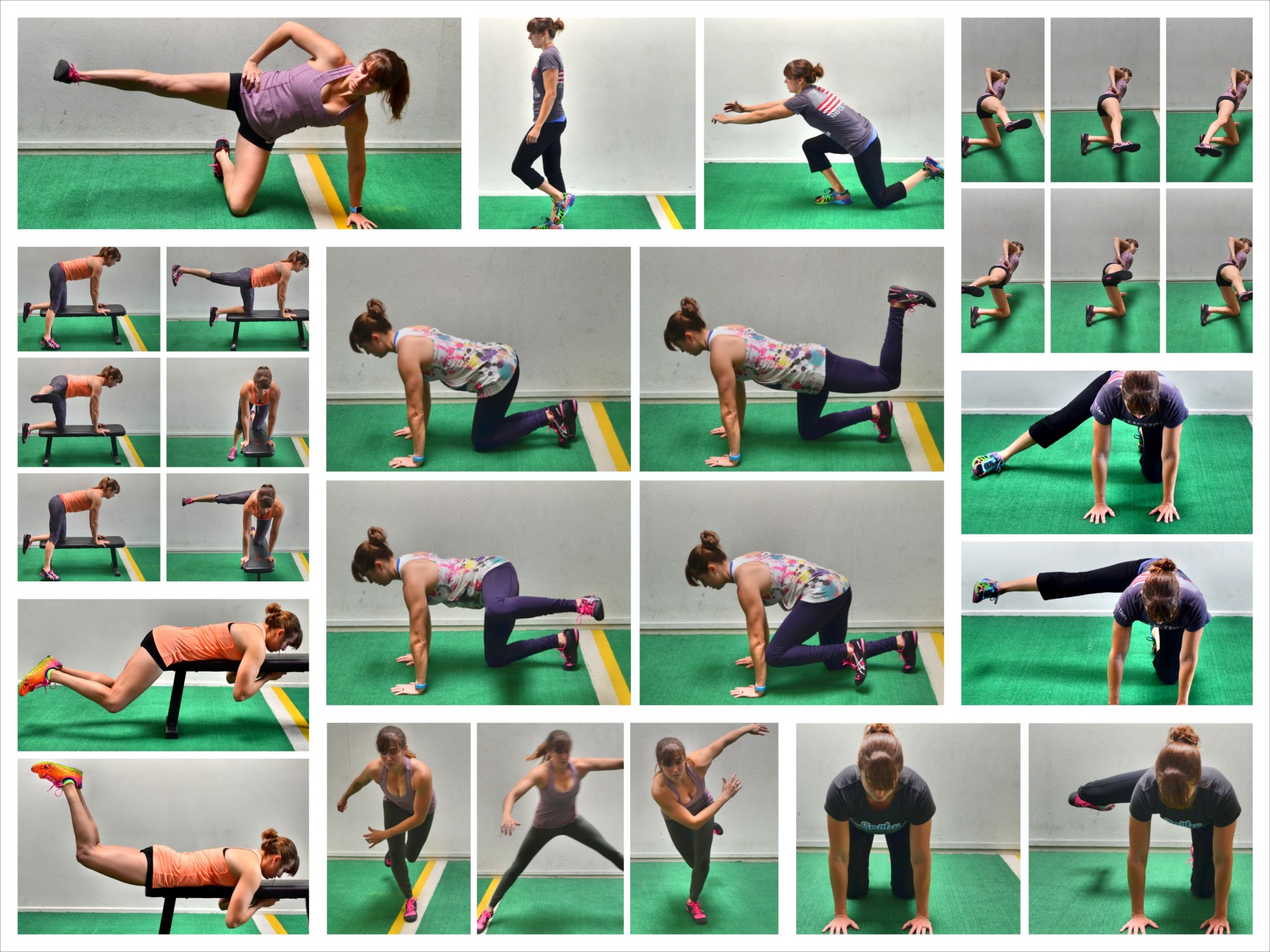
Credit: redefiningstrength.com
Structuring Your Glute Workout
A well-designed workout combines compound and isolation exercises. You can do 2–3 glute workouts per week for best results. Rest is important for muscle recovery.
Sample Glute Workout Routine
Warm-up (5–10 minutes):
- Glute bridges: 15 reps
- Clamshells: 15 reps per side
- Monster walks: 20 steps
Main Workout:
- Hip thrust: 4 sets x 10 reps
- Squat: 3 sets x 12 reps
- Lunge: 3 sets x 10 reps per leg
- Deadlift: 3 sets x 8 reps
- Step-up: 3 sets x 10 reps per leg
- Glute bridge: 3 sets x 15 reps
Cooldown:
- Stretch your hips, quads, hamstrings, and glutes for 5–10 minutes.
Tip: Allow at least 48 hours between glute sessions to recover.
How To Progress
To build strength and muscle, you must challenge your glutes over time. This is called progressive overload. Increase weight, reps, or sets every few weeks. For example, add 5–10 pounds to your hip thrust or squat as you get stronger.
Non-obvious insight: Progress does not always mean adding weight. You can slow down reps, add a pause, or change foot position for new stimulus.
Glute Workout For Different Goals
Your training plan depends on what you want to achieve. Some people want bigger glutes, others want more strength or endurance. Here’s how to tailor your routine.
For Muscle Growth
- Use moderate to heavy weights (60–80% of max).
- Aim for 8–12 reps per set.
- Focus on compound lifts (hip thrust, squat, deadlift).
- Rest 60–90 seconds between sets.
For Strength
- Use heavy weights (80–90% of max).
- Perform 4–6 reps per set.
- Prioritize hip thrusts and deadlifts.
- Rest 2–3 minutes between sets.
For Endurance
- Use lighter weights or bodyweight.
- Do 15–20 reps per set.
- Short rest (30–45 seconds).
- Include more isolation moves (glute bridge, clamshell).
For Athletic Performance
- Mix compound lifts with explosive moves (box jumps, sprinting).
- Train both strength and speed.
- Use unilateral exercises (lunges, step-ups) for balance.
Glute Workout At Home
You do not need a gym for an effective glute workout. Many exercises can be done at home with little or no equipment.
Bodyweight Glute Routine
Warm-up:
- Glute bridges: 15 reps
- Monster walks: 20 steps
Main Workout:
- Squat: 3 sets x 15 reps
- Reverse lunge: 3 sets x 12 reps per leg
- Step-up (use a chair): 3 sets x 10 reps per leg
- Single-leg glute bridge: 3 sets x 12 reps per leg
- Clamshell (with band): 3 sets x 15 reps per side
Tip: If you have resistance bands, use them for extra challenge.
Using Household Items
Try filling a backpack with books for added weight during squats or lunges. Use a sturdy chair for step-ups. Resistance bands are affordable and easy to use.
Common Glute Training Mistakes
Many people spend time on glute workouts but see little progress. Avoid these mistakes for better results.
| Mistake | Impact | How to Fix |
|---|---|---|
| Neglecting glute activation | Low muscle engagement | Always warm up with activation drills |
| Using poor form | Injury risk, low results | Focus on slow, controlled movement |
| Not progressing | Plateau in strength and size | Add weight or reps regularly |
| Training only one muscle | Imbalance, risk of injury | Include exercises for all glute muscles |
| Skipping recovery | Muscle fatigue, slow progress | Rest at least 48 hours between sessions |
Non-obvious insight: Many people lean forward too much during squats and lunges, which shifts effort away from the glutes. Keep your torso upright and push through your heels.
Nutrition For Glute Growth
Exercise alone will not build strong glutes. Nutrition is equally important. Muscles need protein, carbohydrates, and healthy fats to grow and repair.
Key Nutritional Tips
- Protein: Eat 1.2–1.6 grams per kilogram of body weight daily. Good sources are chicken, eggs, Greek yogurt, and beans.
- Carbohydrates: Fuel your workouts with whole grains, fruits, and vegetables.
- Healthy fats: Avocado, nuts, and olive oil support hormone health.
- Hydration: Drink enough water to help muscle recovery and energy.
Non-obvious insight: Eating protein within 1–2 hours after your workout helps muscle repair. This is called the “anabolic window,” and it can boost results.
Recovery And Mobility
Rest and recovery are essential for glute development. Muscles need time to repair after exercise. Overtraining leads to fatigue and slow progress.
Recovery Strategies
- Take 1–2 rest days per week.
- Stretch glutes, hips, and hamstrings after workouts.
- Use foam rollers to release tight muscles.
- Sleep 7–9 hours per night for better recovery.
Mobility is also key. Tight hip flexors and hamstrings can limit glute activation. Add mobility drills—like hip circles or lunges with a twist—to your routine.
Glute Workout For All Ages And Levels
Glute training is safe and beneficial for all ages. Older adults, athletes, and beginners can adapt exercises to their needs.
For Beginners
- Start with bodyweight moves (glute bridge, squat).
- Focus on form and activation.
- Gradually add resistance.
For Seniors
- Use chairs or walls for support.
- Do step-ups and glute bridges.
- Stretch regularly for mobility.
For Advanced
- Increase weights and intensity.
- Try single-leg variations (Bulgarian split squat).
- Use bands and barbells.
Tracking Progress
If you want results, track your glute workout. Keep a notebook or app to log sets, reps, and weights. Take progress photos every 4–6 weeks. Measure your hip and thigh circumference to see changes.
Non-obvious insight: The mind-muscle connection improves with tracking. When you record your workouts, you pay more attention to technique and effort.
Glute Training Myths
Many myths surround glute workouts. Knowing the truth will help you avoid mistakes.
Common Myths
- You must train glutes daily: Muscles need rest. 2–3 sessions per week are enough.
- Squats alone build glutes: Squats help, but hip thrusts and isolation moves are essential.
- Women should avoid heavy weights: Heavy weights do not make you bulky. They build strength and shape.
- Glute workouts are only for athletes: Everyone benefits, from office workers to seniors.
- Spot reduction is possible: You cannot burn fat from just your glutes. Fat loss is whole-body.
Advanced Glute Training Techniques
If you want extra challenge, try advanced methods.
Techniques For Progress
- Tempo training: Slow down the lowering phase (eccentric) of your lifts. For example, take 3 seconds to lower in a squat.
- Pause reps: Hold at the hardest point, like the top of a hip thrust, for 2–3 seconds.
- Unilateral training: Train one leg at a time (single-leg deadlift, Bulgarian split squat).
- Drop sets: Do your regular set, then reduce weight and continue for more reps.
Non-obvious insight: Changing exercise order can improve results. Start with hip thrusts instead of squats for higher glute activation.

Credit: samarthyaclasses.com
Glute Workout For Injury Prevention
Weak glutes can cause knee, hip, and back pain. Glute training helps prevent injuries by improving alignment and strength.
Injury Prevention Tips
- Activate glutes before running or sports.
- Include lateral movements (side lunges, band walks).
- Stretch hips and lower back regularly.
- Balance glute training with core exercises.
Glute Workout For Men Vs. Women
Both men and women can benefit from glute workouts. While goals may differ (shape vs. strength), the exercises are similar. Women often focus on muscle growth and shape, while men aim for power and stability.
Differences In Training
- Women may use higher reps and more isolation moves.
- Men often focus on heavy compounds like deadlifts and hip thrusts.
- Both should train all glute muscles for balanced results.
Sample Weekly Glute Training Plan
Here is a sample weekly plan you can adapt:
Day 1: Strength
- Hip thrust: 4 x 8
- Deadlift: 4 x 6
- Squat: 3 x 10
- Clamshell: 3 x 12
Day 3: Shape
- Lunge: 3 x 12 per leg
- Step-up: 3 x 10 per leg
- Glute bridge: 3 x 15
- Monster walk: 2 x 20 steps
Day 5: Power
- Box jump: 4 x 6
- Single-leg deadlift: 3 x 10 per leg
- Bulgarian split squat: 3 x 8 per leg
Rest on other days. Adjust volume and exercises as needed.
Glute Workout For Sports
Athletes need strong glutes for running, jumping, and quick direction changes.
Athletic Glute Routine
- Hip thrusts for sprint power.
- Single-leg squats for balance.
- Plyometric moves (box jumps) for speed.
Tip: Combine glute training with agility drills for best performance.
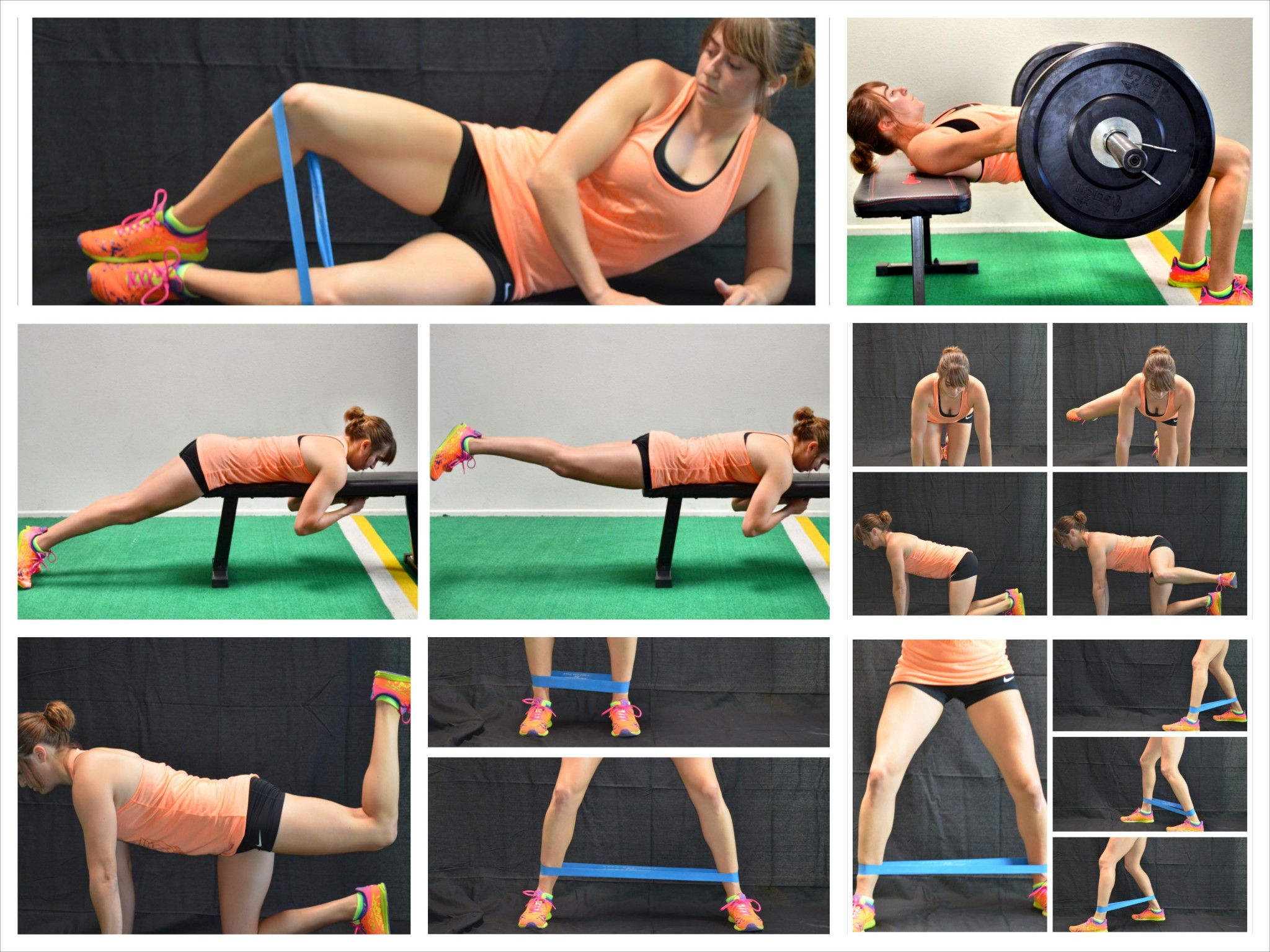
Credit: www.bibliotecaoscura.com
Glute Workout For Office Workers
Sitting all day weakens the glutes. Office workers should add activation and stretching to their routine.
Simple Moves For Workdays
- Stand up every hour and do 10 bodyweight squats.
- Perform glute bridges at home.
- Stretch hip flexors to reduce tightness.
Glute Workout And Cardio
You can combine glute training with cardio for fat loss and endurance. Try hill sprints, stair climbing, or cycling.
Tip: Always warm up and activate glutes before cardio for better performance.
Glute Workout Equipment Guide
Different tools can make your glute workout more effective.
| Equipment | Benefit | Best Exercises |
|---|---|---|
| Resistance bands | Extra tension, easy to use | Clamshell, monster walk, squat |
| Dumbbells | Increase intensity | Lunge, step-up, deadlift |
| Barbell | Heavy lifts for strength | Hip thrust, squat, deadlift |
| Bench/box | Support for step-ups and hip thrusts | Step-up, hip thrust |
| Foam roller | Recovery and mobility | Glute release, hamstring stretch |
Tip: Choose equipment based on your space and budget. Bands are great for home use.
Glute Workout Motivation
Staying motivated can be tough. Set clear goals and track progress. Join a group or find a workout partner. Celebrate small wins, like lifting heavier or feeling more confident.
Non-obvious insight: Motivation increases when you notice daily improvements, like walking up stairs with ease or less back pain.
Frequently Asked Questions
How Many Times Per Week Should I Train My Glutes?
You should train your glutes 2–3 times a week for best results. This allows time for recovery and muscle growth. Avoid training glutes every day, as overuse can cause fatigue and slow progress.
What Is The Best Exercise For Building Glutes?
The hip thrust is often called the best glute-building exercise. EMG studies show it activates the gluteus maximus more than squats or lunges. Combine hip thrusts with squats, deadlifts, and isolation moves for complete development.
Do I Need Weights For An Effective Glute Workout?
Weights add intensity, but you can build strong glutes with bodyweight exercises and resistance bands. Use household items for extra resistance if you do not have gym equipment. Focus on technique and progression.
How Long Does It Take To See Results From Glute Training?
Most people see changes in 4–8 weeks with consistent training and good nutrition. Visible results depend on genetics, diet, and workout intensity. Track your progress with photos and measurements for motivation.
Are Glute Workouts Safe For Beginners And Older Adults?
Yes, glute workouts are safe for all ages when done with proper form and gradual progression. Start with bodyweight moves and avoid heavy weights until you master technique. Consult a fitness professional if you have health concerns.
Building strong glutes is a journey. With the right exercises, proper nutrition, and smart recovery, anyone can improve their glute strength and function. Remember, consistency is key. Whether your goal is power, shape, or health, follow these tips and routines for lasting results. For more scientific information on muscle activation and exercise selection, visit National Institutes of Health. Your glutes are the base for movement—train them wisely and enjoy the benefits every day.
