

Glute And Quad Workout: Build Stronger Legs Fast
Glute And Quad Workout: Build Strong, Balanced Legs
Strong, well-shaped legs are not just for athletes or bodybuilders. Anyone can benefit from training their glutes (butt muscles) and quads (front thigh muscles). These large muscle groups help you walk, run, climb stairs, lift heavy things, and even sit or stand with good posture. If you want a more toned lower body, better sports performance, or less risk of injury, focusing on your glutes and quads is a smart move.
This article is your detailed guide to glute and quad workouts. You'll learn why these muscles matter, how to train them the right way, and get practical routines for every level. We’ll cover exercises, tips, mistakes to avoid, and even answer common questions.
Whether you’re a beginner or already lifting, you’ll find fresh ideas and clear advice. Ready to build strong, balanced legs that look as good as they work? Let’s get started.
Why Glute And Quad Training Matters
Your glutes and quads are among the largest and most powerful muscles in your body. The glutes include three main muscles—the gluteus maximus, gluteus medius, and gluteus minimus. The quads (quadriceps) are made up of four muscles on the front of your thigh. Together, they control many movements: standing up, walking, running, jumping, and stabilizing your hips and knees.
Benefits Beyond Appearance
A good glute and quad workout does more than shape your body. Here are some key benefits:
- Better Athletic Performance: Strong glutes and quads help you jump higher, sprint faster, and change direction quickly. That’s why athletes focus on these muscles.
- Injury Prevention: Weak glutes can lead to knee pain, back pain, and poor balance. Strong quads support your knees and reduce stress on joints.
- Everyday Strength: From carrying groceries to climbing stairs, you use these muscles daily. Training them makes daily life easier.
- Boosted Metabolism: Building muscle in your legs increases calorie burn, even at rest.
- Improved Posture: Glutes stabilize your pelvis and lower back, helping you stand taller and move better.
Many people focus on arms or abs, but the lower body is your true power base. If you want a balanced, strong, and healthy body, don’t ignore your glutes and quads.
Anatomy Of Glutes And Quads
Understanding the muscles you train helps you target them better and avoid injury. Here’s a simple breakdown.
Glute Muscles
- Gluteus Maximus: The biggest glute muscle. It gives your butt its shape and is key for hip extension (moving your leg backward).
- Gluteus Medius: On the outer side of your hip. It helps move your leg out to the side and stabilizes your pelvis when you walk or run.
- Gluteus Minimus: The smallest glute, under the medius. It supports hip stability and rotation.
Quadriceps Muscles
- Rectus Femoris: Runs down the front of the thigh. It helps extend the knee and flex the hip.
- Vastus Lateralis: On the outside of the thigh, important for knee extension.
- Vastus Medialis: On the inner side of the thigh, often called the “teardrop” muscle.
- Vastus Intermedius: Located under the rectus femoris, also helps extend the knee.
Knowing these muscles helps you choose the right exercises and notice imbalances. For example, if your gluteus medius is weak, your knees might cave in during squats.
Key Principles For Glute And Quad Workouts
Before jumping into exercises, it’s important to understand some basic training principles. These will help you get results and avoid common mistakes.
Progressive Overload
To get stronger and build muscle, you must challenge your muscles over time. This is called progressive overload. You can do it by:
- Adding more weight
- Doing more repetitions or sets
- Using harder exercises or slower tempo
Small, steady increases are better than big jumps. For example, if you squat 50 lbs for 10 reps, try 52 lbs or 11 reps next week.
Exercise Selection
Don’t just do one exercise. Use a mix of compound movements (work many muscles at once) and isolation exercises (focus on one muscle). For glutes and quads, squats and lunges are compound moves, while leg extensions and hip thrusts are isolation.
Frequency And Recovery
Training glutes and quads 2–3 times per week works well for most people. Muscles need time to recover and grow, so avoid working the same group every day. Rest, sleep, and nutrition are just as important as exercise.
Good Form
Proper technique keeps you safe and ensures you train the right muscles. If you feel pain in your knees or lower back, check your form or lower the weight.
Mind-muscle Connection
Focus on feeling the target muscle work during each exercise. This can increase muscle growth, especially for glutes. Squeeze your glutes at the top of hip thrusts, or press through your heels during squats.
Best Glute And Quad Exercises (with Variations)
There are many ways to train your glutes and quads. Here are some of the most effective exercises, from basic to advanced.
1. Squats
The squat is a classic lower body move. It trains both quads and glutes, plus your core.
- Stand with feet shoulder-width apart.
- Lower your body as if sitting back into a chair.
- Keep your back straight, knees over toes.
- Push through your heels to return to standing.
Variations:
- Goblet Squat (hold a dumbbell in front)
- Barbell Back Squat (bar on shoulders)
- Front Squat (bar on front of shoulders)
- Split Squat (one leg forward, one back)
2. Lunges
Lunges train each leg separately, improving balance and fixing muscle imbalances.
- Step forward with one leg.
- Lower your body until both knees are bent at 90 degrees.
- Push back to the starting position.
Variations:
- Walking Lunges
- Reverse Lunges
- Bulgarian Split Squat (back foot on bench)
3. Hip Thrusts
A top choice for glute growth. Focuses on hip extension.
- Sit on the ground with your upper back on a bench.
- Roll a barbell or place a weight over your hips.
- Push through your heels, lift your hips, and squeeze your glutes.
Variations:
- Single-Leg Hip Thrust
- Banded Hip Thrust (add resistance band)
4. Step-ups
Trains glutes, quads, and stabilizer muscles.
- Stand in front of a bench or box.
- Step up with one foot, press through your heel, and bring the other foot up.
- Step down carefully.
Variation: Use dumbbells or add a knee raise for balance.
5. Leg Press
A gym machine that targets quads, glutes, and hamstrings.
- Sit on the machine with feet shoulder-width apart.
- Push the platform away by straightening your legs.
- Lower slowly.
Tip: Place feet higher to hit glutes more, or lower for more quads.
6. Leg Extension
Isolates the quads.
- Sit on the machine, place ankles under the pad.
- Extend your legs until straight, then lower.
7. Glute Kickbacks
Targets the gluteus maximus.
- Get on hands and knees.
- Kick one leg straight back, squeeze the glute.
- Return and repeat.
Variation: Use ankle weights or a cable machine.
8. Sumo Deadlift
A wider-stance deadlift that works glutes, quads, and inner thighs.
- Stand with feet wide, toes out.
- Grip the bar, lift by pushing through your heels and squeezing glutes.
9. Curtsy Lunge
Hits glutes, quads, and inner thighs.
- Step one leg behind and across the other.
- Lower your body into a lunge, then return.
10. Box Squat
Good for learning squat form and building power.
- Sit back onto a box or bench, then stand up.

Credit: www.youtube.com
Sample Glute And Quad Workout Routines
Now let’s put those exercises into real workouts. Here are routines for different fitness levels. Adjust weights and reps to your ability.
Beginner Routine
Focus on learning good form and building basic strength.
- Bodyweight Squat – 3 sets x 12 reps
- Reverse Lunge – 3 x 10 each leg
- Glute Bridge – 3 x 15
- Step-Up (low box) – 2 x 10 each leg
Rest 60 seconds between sets. Perform 2 times per week.
Intermediate Routine
Add weight and more challenging moves.
- Goblet Squat – 4 x 10
- Walking Lunge – 3 x 12 each leg
- Barbell Hip Thrust – 4 x 10
- Bulgarian Split Squat – 3 x 8 each leg
- Leg Extension – 3 x 15
Rest 60–90 seconds between sets. Perform 2–3 times per week.
Advanced Routine
Increase intensity and volume for muscle growth.
- Barbell Back Squat – 5 x 8
- Romanian Deadlift – 4 x 10
- Hip Thrust (heavy) – 4 x 8
- Sumo Deadlift – 3 x 10
- Bulgarian Split Squat – 3 x 10 each leg
- Leg Press – 4 x 12
- Glute Kickback (cable) – 3 x 15 each side
Rest 90 seconds between sets. Perform 2–3 times per week.
Glute-focused Routine
Want to build your glutes more than your quads? Try this:
- Hip Thrust – 4 x 12
- Sumo Squat – 4 x 10
- Step-Up (high box) – 3 x 10 each leg
- Glute Kickback – 3 x 15
- Romanian Deadlift – 3 x 12
Quad-focused Routine
Emphasize your front thighs with these moves:
- Barbell Front Squat – 4 x 8
- Leg Press (feet low) – 4 x 12
- Walking Lunge – 3 x 15 each leg
- Leg Extension – 4 x 15
- Step-Up – 3 x 12 each leg
Comparing Workout Styles
Here’s a quick look at how different workout styles target glutes and quads:
| Routine Type | Main Focus | Best For |
|---|---|---|
| Full Body | Balanced, overall strength | Beginners, busy people |
| Lower Body Split | Glutes and quads, higher volume | Muscle growth, athletes |
| Glute Focus | Gluteus maximus, medius | Shape, strength, hip stability |
| Quad Focus | Rectus femoris, vastus group | Thigh size, knee strength |
How To Progress Your Glute And Quad Workouts
Getting results is about more than just doing the same moves every week. Here’s how to keep improving.
Add Weight Gradually
Don’t rush to lift heavy. Add a small amount of weight (2–5 lbs) when you can do all reps with good form.
Increase Reps Or Sets
If you can’t add weight, try doing more reps or an extra set.
Try Harder Variations
Move from bodyweight to dumbbells, or from goblet squat to barbell squat. Change foot positions or add pauses for extra challenge.
Use Slower Tempo
Lower the weight slowly (3–4 seconds down), then push up fast. This increases time under tension and muscle growth.
Track Your Progress
Write down your weights and reps. Seeing progress motivates you and shows when it’s time to increase the challenge.
Common Mistakes In Glute And Quad Workouts
Even experienced lifters can make mistakes that slow results or cause injuries. Here are some to watch for:
1. Using Too Much Weight
Lifting heavy with poor form can hurt your knees or back. Quality matters more than quantity. Lower the weight if you can’t control the movement.
2. Not Going Low Enough
Partial squats and shallow lunges don’t work your muscles fully. Aim for thighs parallel to the floor (or lower) in squats, and 90-degree bends in lunges.
3. Skipping Glute Activation
Many people have “sleepy glutes” from sitting too much. Before heavy lifts, do a few sets of bodyweight glute bridges or banded walks to wake up the muscles.
4. Ignoring Single-leg Exercises
If you only do two-legged moves, you might build uneven strength. Single-leg work (lunges, step-ups) fixes imbalances and improves balance.
5. Poor Knee Tracking
Letting your knees cave in or move forward too much can hurt your joints. Keep knees in line with toes during squats and lunges.
6. Not Varying Your Routine
Doing the same exercises every session leads to plateaus. Mix up moves, sets, and reps every few weeks.
Home Vs. Gym: Which Is Better For Glute And Quad Training?
You can build strong glutes and quads at home or in the gym. Each has pros and cons.
Home Workouts
Pros:
- Convenient, no travel
- No equipment needed for basics
- Good for bodyweight moves and beginners
Cons:
- Harder to add weight as you progress
- Limited variation
Gym Workouts
Pros:
- Access to heavy weights and machines
- More exercise options
- Easier to track progress
Cons:
- Requires a membership or travel
- Can be crowded
If you train at home, invest in resistance bands, dumbbells, or a kettlebell as you get stronger. For serious muscle growth, a gym with barbells and machines is helpful.
Here’s a comparison of home vs. gym options for some key exercises:
| Exercise | Home Version | Gym Version |
|---|---|---|
| Squat | Bodyweight, dumbbell | Barbell, Smith machine |
| Lunge | Walking, reverse, with bands | Dumbbell, barbell, weighted |
| Hip Thrust | Floor, with band or dumbbell | Barbell, machine |
| Leg Extension | Band extension | Machine |
| Step-Up | Chair or sturdy box | Bench, weighted |

Credit: www.antillespr.edu
Nutrition And Recovery For Muscle Growth
Building muscle is not just about exercise. What you eat and how you recover matter just as much.
Protein
Your muscles need protein to repair and grow. Aim for 0.7–1 gram of protein per pound of body weight. Good sources: chicken, eggs, fish, tofu, beans.
Carbs And Fats
Carbohydrates give you energy for hard workouts. Include rice, potatoes, bread, or fruit. Healthy fats (avocado, nuts, olive oil) help hormone balance.
Hydration
Drink water before, during, and after workouts. Muscles work better when hydrated.
Sleep
Aim for 7–9 hours per night. Most muscle recovery happens when you sleep.
Rest Days
Take at least one full rest day per week. Soreness is normal, but don’t train hard on very sore muscles.
Supplements
Supplements are not required, but some people use protein powder or creatine for extra support. Always focus on real food first.
Real-life Example: Transforming Your Lower Body
Let’s look at how targeted training changes real people. Maria, a 35-year-old office worker, started with weak glutes and tight quads. She had knee pain from running and struggled with stairs. She began a simple routine: squats, lunges, and glute bridges twice a week. After three months, she could squat her own bodyweight, her knee pain was gone, and her jeans fit better. Maria’s story is not rare—consistent glute and quad training truly makes a difference.
Advanced Tips For Better Results
Once you’ve mastered the basics, these strategies can help you break through plateaus and build even better legs.
Try Different Foot Positions
Changing your stance targets different muscles. Wider squats hit the glutes more; narrow stances focus on quads. Experiment to see what feels best.
Add Resistance Bands
Bands increase the challenge, especially at the top of movements like hip thrusts or squats. They also help with glute activation.
Supersets And Drop Sets
Do two exercises back-to-back (superset), or reduce weight and keep going after failure (drop set). Both boost muscle growth and save time.
Pre-exhaustion
Do an isolation move (like leg extension) before a compound one (like squat). This tires out the target muscle so it works harder during the main lift.
Focus On Eccentric Phase
Lower the weight slowly (eccentric) for more muscle damage and growth. For example, take three seconds to lower into a squat.
Monitor Flexibility
Tight hips or ankles can limit your squat depth and glute use. Add stretches for hip flexors, quads, and calves to your routine.
Balancing Glutes And Quads For Best Results
Some people develop big quads but small glutes, or vice versa. This imbalance can cause knee or back pain, or make your legs look unbalanced.
Signs Of Imbalance
- Knees cave in during squats (weak glutes)
- Quad soreness but not glutes after workouts
- Hip or lower back pain
Fixing Imbalances
- Add more glute or quad isolation exercises, depending on your weak area.
- Use single-leg moves to find and fix side-to-side differences.
- Focus on form—don’t cheat by using your back or calves.
- Reduce quad work if your glutes are behind, or vice versa.
Tracking Progress
Take photos, measure your thighs and hips, and note which muscles feel sore. Adjust your routine every few months based on your results.
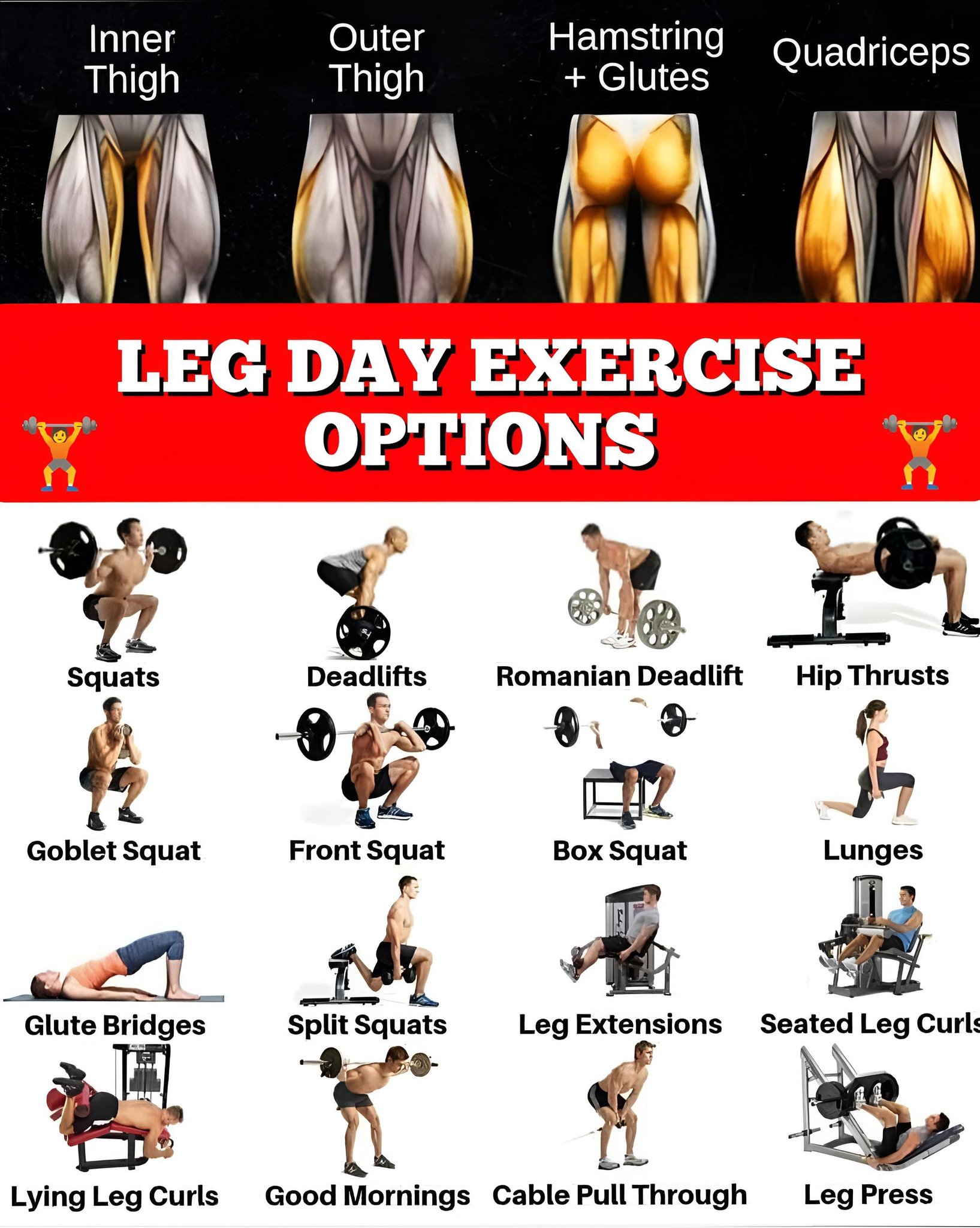
Credit: www.pr-development.se
Injury Prevention And Safety Tips
Training hard is good, but safety comes first. Here’s how to avoid injuries:
Warm Up Properly
Spend 5–10 minutes on light cardio and dynamic stretches (leg swings, lunges).
Use Proper Footwear
Wear shoes with good support and grip, especially for heavy lifts.
Don’t Skip Mobility Work
Stretch your hips, quads, and glutes after workouts. Foam rolling can help reduce tightness.
Listen To Your Body
Sharp pain (not soreness) is a warning sign. Stop and rest if you feel it.
Get Help For Heavy Lifts
Ask for a spotter or coach when trying new or heavy moves.
Learn Correct Technique
Watch videos from trusted sources or work with a trainer. Small tweaks make a big difference.
For more on safe strength training, see the CDC’s strength training guide.
Frequently Asked Questions
How Often Should I Train Glutes And Quads?
Most people get good results training these muscles 2–3 times per week. Give at least 48 hours between hard sessions to let your muscles recover. Beginners may start with 2 sessions; advanced lifters can handle 3.
Can I Build Glutes And Quads At Home Without Equipment?
Yes! Bodyweight squats, lunges, glute bridges, and step-ups are effective. As you get stronger, add resistance bands or household items (like water jugs) for extra challenge. Progress comes from making moves harder over time, not just adding weight.
Why Do I Feel Squats Mostly In My Thighs, Not My Glutes?
This is common. You may be leaning forward, letting your knees go too far over your toes, or not pushing through your heels. Try wider stances, deeper squats, and focus on squeezing your glutes at the top. Glute activation drills before your workout can also help.
What’s The Best Exercise For Building Glutes?
Hip thrusts and glute bridges are top choices because they put the glutes in a strong position. Add weight as you get stronger. Other good options: sumo squats, step-ups, and cable kickbacks.
How Long Does It Take To See Results From Glute And Quad Workouts?
Most people notice some changes in 4–8 weeks with consistent training and good nutrition. Visible muscle growth takes longer, often several months. Track your progress with photos, measurements, and how your clothes fit.
---
Building strong glutes and quads is one of the smartest investments you can make for your body. You’ll gain strength, confidence, and a lower risk of injury. Whether you train at home or in the gym, start with the basics, master your form, and increase the challenge over time.
Remember, progress comes from consistency, not perfection. Stay patient, and you’ll see real changes—both in how you look and how you feel.
