

Best Glute Workout Women: Sculpt and Strengthen Your Glutes Fast
Best Glute Workout Women
Strong glutes are more than just about looks. For women, building glute strength can improve posture, boost athletic performance, support the lower back, and even make daily activities easier. Whether you want to fill out your jeans, run faster, or simply feel more confident, a smart glute workout is a game changer. But with so many routines and viral trends online, it’s easy to feel lost. Which exercises really work? How do you balance intensity with safety? And what does a complete glute workout for women actually look like?
Here’s a clear, evidence-based guide to the best glute workout for women—covering the exercises, the right training methods, common mistakes, and powerful tips for lasting results. You’ll learn how to build your glutes efficiently, avoid injuries, and keep your motivation high. Let’s break down the science and give you a practical roadmap to glute gains.
Why Glute Workouts Matter For Women
Strong glutes are the engine of your lower body. The gluteus maximus, medius, and minimus work together to move your hips, support your core, and stabilize your entire body. When your glutes are weak, you’re more likely to have lower back pain, knee problems, and even ankle issues. For women, these muscles also play a role in pelvic alignment, which affects posture and balance.
Beyond injury prevention, well-trained glutes give your body a more toned, lifted look. They help with sprinting, jumping, climbing stairs, and carrying groceries. In fact, studies show that glute strength is linked to better athletic performance and reduced risk of falls. A focused glute workout isn’t just about aesthetics—it’s about feeling and moving better in every part of your life.
Glute Anatomy: The Muscles You’re Training
To get the most from your workout, it helps to know what you’re targeting. The three main glute muscles are:
- Gluteus maximus: The largest glute muscle, responsible for hip extension (moving your leg behind you), standing up from a squat, and creating the rounded shape of your butt.
- Gluteus medius: Located on the outer side of your hip, it helps with hip abduction (moving your leg out to the side) and stabilizing your pelvis when you walk or run.
- Gluteus minimus: The smallest glute muscle, lying underneath the medius. It assists with stabilization and rotation of the hip.
A complete glute workout for women should hit all three muscles with different movements and angles.
Credit: sweat.com
Best Glute Exercises For Women
Let’s dive into the most effective exercises for glute growth and strength. These have been proven to activate the glutes, fit various skill levels, and can be done at home or in the gym.
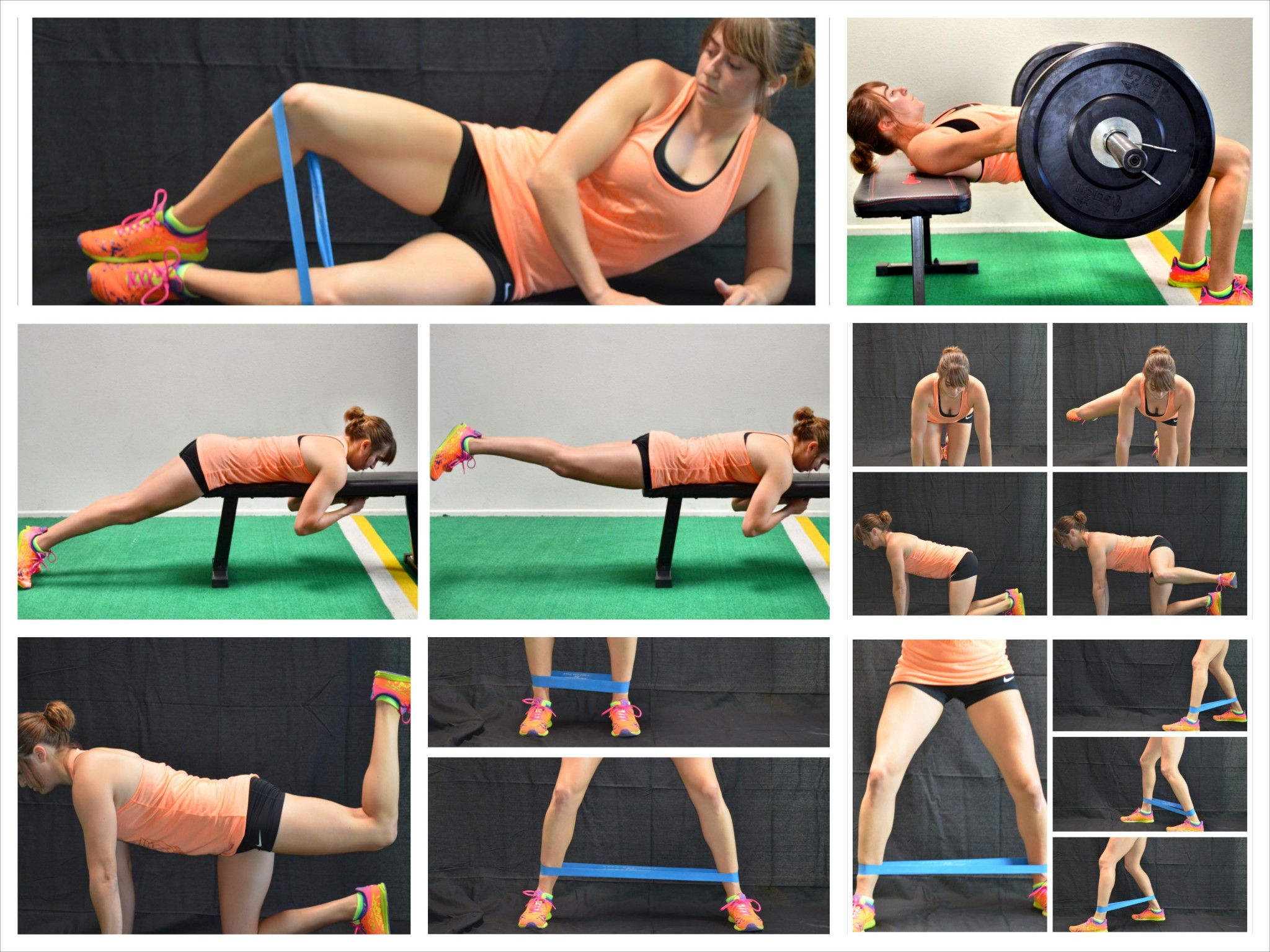
1. Hip Thrusts
Hip thrusts are a superstar for glute activation. They isolate the glutes better than most squats and deadlifts.
How to do it:
- Sit on the floor with your upper back against a bench.
- Roll a barbell or place a weight across your hips (bodyweight also works).
- Plant your feet flat, knees bent.
- Drive through your heels and lift your hips up, squeezing your glutes at the top.
- Lower back down and repeat.
Tip: Keep your chin tucked and ribs down to avoid using your lower back.
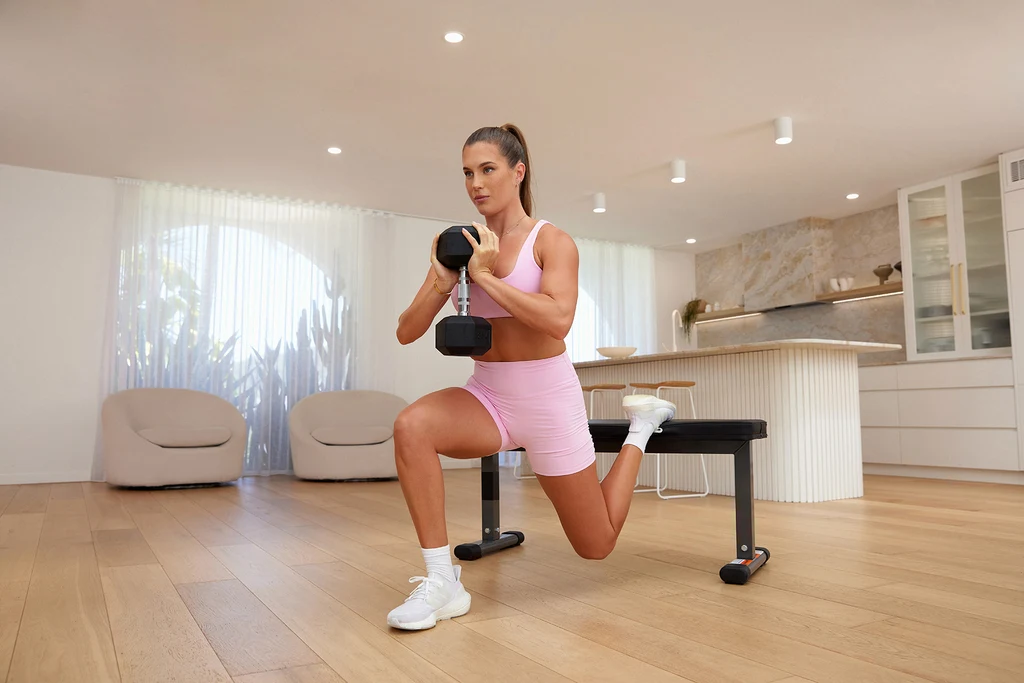
2. Bulgarian Split Squats
This single-leg squat variation builds strength and stability in each leg.
How to do it:
- Stand a few feet in front of a bench.
- Place one foot behind you on the bench.
- Lower your hips until your front thigh is parallel to the floor.
- Press through your heel to rise back up.
Tip: Lean forward slightly to increase glute activation.
3. Glute Bridges
Like hip thrusts, but done on the floor with a shorter range of motion.
How to do it:
- Lie on your back, knees bent, feet flat.
- Drive through your heels and lift your hips.
- Squeeze your glutes at the top, then lower down.
Tip: Add a resistance band above your knees for more challenge.
4. Deadlifts
Deadlifts work the entire backside of your body, including the glutes.
How to do it:
- Stand with feet hip-width apart.
- Hold a barbell or dumbbells in front of your thighs.
- Hinge at your hips, lower the weight, and keep your back flat.
- Stand up by pushing through your heels.
Tip: Try Romanian deadlifts for a greater glute focus—keep your legs straighter and feel the stretch in your hamstrings and glutes.
5. Step-ups
Step-ups train each leg individually and are easy to scale.
How to do it:
- Stand in front of a bench or sturdy box.
- Step up with one foot, driving through your heel.
- Bring the other leg up, then step down.
Tip: Hold dumbbells for extra resistance.
6. Squats
Squats are a classic for lower body development.
How to do it:
- Stand with feet shoulder-width apart.
- Lower your hips back and down, keeping your chest up.
- Drive through your heels to return to standing.
Tip: Go deep—aim for thighs at least parallel to the floor for better glute activation.
7. Cable Kickbacks
This gym exercise isolates the glutes, especially the maximus.
How to do it:
- Attach an ankle strap to a low cable machine.
- Stand facing the machine, hinge forward, and kick your leg straight back.
- Squeeze your glutes at the top.
Tip: Keep the movement slow and controlled.
8. Lateral Band Walks
Great for glute medius activation and hip stability.
How to do it:
- Place a resistance band above your knees or ankles.
- Get into a quarter squat position.
- Step sideways, keeping tension on the band.
Tip: Don’t let your knees cave in.
9. Curtsy Lunges
Targets the glute medius and minimus.
How to do it:
- Stand tall, step one leg behind and across the other.
- Lower your hips until your front thigh is parallel to the floor.
- Push back to standing.
Tip: Keep your chest up and move slowly.
10. Frog Pumps
A less common but effective glute move.
How to do it:
- Lie on your back, soles of feet together, knees out.
- Drive your hips up, squeezing your glutes.
- Lower back down.
Tip: Do high reps for a strong “burn.”
How To Structure The Best Glute Workout For Women
A well-structured routine should include different movement patterns to work all glute muscles. Here’s a sample weekly plan:
Lower Body Focused Glute Routine
| Day | Main Exercise | Accessory | Reps/Sets |
|---|---|---|---|
| Monday | Hip Thrusts | Lateral Band Walks | 4x10, 3x20 |
| Wednesday | Bulgarian Split Squats | Curtsy Lunges | 3x12, 3x15 |
| Friday | Deadlifts | Frog Pumps | 4x8, 3x25 |
This mix hits the glutes from all angles. Rest at least one day between sessions.
Sample At-home Glute Circuit
If you don’t have access to weights or machines, try this bodyweight circuit:
- Glute Bridges – 15 reps
- Lateral Band Walks – 20 steps each way
- Bulgarian Split Squats – 12 reps each leg
- Frog Pumps – 25 reps
- Step-Ups (use stairs or a sturdy chair) – 15 reps each leg
Repeat the circuit 2-4 times, with 60 seconds rest between rounds.
Training Variables: Sets, Reps, And Rest
How you perform each exercise matters as much as the exercise itself. Here’s what you need to know:
- Sets: For glute growth, aim for 3-5 sets per exercise.
- Reps: Use 8-12 reps for strength and muscle, 15-25 reps for endurance and “burn.”
- Rest: Rest 60-90 seconds between sets for muscle growth, 2-3 minutes for heavy lifts.
- Tempo: Move slowly on the way down (eccentric phase) and explode up for more muscle activation.
Progressive Overload
To see real changes, you must gradually make your workouts harder. This is called progressive overload. You can do this by:
- Adding more weight
- Doing more reps or sets
- Slowing down the negative (lowering) phase
- Reducing rest time
Tracking your progress in a notebook or app is key. If you do the same thing every week, your glutes won’t grow.
Common Glute Training Mistakes
Many women struggle to see results because of small but important mistakes. Here’s what to watch out for:
- Neglecting hip thrusts: Squats and lunges are great, but hip thrusts give the highest glute activation.
- Not going heavy enough: Glutes are big muscles; challenge them with enough weight or resistance.
- Using poor form: Letting your lower back take over reduces glute work and raises injury risk.
- Ignoring single-leg exercises: Moves like split squats and step-ups correct muscle imbalances.
- Not warming up: Cold muscles don’t activate well. Spend 5-10 minutes on dynamic warm-ups.

Credit: www.womenshealthmag.com
Glute Activation: Waking Up The Muscles
Many women have “sleepy” glutes from sitting all day. Before your main workout, do a 5-minute activation routine:
- Glute bridges (10 reps)
- Bodyweight hip thrusts (10 reps)
- Lateral band walks (20 steps each way)
- Standing kickbacks (10 reps each leg)
This “wakes up” your glutes so they fire better during bigger lifts.
Training Frequency: How Often To Work Glutes
Research suggests training glutes 2-3 times per week is ideal for growth. Muscles need at least 48 hours to recover and build. More frequent training can help, but only if you manage intensity and volume. If you’re always sore, cut back and focus on quality over quantity.
Nutrition For Glute Growth
Exercise alone isn’t enough. Your body needs fuel to build muscle. Here’s what matters:
Protein
Aim for 0.7-1 gram of protein per pound of bodyweight daily. Good sources include:
- Chicken, turkey, fish
- Eggs and dairy
- Beans, lentils, tofu
Calories
To grow, you need a slight calorie surplus. Don’t be afraid of eating a bit more—your body needs energy to build muscle.
Carbohydrates And Fats
Carbs give you workout energy, while fats support hormones. Choose whole grains, fruits, nuts, and healthy oils.
Hydration
Drink enough water. Dehydration slows muscle recovery and performance.
Cardio And Glute Training
Cardio is important for heart health, but too much can slow muscle growth. If glute building is your main goal:
- Limit cardio to 2-3 sessions per week (20-30 minutes)
- Prefer incline walking, cycling, or sprints over long-distance running
Incline treadmill walking is great for glutes, especially when you focus on pushing through your heels.
Home Vs. Gym Glute Workouts
You can build strong glutes at home, but the gym offers more resistance options. Here’s a quick comparison:
| Home Workouts | Gym Workouts |
|---|---|
| Bodyweight exercises | Heavy weights (barbells, machines) |
| Resistance bands | Cable machines, hip thrust benches |
| Low cost, convenient | Access to more equipment |
| Limited progressive overload | Easier to increase intensity |
A mix of both works well for most women.
Glute Workout Myths
Let’s clear up some common myths:
- Myth: “Squats are all you need for glutes.”
*Reality:* Squats work glutes, but hip thrusts and bridges activate them more.
- Myth: “You need fancy machines.”
*Reality:* Free weights and bands are enough for most women.
- Myth: “Heavy weights will make you bulky.”
*Reality:* Women don’t bulk up easily due to lower testosterone.
- Myth: “You must feel sore to grow.”
*Reality:* Soreness isn’t always linked to muscle growth.
Stretching And Mobility For Glute Health
Tight hips and hamstrings can limit glute activation. Include these stretches after your workout:
- Pigeon stretch (for glutes)
- Hip flexor stretch
- Seated hamstring stretch
Hold each stretch for 20-30 seconds. Flexible muscles activate better and recover faster.
Tracking Progress
Building glutes takes time. Here’s how to know you’re on the right track:
- Photos: Take progress photos every month.
- Measurements: Measure hips and thighs with a tape.
- Strength gains: Track how much weight you lift and how many reps you do.
Remember, progress is not always visible week to week. Stay patient and trust the process.
Motivation And Consistency
Results come from consistency, not quick fixes. Stay motivated by:
- Setting small, achievable goals (e.g., add 5 lbs to your hip thrust)
- Training with a friend or joining a group
- Listening to music or tracking your workouts in a journal
- Celebrating small wins
If you miss a workout, get back on track the next day. It’s the long-term effort that matters.
Advanced Glute Training: Taking It Further
Once you master the basics, try these advanced strategies:
- Paused reps: Pause at the top of a hip thrust or bridge for 2-3 seconds.
- Drop sets: After your main set, drop the weight and do more reps to fatigue.
- Super sets: Pair two glute exercises back-to-back (e.g., hip thrusts + frog pumps).
- Bands and chains: Add bands or chains to barbells for variable resistance.
These methods keep your workouts challenging and exciting.
Credit: redefiningstrength.com
Sample 4-week Glute Growth Plan
Here’s a simple plan for steady progress:
| Week | Main Focus | Notes |
|---|---|---|
| 1 | Form & Activation | Light weights, perfect your technique |
| 2 | Increasing Volume | Add sets and reps |
| 3 | Progressive Overload | Increase weights or resistance |
| 4 | Intensity Techniques | Try paused reps, drop sets |
Repeat and adjust as you get stronger.
Non-obvious Tips For Glute Success
Here are two insights many beginners miss:
- Mind-muscle connection: Focus on squeezing your glutes during every rep. Studies show that actively thinking about the muscle you’re working increases activation and growth.
- Exercise order matters: Start your workout with the most important or hardest exercise (like hip thrusts) when your energy is highest. This leads to better results than saving them for the end.
When To See Results
Most women start to see and feel changes in their glutes after 4-8 weeks of consistent training and good nutrition. However, genetics, diet, and sleep also play a role. Don’t compare your progress to others—focus on your own journey.
For extra guidance, you can read more about the science of glute training from this peer-reviewed resource.
Frequently Asked Questions
What If I Only Have 20 Minutes For A Glute Workout?
You can still get a great workout in 20 minutes. Focus on high-effort compound moves like hip thrusts, Bulgarian split squats, and glute bridges. Use supersets (doing two exercises back-to-back with no rest) to save time. Three rounds of hip thrusts, lateral band walks, and step-ups will hit all areas quickly.
How Can I Target The “side Booty” Or Hip Dips?
To target the glute medius and minimus—responsible for the sides of your glutes—add lateral band walks, curtsy lunges, and single-leg exercises. These moves build the “side booty” area and help fill in hip dips.
Do I Need Equipment For Effective Glute Workouts?
No. Many women build strong glutes at home with bodyweight exercises and resistance bands. However, adding weight (barbells, dumbbells) over time helps with continued growth. If you train at home, focus on higher reps, bands, and single-leg moves.
Can I Train Glutes Every Day For Faster Results?
Training glutes every day often leads to overuse injuries and less progress. Muscles grow during rest, not just exercise. Stick to 2-3 focused sessions per week, allowing at least one full rest day between glute workouts.
Why Don’t I Feel My Glutes Working During Squats Or Lunges?
This is often due to weak glute activation or using your quads more than your glutes. Warm up with glute bridges or band walks before squats and focus on pushing through your heels. Adjust your form—try leaning your torso forward slightly and going deeper into each rep.
Building strong glutes is a journey, not a sprint. With smart training, good nutrition, and patience, you’ll see real changes in how you look, move, and feel. Stay consistent, keep learning, and enjoy the process—you’re building strength for life.
