

Best Glute Workout for Women: Tone, Lift, and Sculpt Fast
Best Glute Workout For Women
Many women want strong, toned glutes. It’s not just about looks—well-developed glutes help with posture, protect the lower back, and improve performance in daily activities and sports. If you’ve struggled to see results with your glute workouts, you’re not alone. The truth is, building your glutes takes more than just doing a few squats or lunges every week. It requires a smart approach, understanding the muscle structure, and knowing which exercises make a real difference.
The good news? You don’t need fancy equipment or endless hours at the gym to see progress. With the right plan, you can lift, round, and strengthen your glutes—whether you’re a beginner or have been training for years. This guide will show you the best exercises, how to structure your workouts, and give you expert tips that most beginners miss.
Let’s get started on building glutes that are not only beautiful but also powerful.
Understanding Your Glute Muscles
Before you pick up a dumbbell, it’s important to know the muscles you’re working. The glutes are made up of three main muscles:
- Gluteus maximus: The largest muscle, gives your butt its shape and power.
- Gluteus medius: Located on the side, helps with hip stability.
- Gluteus minimus: The smallest, assists with rotation and stability.
Many women only target the gluteus maximus, but training all three gives you a rounder, firmer backside and better lower body strength. Weak glutes can lead to back pain, knee issues, and poor posture. By working on each glute muscle, you’ll see faster and more complete results.
How Glutes Work In Everyday Life
Your glutes do more than just look good in jeans. They help you:
- Stand up from a chair
- Climb stairs
- Walk or run
- Lift heavy objects
If your glutes are weak, other muscles like your lower back or hamstrings take over, which can cause injuries over time. That’s why a focused glute workout is essential.
Key Principles For Effective Glute Workouts
Many women make the mistake of repeating the same basic exercises or not using enough weight. To get the best results, keep these principles in mind:
- Progressive overload: Gradually increase the weight, reps, or difficulty of your exercises. This forces your muscles to grow.
- Variety: Mix up exercises to target all parts of your glutes.
- Mind-muscle connection: Focus on feeling your glutes working during each movement.
- Proper form: Quality beats quantity. Bad form reduces effectiveness and increases injury risk.
- Recovery: Muscles grow when you rest, not just during workouts. Allow at least 48 hours between intense glute sessions.
Most beginners miss the importance of progressive overload—simply doing more reps with the same light weight will not lead to real growth. Also, many people ignore the mind-muscle connection, but research shows that focusing on the muscle as you train increases activation and results.
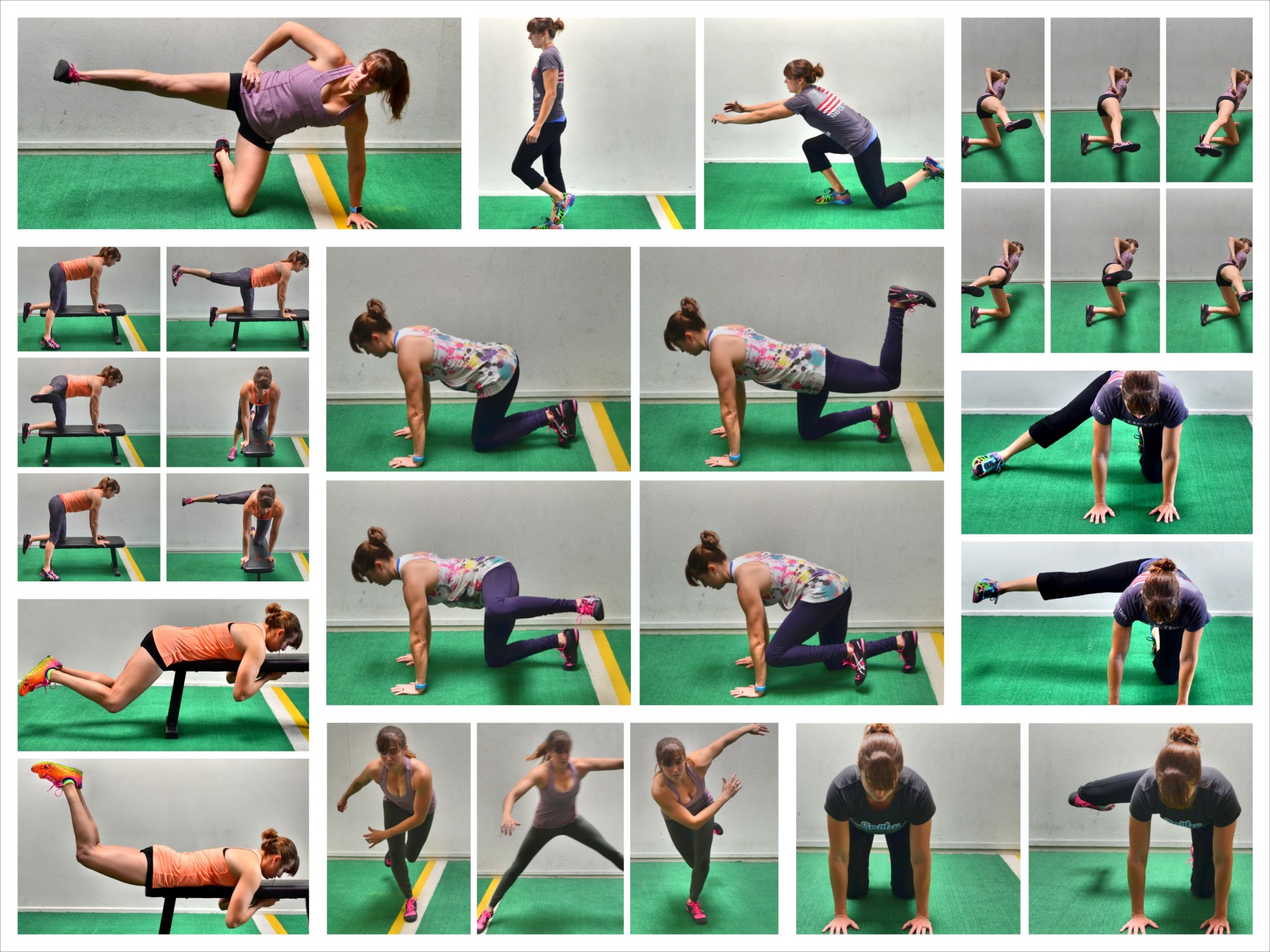
Credit: redefiningstrength.com
Best Glute Exercises For Women
You don’t need a hundred different moves. These exercises give the best results for women, whether you train at home or in the gym.
1. Hip Thrust
The hip thrust is a top exercise for glute growth. It targets the gluteus maximus more than squats or lunges.
- Sit on the ground with your upper back against a bench.
- Roll a barbell or place a weight over your hips.
- Plant your feet flat, shoulder-width apart.
- Push through your heels and lift your hips until your body forms a straight line from shoulders to knees.
- Squeeze your glutes at the top, then lower down.
Tip: Pause at the top for 2 seconds for extra glute activation.
2. Glute Bridge
Similar to the hip thrust but done on the floor. Great for beginners or warm-ups.
- Lie on your back, knees bent, feet flat on the floor.
- Push through your heels, lifting your hips up.
- Squeeze your glutes, then lower back down.
You can make this harder by adding a resistance band above your knees or holding a dumbbell over your hips.
3. Bulgarian Split Squat
This move works your glutes, quads, and hamstrings, with extra focus on the glutes if you lean forward slightly.
- Stand in front of a bench.
- Place one foot behind you on the bench.
- Lower your body by bending your front knee, keeping your chest up.
- Push through your front heel to stand up.
Tip: Don’t let your front knee move past your toes.
4. Romanian Deadlift
Targets the glutes and hamstrings, especially when you focus on pushing your hips back.
- Stand with feet hip-width apart, holding dumbbells or a barbell.
- Keep a slight bend in your knees.
- Hinge at your hips, lowering the weights down the front of your legs.
- Go as low as you can without rounding your back.
- Squeeze your glutes to return to standing.
5. Step-ups
This exercise is simple but effective for building glute and leg strength.
- Stand in front of a sturdy bench or box.
- Step up with one foot, pressing through your heel.
- Bring your other foot up to stand, then step back down.
For more challenge, hold dumbbells by your sides.
6. Cable Kickbacks
Uses a cable machine to isolate your glutes.
- Attach an ankle strap to a low cable.
- Stand facing the machine, hands on the frame for support.
- Kick one leg back and up, squeezing your glute.
- Lower slowly, repeat.
If you don’t have a cable machine, you can use a resistance band.
7. Fire Hydrants
Great for the gluteus medius and minimus, helps shape the sides of your glutes.
- Start on all fours.
- Keeping your knee bent, lift one leg out to the side.
- Lower and repeat.
Adding a resistance band makes it more challenging.
8. Curtsy Lunges
This move targets the gluteus medius and inner thighs.
- Stand tall, feet hip-width apart.
- Step one leg behind and across your body, lowering into a lunge.
- Return to start and repeat on the other side.
Tip: Keep your chest lifted and core tight.
9. Frog Pumps
An often-overlooked but powerful exercise for glute activation.
- Lie on your back, soles of your feet together, knees out to the sides.
- Push through your feet to lift your hips up.
- Squeeze your glutes at the top, then lower.
This is a good burnout move at the end of your workout.
10. Clamshells
Perfect for gluteus medius, helps prevent hip and knee pain.
- Lie on your side, knees bent, feet together.
- Keeping feet touching, lift your top knee as high as you can.
- Lower slowly.
Use a resistance band above your knees for added resistance.
Structuring The Best Glute Workout
You have the exercises, but how do you put them together for maximum results? Here’s a sample workout routine for women, designed for two or three days per week. Adjust the weights and reps to your fitness level.
| Exercise | Sets | Reps | Rest |
|---|---|---|---|
| Hip Thrust | 4 | 8-12 | 60-90s |
| Bulgarian Split Squat | 3 | 8-10 (each leg) | 60s |
| Romanian Deadlift | 3 | 10-12 | 60-90s |
| Glute Bridge | 3 | 12-15 | 45s |
| Cable Kickback | 3 | 12-15 (each leg) | 45s |
| Fire Hydrant | 2 | 15-20 (each leg) | 30s |
If you train glutes three times a week, change up the exercises and order to prevent boredom and keep challenging your muscles.
Weekly Glute Workout Schedule Example
- Day 1: Heavy weights, lower reps (focus on hip thrusts, deadlifts)
- Day 2: Medium weights, higher reps (add split squats, step-ups)
- Day 3: Bodyweight and bands (fire hydrants, clamshells, frog pumps)
This approach uses both heavy and light loads, which research shows leads to the best muscle gains.
Glute Activation: The Secret Most Beginners Miss
One mistake many women make is jumping into big lifts without warming up their glutes. If your glutes are “asleep,” your legs or back will take over, and you won’t see results.
Glute activation means waking up your glute muscles before heavier exercises. This can be done with light moves like:
- Glute bridges (bodyweight)
- Banded side steps
- Clamshells
- Bird dogs
Spend 5-7 minutes before your main workout doing these. Focus on feeling your glutes squeeze with each rep. You’ll notice a big difference in how your glutes work during the main exercises.
Home Vs. Gym Glute Workouts
You can build strong glutes at home or in the gym. Here’s how the main options compare:
| Factor | Home | Gym |
|---|---|---|
| Equipment | Resistance bands, dumbbells, bodyweight | Barbells, machines, heavy weights, cables |
| Exercise Variety | Basic but effective | Wide range, more progression options |
| Progressive Overload | Limited (unless you invest in more equipment) | Easier to increase weight and challenge |
| Cost | Lower | Gym membership fees |
| Convenience | High (train anytime) | May require travel/time |
If you’re a beginner, you can get great results with bands and dumbbells at home. As you get stronger, you may need heavier weights or gym access to keep progressing.
The Role Of Nutrition In Glute Growth
Even the best workout won’t build your glutes without proper nutrition. Your body needs fuel and building blocks to grow muscle.
Eat Enough Protein
Protein is key for muscle repair and growth. Aim for 0.7–1 gram of protein per pound of body weight each day. Good sources include:
- Chicken, turkey
- Fish
- Eggs
- Greek yogurt
- Beans and lentils
Don’t Fear Healthy Fats And Carbs
Healthy fats help your hormones, and carbs give you energy for tough workouts. Include:
- Olive oil, nuts, avocado
- Whole grains, sweet potatoes, fruit
Hydration Matters
Muscles are mostly water. Drink enough water throughout the day, especially before and after workouts.
Calorie Surplus For Growth
If your goal is to grow your glutes, you may need to eat slightly more calories than you burn. This gives your body the energy to build new muscle.
Pro tip: Many women don’t eat enough to see results. If you’re not gaining strength or muscle, track your food for a week and adjust as needed.
Common Mistakes Women Make In Glute Training
Even with the best intentions, it’s easy to fall into traps that slow your progress. Here are mistakes to avoid:
- Doing only squats: While squats are good, they don’t target the glutes as much as people think. Hip thrusts and glute bridges are better for glute growth.
- Ignoring progressive overload: Using the same weight every week won’t help your glutes grow. Increase the challenge over time.
- Neglecting glute activation: Skipping warm-ups means your glutes don’t work as hard as they should.
- Bad form: Rushing through reps, using momentum, or letting your back take over reduces results and increases injury risk.
- Training too often or too little: Muscles need time to recover. Two to three focused sessions a week is best for most women.
- Not eating enough: Skipping meals or eating too little stops muscle growth, even with hard training.
- Avoiding weights: Many women fear getting bulky, but building muscle takes time and heavy lifting is key for progress.
One insight that’s often missed: glute training is not just about lifting heavier, but also about *how* you lift—feeling the muscle work, controlling the movement, and using a full range of motion.

Credit: www.christinacarlyle.com
How To Track Your Glute Progress
Progress is not just about the scale or mirror. Use these methods to see real changes:
- Strength gains: Are you lifting heavier or doing more reps?
- Measurements: Use a tape measure around your hips/glutes once a month.
- Photos: Take progress photos in the same lighting and pose every 4 weeks.
- How clothes fit: Jeans or leggings may feel tighter in the glutes but looser in the waist.
Remember, muscle growth is slow. Most women start seeing real changes after 8–12 weeks of consistent training and nutrition.
Glute Training For Different Goals
Every woman’s goal is different. Here’s how to adjust your glute training:
For Bigger Glutes
- Focus on heavy compound lifts (hip thrusts, deadlifts)
- Eat a calorie surplus
- Train glutes 2–3 times per week
- Use progressive overload
For Toned, Defined Glutes
- Mix heavy and moderate weights
- Add bodyweight and band exercises for detail
- Watch your diet to lower body fat
For Athletic Performance
- Add plyometric moves (jump squats, box jumps)
- Include single-leg exercises for balance
- Work on hip mobility and stability
For Injury Prevention
- Focus on glute medius and minimus (clamshells, fire hydrants)
- Prioritize form over weight
- Include stretching and mobility work
Advanced Glute Workout Techniques
If you’ve been training for a while and want to take your glute growth to the next level, try these advanced methods:
Drop Sets
After finishing your main set, immediately reduce the weight and do more reps until failure. This increases muscle fatigue and growth.
Tempo Training
Slow down the lowering (eccentric) phase of exercises. For example, take 3 seconds to lower in a hip thrust, then explode up. This increases time under tension, a key for muscle building.
Supersets
Pair two glute exercises with no rest between. For example, hip thrusts followed by glute bridges. This boosts intensity and muscle pump.
Partial Reps
After reaching failure with full reps, do short, partial reps to push your muscles further.
Note: Use these techniques wisely. They are intense, so add them only once or twice a week and make sure you recover well.
How Long To See Results From Glute Workouts?
Many women wonder, “How fast will I see results?” While every body is different, here’s a realistic timeline:
| Time Frame | What to Expect |
|---|---|
| Weeks 1–4 | Better mind-muscle connection, some muscle soreness, small strength gains |
| Weeks 4–8 | Visible firmness, slight lift, better performance |
| Weeks 8–12 | Noticeable size and shape changes, stronger lifts, more confidence |
Consistency is key. Missing workouts or not eating enough will slow your progress. Celebrate small wins along the way.
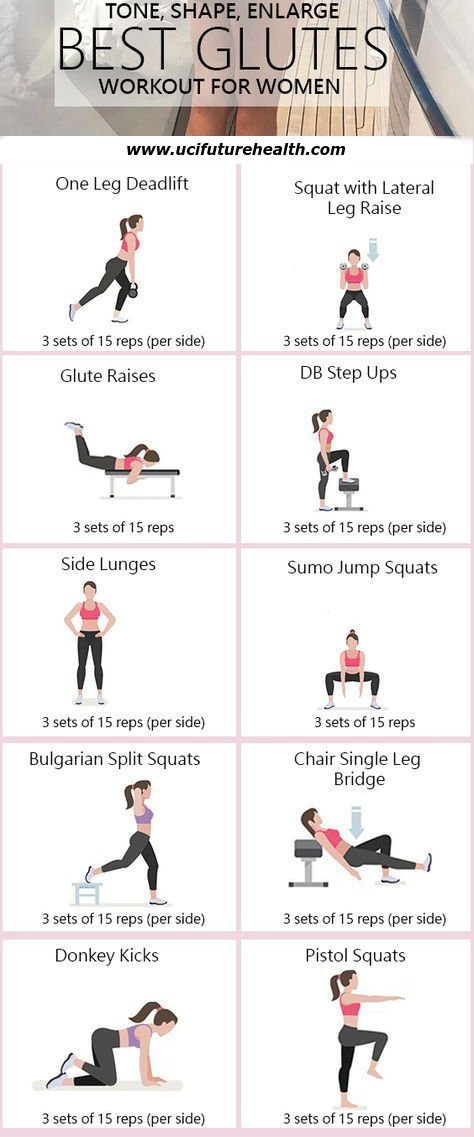
Credit: x.com
Tips To Maximize Your Glute Gains
- Prioritize glutes early: Train glutes first in your workout when you have the most energy.
- Use full range of motion: Go deep in squats and lunges, lock out at the top of hip thrusts.
- Squeeze at the top: Pause and contract your glutes hard for 1–2 seconds at the top of each rep.
- Stay patient: Glutes are large muscles and take time to grow.
- Mix up your routine: Change exercises, rep ranges, and intensity every 4–6 weeks to avoid plateaus.
- Get enough sleep: Recovery is when your muscles actually grow.
One non-obvious insight: Many women see the best glute growth when they train glutes separately from other lower body muscles (like quads and hamstrings) on certain days, to avoid fatigue and ensure maximum focus.
Frequently Asked Questions
How Often Should Women Train Glutes For Best Results?
Most women see the best results training glutes 2–3 times per week with at least one rest day between sessions. This allows for enough stimulus and recovery.
Will Glute Workouts Make My Legs Bulky?
No. Building large legs requires specific, heavy training and a lot of time. Glute-focused workouts shape and lift your backside without making your thighs look bulky, especially if you balance your exercises.
Can I Build Glutes Without Weights?
Yes, especially as a beginner. Bodyweight moves and resistance bands can activate and grow your glutes. However, as you get stronger, adding weight (dumbbells, barbells) is necessary for continued progress.
Why Don’t I Feel My Glutes During Workouts?
This is often due to poor glute activation or relying on other muscles (like quads or lower back). Add activation drills before workouts and focus on slow, controlled movement with a squeeze at the top of each rep.
Do I Need To Eat More To Grow My Glutes?
If you want to increase glute size, you may need a slight calorie surplus (eating more than you burn). Combine this with enough protein and hard training for best results.
Building strong, round glutes is possible for every woman with the right plan. By focusing on effective exercises, proper form, progressive overload, and smart nutrition, you can see real changes in your body and confidence. Remember, results take time, but with patience and consistency, you’ll achieve the best glutes of your life. For more in-depth training guides and scientific explanations, visit Healthline.
