

Abs And Glute Workout: Sculpt Your Core and Booty Fast
Abs And Glute Workout
Building a strong, balanced body is not just about looks—it's about health, confidence, and how you move every day. Two areas that many people focus on are the abs (abdominal muscles) and glutes (butt muscles). Why? Because these muscle groups support your posture, protect your back, help you move powerfully, and even boost your metabolism. If you want a defined midsection and firm, strong glutes, you need the right workout plan, clear knowledge, and a bit of smart strategy.
This guide will show you how to train your abs and glutes in a way that makes sense. You'll learn the best exercises, how to combine them, what mistakes to avoid, and how to adapt your routine over time. Whether you are a beginner or have some fitness experience, you will find practical advice, step-by-step workouts, and science-based insights that can help you see results faster.
Let's unlock the secrets to a stronger core and glutes—no guesswork, just real progress.
Why Abs And Glutes Matter
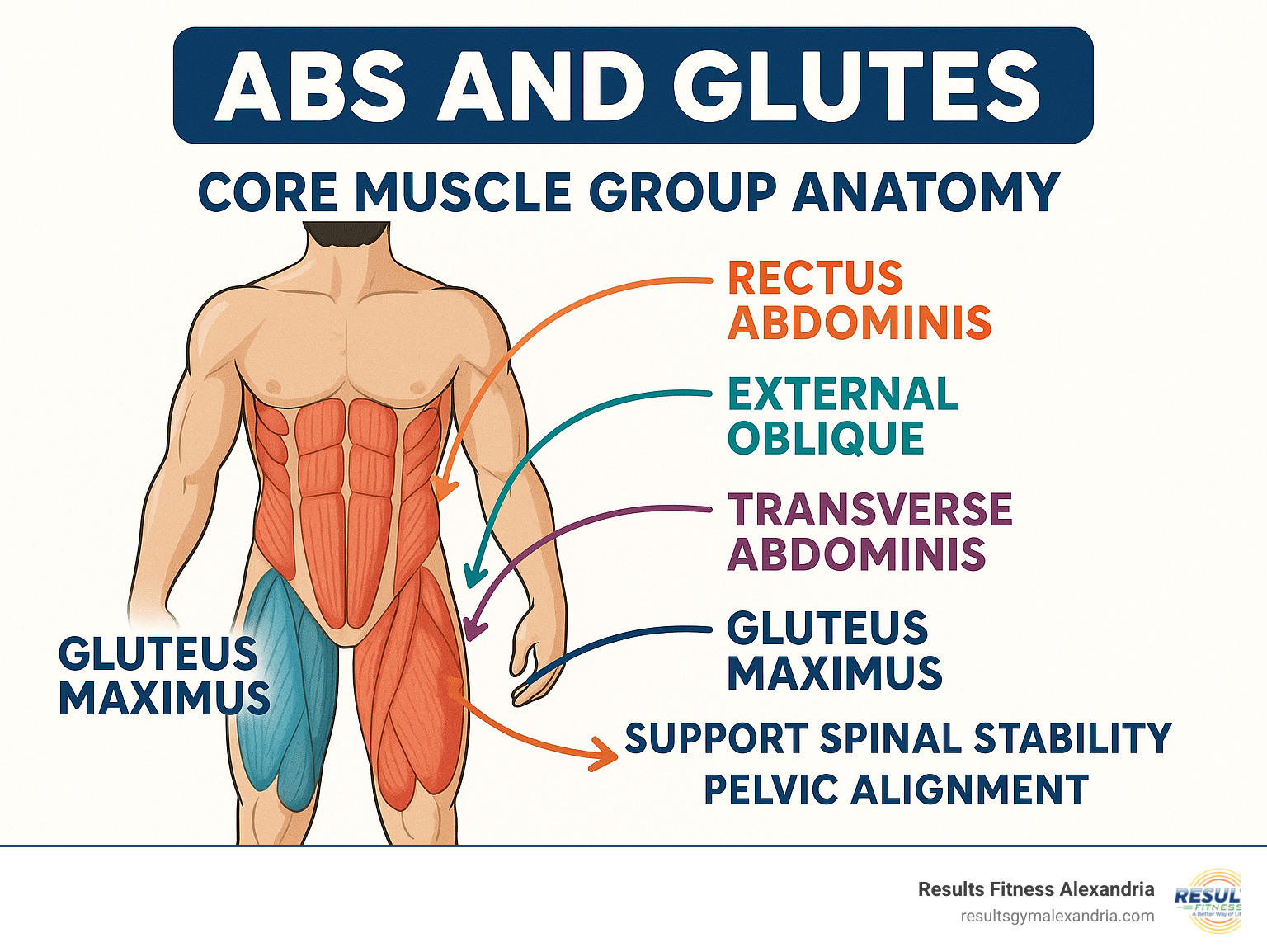
Your abs do much more than help you look good in a swimsuit. They are the foundation for almost every movement your body makes. The main muscles in your core include:
- Rectus abdominis (the “six-pack” muscle)
- Obliques (side muscles)
- Transverse abdominis (deep core)
- Lower back muscles (part of your core system)
Strong abs help you stand tall, keep your balance, protect your spine, and move safely. Weak abs can lead to poor posture, back pain, and less power in sports or daily activities.
Your glutes are also very important. They include:
- Gluteus maximus (the largest muscle in your body)
- Gluteus medius
- Gluteus minimus
The glutes support your hips and lower back, power your stride when you walk or run, and help you lift, squat, or climb stairs. Strong glutes can also help prevent injuries and improve athletic performance.
Real-life Benefits
- Better posture: Both abs and glutes keep your spine in a safe, neutral position.
- Lower injury risk: A balanced core and glutes protect your back, knees, and hips.
- More power: Sports, lifting, and even daily tasks are easier with a strong midsection and hips.
- Improved looks: Defined abs and glutes are often seen as signs of fitness.
How Abs And Glutes Work Together
Many people separate ab and glute workouts, but these muscles often work as a team. When you move, your core stabilizes your body, and your glutes generate power. For example, in a squat, your glutes push you up, while your abs keep your torso stable. In running, your glutes drive your legs, and your abs keep you upright.
Combining abs and glute exercises in a single workout can save time and build better coordination. This approach also helps you avoid muscle imbalances, which can lead to pain or injury.
The Core-glute Connection
- Pelvic alignment: Your core and glutes control the position of your hips.
- Movement efficiency: Both muscle groups share the load during daily tasks and sports.
- Injury prevention: Weak glutes often lead to low back pain because your core tries to compensate.
Setting Your Goals
Before starting any workout plan, it’s important to know what you want. People train abs and glutes for different reasons:
- Strength: To lift more, run faster, or move better.
- Endurance: To maintain good posture or perform longer workouts.
- Aesthetics: To get visible abs or a firm, rounded butt.
- Injury prevention: To support your back and hips.
Be clear about your main goal. This helps you pick the right exercises, sets, reps, and rest times.
Key Principles For Abs And Glute Workouts
There is a lot of confusion about how to train these muscles. Some think endless crunches or squats are enough. Others believe you need fancy equipment. The truth is, effective training comes down to a few simple principles:
- Progressive overload: Gradually increase the difficulty of your workouts.
- Variety: Use different exercises and angles to target all muscles.
- Consistency: Train regularly, not just once in a while.
- Form: Quality matters more than quantity. Good form prevents injury and builds muscle faster.
Let’s break down what this means for your abs and glutes.
Progressive Overload
Muscles grow and get stronger when you challenge them a bit more each week. You can do this by:
- Adding weight (dumbbells, resistance bands)
- Doing more reps or sets
- Slowing down the movement for more time under tension
- Trying harder variations of an exercise
Variety
Your abs and glutes are made of several muscles. Each one responds best to different movements:
- Abs: Crunches, planks, twists, leg raises, and anti-rotation moves
- Glutes: Squats, lunges, hip thrusts, deadlifts, glute bridges, kickbacks
Changing exercises every few weeks keeps your muscles guessing and growing.
Consistency
It’s better to train these muscles a few times each week than to do a massive session once in a while. Aim for:
- 2–3 workouts per week for each muscle group
- Leave at least one rest day between hard sessions
Form
Rushing or using bad technique can slow progress or cause injuries. Focus on:
- Slow, controlled movements
- Feeling the target muscles work
- Breathing correctly (exhale during effort)
The Best Abs And Glute Exercises
Some exercises are more effective than others. Here’s a breakdown of the top moves for each area, with tips for beginners and more advanced options.
Top Abs Exercises
- Plank: Builds core stability. Start with 20–30 seconds, work up to 1–2 minutes.
- Dead bug: Great for beginners, teaches core control.
- Bicycle crunch: Works upper and lower abs, plus obliques.
- Leg raise: Focuses on lower abs, avoid arching your back.
- Russian twist: Rotates the torso, targets obliques.
- Mountain climber: Adds cardio, works the full core.
Top Glute Exercises
- Glute bridge: Squeeze at the top, don’t arch your back.
- Hip thrust: Use a bench for bigger range, add weight as you progress.
- Squat: Classic for glutes, thighs, and core.
- Lunge: Step forward or back, keep your knee over your ankle.
- Donkey kick: Isolates glutes, avoid swinging your leg.
- Step-up: Use a bench or sturdy box, push through your heel.
Combining Abs And Glutes
Moves that hit both at once save time and build coordination:
- Single-leg glute bridge: Core and glute challenge.
- Plank with leg lift: Stabilizes core while working glutes.
- Bear crawl: Full-body, especially core and glutes.
Sample Abs And Glute Workout Plan
Let’s put it all together. Here is a sample workout you can do at home or in the gym, using just your body weight or simple equipment.
Warm-up (5–10 Minutes)
- March or jog in place
- Hip circles
- Arm swings
- Bodyweight squats
Main Workout
Perform each exercise for 3 sets, resting 30–60 seconds between sets.
- Bodyweight squat: 12–15 reps
- Glute bridge: 15 reps, hold last rep for 10 seconds
- Plank: 30–60 seconds
- Reverse lunge: 12 reps per leg
- Russian twist: 15 reps per side
- Donkey kick: 15 reps per leg
- Mountain climber: 30–40 seconds
Finisher (optional)
- Single-leg glute bridge: 10 reps per leg
- Plank with leg lift: 20 seconds per side
Cooldown (5 Minutes)
- Stretch your glutes, hamstrings, and abs
- Deep breathing
How To Progress
Every 1–2 weeks, increase the number of reps, sets, or the difficulty of each move. For example, add a resistance band to glute bridges, or hold a weight during Russian twists.
Example Weekly Schedule
It’s important to give your muscles time to rest and recover. Here’s a simple weekly plan:
| Day | Workout |
|---|---|
| Monday | Abs & Glutes |
| Tuesday | Upper Body or Cardio |
| Wednesday | Abs & Glutes |
| Thursday | Rest or Light Cardio |
| Friday | Abs & Glutes |
| Saturday | Full Body or Cardio |
| Sunday | Rest |
If you are a beginner, two days per week is enough. Listen to your body—if you feel sore, add another rest day.
Home Vs. Gym: What Do You Need?
You can train abs and glutes almost anywhere. But some equipment can help you progress faster.
| Equipment | Home | Gym | Benefits |
|---|---|---|---|
| Bodyweight | ✓ | ✓ | Easy, no cost |
| Resistance bands | ✓ | ✓ | Extra challenge for glutes |
| Dumbbells/Kettlebells | ✓ | ✓ | Increase strength |
| Barbell | ✗ | ✓ | Max strength for hip thrusts, squats |
| Bench/Step | ✓ | ✓ | Hip thrusts, step-ups |
| Mat | ✓ | ✓ | Comfort for floor work |
You don’t need a gym, but if you want to lift heavy or have more exercise options, a gym can help.

Credit: www.fondation-enovos.lu
Nutrition For Abs And Glutes
No matter how good your workout is, you won’t see defined abs or fuller glutes if your nutrition is off. Here’s what you need to know:
Protein
Muscles need protein to recover and grow. Aim for about 0.7–1 gram per pound of body weight if you’re training hard. Good sources are:
- Chicken, fish, lean beef
- Eggs
- Greek yogurt
- Beans and lentils
- Protein powders (if needed)
Carbohydrates And Fats
Carbs give you energy for workouts. Fats support hormones and help you feel full. Include:
- Whole grains (rice, oats, bread)
- Fruits and vegetables
- Healthy fats (nuts, seeds, olive oil)
Calorie Balance
- To see your abs, you may need to lose body fat. This means eating fewer calories than you burn.
- To grow your glutes, you might need a small calorie surplus (eating a bit more than you burn).
Don’t crash diet or eat too little. Progress is slower, but healthy, steady changes last longer.
Hydration
Drink enough water, especially if you sweat during workouts. Dehydration can make you feel tired and slow muscle recovery.
Common Mistakes To Avoid
Many people waste time or get hurt because of simple mistakes. Here are problems to watch for:
1. Doing Only Crunches For Abs
Crunches are popular, but they only target part of your core. You need planks, twists, and other moves for a strong, balanced core.
2. Neglecting Glutes
Some people focus on legs (squats, lunges) but don’t do exercises that truly isolate and activate the glutes. Add hip thrusts, bridges, and kickbacks.
3. Using Too Much Weight Too Soon
Using heavy weights with bad form can cause injury. Master the technique first, then add weight slowly.
4. Skipping Warm-up Or Cooldown
A good warm-up prepares your muscles and joints. Stretching after your workout helps with flexibility and recovery.
5. Not Resting Enough
Muscles grow when you rest, not just when you train. Overtraining can lead to injury, tiredness, and slow progress.
6. Ignoring Diet
You can’t out-exercise a poor diet. Even a great workout plan won’t show results if your nutrition is not on point.
7. Forgetting About Consistency
Results take time. Don’t quit after a week if you don’t see changes. Stick with your plan and adjust as needed.
Credit: resultsgymalexandria.com
Advanced Strategies
Once you’ve mastered the basics, you can make your abs and glute workouts more effective with advanced methods.
Supersets
A superset is when you do two exercises back-to-back with no rest. Example:
- Glute bridge + plank
- Lunge + Russian twist
This saves time and increases the intensity.
Resistance Bands
Add a mini-band above your knees for squats, glute bridges, or hip thrusts. This increases glute activation.
Slow Eccentrics
Lower the weight or your body slowly (3–4 seconds). This builds more strength and muscle.
Plyometrics
Add explosive moves like jump squats, box jumps, or skater hops. These boost power and glute shape.
Unilateral Work
Single-leg exercises (single-leg deadlift, single-leg glute bridge) fix muscle imbalances and work your core harder.
Tracking Your Progress
It’s easy to lose motivation if you don’t see progress. Track your results to stay on course.
Ways To Measure
- Photos: Take a picture every few weeks.
- Strength: Record how many reps, sets, or the weight you use.
- Body measurements: Measure your waist, hips, and glutes.
- How you feel: Notice better posture, less pain, or more power.
Small changes add up. Sometimes the scale won’t move, but your strength, posture, or clothes will tell the real story.
Abs And Glute Workout For Different Levels
Not everyone starts at the same place. Here’s how to adjust:
Beginners
- Focus on bodyweight moves.
- Do 1–2 sets per exercise.
- Rest as needed.
Intermediate
- Add resistance bands or light weights.
- Increase to 3–4 sets.
- Try supersets.
Advanced
- Use heavier weights.
- Try single-leg moves and plyometrics.
- Shorten rest times to increase intensity.
Adapting For Special Needs
Every body is different. Some people have injuries, limited time, or special goals.
- Back pain: Focus more on planks, dead bugs, and glute bridges. Avoid excessive twisting or arching.
- Short on time: Do compound moves that work both muscle groups (plank with leg lift, single-leg bridge).
- No equipment: Use bodyweight, stairs, or household items (water bottles, backpacks).

Credit: www.knowinggodintheword.org
Recovery And Mobility
Recovery is often overlooked but is critical for muscle growth and injury prevention.
- Sleep: Aim for 7–9 hours per night for best muscle repair.
- Stretching: Stretch your glutes, hip flexors, and abs after workouts.
- Foam rolling: Roll out tight muscles to reduce soreness.
- Active recovery: Light walking, yoga, or swimming helps blood flow.
Motivation And Mindset
Sticking with a workout plan can be tough. Here’s how to stay motivated:
- Set small, realistic goals.
- Track your progress weekly.
- Find a workout buddy or join a class.
- Mix up your routine every 4–6 weeks.
- Celebrate small wins (doing an extra rep, holding a plank longer).
Remember, consistency beats perfection.
Real Science: Do Abs And Glute Workouts Burn Fat?
One of the most common myths is that training abs or glutes will burn fat in those areas. In reality, you can’t choose where your body loses fat (“spot reduction”). Instead, your genetics decide the order. But, by building muscle in your abs and glutes, you can improve their shape and definition as you lose overall body fat.
To lose fat, combine your workout plan with:
- A slight calorie deficit
- Regular cardio (walking, running, cycling)
- Strength training for your whole body
Muscle is more “active” than fat—every pound of muscle burns about 6–10 calories per day at rest, compared to just 2 calories for fat. So, building muscle helps you burn more calories all day.
For more details on spot reduction and fat loss, see this Wikipedia article.
Two Non-obvious Insights
- Glute Activation Is Key: Many people don’t “feel” their glutes working, especially if they sit a lot. Before your main workout, do activation moves like clamshells or banded side steps. This wakes up your glutes so they fire during squats or bridges.
- Anti-Rotation Core Work: Most people only do crunches or planks. But moves like the Pallof press or plank with shoulder taps train your core to resist twisting, which protects your spine in real life. Add these for a safer, stronger core.
Frequently Asked Questions
How Often Should I Train Abs And Glutes?
For most people, 2–3 times per week is ideal. This gives your muscles time to recover and grow. If you’re just starting, two days is enough. If you’re advanced, three days works well. Leave at least one rest day between hard workouts.
How Long Does It Take To See Results?
Results depend on your starting point, effort, and nutrition. Most people notice better strength and muscle tone in 4–8 weeks. Visible changes (like more defined abs or glutes) can take longer, especially if you need to lose body fat. Stay consistent and track your progress.
Can I Do Abs And Glutes On The Same Day?
Yes, and it’s even recommended. Many moves (like squats, bridges, and planks) work both groups at once. This saves time and builds better coordination.
Do I Need Weights To Build Abs And Glutes?
Weights help you progress, but you can get results with bodyweight and resistance bands, especially as a beginner. As you get stronger, adding weight (like dumbbells or barbells) will help you keep improving.
Why Don’t I Feel My Glutes Working During Squats?
This is common. Often, your quads (front of the thighs) take over. Try slowing down, pushing through your heels, and doing glute activation exercises before you squat. Check your form—your knees shouldn’t cave in, and your chest should stay up.
A strong, balanced body is within your reach. By focusing on both abs and glutes, using smart exercises, and staying consistent, you’ll move better, feel better, and look your best. Start today—your future self will thank you.
